
Microfibre can show every edge left by an earlier treatment
Sofa Cleaning in Balham
Fine synthetic fibres often release everyday soil well, yet they can display rings, stiff patches and directional shading after over-wetting or strong spot products. The treatment history is therefore part of the material assessment.
- Name every wipe, spray or detergent used
- Photograph stiffness and rings in side light
- Show labels and any accessible backing
- Stop rubbing if the surface begins to distort
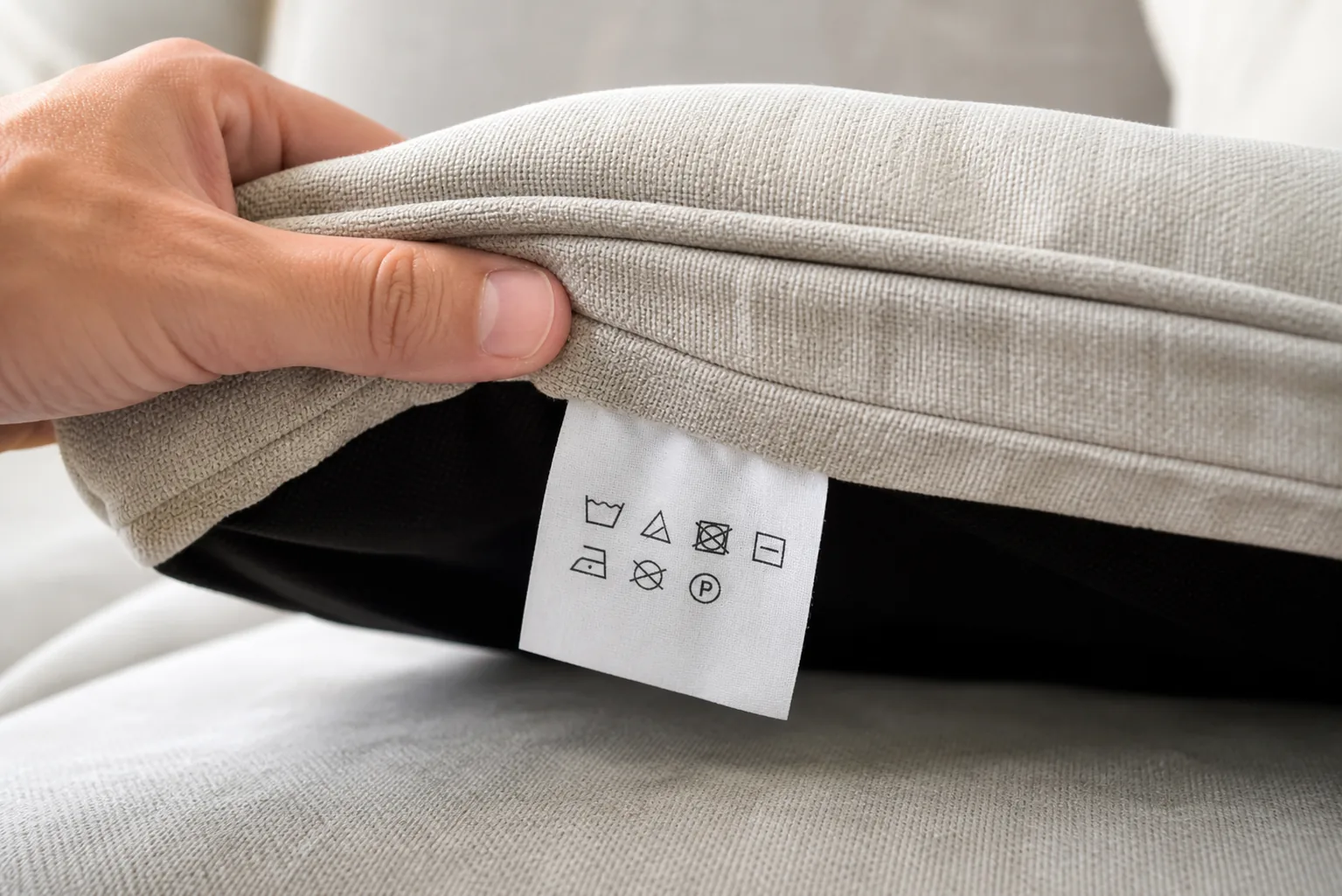
Before adding another product
Residue can look like a fresh stain
Microfibre may show stiff patches, rings or directional shading after home treatment. A product history and side-lit photographs help separate cleaner residue from wear or remaining spill material.
- List every product used
- Photograph rings in side light
- Stop if rubbing changes the nap
A sticky patch may be cleaner residue
Repeated detergent can remain between fine fibres and attract new soil. A darker patch may also be dampness, pile direction, dissolved drink residue or abrasion from rubbing. The technician compares feel, reflection and location rather than assuming a single cause. Small-scale testing helps decide whether residue can be reduced without spreading a new edge.
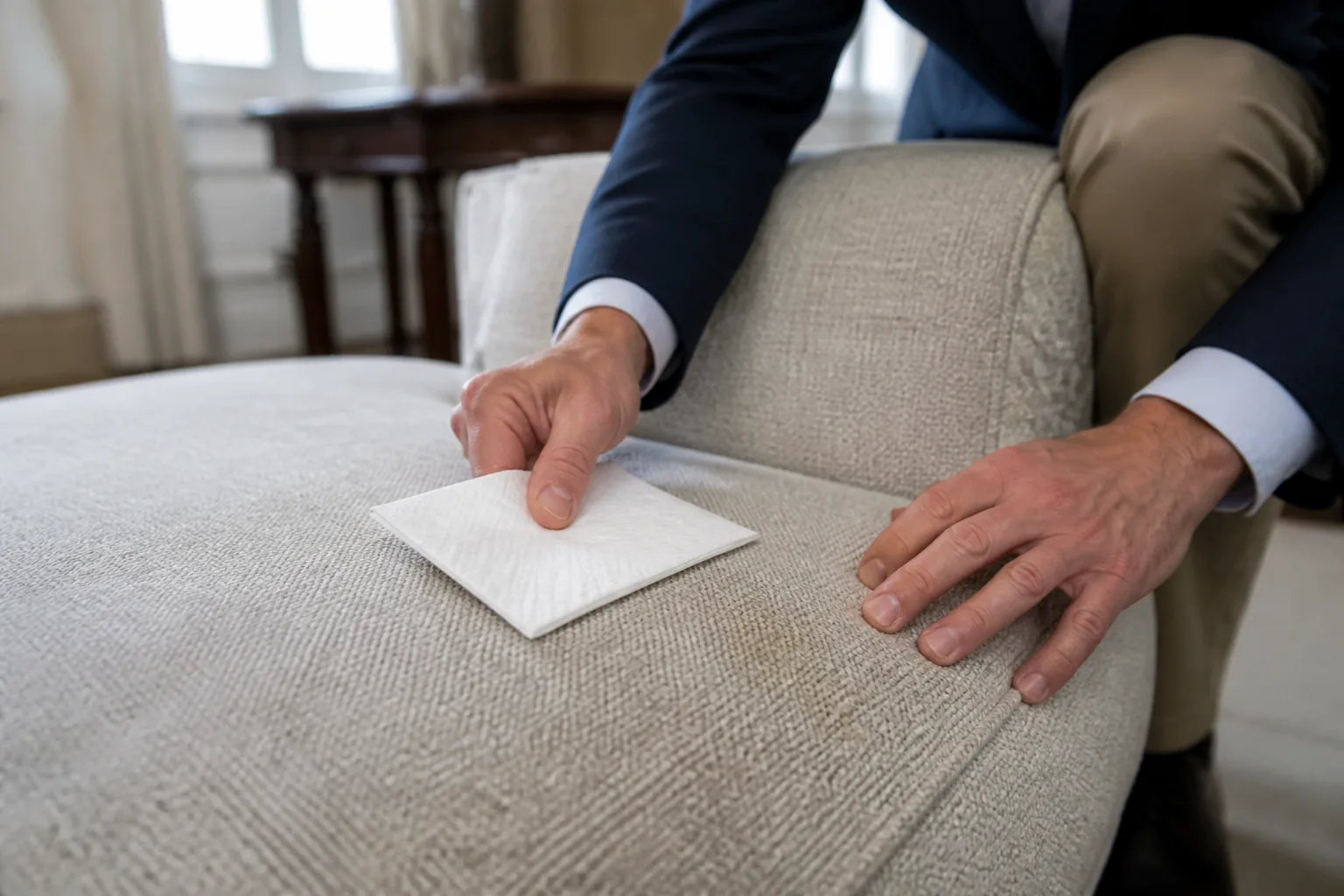
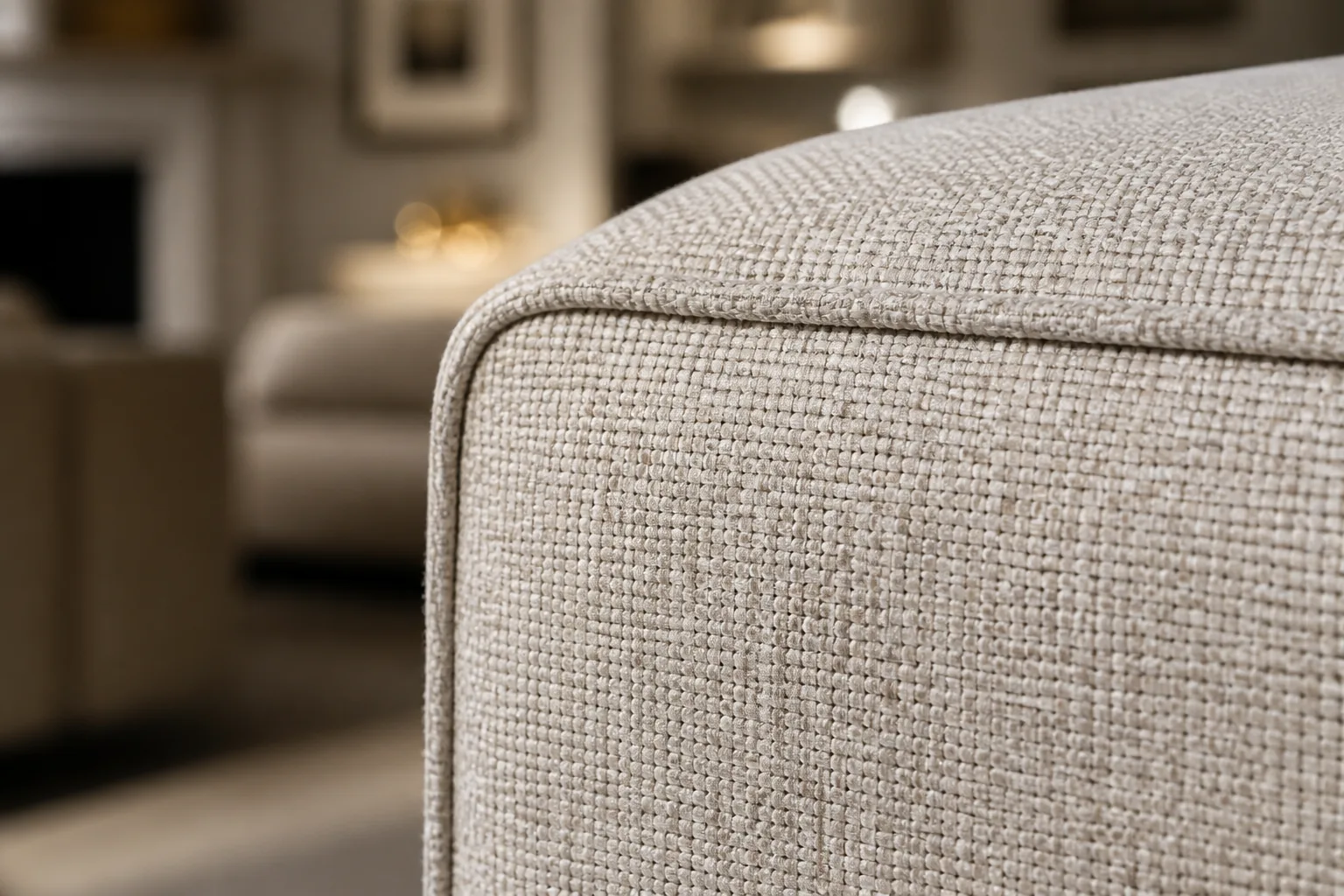
Brushing changes appearance but not every defect
Microfibre may respond visually when its nap is aligned, although worn or heat-damaged fibres will not recover. Stiffness created by dried product can improve only if that product is compatible and accessible. Internal backing and foam still govern how much moisture is appropriate and how long the seat should remain unused.
Pricing reference
Published guide: £45–£75 covers the standard two-seat category.
Extra pieces and unusual handling remain separately itemised.
Set the result against existing condition
Cleaning cannot reverse abrasion, melted fibres, permanent dye change or distortion from hard rubbing. Residue may be reduced rather than fully removed, particularly when its chemistry is unknown or it has reached backing and filling.
Prepare a workable area, not an empty room
For a Balham visit, supply floor level, stairs or lift details and a route clear of bicycles, buggies and loose cables. Leave enough space to view the sofa from more than one direction, since side light often reveals rings that disappear in a front-facing photograph.
rubbing damage
detergent residue in practice
Residue assessment starts at the edge of the stiff patch and works towards an unaffected microfibre reference. Note whether the nap stands, lies flat or feels bonded together. That sequence helps distinguish dried detergent from heat polishing and friction. It also keeps any small compatibility test within a defined boundary instead of turning a local question into another broad tide line.
A residue-led investigation
Read the boundary before choosing a treatment
A spill ring on microfibre is useful evidence. A crisp outline can point to liquid travelling farther than the wiped centre; a tacky feel suggests something remains on the yarn; a shiny crescent can instead be compressed nap. These clues need different responses. The useful record is therefore a small map: dry or sticky, raised or flat, sharp or feathered, and unchanged or growing since the home treatment.
Household cleaners often contain perfume, surfactant, solvent or polymer. Their names and dilution matter because a second product may interact with the first. Keep the bottle or photograph its label. Do not add bicarbonate, washing-up liquid or another spray merely to make the area smell neutral before the visit.
Side-light is more informative than a flash
Close curtains on the opposite side, then photograph the seat with light skimming across it. Take another view after gently changing the camera angle without brushing the cloth. If the dark zone moves with the viewpoint, pile direction may be contributing. If the perimeter stays fixed, the technician has a clearer treatment boundary to assess.
A calm drying arrangement
Microfibre can look uneven until its surface and inner layers have stabilised. Normal room ventilation is preferable to a hairdryer or heater aimed at one patch. Keep children and pets away from the damp seat, avoid replacing throws, and wait for the advised release point before judging colour. This protects the nap from fresh pressure lines while the inspection result remains readable.
residue questions
Useful answers before the appointment
Why does microfibre feel stiff?
Dried product, sugary residue, heat or physical damage can each alter the surface feel.
Can a tide mark be removed?
Some improve, but backing, residue, dye movement and repeated wetting can restrict the result.
Should I brush the patch first?
No, leave it visible for assessment and avoid changing the nap or spreading residue.
What product details are useful?
Send the brand, type, dilution and approximate amount of every treatment already applied.
Can rubbing damage microfibre?
Yes, friction can distort, polish or abrade fine fibres and make a mark permanent.
Why take photographs from the side?
Directional light reveals nap changes, rings and stiff boundaries that front lighting can hide.
How is the sofa priced?
The quote reflects size, construction, condition, cushions, treatment history and practical access.
Will the seat look darker while damp?
It may, so final appearance is judged after the advised drying and nap setting.
Can a coated arm be included?
It is identified as a separate material and included only with a compatible surface method.
May carpet cleaning be added?
Yes, carpet fibre, area and condition need their own description and agreed quotation.
