
A few items
Measure equipment separately from the furniture supporting it.
Shoreditch / Storage for Home Equipment and Furniture
Give sensitive belongings more than a box count.
A home workstation can sit beside ordinary household furniture while needing a different preparation discussion. Describe personal equipment explicitly, including dimensions and condition. Do not assume a household storage enquiry also confirms commercial stock or specialist handling.
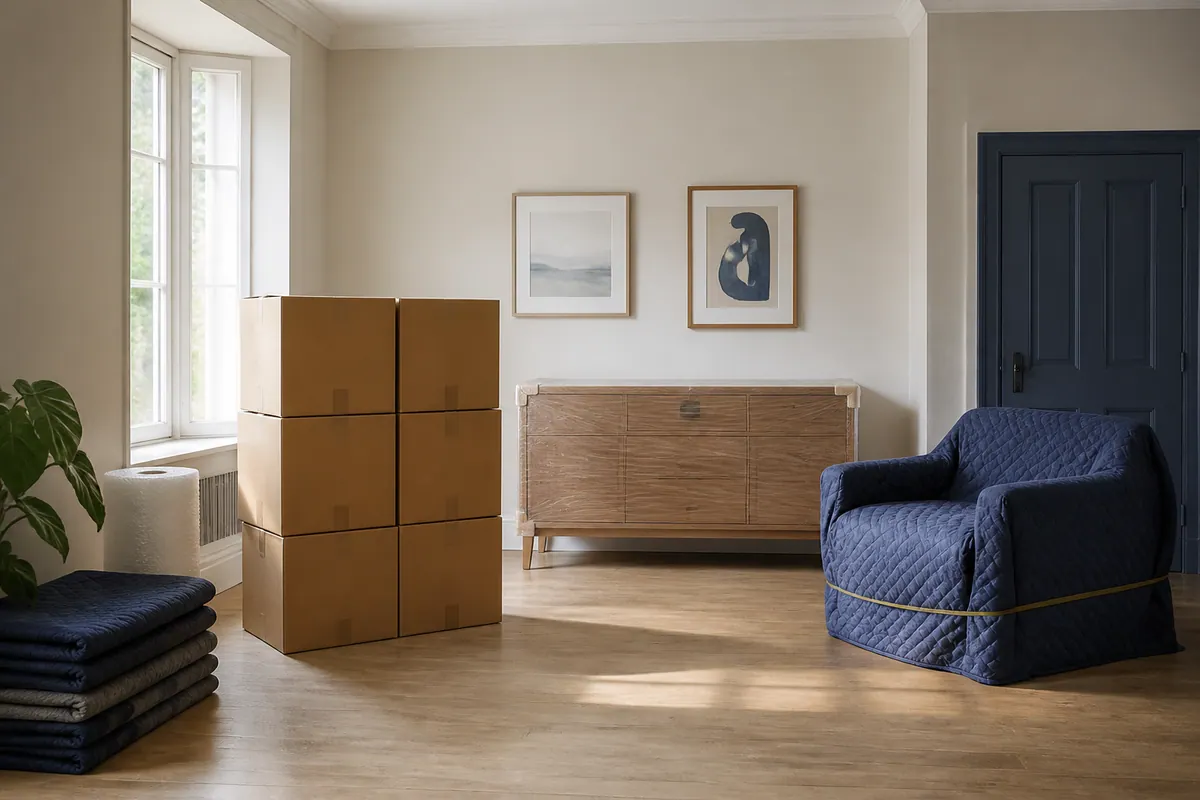
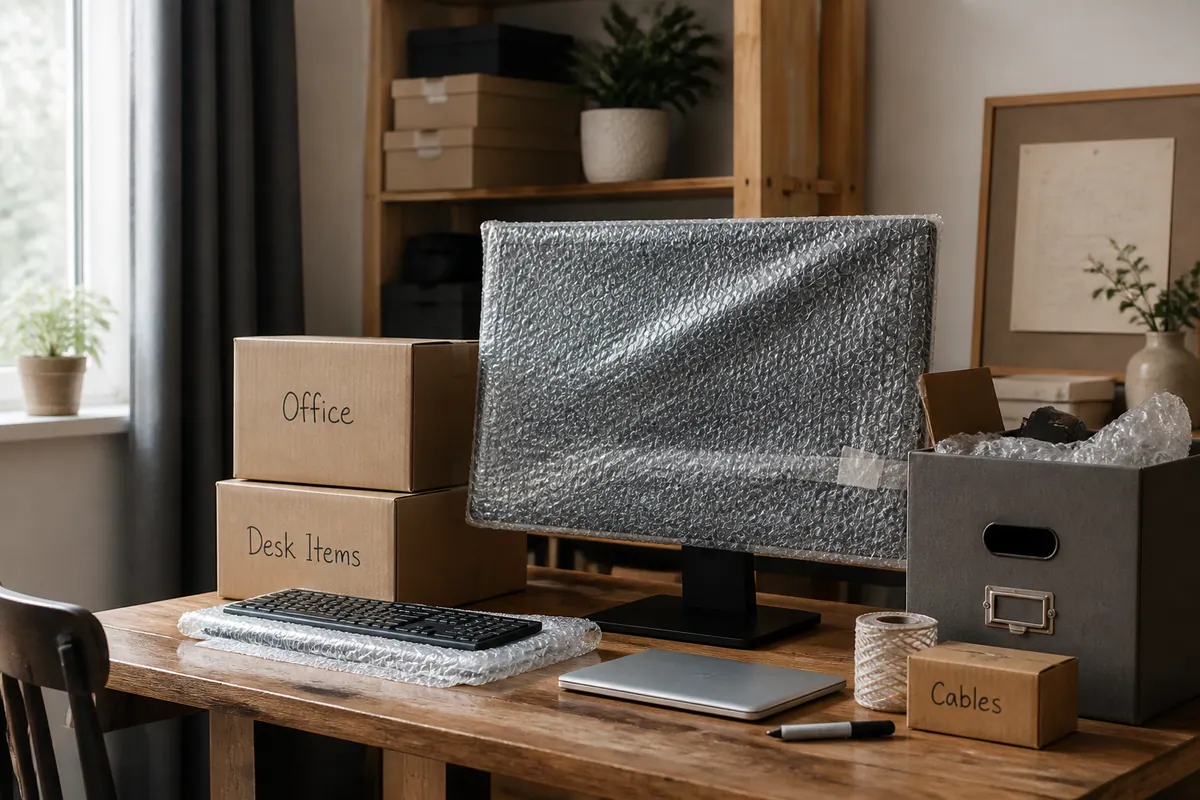
Shoreditch, before collection day
Personal equipment and the desk supporting it should not disappear into one furniture entry. A Shoreditch home setup may contain components needing a suitability discussion even when the rest consists of ordinary household cartons. Identify sensitive pieces, keep continuously used necessities available and ask about appropriate preparation. Commercial stock or specialist operating requirements remain separate questions, not an implied extension of this household scope.
Your item-list example: a personal workstation, shelving and packed household accessories. This is an illustration for the enquiry, not a description of a booked job. Record the actual pieces and quantities you want assessed.
Describe equipment dimensions without assuming it can be handled like furniture. Keep essential working items available until their return arrangement is confirmed.
Plan the route out of your property ↓Dimensions before estimates
Desk components, screens and accessories have different shapes and protection needs. The number of workstations is only an introduction; actual dimensions and suitability determine the storage discussion.
Measure equipment separately from the furniture supporting it.
Identify rigid desk parts and sensitive components distinctly.
Keep working necessities outside the proposed retained groups.
Assess the complete declared household setup for suitability.
Commercial stock and specialist equipment are not confirmed by this household scope. Ask about suitability before adding them to the accepted load.
Collection is part of the storage plan
A desk top may be harder to carry out than its smaller accessories. Give its assembled condition, dimensions and route details, and ask separately about any work needed to prepare it for movement.
Describe the permitted collection point for the largest workstation component, not just the cartons.
Photograph desk dimensions and fixed parts along the route, identifying sensitive components separately.
Confirm who provides entry and identifies the personal equipment for collection.
Describe equipment dimensions without assuming it can be handled like furniture.
Flats and apartments: describe the workstation route through shared areas. Mansion blocks: check permissions applicable to the declared furniture movement. Houses: include stairs for rigid desk tops and equipment. Rental or managed properties: establish the authorised contact for personal belongings.
Plan the return before the departure
Identify what you need to keep using throughout the transition. For other equipment, explain when it might return and check the retrieval process; routine working access is not implied by storage.
Need earlier
Need later
Keep essential working equipment and irreplaceable information available separately. Household storage does not promise operational access; confirm notice, suitability and any partial-release charge before planning around retrieval.
Identify components needed together instead of a generic work-box label.
Describe sensitive parts and protection; never support other loads on delicate equipment.
Group occasional-use accessories distinctly from everyday working necessities.
Choose your starting point
Choosing a furniture category describes the desk, not everything on it. Add personal equipment individually, with any sensitivity or packing questions, so the proposed arrangement can be assessed against the full household list.
Inventory focus
List carton sizes and identify personal equipment explicitly. Ordinary household boxes do not establish suitable protection for sensitive contents; keep essential records and continuously needed working items available.
Add this to your inventory ↓
A useful first conversation
Include dimensions and condition alongside the item name. Avoid putting passwords, confidential records or other unnecessary private information into the enquiry; the planning question is what must be handled and how.
What changes at home?
A room change may leave furniture without a place while personal equipment is still needed every day. Decide what remains in use before asking to store the whole setup as a single group.
A displaced home setup may include furniture that can wait and equipment still needed every day.
Separate retained personal equipment from items being replaced or passed on.
Keep occasional household equipment grouped by expected use without assuming working access.
One connected arrangement
List the equipment early, discuss the proposed conditions and agree preparation responsibilities. Only then should collection instructions describe it as part of the accepted household load.
Assess rigid components separately from small equipment cartons.
Confirm suitable materials and responsibilities for sensitive belongings.
Include only equipment whose handling and suitability have been agreed.
Confirm proposed conditions without assuming environmental controls.
Request the complete equipment group through the agreed release process.
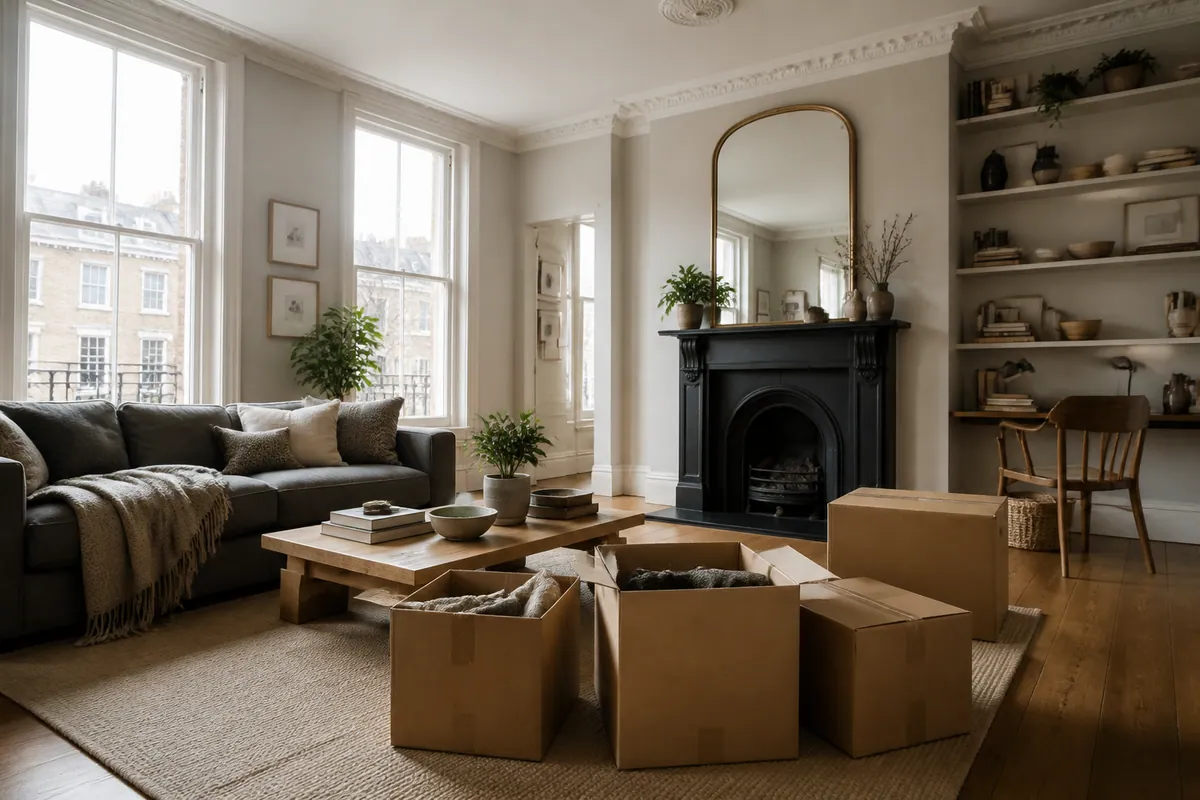
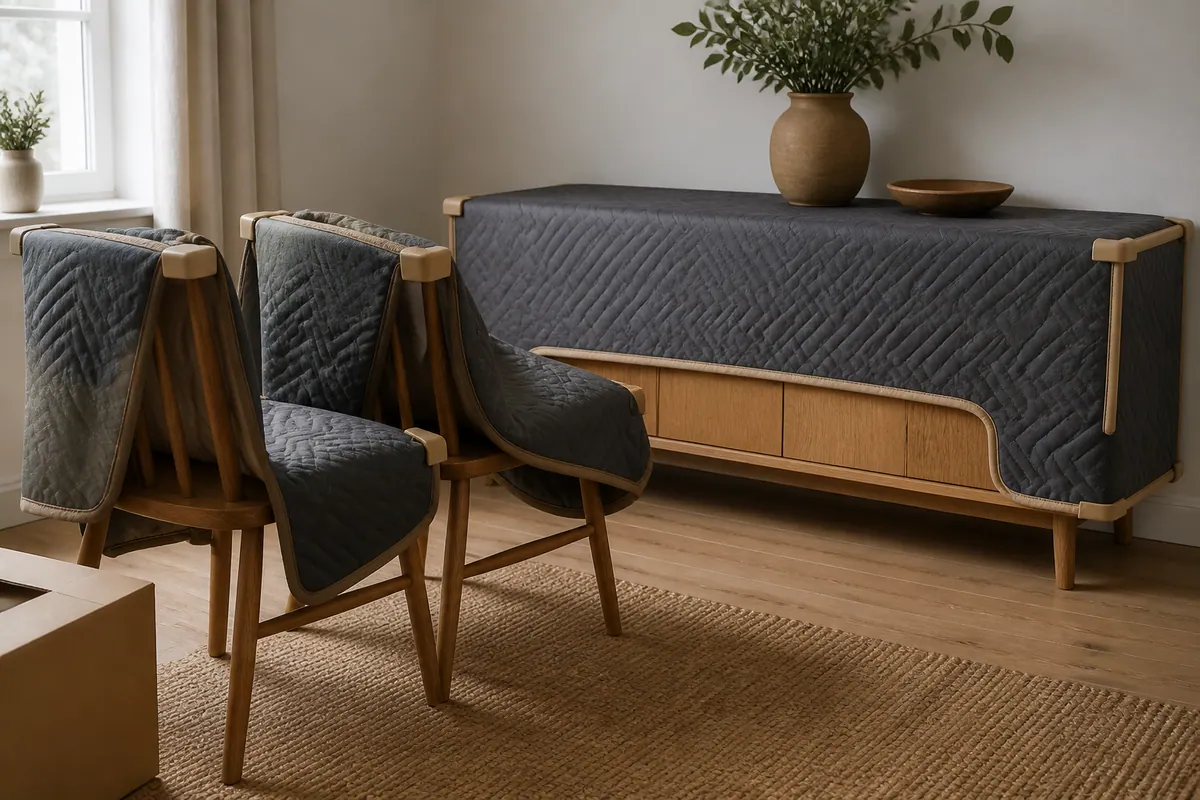
The timetable can change
| Planning point | A shorter gap | A longer arrangement |
|---|---|---|
| Typical purpose | A home setup temporarily displaced | Retained personal equipment during a longer change |
| Preparation | Agree item-specific preparation before handling | Review sensitivity against proposed conditions and duration |
| Retrieval | Name the complete setup needed back | Keep continuously required equipment outside storage |
| Duration | Confirm terms without implying operational access | Review suitability if the waiting period extends |
| Quotation | Furniture, equipment preparation and transport | Suitable conditions, time and defined release needs |
An item kept briefly between addresses may raise different preparation concerns from one retained for months. State the expected period and ask about suitability without assuming climate control or another unverified facility feature.
Scope first. Quote second.
For a Shoreditch enquiry, distinguish furniture handling from any requirements attached to personal equipment. Storage conditions, packing and later delivery should be confirmed rather than bundled into an unexplained household total.
| Service scope | Price approach | Main factors |
|---|---|---|
| Volume & access assessment | Declared household equipment assessed first | Dimensions, sensitivity and suitable arrangement |
| Collection & placement | Handling agreed after component review | Rigid pieces, protective preparation and route |
| Ongoing storage | Period and conditions explicitly quoted | Suitability, duration and intended retrieval frequency |
| Final retrieval / delivery | Defined equipment return agreed | Matching components, destination and release process |
Equipment sensitivity can affect preparation and suitability alongside furniture volume and access. Confirm proposed conditions, duration, facility costs, insurance and return transport explicitly rather than assuming specialist features.
Keep the move connected
Where packing support is requested, describe the equipment and furniture concerned. The linked service is a starting point for agreeing materials and responsibilities, not a promise that specialist protection is already included.
Describe furniture and personal equipment distinctly in the transport request.
Ask about materials suited to the declared sensitive components.
Coordinate the desk’s return with its matching personal accessories.
Alesta customer feedback / Furniture removal & packing
“I used Alesta Services for furniture removal and packing when I moved houses. The team was incredibly careful with my belongings and made the whole process seamless.”
James W. · Existing Alesta review, not a storage testimonial for Shoreditch.
Direct answers before you book
List it explicitly and ask about suitability and preparation. Household furniture storage does not establish that every type of equipment is accepted.
No. Commercial inventory or specialist operational needs require a separate scope confirmation; they should not be inferred from personal home-equipment examples.
Record them separately. Their dimensions, handling and preparation requirements differ even when they belong to the same working setup.
Describe size, condition and relevant sensitivity. Keep confidential information, passwords and personal records out of the general enquiry.
Do not assume that. Keep essential items with you and confirm the proposed retrieval process for anything you intend to store.
No such condition is promised here. Ask what applies to the proposed solution and whether it is suitable for the declared belongings.
No. Explain the item and request the preparation needed. Materials and responsibilities must be agreed before collection.
List the components, identify fittings and give the largest dimensions. If still assembled, say so rather than assuming separation is part of the service.
Describe both groups in the same enquiry if appropriate, but identify their different requirements. Acceptance and handling still need confirmation.
Name that requirement before agreeing storage. Partial retrieval, notice and any extra handling or delivery charge depend on the selected arrangement.
The declared load, suitable preparation, collection route, storage period and return requirements all matter. Equipment-specific questions should be resolved before relying on a total.
Shoreditch / Service area
Share your Shoreditch postcode, floor, building entry arrangements and intended collection point. For the full household scope, visit Storage Services.
The postcode identifies where the household belongings begin. The suitability of the proposed storage solution must be discussed on its own merits; a local collection does not establish a local facility.
A little space. A clear next step.
Separate ordinary cartons, furniture and personal equipment in your brief. Add what must remain available so the team can discuss a plan that matches how you use the belongings.
