
The retained furniture condition
Loose drawers or awkward bases can affect handling. Keeping an older piece does not establish that it is ready to travel.
Walthamstow / Storage for a Household Sort-Out
Decide what stays in your life before choosing where it waits.
A household sort-out can produce several different piles. Storage should have a retained inventory distinct from possessions being sold, donated or discarded. That decision makes collection and eventual return easier to describe.

Choose your starting point
Use the selector for possessions you intend to keep. Possible donations remain separate until their destination is settled.
Inventory focus
Count the cartons selected for storage after sorting. Keep donation piles separate, describe fragile contents and retain essential documents outside the load rather than treating everything as miscellaneous.
Add this to your inventory ↓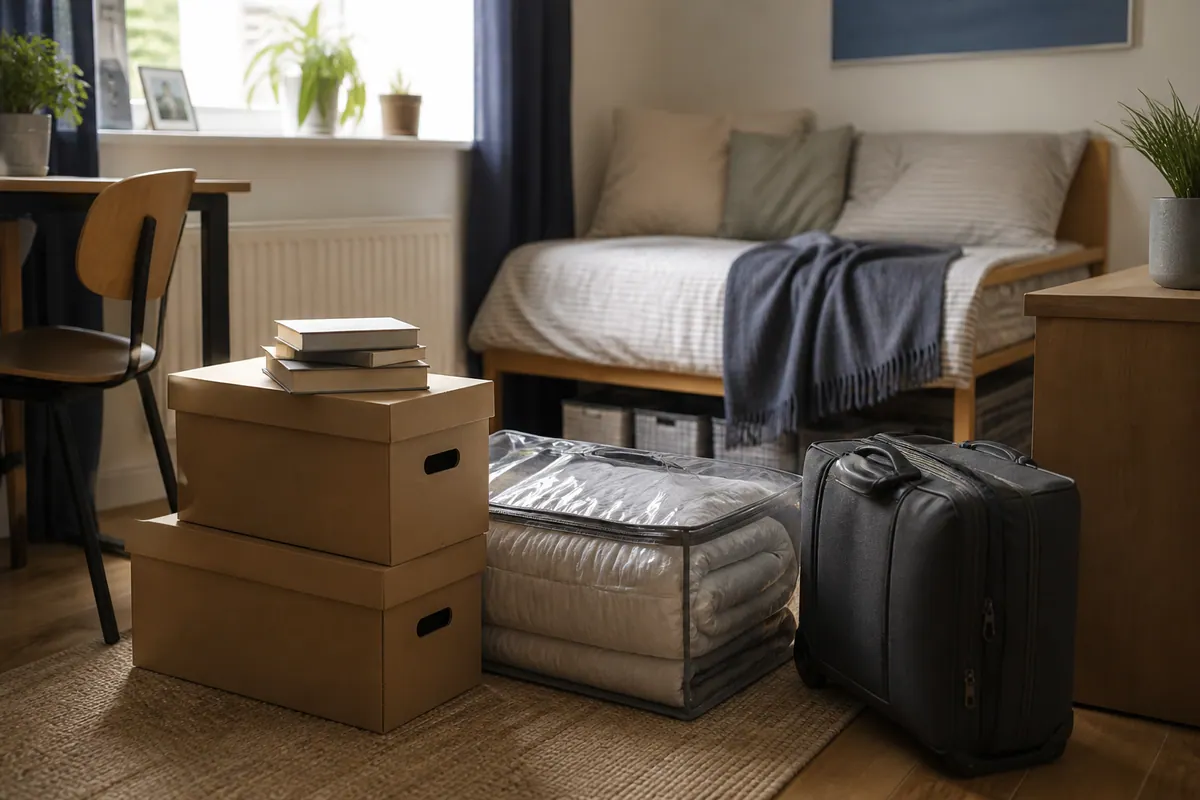
Collection is part of the storage plan
Loose drawers or awkward bases can affect handling. Keeping an older piece does not establish that it is ready to travel.
Check where the chosen load can be collected without assuming the cleared room solves loading restrictions.
Show the retained dresser’s route and any fixed or loose components.
Confirm access for the selected inventory after the sorting decisions are made.
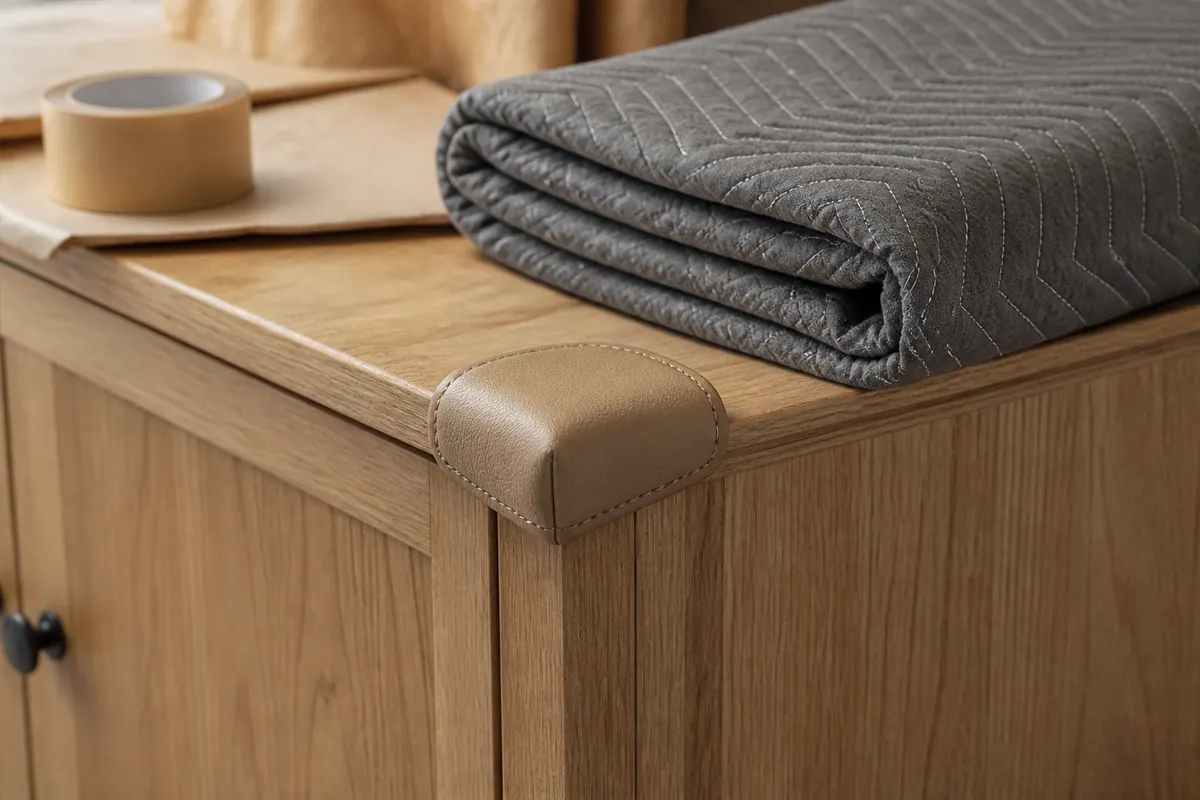
Identify the dresser’s weight-bearing parts and any loose drawers.
Flats and apartments: keep the retained group identifiable along the shared route. Mansion blocks: verify collection rules before preparing a waiting area. Houses: show the chosen furniture’s starting rooms. Rental or managed properties: name who distinguishes retained items from other piles.

Walthamstow, before collection day
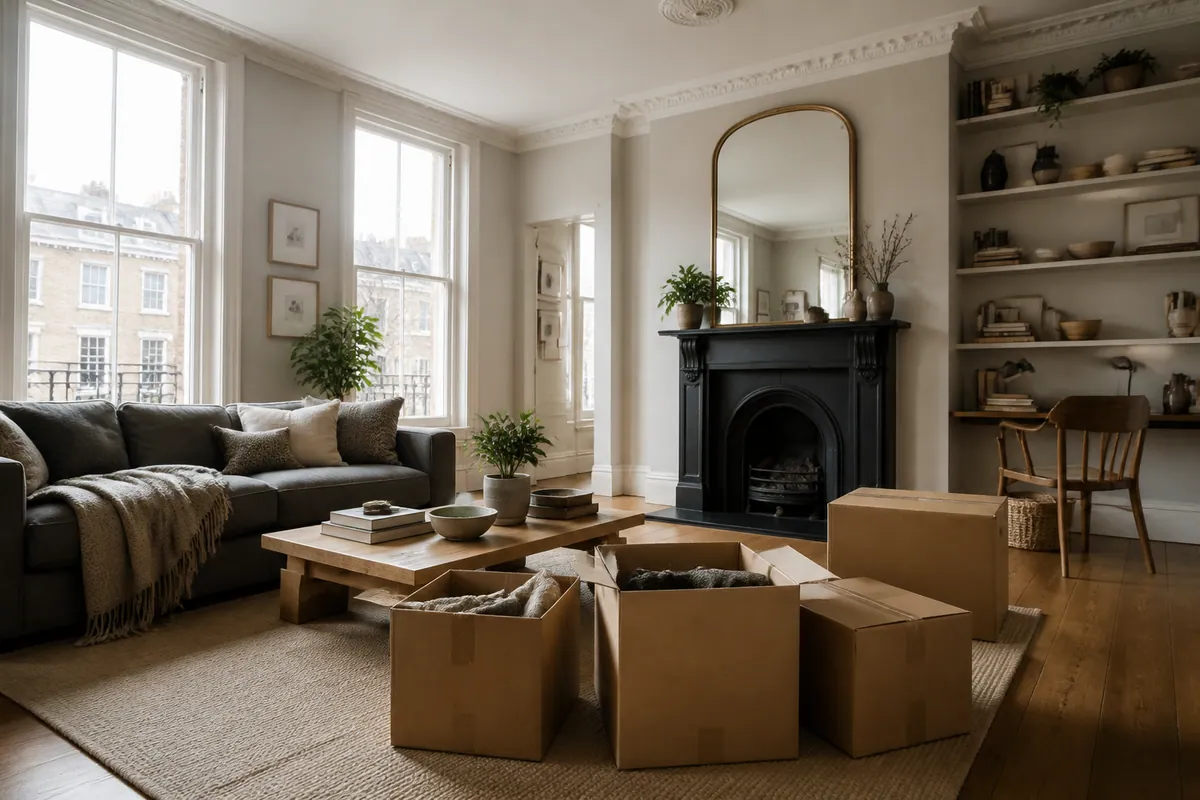
Storage should follow a decision about the possessions you intend to keep, rather than postpone every choice in a mixed pile. Separate the Walthamstow retained load from donation, sale and disposal groups. Then record the actual furniture and cartons, including the items with a likely earlier use. The enquiry becomes easier to assess when the selection is definite and any remaining possibilities are explicitly marked.
Your item-list example: household book boxes, a spare armchair and a small dresser. This is an illustration for the enquiry, not a description of a booked job. Record the actual pieces and quantities you want assessed.
Identify the dresser’s weight-bearing parts and any loose drawers. Group seasonal belongings by when you expect to ask for them again.
Plan the route out of your property ↓A useful first conversation
Count retained cartons and furniture with substantial dimensions. The list should describe your decision, not ask collectors to make it.
What changes at home?
Separate sale, donation and disposal from storage. Each requires its own instruction rather than one mixed household load.
Room work can be easier to plan after the retained furniture is separated from discarded pieces.
Do not ask collection to resolve the sale, donation and storage piles on arrival.
Assign a likely next-use season before mixing the retained cartons together.
Dimensions before estimates
Removing small objects can leave the same bulky chair and dresser. Fewer possessions do not imply a proportional space reduction.
Measure the retained pieces after the selection is settled.
Identify rigid furniture remaining after the clear-out.
Keep decided room groups apart from unresolved possessions.
Review only the household contents intended to return.
Retaining an item does not establish suitability. Explain unusual materials or contents before adding them to the accepted list.
The timetable can change
| Planning point | A shorter gap | A longer arrangement |
|---|---|---|
| Typical purpose | Selected pieces during a household sort-out | Retained belongings awaiting future use |
| Preparation | Pack after destination decisions are made | Review protection for the retained materials |
| Retrieval | Identify when kept items become useful again | Name seasonal groups needed before furniture |
| Duration | Set terms for the definite selection | Discuss continued retention and required notice |
| Quotation | Chosen inventory and collection requirements | Retained volume, time and planned release |
Give the likely period and discuss changes. A household sort-out does not create an open-ended storage entitlement.
Plan the return before the departure
Explain when the belongings may be required and ask about retrieval before treating them as readily accessible.
Need earlier
Need later
Keep essentials and irreplaceable possessions separately. A seasonal reference helps identification but does not create access rights; confirm notice and charges for partial release.
Use retained-item references rather than labels on undecided piles.
Identify delicate retained pieces; do not place other loads on fragile components.
Use expected season and contents to distinguish the cartons.
One connected arrangement
Finalise retained items and assess access. If another piece is added, update the brief before assuming it joins collection.
Assess the path for the furniture actually selected.
Agree protection for retained items after sorting is resolved.
Collect the confirmed selection rather than the entire clear-out.
Confirm conditions for the belongings intended to return.
Request the retained group through the agreed release procedure.

Scope first. Quote second.
Identify confirmed items and outstanding possibilities. The assessment needs the chosen load, not the room before sorting.
| Service scope | Price approach | Main factors |
|---|---|---|
| Volume & access assessment | Final retained list reviewed | Dimensions and condition of chosen pieces |
| Collection & placement | Selected route and preparation assessed | Furniture handling, loading and protective work |
| Ongoing storage | Confirmed retention period priced | Suitable arrangement and later-use requirements |
| Final retrieval / delivery | Selected belongings released by agreement | Retained references, destination and timing |
The final selection, not the original room, informs volume and handling. Confirm term, facility costs, insurance and return requirements after the retained list is settled.
Direct answers before you book
A definite retained list is best; identify remaining decisions rather than counting everything as confirmed.
Keep them separate and discuss any other transport requirement explicitly.
No particular adjustment is assumed; the revised scope needs assessment.
Use recognisable groups linked to expected retrieval periods and the inventory.
Send its dimensions and condition before collection for review.
Ask about preparation for the piece rather than assuming loose or heavy contents can travel inside.
Discuss duration and extensions; uncertainty is not unlimited storage.
Collection follows an agreed inventory, so resolve selection beforehand.
Confirm partial retrieval, notice and charges before relying on it.
Keep valuables and essential records in a suitable separate arrangement.
The retained inventory, measurements, access and likely term, with unresolved items distinguished.
Keep the move connected
Related transport can be discussed separately. An item for disposal should not quietly enter the retained list.
Describe a separate journey for the selected smaller load.
Request protection for the pieces actually being kept.
Keep retained-furniture delivery distinct from disposal destinations.
Alesta customer feedback / Furniture removal & packing
“I used Alesta Services for furniture removal and packing when I moved houses. The team was incredibly careful with my belongings and made the whole process seamless.”
James W. · Existing Alesta review, not a storage testimonial for Walthamstow.
Walthamstow / Service area
Share your Walthamstow postcode, floor, building entry arrangements and intended collection point. For the full household scope, visit Storage Services.
Give Walthamstow access privately. Storage conditions and later return still need confirmation for a modest load.
A little space. A clear next step.
Describe what you intend to retrieve, with dimensions and dates. Mark uncertain items until their place is decided.
