
A few items
Describe each loose piece instead of estimating a room fraction.
Westminster / Space, with a plan
An empty room starts with an organised departure.
Give the belongings leaving your Westminster home a defined list and a way back. Alesta coordinates household storage enquiries around the pieces involved, their preparation and the route through the property, rather than an assumed room-sized package.
Choose your starting point
Start with the type of belongings leaving the flat. The category prompts help identify the information to collect, while individual acceptance remains subject to the agreed household arrangement.
Inventory focus
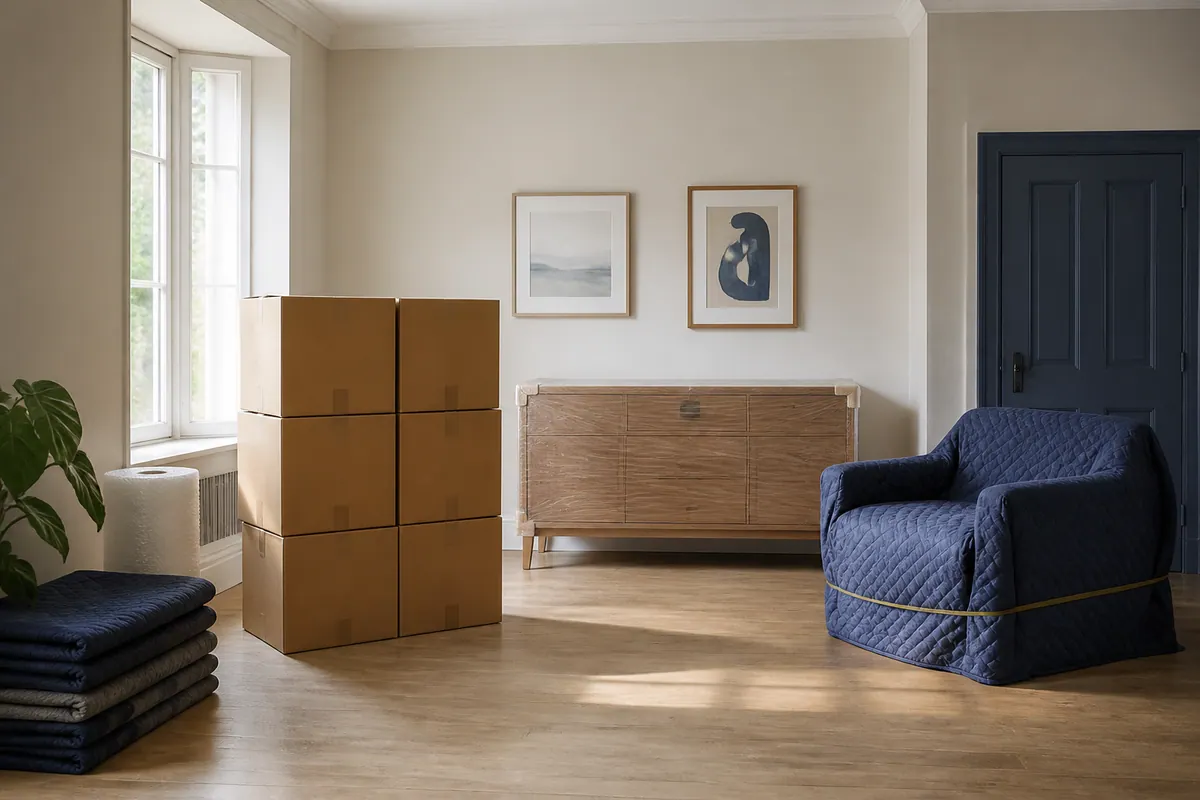
Count the Westminster cartons separately from the sideboard and seating. Give sizes and identify fragile contents, while keeping the paperwork and belongings needed during the gap with you.
Add this to your inventory ↓
A useful first conversation
Enter the quantities you actually want considered. Add the widest furniture dimensions and note uncertain items in the comments. This produces an enquiry draft, not a confirmed storage allocation.

Westminster, before collection day
A Westminster collection may begin in a private room but pass through shared space before reaching the vehicle. Describe that complete journey: the apartment door, any lift or stair turns, and the point where items can be loaded. Furniture measurements alone cannot explain the route.
If a building manager needs to authorise access, establish that before selecting a collection window. A key-return deadline is useful information, but it does not override a building’s entry procedure or create a loading space.
For a partial clearance, walk through the rooms and mark exactly what is included. Everyday possessions can stay outside the inventory while suitable furniture and packed household goods are assessed. That distinction prevents a small storage brief becoming an undefined property clearance.
Plan the route out of your property ↓Dimensions before estimates
A room count is only a starting description. A broad chair, a cabinet that cannot dismantle and light cartons occupy space differently; the assessment also needs protection allowances and any planned early access.
Describe each loose piece instead of estimating a room fraction.
Count the room’s selected furniture, not everything visible in it.
Separate belongings travelling directly from those waiting in storage.
Provide a detailed list with large-object dimensions and handling notes.
Any unusual item needs its own suitability discussion. Household coordination is not blanket acceptance of specialist or commercial goods.
What changes at home?
Moving before the next home is ready means identifying two dates: the firm departure deadline and the provisional return. Explain the difference at the outset.
Clearing a work area need not mean removing an entire household. List furniture obstructing the agreed rooms and retain the daily essentials elsewhere.
When reducing the belongings in a smaller home, choose what you are retaining before asking about space. Donations and disposal are different instructions.
Boxes used occasionally can be grouped around the next time they matter. A useful label connects the carton to the inventory without exposing private contents.
One connected arrangement
Walk the flat and identify only the goods leaving it.
Follow the sideboard’s route through the lobby and proposed loading point.
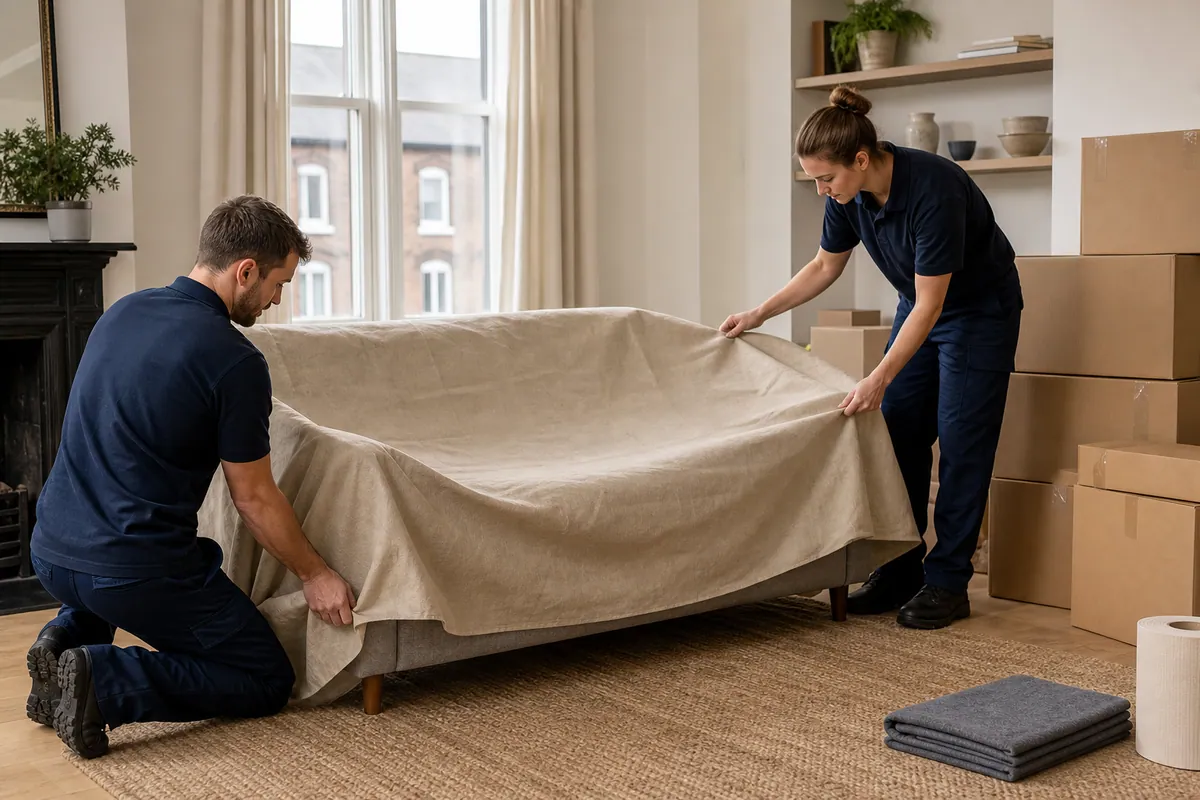
Agree how cartons and seating will be protected before handling.
Obtain a confirmed window for the accepted household list.
Check the proposed location, conditions and record of the goods.
Request the named inventory against a confirmed receiving address.


Plan the return before the departure
Decide whether the first return is a complete household or only selected cartons. The inventory should make that distinction visible before the load is arranged, especially if furniture cannot yet enter the next property.
Need earlier
Need later
Keep important records and valuables separately. Agree whether selected release is available, what notice is needed and how it is charged; no walk-in access is implied.
Give early-return cartons individual references so they can be discussed precisely rather than described as somewhere in the kitchen boxes.
Identify delicate pieces and their protection requirements before grouping furniture. A wrapped surface is not permission to place other loads on it.
Use expected need, not just the room of origin, when grouping occasional belongings. Discuss notice and charges for any separate retrieval.
The timetable can change
| Planning point | A shorter gap | A longer arrangement |
|---|---|---|
| Typical purpose | Bridging a known gap before the next address is ready | Holding selected possessions while the household plan develops |
| Preparation | Packing suitable for the assessed move and short stay | Preparation reviewed for the actual materials and anticipated period |
| Retrieval | A stated target for bringing the goods back | An early-item list alongside the eventual complete return |
| Duration | Confirm the departure and proposed end under the booking terms | Ask how notice and extensions affect the continuing arrangement |
| Quotation | Assess the actual waiting load and its transport stages | Clarify term-dependent charges and any separate release |
There is no universal minimum period promised here. Read the selected arrangement’s duration, extension, access and insurance provisions before agreeing.
Scope first. Quote second.
Ask for the assessment, transport, storage term and return to be explained together. The useful comparison is the work included for your inventory, not an isolated weekly figure that leaves collection out.
| Service scope | Price approach | Main factors |
|---|---|---|
| Volume & access assessment | Assessment based on the named household goods | Dimensions, protection and early-return needs |
| Collection & placement | Transport scoped to the full exit route | Lobby, lift or stairs, loading position and preparation |
| Ongoing storage | Price for the proposed holding period | Suitable arrangement and any access requested during it |
| Final retrieval / delivery | Return cost against the requested release | Destination, receiving route and the items required |
Check what is included across the complete journey. A quoted storage charge alone may not include packing labour, collection, return transport or insurance choices.
Collection is part of the storage plan
Photograph a tight landing with the largest item in mind. Record floor level and available lift measurements instead of describing the building as simply accessible.
Identify the proposed loading point and any known restrictions. Ask the appropriate building contact about arrangements; a clear entrance does not guarantee vehicle access.
Include door openings, fixed cabinets and corridor turns that narrow the path. Mention furniture assembled inside the room if it may need preparation to leave.
Name the person who will open the property and the person authorised to release the goods. Resolve any building booking requirement before collection is confirmed.
Flats and apartments: describe the private doorway and shared lobby together. Mansion blocks: check who may approve the collection route. Houses: show the internal path of substantial pieces. Rental or managed properties: name the person releasing the agreed inventory.
Direct answers before you book
An itemised household list, dimensions of substantial pieces, collection postcode and access description give the enquiry a useful starting point. Add the expected term and likely return needs.
No. Explain the deadline, then obtain a confirmed arrangement. Building access, transport and the accepted inventory need to fit that window.
Photos help explain the load, but mark which objects are included. An unlabelled room photograph can contain belongings that are staying.
Tell the team before agreeing timing. Check the opening and internal measurements as well as who can make the reservation.
Yes, define the selected storage inventory clearly. Keep excluded belongings distinguishable so the brief is not interpreted as emptying every room.
Keep passports, irreplaceable records and other immediate essentials with you or under an appropriate separate arrangement, not in ordinary household storage.
Raise the request before collection. The chosen arrangement determines whether separate retrieval is possible and what notice or extra cost applies.
No. Discuss protection, materials and labour for the named items. Packing requirements should appear in the agreed scope rather than be assumed.
State that it is provisional and explain what will determine it. Ask how duration changes and delivery notice are handled.
Confirm the proposed storage location and its suitability before booking, together with the conditions and return process. Westminster identifies the collection area.
Neither is implied. Read the proposed terms and clarify coverage choices, exclusions and the retrieval process before committing.
Keep the move connected
Coordinate the wider household move if the goods need an intermediate stop.
Discuss transport for a limited accepted load with the required handling.
Specify the carton preparation and furniture protection you want quoted.
Arrange a defined furniture transport stage with its receiving route checked.
Alesta customer feedback / Furniture removal & packing
“I used Alesta Services for furniture removal and packing when I moved houses. The team was incredibly careful with my belongings and made the whole process seamless.”
James W. · Existing Alesta review, not a storage testimonial for Westminster.
Westminster / Service area
Use your Westminster postcode to begin the address discussion; include the relevant building contact and any access question alongside the household scope in Storage Services.
The collection address and storage location are different details. Confirm both, then identify the destination for the eventual return.
A little space. A clear next step.
Send the Westminster address, the selected belongings and the dates you know. Identify any access or return detail still awaiting confirmation.
