
ISLINGTON / UNDERSTAND THE GAPS
Islington Garden Care Before New Planting
An empty-looking bed is not always ready for new plants. Begin by reviewing the growth already there and the upkeep it needs, then discuss whether planting belongs in the same brief or a later stage.
- Show existing plants around each gap
- Separate tidying from planting purchases
- Record the plants you intend to retain
- Agree materials before buying them
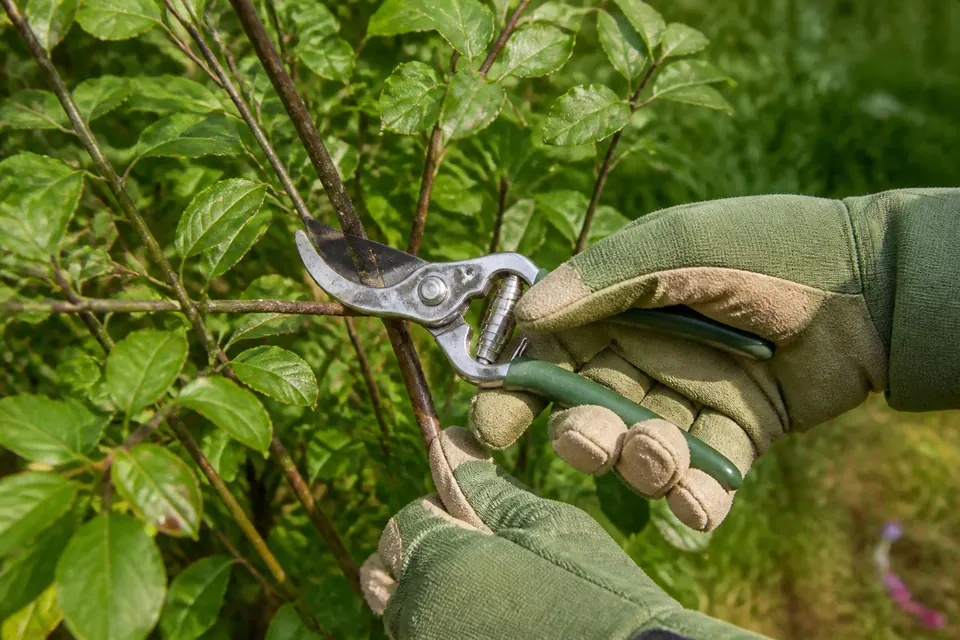 GARDEN CARE / Islington
ISLINGTON / BEFORE THE SHOPPING LIST
Show the whole bed, not only the empty patch
If you are considering filling gaps in an Islington garden, photograph the surrounding established plants and explain what you hope the new planting would do. A close view of bare soil does not show nearby growth or the wider arrangement. Start by identifying the maintenance needed and the plants that should remain. Purchases can then be discussed with the proposed task rather than arriving as an assumption the gardener must accommodate.
02 / Retained planting list
03 / Proposed materials discussion
FIRST UNDERSTAND WHAT IS THERE
Give existing upkeep its own clear brief
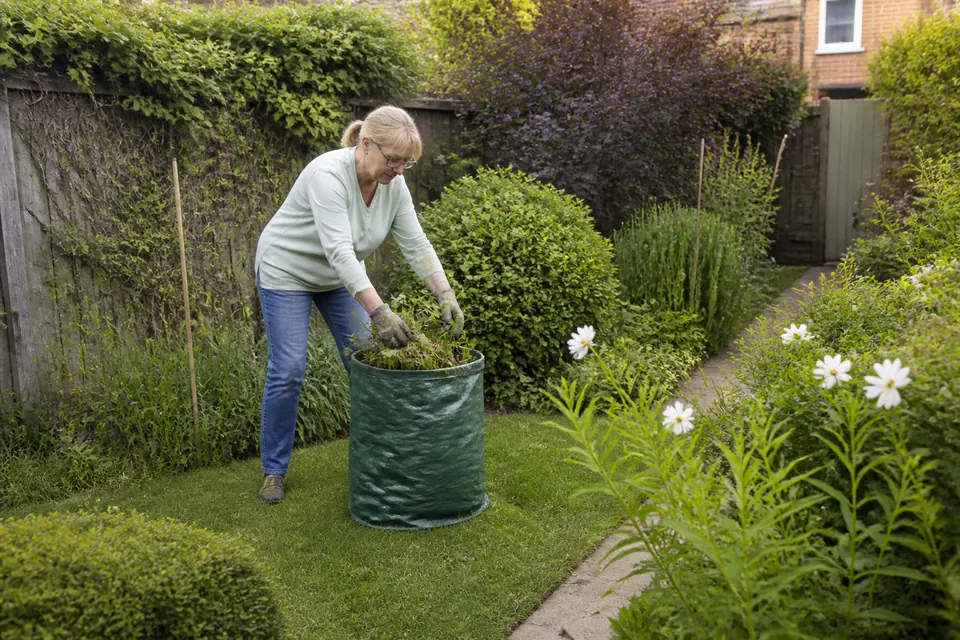
Garden clearance
Describe the current lawn task independently of any proposed new bed or border extension.
Explore garden clearance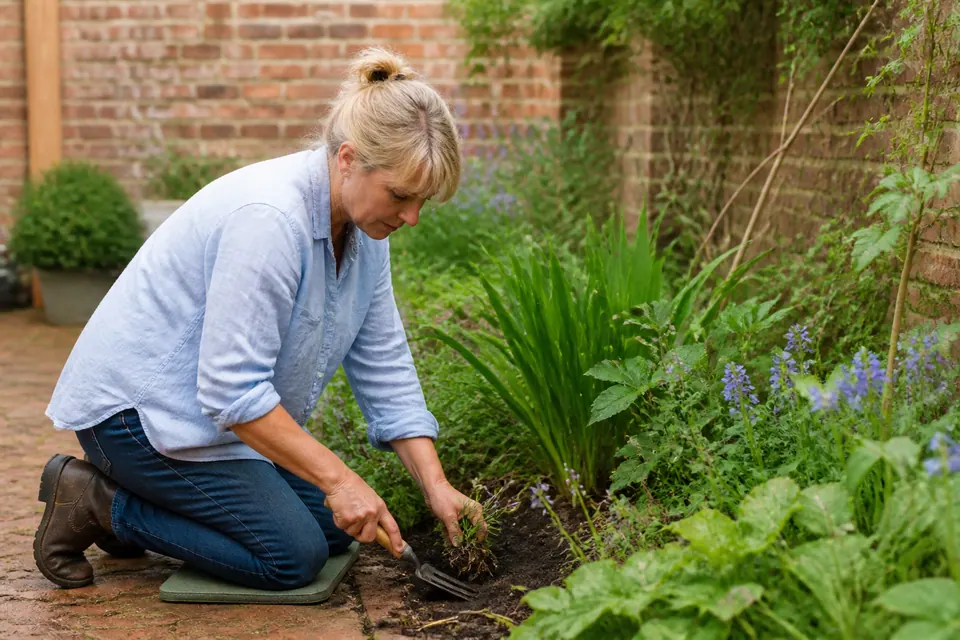
Garden maintenance
Review established shrubs before assuming that nearby gaps require more planting or substantial reduction.
Explore garden maintenance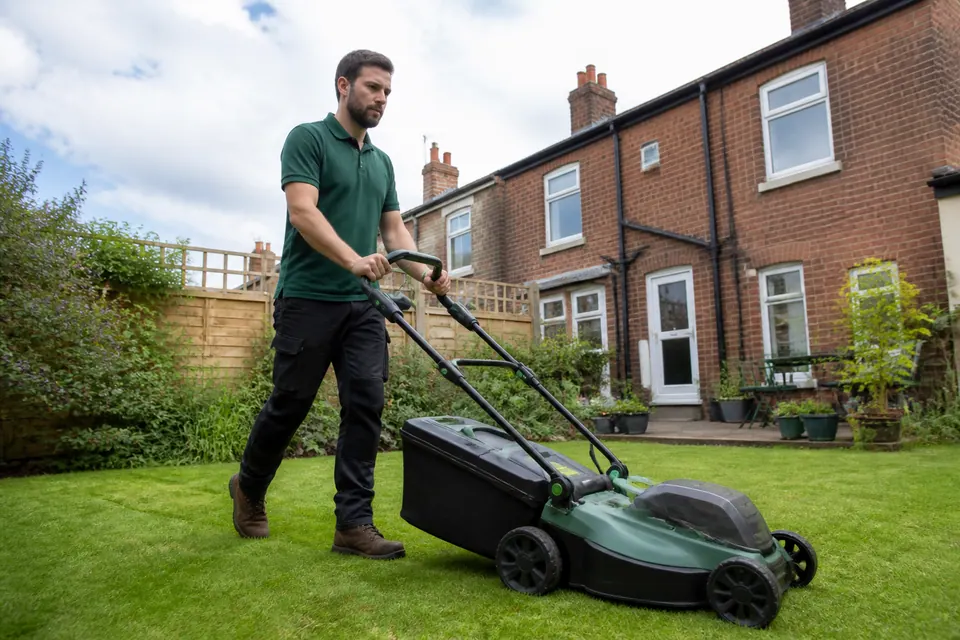
Lawn care
Identify unwanted growth and retained plants so clearance does not remove the framework of a future planting plan.
Explore lawn care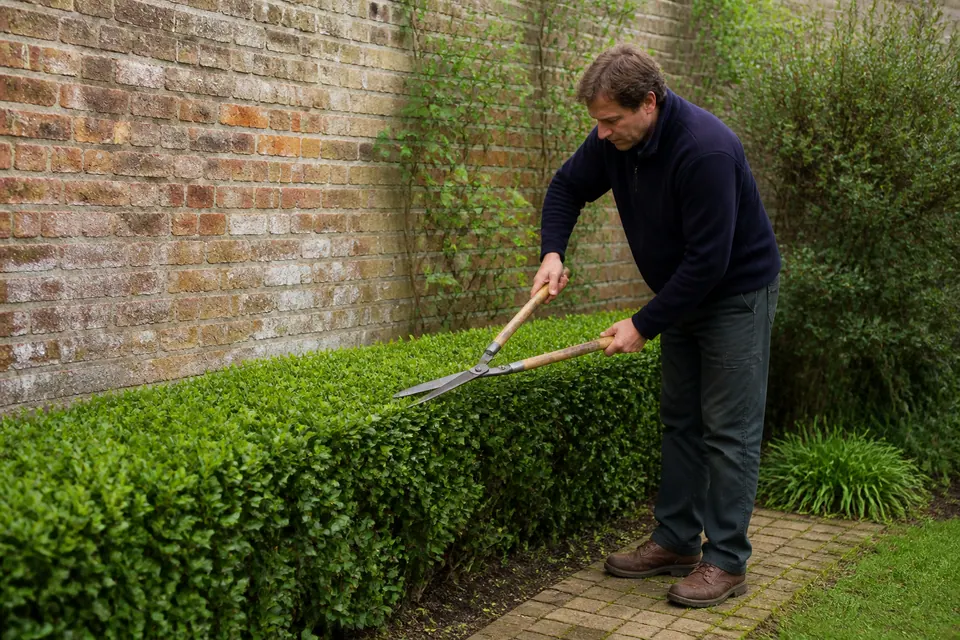
Hedges & shrubs
Weeding, light seasonal attention and agreed planting can be discussed, with materials and responsibilities clearly separated.
Explore hedges & shrubs- Work
- Existing care and explicitly agreed planting tasks
- Spaces
- Private beds or authorised shared planted areas
- Visits
- Initial attention followed by a considered next stage
- Area
- Islington attendance checked against the complete address
- Price
- Assessment of tasks, materials and current condition
A FIRST STAGE OR CONTINUING CARE
Give each decision its own scope
| Visit choice | One-off gardening | Regular maintenance |
|---|---|---|
| Best for | Understanding and tidying the existing arrangement | Supporting agreed plants as the garden develops |
| Frequency | One defined maintenance stage | A reviewed schedule with additions discussed separately |
| Scope | Current tasks and explicit material exclusions | Named responsibilities as planting changes |
READ THE EXISTING ARRANGEMENT
Look around the proposed change
Grass beside the bed
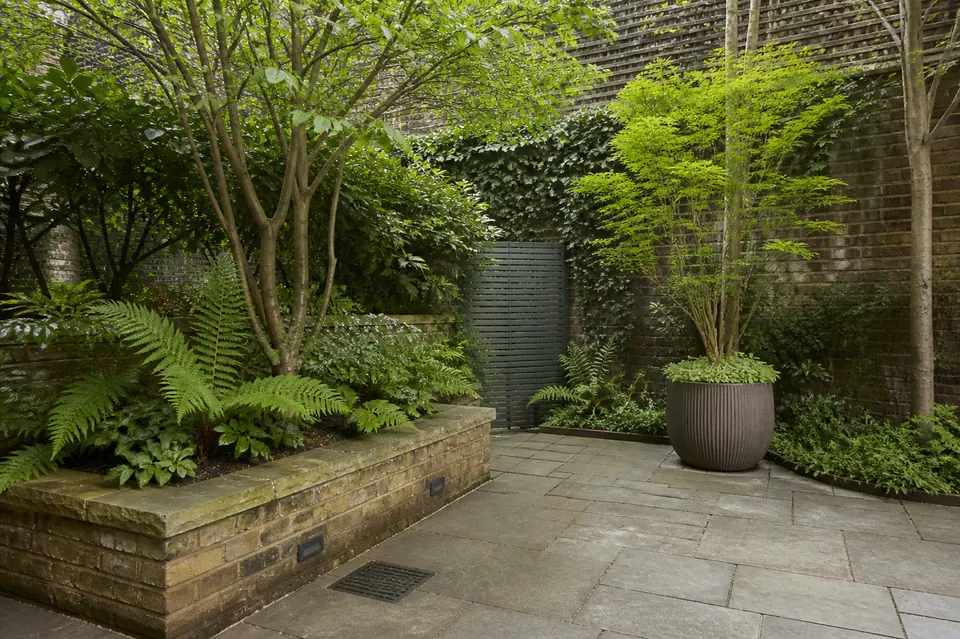
Keep mowing requirements separate from proposed layout changes.
Established shrubs nearby
Show their relationship to the space you hope to fill.
Gaps and containers
Describe the intended purpose before choosing supplied plants.
Routes beside planting
Identify practical clearance needs without assuming new surfaces.
Material from the first tidy
Plan its handling independently of future planting supplies.
REVIEW BEFORE SUPPLY
Move from existing condition to agreed next steps
Show the complete bed
Include established plants around the proposed gap.
Separate the stages
Agree present upkeep and any later material decisions.
Check suitability
Actual planting and ground conditions inform the appropriate tasks.
Review before purchasing
Confirm any additions rather than assuming a planting package.
A maintenance brief is not a design commission
Alesta's routine gardening does not automatically supply a landscape plan, major alterations or specialist treatments. Explain those ambitions separately from current upkeep.
Read how Alesta plans gardening workPLANTS AND COMPOST ARE NOT ASSUMED
Agree the existing tasks and any supplied materials
ROUTINE GARDEN CAREQuoted for
Quoted for
the agreed stage.
Explain whether the request is maintenance only or includes proposed planting. Confirm supply, handling and removal before accepting the total.
LIGHT GARDEN CLEARANCE£100–£300
This light-clearance guide concerns its stated removal category; it does not include a new planting scheme or routine gardening by default.
See clearance pricing| Service | Details requiring agreement | Guide |
|---|---|---|
| Routine garden maintenance | Existing upkeep and any separately agreed additions | Quote after assessment |
| Lawn mowing & edging | Current grass area and suitable cutting requirements | Quote after assessment |
| Hedge & shrub trimming | Retained shrubs and the requested attention | Quote from photographs / assessment |
| Small green-waste collection | Green material gathered during the initial tasks | From £40 |
| Light garden clearance | Nominated unwanted growth and disposal scope | Typically £100–£300 |
| Large overgrown garden | Scale of the clearance, not the later planting plan | From £500 |
Purchased items can change the brief
Plants, compost and other materials need explicit agreement. Buying them first does not establish suitability or make their use part of an existing gardening quote.
KEEP MATERIALS WITH THE RELEVANT TASK
Separate care, clearance and proposed additions
| Service | Current need | Scope to agree |
|---|---|---|
| Garden maintenance | Understand and maintain the existing bed | Selective weeding and appropriate seasonal attention |
| Lawn care | Keep the current grass manageable | Suitable cutting without implied layout alteration |
| Hedges & shrubs | Review established shrub growth | Agreed light shaping with retained plants identified |
| Garden clearance | Remove a specified unwanted patch | Bounded clearance, not an automatic landscaped finish |
GAPS CAN CHANGE WITH GROWTH
Consider the bed across the year
A planting decision should not rely only on how empty or crowded an area looks on one day.
Spring
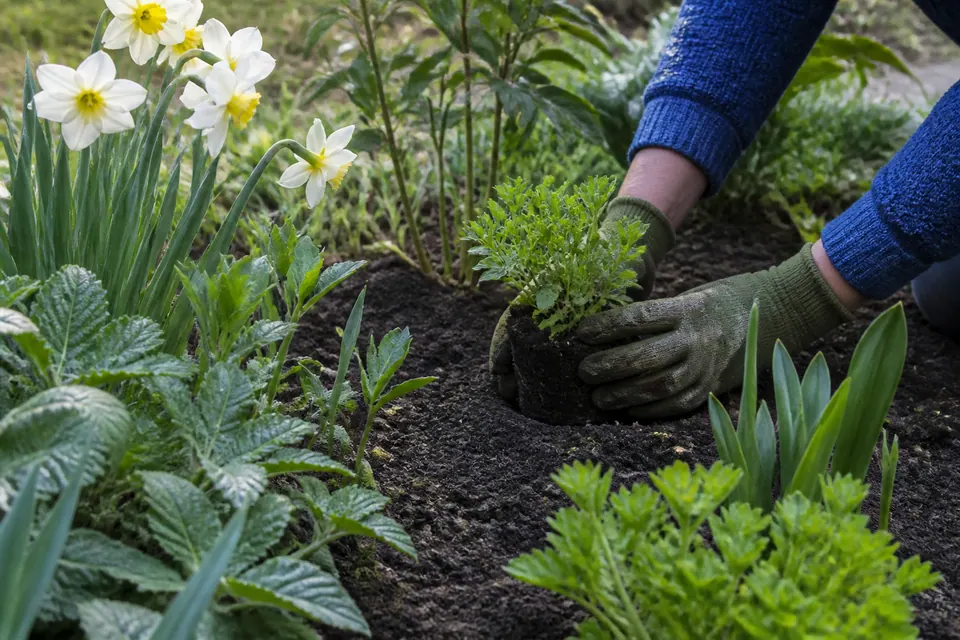
Emerging plants may occupy spaces that appeared bare earlier; identify them before weeding.
Summer
Review how established growth fills the bed before assuming every gap needs an addition.
Autumn
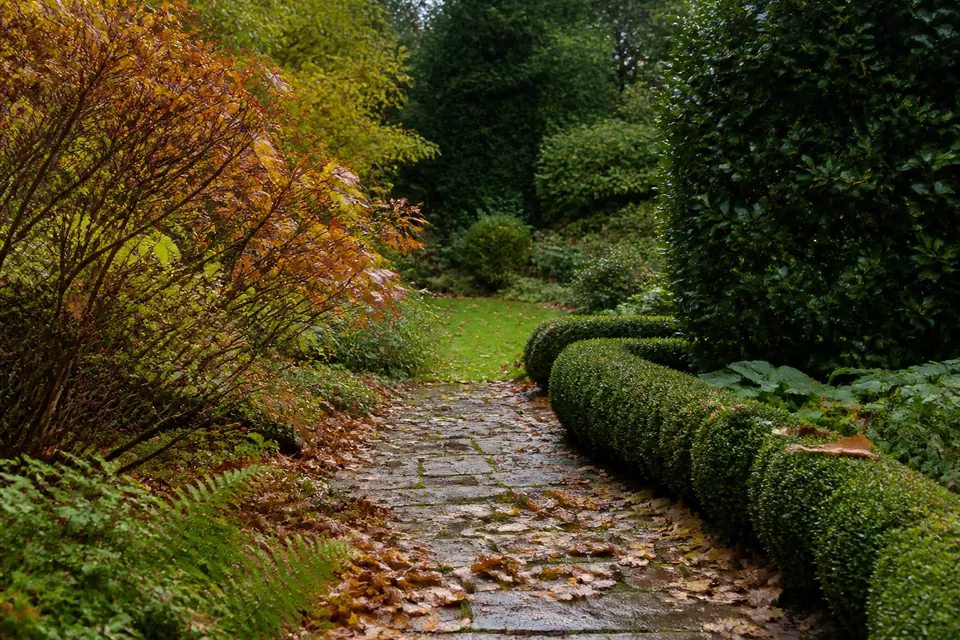
Discuss suitable tidying and retained plants instead of clearing the bed automatically for replacements.
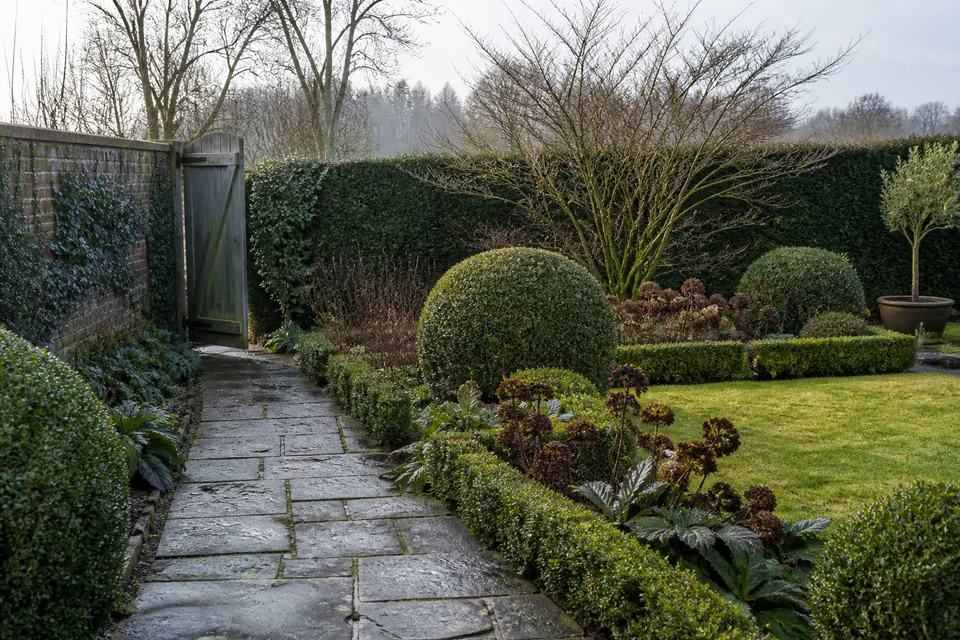
Winter
Use the visible structure to plan questions, while ground conditions may limit active tasks.
WHAT NEEDS ATTENTION BEFORE ADDITIONS?
Choose the existing task before the new idea
TIDY AND PLANT ARE SEPARATE DECISIONS
Garden maintenance
Describe the existing upkeep and proposed additions distinctly. Confirm suitability and supplied materials before purchasing plants.
Read the maintenance scope first ↗AN EXISTING GARDEN CAN REMAIN
A tidy need not include replacement planting
The illustrative sequence is not an Islington planting project or a forecast of your finished bed.
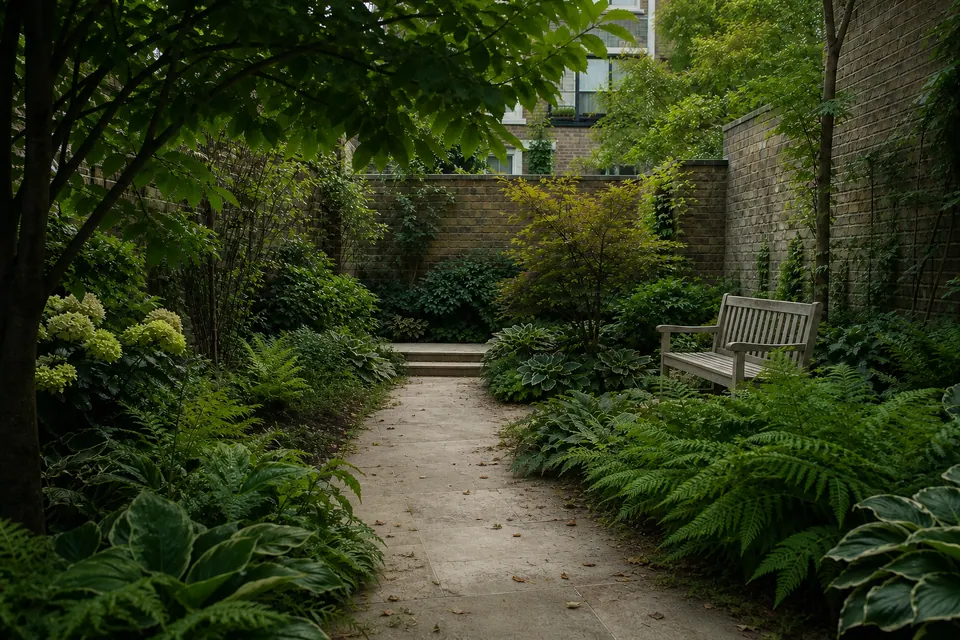
Observe the current arrangement
The planted edge and loose material show the immediate task.
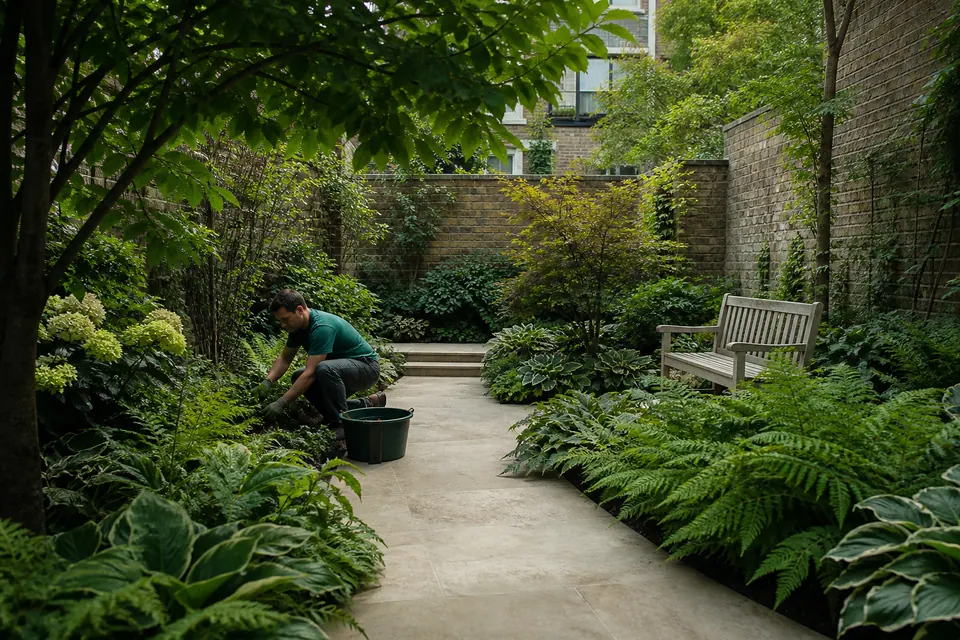
Attend before adding
The example works with existing features rather than replacing them.
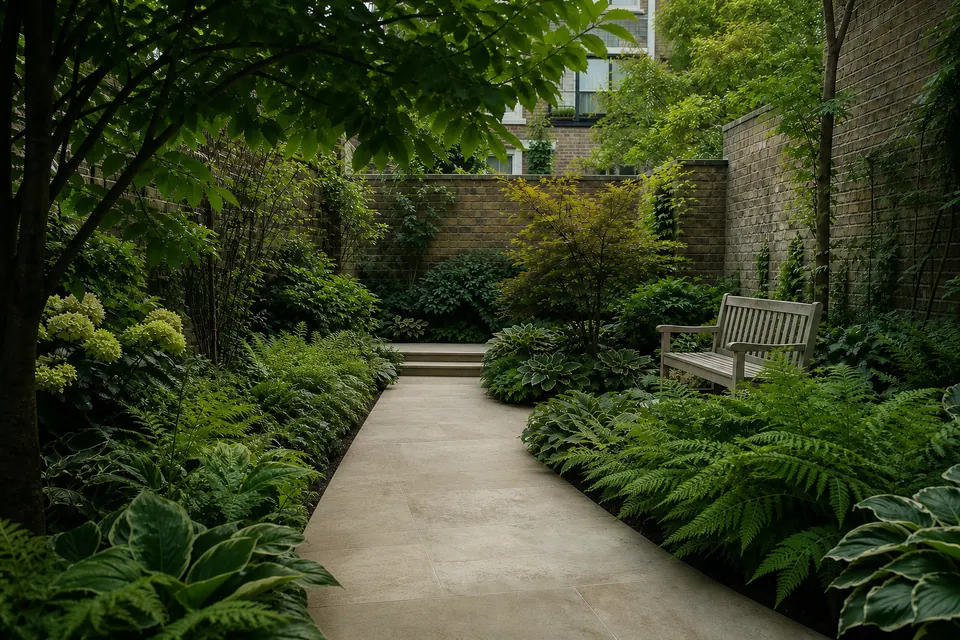
Review the clearer setting
A more defined route leaves later design decisions separate.
BEFORE BUYING PLANTS
Keep the proposed next step separate
- Can tidying happen before planting is decided?
- A defined maintenance stage can be discussed independently of later additions.
- Does bare-looking soil mean available planting space?
- Not necessarily; show surrounding plants and discuss the bed as a whole.
- Can the first visit be upkeep only?
- Yes, state that new planting and materials are excluded for now.
- Could continuing care include new plants later?
- Discuss the addition as a scope change with supply clearly agreed.
- Will cleared growth be removed?
- Only through the confirmed handling arrangement for that stage.
- Should I buy compost in advance?
- Wait until the intended task and material requirements are agreed.
- Does clearance leave a landscaped bed?
- No automatic landscaped finish or replacement planting is implied.
ISLINGTON / PROPERTY AND SUPPLY ROUTE
Confirm the address before arranging the stage
Check attendance for the Islington address and show the garden entrance. If materials are proposed, their practical handling also needs discussion rather than assumption.
Open Islington in Google Maps ↗Gardening services near Islington
PLANTING-PREPARATION QUESTIONS
Islington garden-care enquiries before additions
Can I ask for advice about the gap without buying plants?
Describe the intended purpose and existing bed so the relevant task and suitability questions can be discussed first.
Will the gardener use plants I already purchased?
Do not assume so. Explain what you have and agree suitability and planting scope before attendance.
Should existing bulbs or seasonal plants be marked?
Yes. Record known retained planting even when little is currently visible above ground.
Does weeding include removing every small plant?
No. Identify wanted seedlings and uncertain growth before selective removal is agreed.
Can a new bed be added to a mowing request?
Raise it separately; creating or planting a bed is not automatically included in routine grass care.
Will clearance include fresh compost?
Materials require agreement. A clearance guide should not be read as including supplies for the next stage.
Can the planting idea wait until after a tidy?
Yes. Keep the initial scope bounded and discuss later additions when you are ready.
Are the pictures recommended planting layouts?
No. They illustrate gardening situations and are not site-specific recommendations or Islington customer designs.
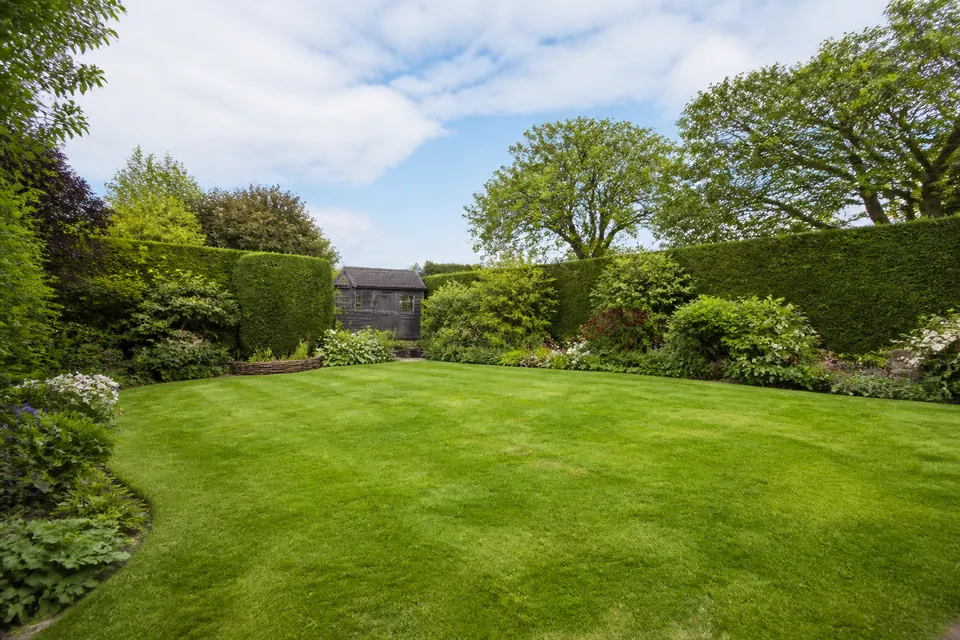
ISLINGTON / UNDERSTAND BEFORE ADDING
Show the bed you already have
Explain the current upkeep and the purpose of any proposed planting. Begin with an agreed first stage.
Call to discuss care before plantingImages are illustrative and do not prescribe plants or layouts for an Islington property.
