
Grass used day to day
Show the cut area and any wear needing separate consideration.
HACKNEY / MORE THAN ONE PURPOSE
A place to sit, a planted patch and an everyday route can share the same outdoor space. Tell us which activities matter before deciding what should be cut, weeded or cleared.
 GARDEN CARE / Hackney
CHOOSE WHAT NEEDS ROOM
PRIORITISE THE FUNCTION
Explain what you want to do in the space, then identify the vegetation or debris preventing it.
Review the maintenance tasks ↗LOOK AT THE RELATIONSHIPS
Show the cut area and any wear needing separate consideration.
Identify useful screening or separation that should remain.
Distinguish herbs, flowers and wanted seedlings before weeding.
Name the route needing debris or growth attention.
Choose a destination that does not displace another essential use.
HACKNEY / LABEL THE ACTIVITIES
If your Hackney garden combines herbs, ornamental planting and seating, label those areas rather than sending an unqualified request to weed everything. Mark plants with personal value and explain where belongings normally stand. Temporary clutter and established growth need different decisions. Choose which activity is most restricted now, then rank the gardening tasks that would help it without erasing another area's purpose.
MAKE ALL INCLUDED ZONES VISIBLE
Send labelled views and a ranked list. Include materials or removal expectations explicitly rather than adding them as implied extras.
The light-clearance guide refers to its assessed removal task, not a package covering every activity area.
See clearance pricing| Service | Details to identify | Guide |
|---|---|---|
| Routine garden maintenance | Included zones and their different upkeep needs | Quote after assessment |
| Lawn mowing & edging | Grass use, condition and practical mowing requirements | Quote after assessment |
| Hedge & shrub trimming | Plant function, dimensions and proposed suitable attention | Quote from photographs / assessment |
| Small green-waste collection | Green material quantity and agreed holding point | From £40 |
| Light garden clearance | The chosen patch and specific removal contents | Typically £100–£300 |
| Large overgrown garden | Density and extent of the substantial clearance request | From £500 |
Tending a planted patch and clearing space for seating are not automatically the same job. Name both so their scope can be assessed together.
CARE THAT RECOGNISES DIFFERENT USES
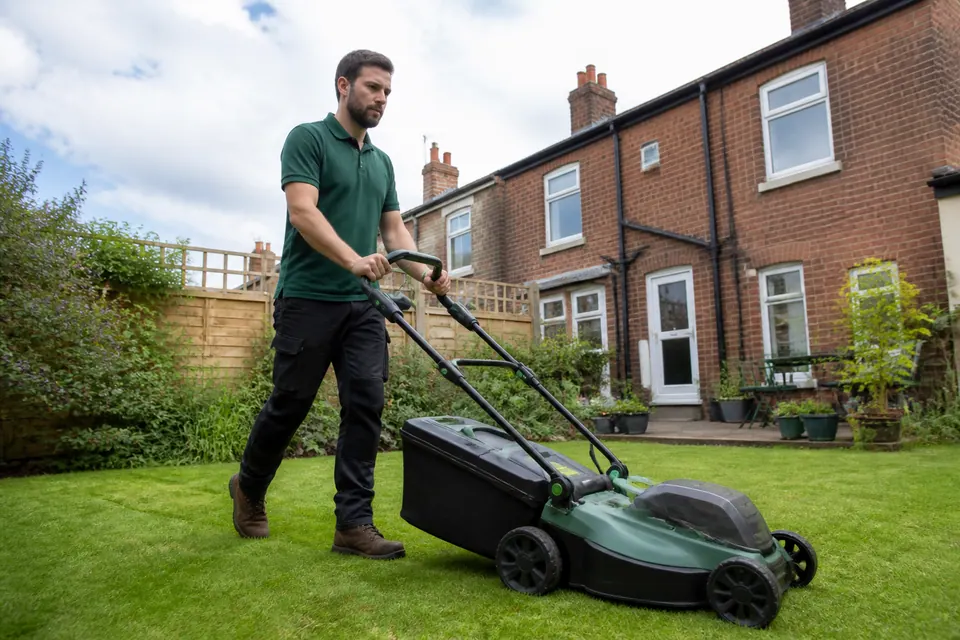
Identify grass used for sitting or movement and distinguish ordinary cutting from concerns about wear.
Explore lawn care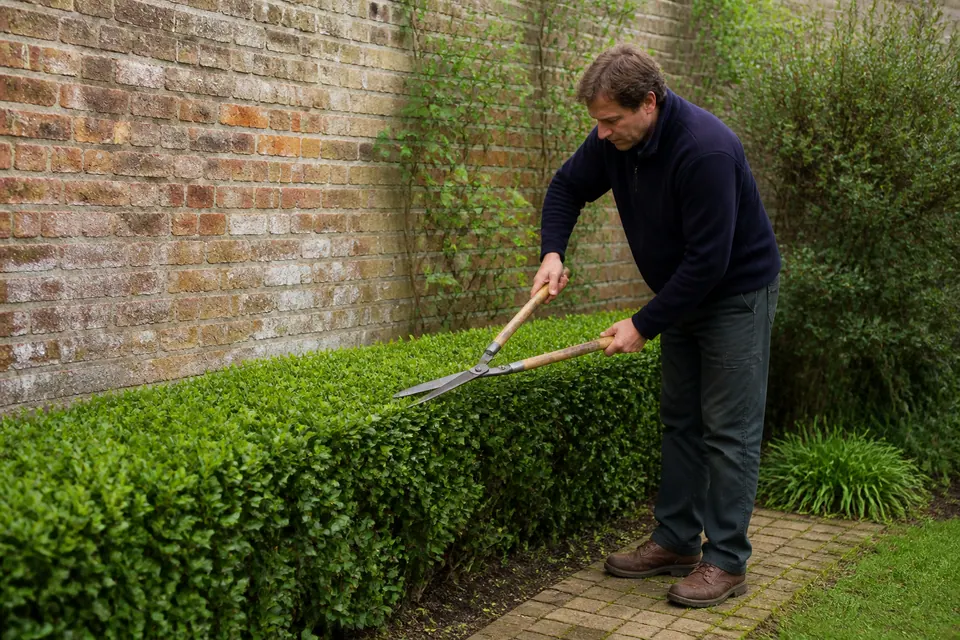
Explain where shrubs interfere with an activity while marking the structure you still value.
Explore hedges & shrubs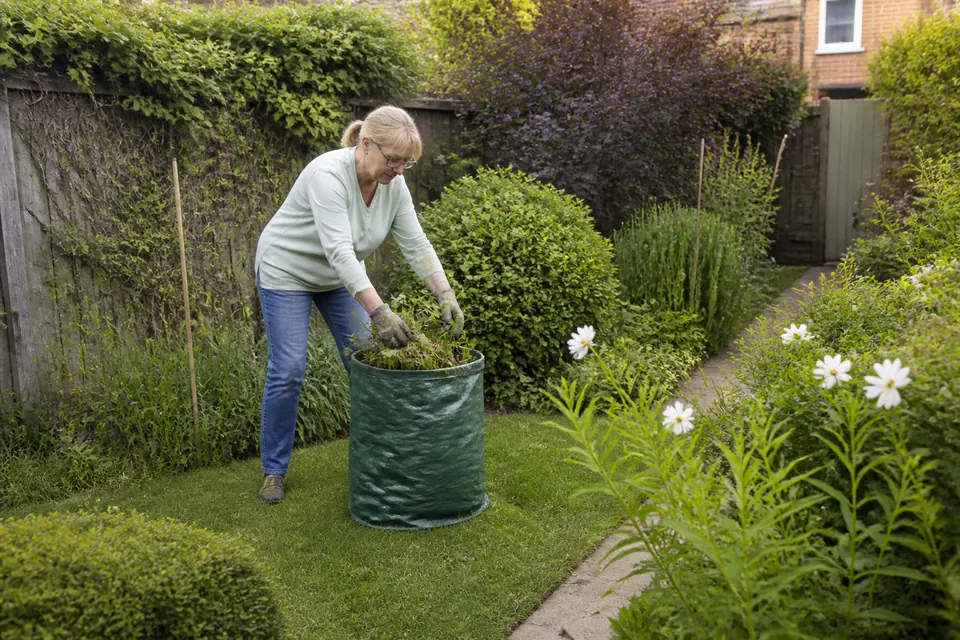
Reclaim a specifically nominated patch, not every area that happens to contain stored or informal-looking material.
Explore garden clearanceSelective bed care and seasonal attention can follow different instructions in different zones.
Explore garden maintenanceACTIVITIES AND GROWTH BOTH CHANGE
The most useful task can change without requiring a different overall purpose for the space.
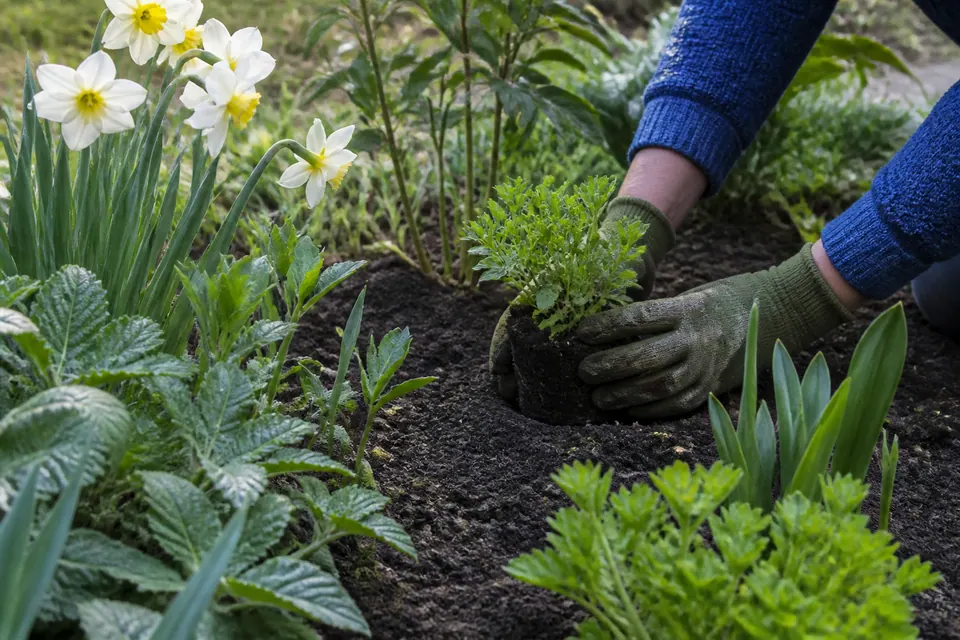
Identify emerging wanted plants before clearing around the different patches.
Review encroachment into seating or movement areas with plant suitability in mind.
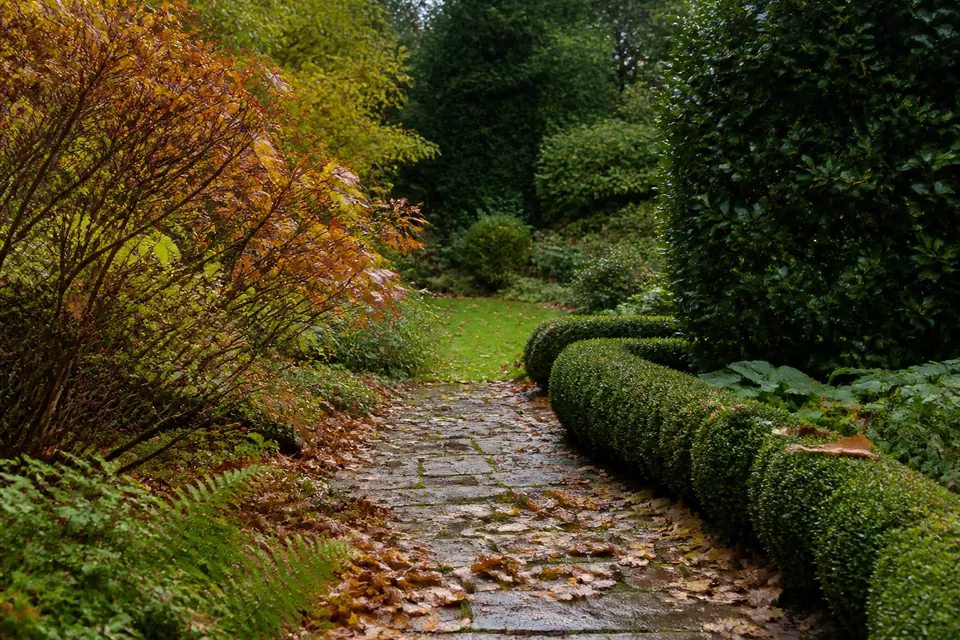
Prioritise fallen material around the activities still in regular use.
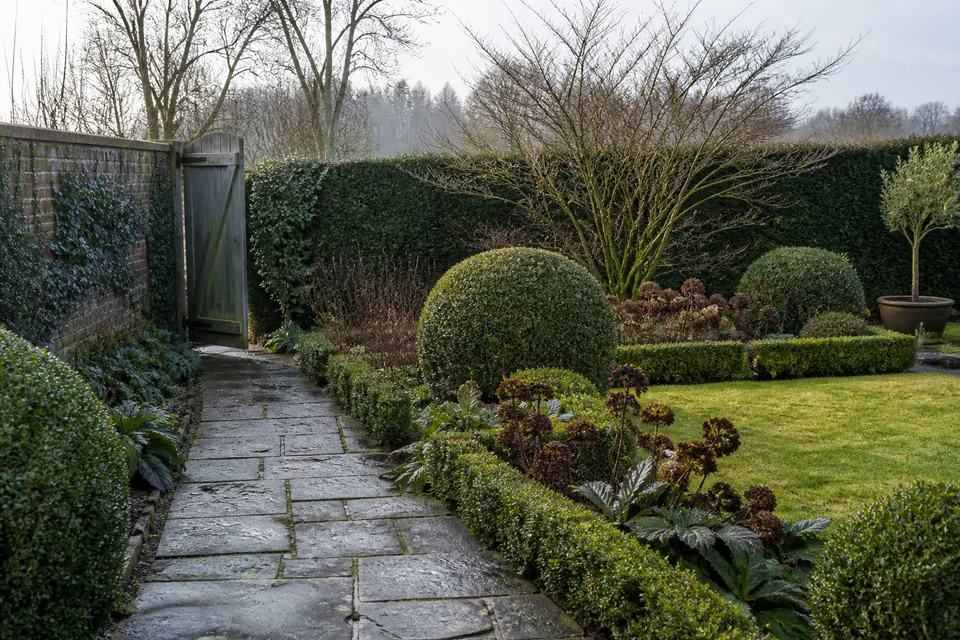
Consider future needs while ground conditions may limit practical tasks.
A SELECTED CHANGE, NOT A NEW DESIGN
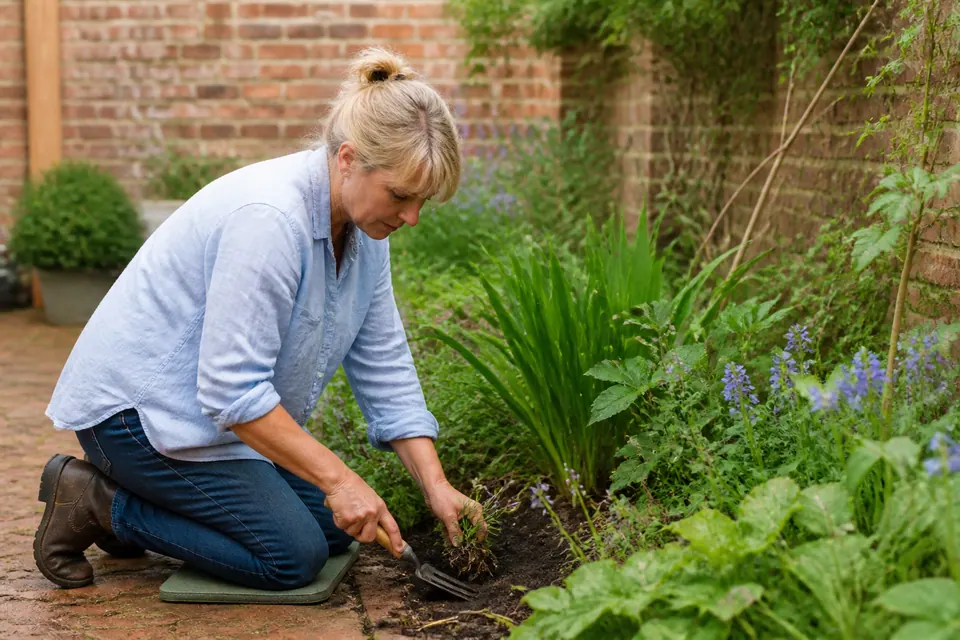
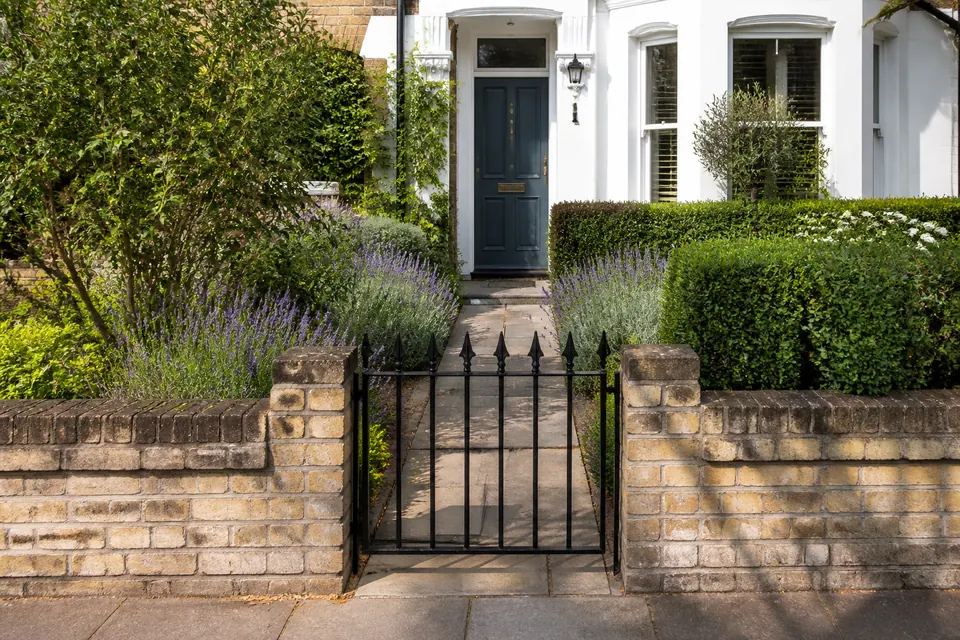
The pictured sequence illustrates gardening attention, not a Hackney customer makeover or guaranteed result.
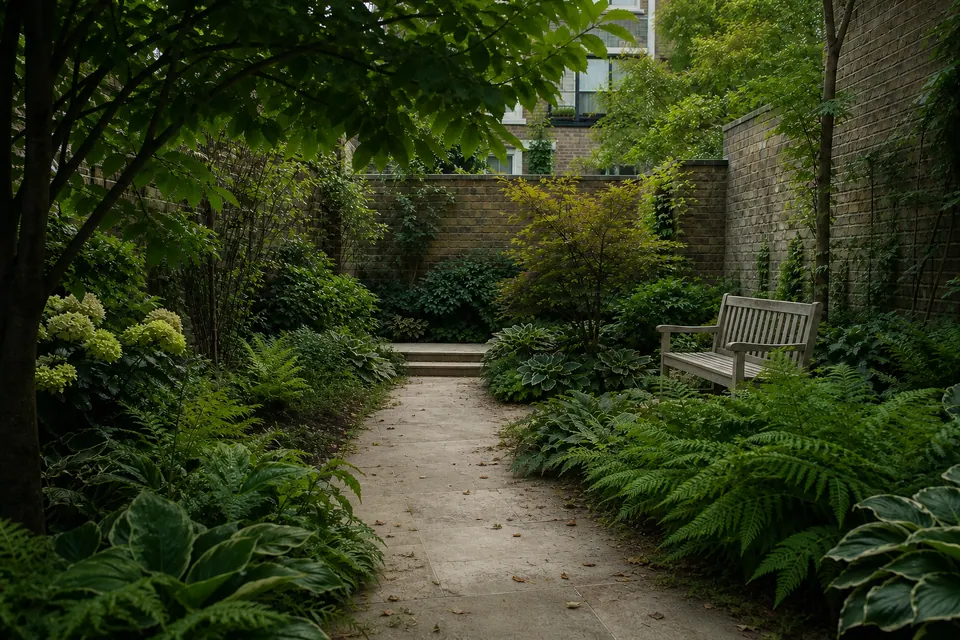
Planting and route share the same small setting.
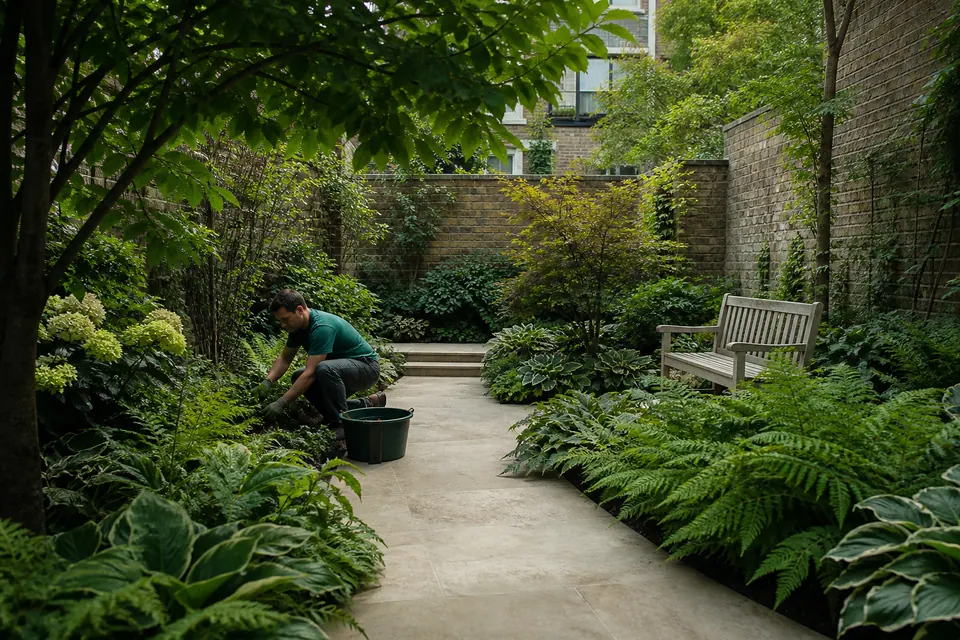
Border attention and gathering material form the example task.
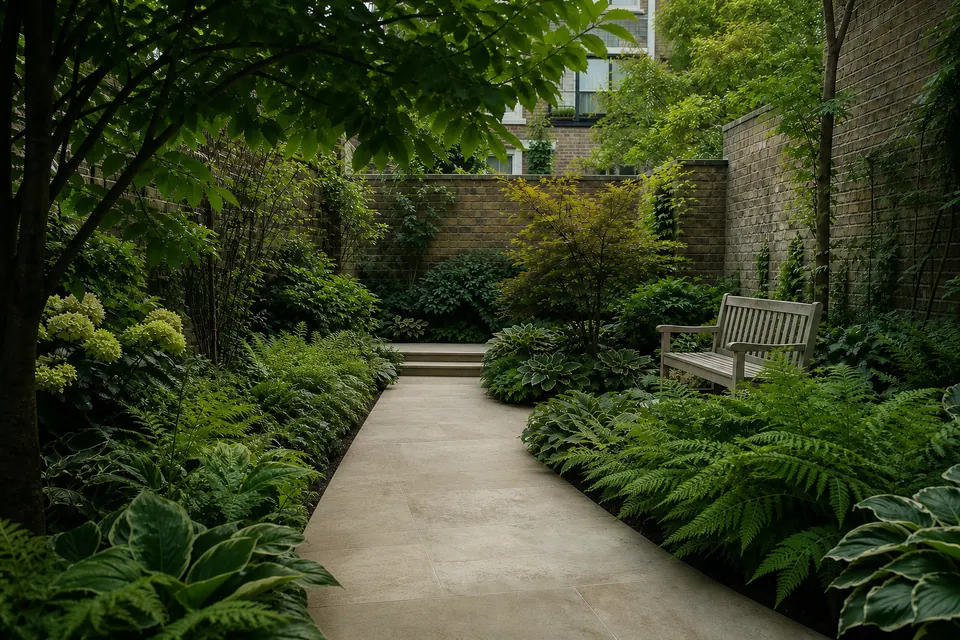
The passage reads more clearly without replacing every feature.
MULTI-USE BRIEF CHECK
ONE RESTRICTED USE OR ONGOING BALANCE
| Visit choice | One-off gardening | Regular maintenance |
|---|---|---|
| Best for | Making one nominated activity easier | Supporting the agreed balance between areas |
| Frequency | A bounded appointment with a clear objective | A reviewed rhythm for different seasonal needs |
| Scope | Immediate tasks and protected zones | Defined responsibilities across the included activities |
MATCH THE TASK TO THE ZONE
| Service | Area's purpose | Attention to describe |
|---|---|---|
| Garden maintenance | Support several existing activities | Selected weeding and seasonal upkeep in named zones |
| Lawn care | Keep the grass area manageable | Suitable mowing and defined edges, not assumed repair |
| Hedges & shrubs | Retain useful separation or screening | Appropriate shaping around a stated function |
| Garden clearance | Return an unused patch to consideration | Listed removal with belongings and retained plants excluded |
EXPLAIN WHAT THE SPACE DOES
Show seating, planted patches and routes in context.
Rank tasks without sacrificing another retained use.
Review plants and ground before undertaking affected attention.
Check the agreed improvement and note any later decisions.
Alesta's routine gardening is separate from landscape redesign, major tree operations and specialist treatments. Keep larger ambitions distinct from the current task list.
Read how Alesta plans gardening workSHARED-PURPOSE QUESTIONS
Yes. Mark it clearly, including any route through it, so its exclusion is understood.
Include its normal position if it explains the layout. Agree any preparation instead of assuming furniture handling.
Describe the intended contrast and mark boundaries so different instructions are not confused.
Number them in photographs and state that they should remain, even if their names are uncertain.
Not necessarily. Ordinary cutting and assessment of worn grass are separate concerns.
Plant choice, supply and planting need agreement; they are not automatic additions to a tidy.
Consolidate the decisions into one ranked brief before attendance to avoid contradictory instructions.
No. They illustrate gardening situations rather than verified customer layouts or outcomes.
HACKNEY / ENTRY TO THE INCLUDED AREAS
Check attendance for the Hackney property and explain the entrance. Identify any areas that must remain available during the proposed visit so arrangements can be discussed.
Open Hackney in Google Maps ↗HACKNEY / START WITH THE ACTIVITY
Label the different uses and identify the first practical obstacle. Build the gardening request from there.
Call about balancing your outdoor areasThe pictures are illustrative and do not document Hackney customer garden projects.
