
Adjacent lawn edge
Identify the grass task beside the boundary.
BROMLEY / LOOK ABOVE AND BELOW THE HEDGE
A hedge request can involve its outline, the bed beneath it and the cuttings afterwards. Describe those elements separately so suitable trimming is not confused with lower-bed care or a general boundary clearance.
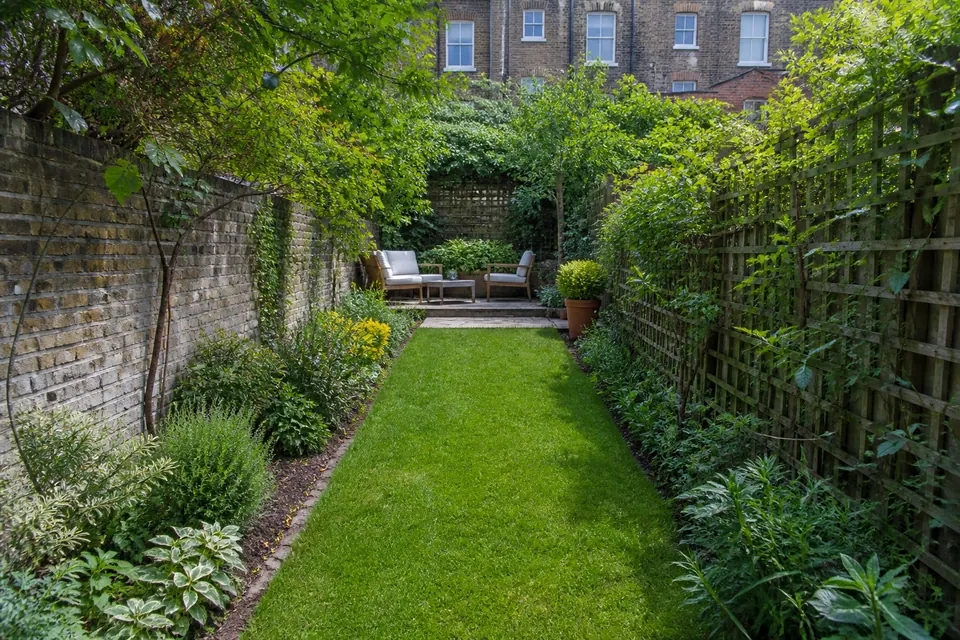
READ THE BOUNDARY IN LAYERS
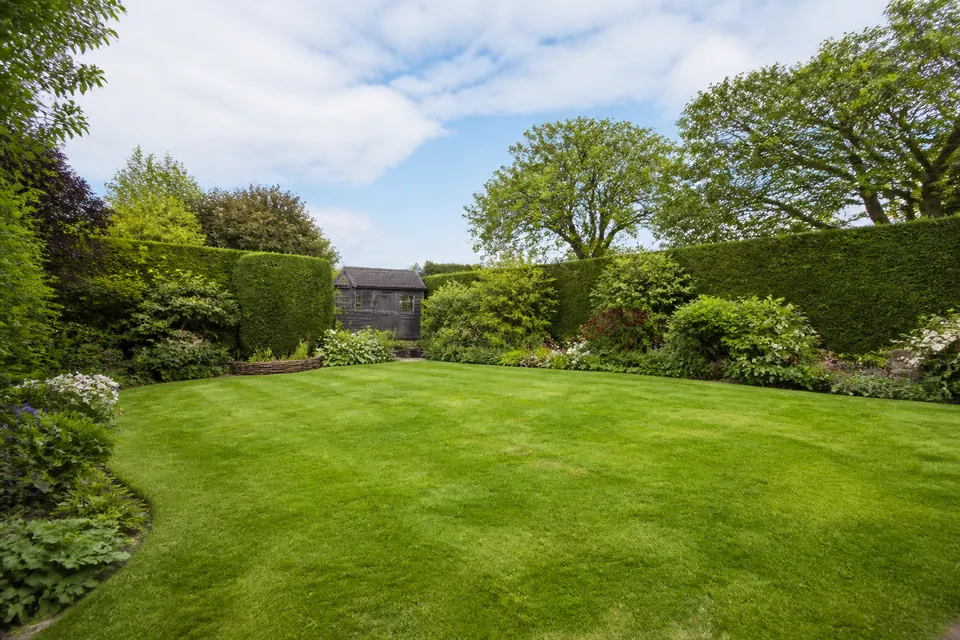
Identify the grass task beside the boundary.
Describe suitable shaping and retained function.
Mark wanted growth before selective weeding.
Explain permitted access and surrounding obstacles.
Distinguish fresh cuttings from existing accumulated material.
QUOTE ALL INCLUDED LAYERS
Show height, depth, base condition and the working side. Confirm trimmings handling and any separate lower-bed attention.
The light-clearance guide is not a hedge-trimming tariff or an automatic allowance for every task beneath it.
See clearance pricing| Service | Details needed for assessment | Guide |
|---|---|---|
| Routine garden maintenance | Lower-area tasks and continuing upkeep needs | Quote after assessment |
| Lawn mowing & edging | Adjacent grass extent and mowing requirements | Quote after assessment |
| Hedge & shrub trimming | Hedge dimensions, suitable shaping and generated cuttings | Quote from photographs / assessment |
| Small green-waste collection | Green material quantity and collection route | From £40 |
| Light garden clearance | Specified lower growth and disposal contents | Typically £100–£300 |
| Large overgrown garden | Extent and density of any substantial overgrowth | From £500 |
If weeding or existing debris matters, list it alongside the hedge attention. The quote should explain which layers are included.
BROMLEY / INCLUDE THE BASE IN THE PHOTOGRAPH
If a Bromley hedge has planting, weeds or accumulated material beneath it, show that lower area as well as the outline above. Identify plants you want retained and distinguish base weeding from trimming. Explain the permitted working side and any concern about height or reach without assuming ordinary gardening covers major tree operations. The resulting cuttings also need an agreed destination.
SELECTED SHAPING OR BROADER BOUNDARY UPKEEP
| Visit choice | One-off gardening | Regular maintenance |
|---|---|---|
| Best for | Completing specifically agreed suitable attention | Maintaining the nominated lower area over time |
| Frequency | One assessed boundary appointment | A reviewed rhythm with trimming considered separately |
| Scope | Included layers and retained plants | Defined base-care duties and periodic shaping decisions |
OUTLINE, BASE, CONDITIONS, MATERIAL
Include the permitted working side.
Mark retained plants and existing debris.
Plant condition and nesting activity may change the task.
Confirm the agreed attention and material handling.
Alesta's routine gardening does not imply major tree operations, landscaping or specialist treatment; flag those concerns separately.
Read how Alesta plans gardening workWHICH LAYER NEEDS ATTENTION?
A LAYERED TASK LIST
Describe the hedge, lower planting and material separately. Agree which elements are included rather than relying on “tidy the boundary”.
Explore surrounding maintenance tasks ↗TRIMMING IS NOT THE WHOLE BOUNDARY
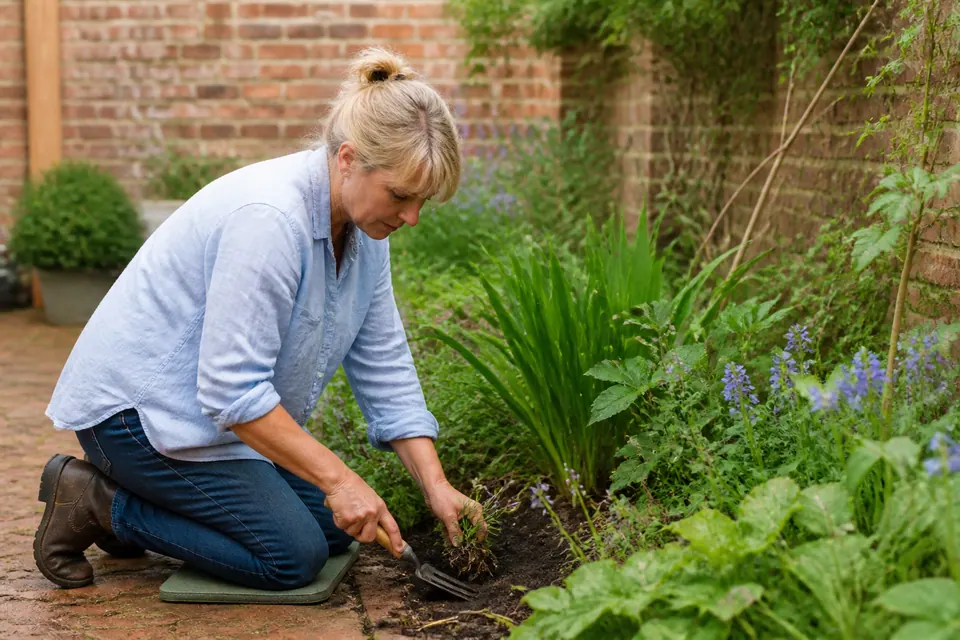
If grass runs beside the hedge, identify its mowing edge independently.
Explore garden maintenance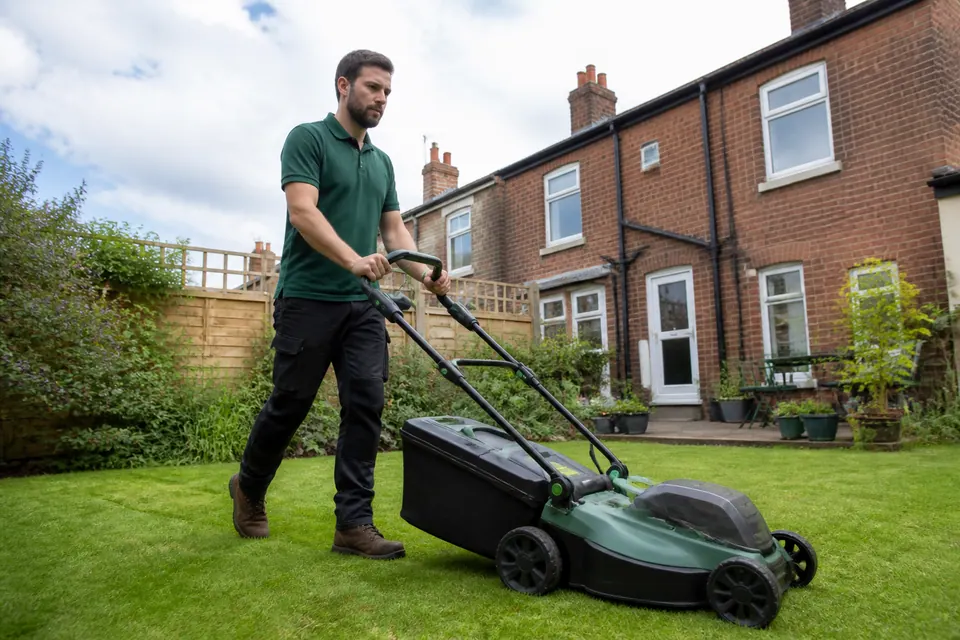
Show dimensions and the desired suitable shape, with safe reach and plant condition assessed.
Explore lawn care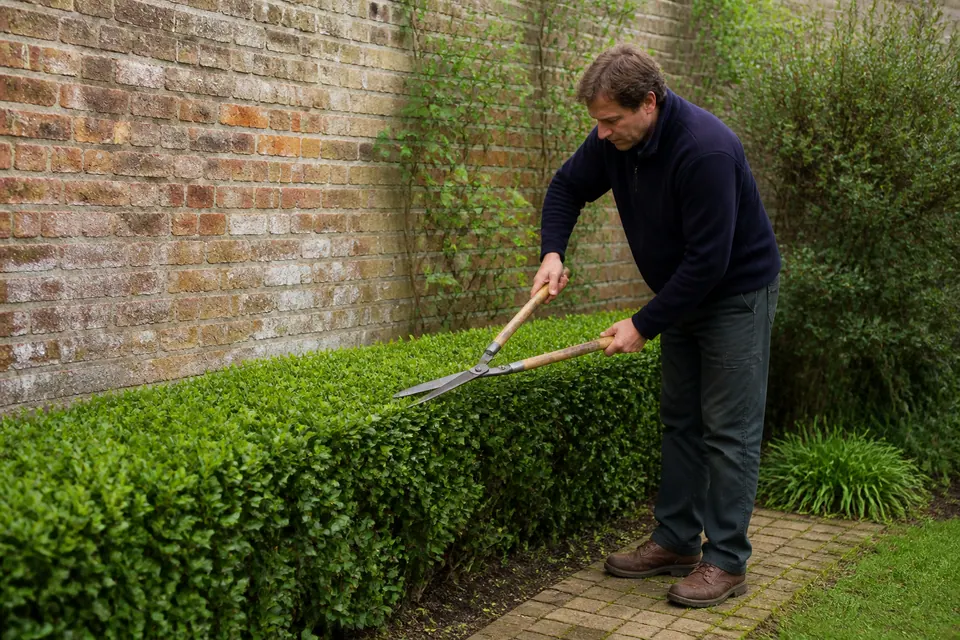
Mark genuinely unwanted growth beneath or beside the hedge without including retained plants automatically.
Explore hedges & shrubs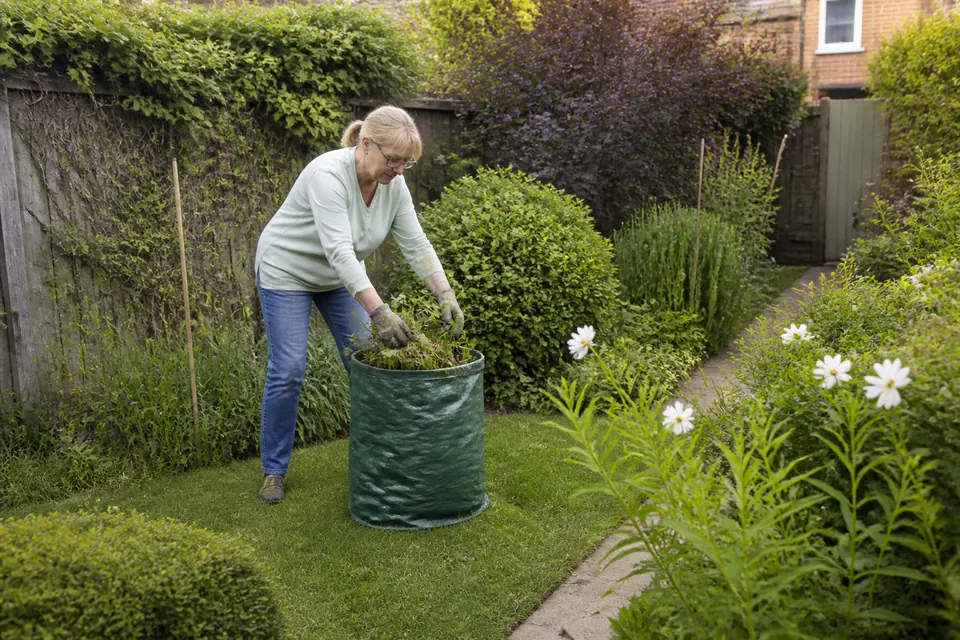
Selective weeding and seasonal gathering at the base can be a separate maintenance priority.
Explore garden clearanceKEEP THE LAYERS EXPLICIT
| Service | Layer concerned | Attention to specify |
|---|---|---|
| Garden maintenance | The lower planted area | Selective weeding and suitable seasonal gathering |
| Lawn care | Grass beside the boundary | Appropriate mowing and defined edges |
| Hedges & shrubs | The established hedge outline | Assessed shaping within suitable limits |
| Garden clearance | Nominated unwanted lower growth | Listed removal with retained base plants marked |
THE HEDGE AND BASE MAY DIFFER
Plant type, condition and nesting activity influence suitable attention.
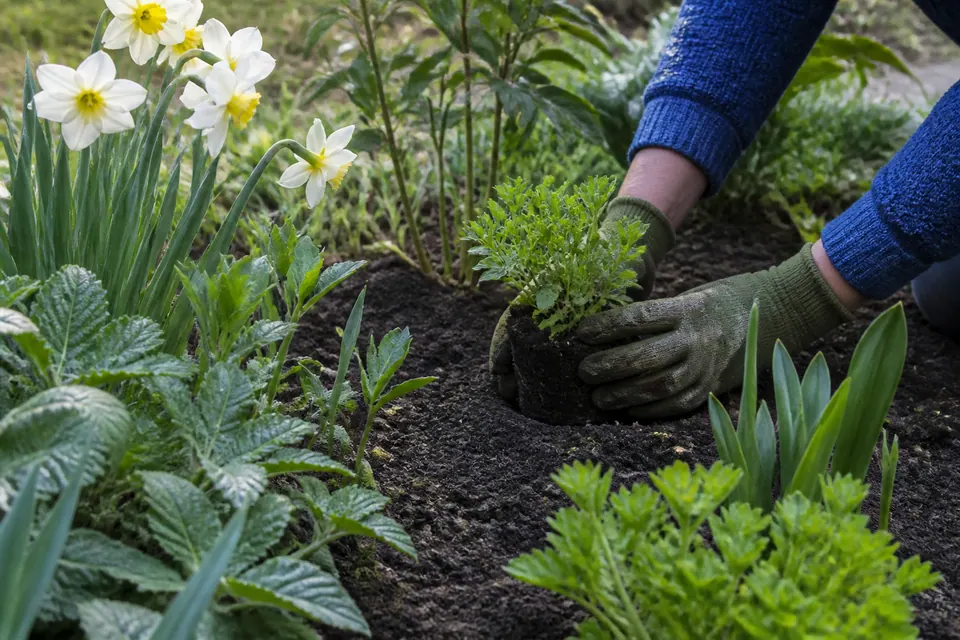
Identify wanted lower growth before base weeding.
Check whether shaping is appropriate for the hedge now.
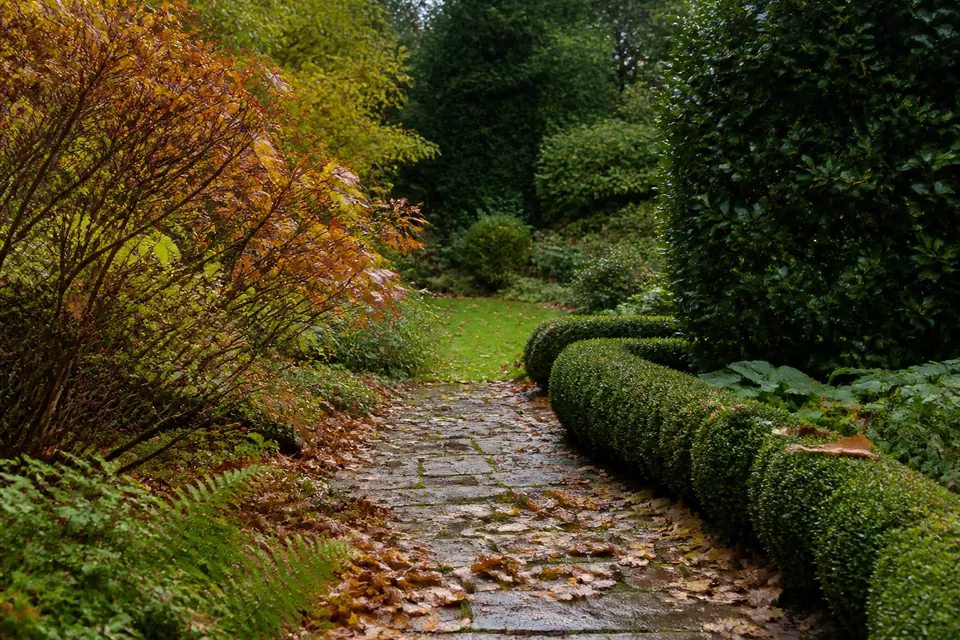
Separate leaf gathering beneath the hedge from proposed reduction.
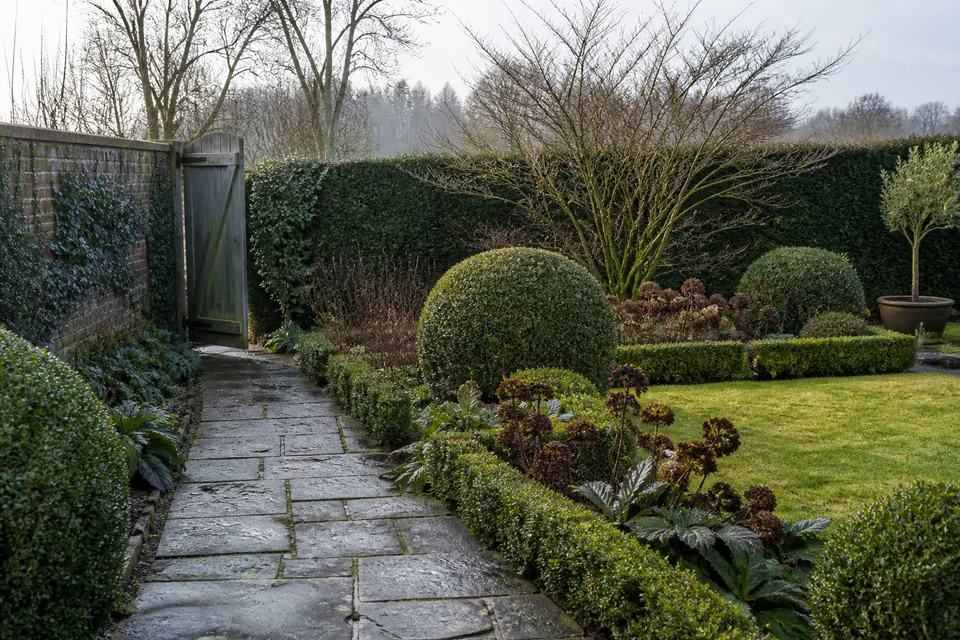
Review structure without assuming every dormant-looking plant needs cutting.
AN EXAMPLE OF SELECTED ATTENTION
These illustrative scenes are not a Bromley hedge-trimming case or a promised boundary result.
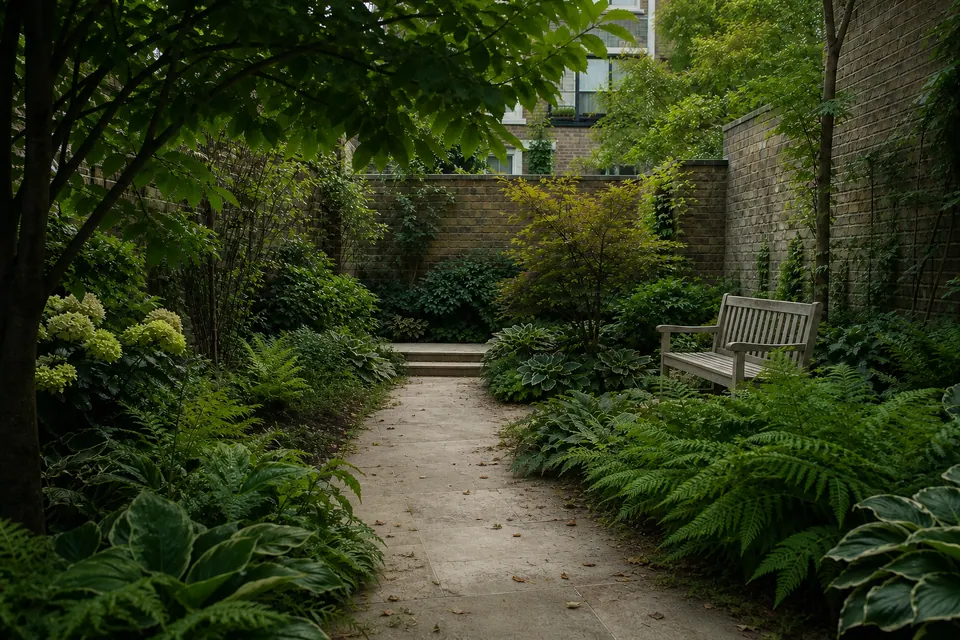
The example shows existing planting beside loose material.
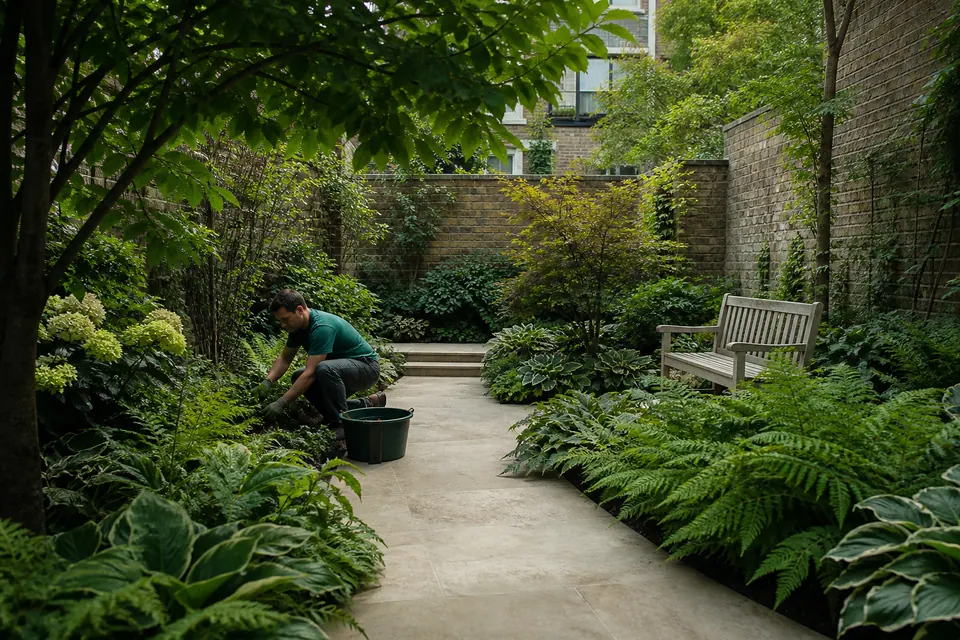
Border care and gathering debris define the pictured task.
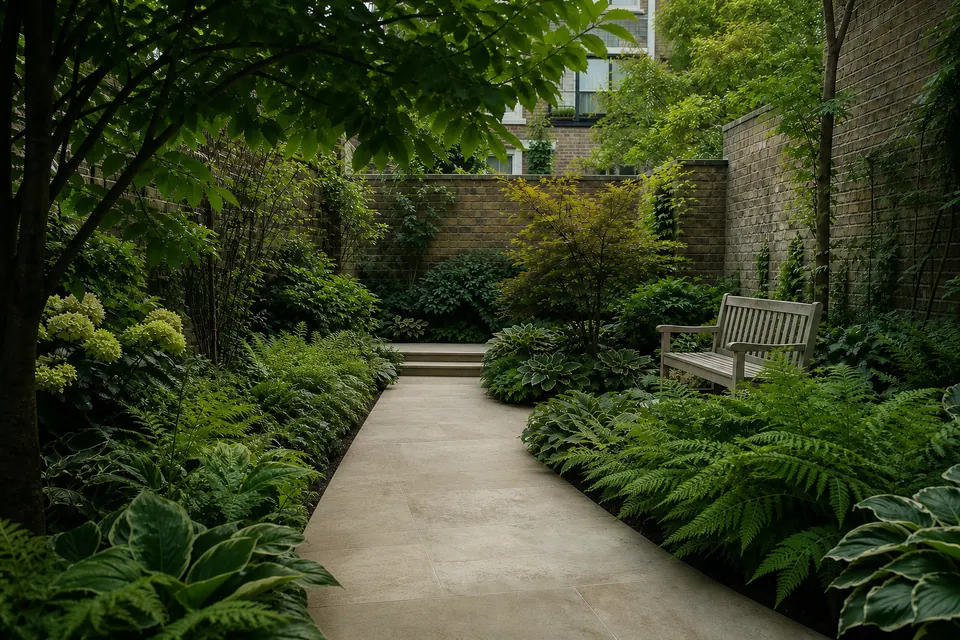
A clearer route does not imply major boundary alteration.
BOUNDARY-LAYER CHECK
BROMLEY / THE PERMITTED WORKING SIDE
Check attendance for the full Bromley address and explain the authorised working route. The map cannot establish reach, boundary permission or obstacles.
Open Bromley in Google Maps ↗HEDGE-AND-BASE QUESTIONS
It reveals lower planting and existing material that a foliage-only view may hide.
Mark them as retained and distinguish them from the base-weeding request.
Only through the agreed handling arrangement; onsite retention and removal are different options.
No. Plant condition and suitable working limits need assessment before attention is agreed.
List it as another task so the assessment covers all intended layers.
Explain the permitted side and desired work rather than assuming access through adjoining land.
Describe it separately so the handling scope accounts for existing material accurately.
No. They are illustrations, not Bromley customer records or proof of a particular working capability.
BROMLEY / SHOW THE OUTLINE AND THE BASE
Share the hedge, lower planting and material details to discuss a clear combined brief.
Call about hedge and base-area careIllustrations do not establish working reach or document Bromley customer hedge projects.
