

Spring
Identify emerging wanted plants in the frontage beds.
HARROW / DEFINE THE PLANTED FRONTAGE
A front boundary can combine shrubs, a grass strip and a small bed, each needing a different instruction. Show the whole line and explain which planting should retain its shape, screening or character.
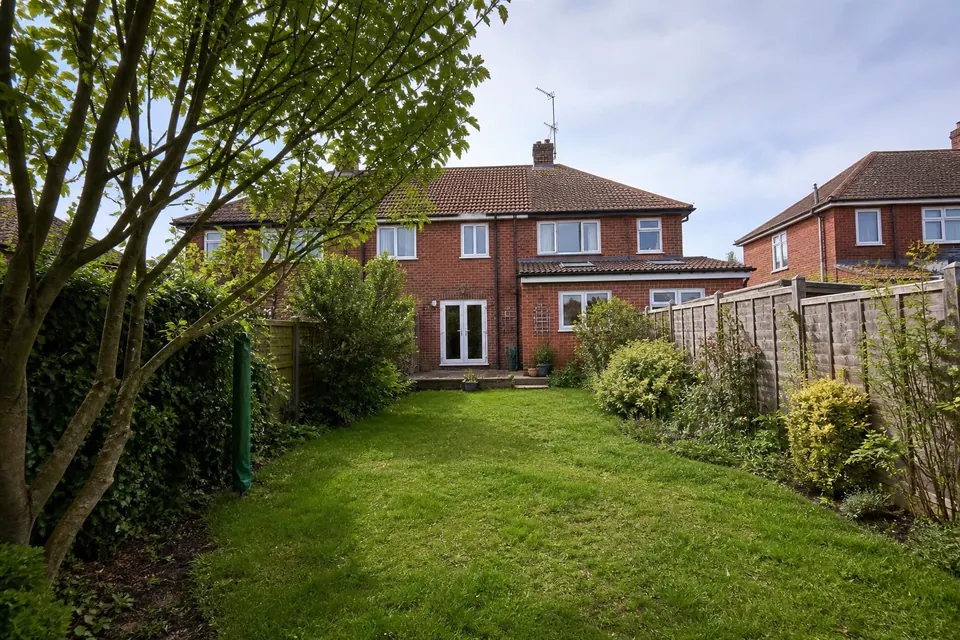
FRONTAGE PLANTS STILL NEED INDIVIDUAL JUDGMENT
The current plants and conditions determine appropriate attention along the boundary.
Identify emerging wanted plants in the frontage beds.
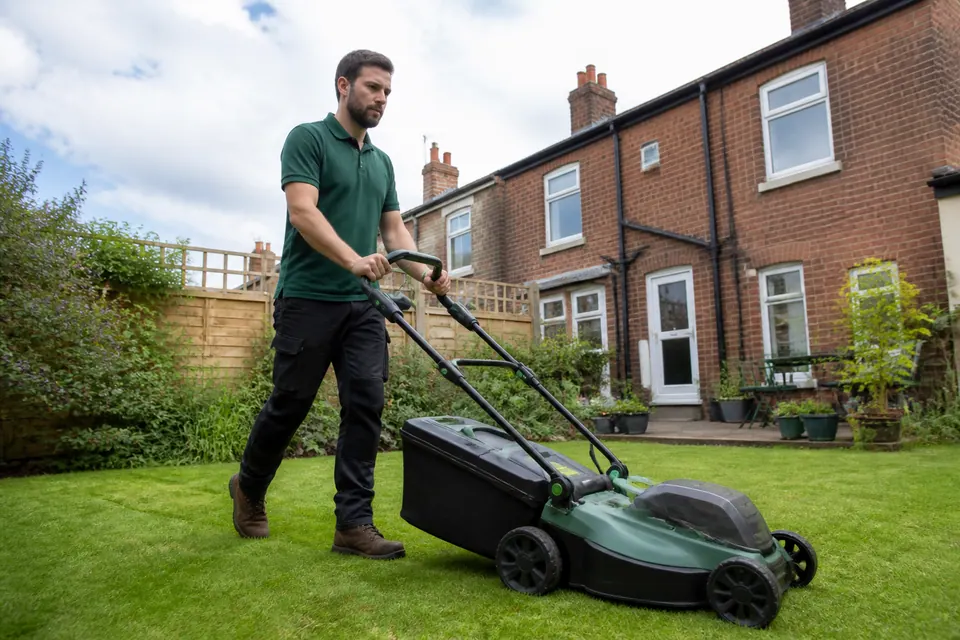
Review suitable shrub shaping rather than uniform reduction.
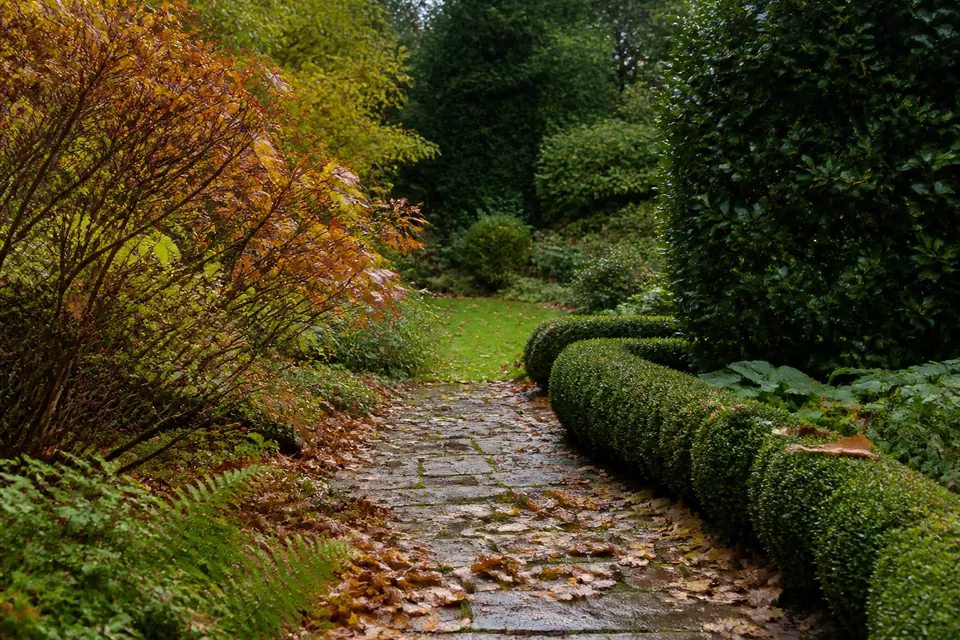
Specify leaf gathering without assuming all standing growth is unwanted.
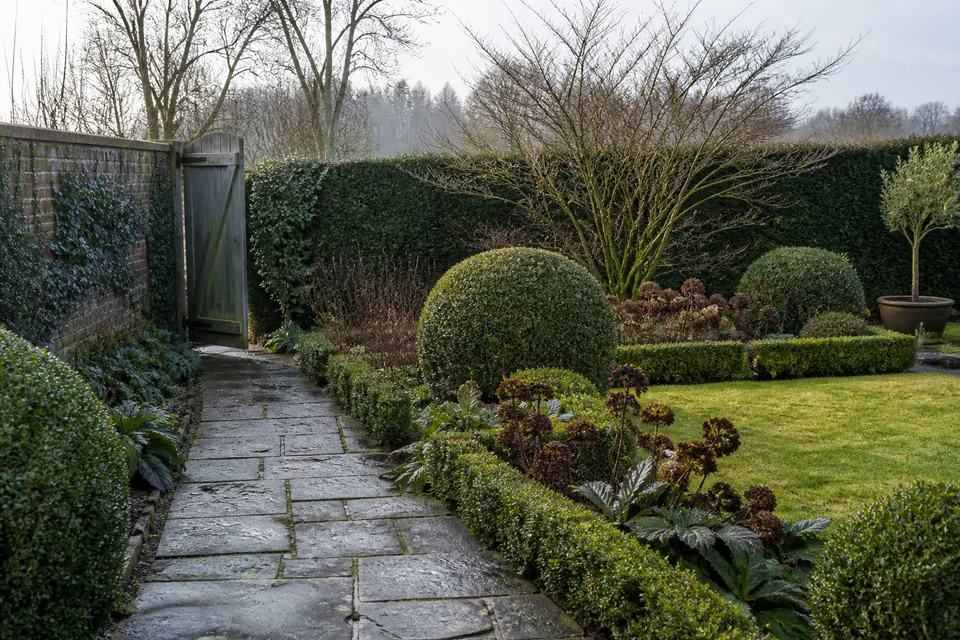
Ground limitations may affect grass and bed tasks differently.
LIVING PLANTS AND STRUCTURES ARE DISTINCT
| Service | Frontage element | Gardening scope |
|---|---|---|
| Garden maintenance | Small beds and seasonal needs | Selective weeding and appropriate tidying |
| Lawn care | The defined grass strip | Suitable mowing and agreed edge attention |
| Hedges & shrubs | Named boundary shrubs | Plant-aware shaping with retained form identified |
| Garden clearance | Specified unwanted growth | Listed removal without implied structural changes |
READ THE FRONTAGE ELEMENT BY ELEMENT
Identify the intended mowing and edging limits.
Mark retained shape and suitable attention requested.
Distinguish wanted plants from weeds clearly.
Separate debris attention from repairs or washing.
Agree a material destination appropriate to the included tasks.
HARROW / SHOW THE WHOLE PLANTED LINE
If the front of your Harrow property combines different planted elements, photograph the full line and add closer views of the priorities. Mark plants to retain and explain the intended grass edge. Establish responsibility where the boundary is shared. Gardening attention should remain distinct from fence repairs, new edging or paving work, even when those features sit within the same photograph.
QUOTE THE PLANTED ELEMENTS CLEARLY
Show the full line and close priorities. Confirm materials and removal separately from any fence or paving expectations.
The light-clearance guide is not a frontage refurbishment price and does not automatically include repairs or replacement features.
See clearance pricing| Service | Details for assessment | Guide |
|---|---|---|
| Routine garden maintenance | Included beds and seasonal priorities | Quote after assessment |
| Lawn mowing & edging | Grass-strip dimensions and edge requirements | Quote after assessment |
| Hedge & shrub trimming | Individual shrub sizes and suitable attention | Quote from photographs / assessment |
| Small green-waste collection | Green material quantity and collection route | From £40 |
| Light garden clearance | The marked unwanted vegetation and disposal contents | Typically £100–£300 |
| Large overgrown garden | Extent and density of substantial overgrowth | From £500 |
If a fence, hard edge or paved approach needs separate attention, say so. Routine gardening should not be mistaken for a full frontage-renewal package.
FRONTAGE CHECK
CHOOSE THE FRONTAGE PRIORITY
A SEPARATE INSTRUCTION FOR EACH ELEMENT
Identify grass, shrubs and beds individually so a frontage tidy does not become an ambiguous all-purpose request.
Read the maintenance task boundaries ↗THE FRONTAGE IS NOT ONE UNIFORM TASK
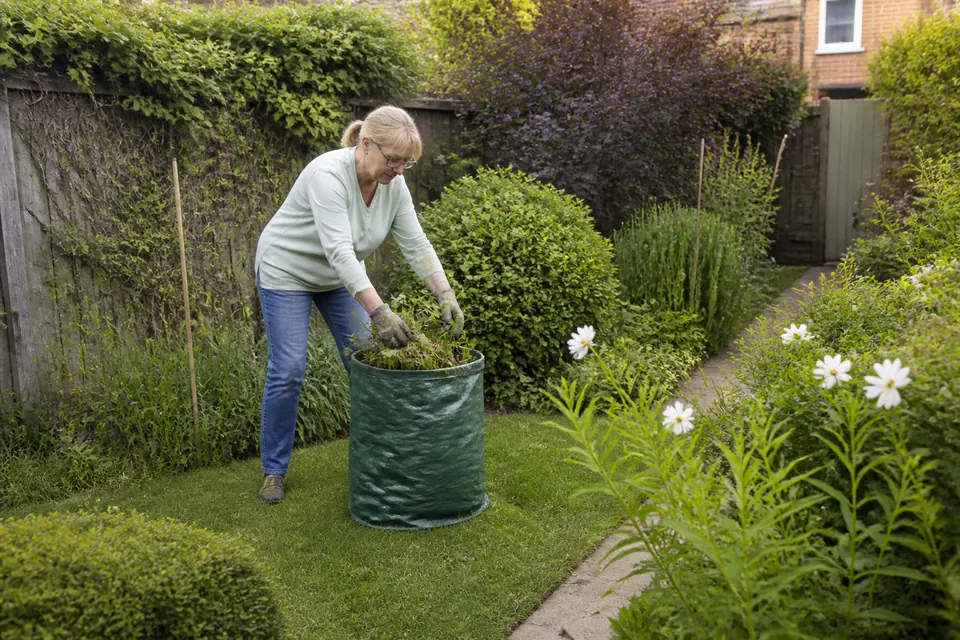
Identify the grass strip and its perimeter rather than assuming every visible surface is lawn care.
Explore garden clearance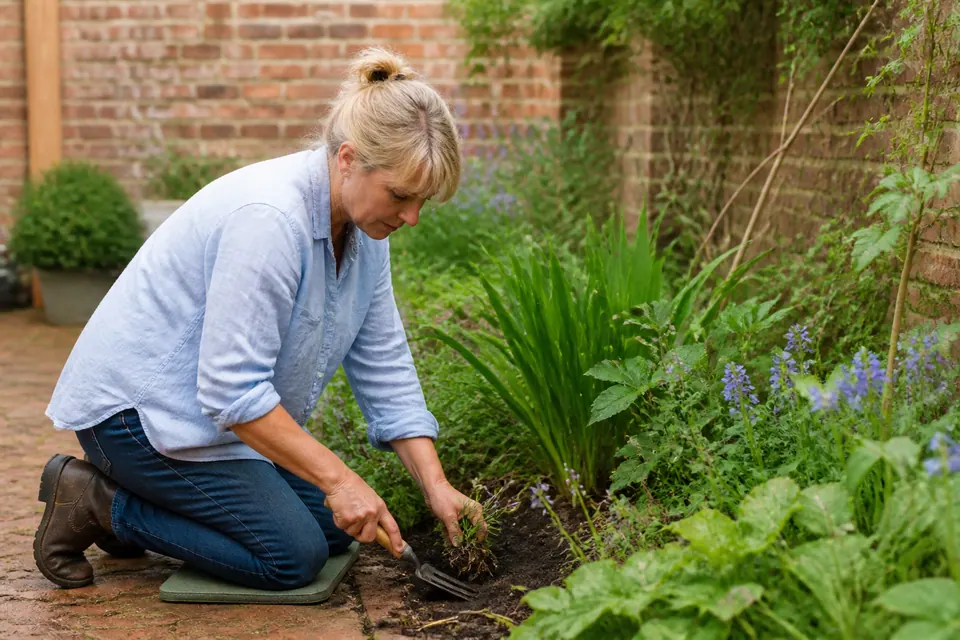
Describe suitable shaping for the retained shrubs without prescribing one treatment for the whole line.
Explore garden maintenanceMark unwanted vegetation and green material separately from fences, edging and other retained features.
Explore lawn care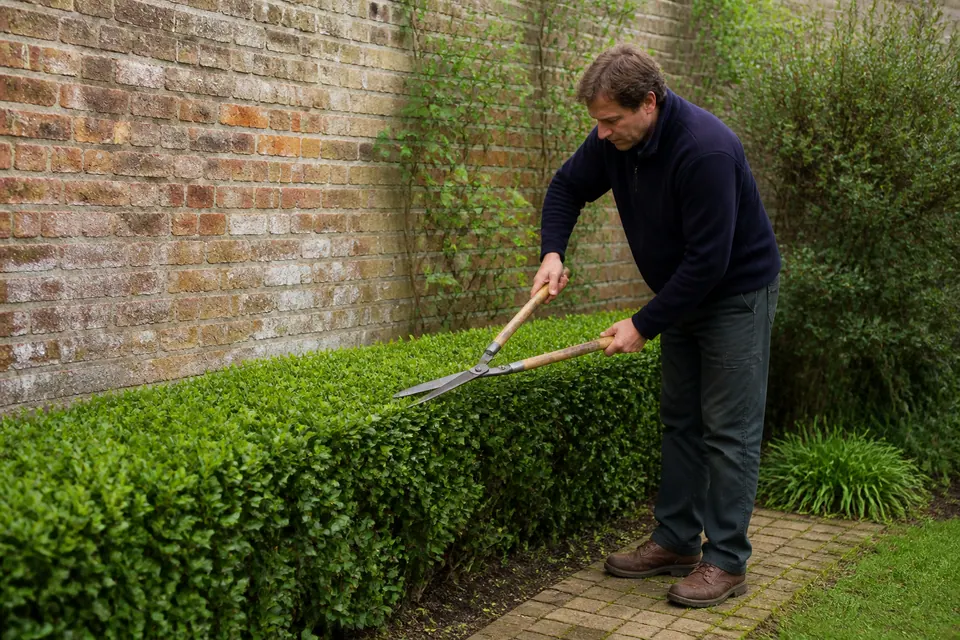
Selective weeding and seasonal tidying can support the planted frontage while leaving structural tasks outside the brief.
Explore hedges & shrubsOVERVIEW, ELEMENTS, SUITABILITY, REVIEW
Include both ends and the relevant approach.
Separate shrubs, grass and beds from structures.
Actual plant and ground conditions guide the tasks.
Keep completed gardening distinct from repair expectations.
Alesta's routine gardening remains separate from landscaping, major tree operations, specialist treatments and structural repairs.
Read how Alesta plans gardening workA FRONTAGE TIDY OR CONTINUING PRESENTATION
| Visit choice | One-off gardening | Regular maintenance |
|---|---|---|
| Best for | Addressing the named current frontage tasks | Maintaining agreed plants and grass over time |
| Frequency | One bounded appointment | A reviewed rhythm based on plant needs |
| Scope | Selected elements and structural exclusions | Defined frontage duties with changes discussed |
ILLUSTRATING AN EXISTING PLANTED SETTING
The sequence is illustrative, not a Harrow customer frontage project or promised design result.
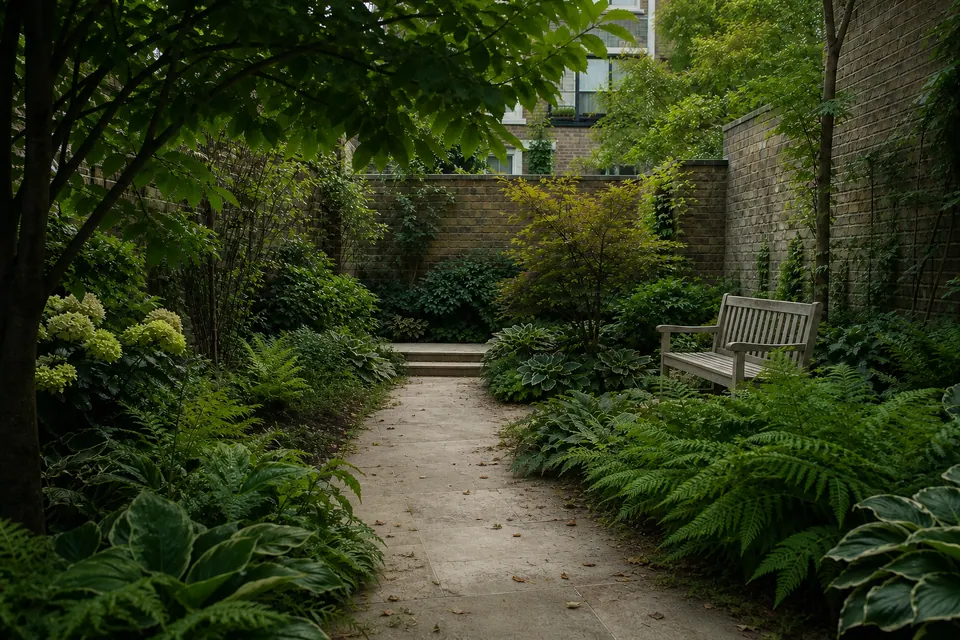
Loose material makes the pictured route less distinct.
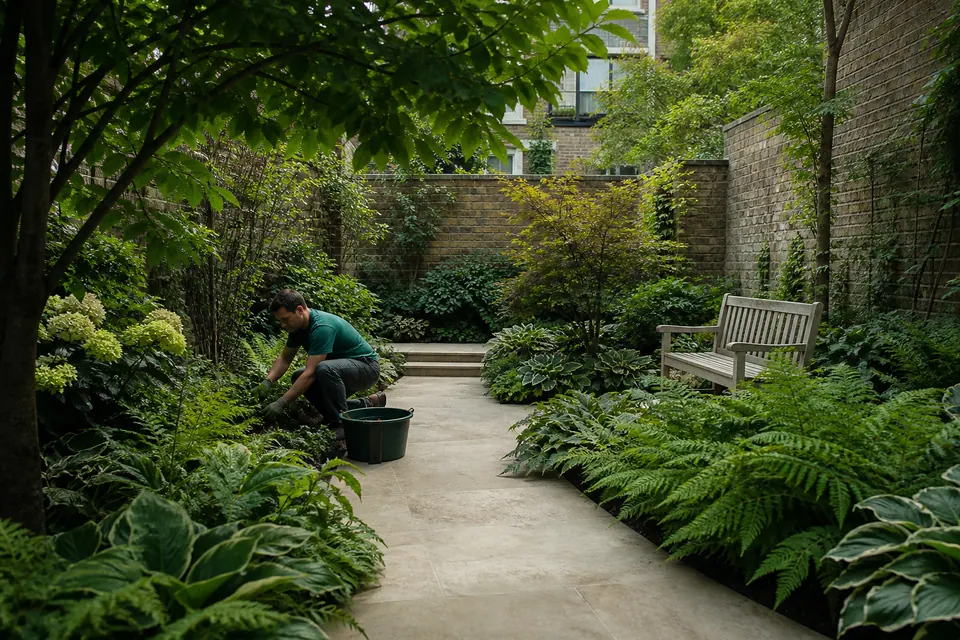
The example combines border care and debris gathering.
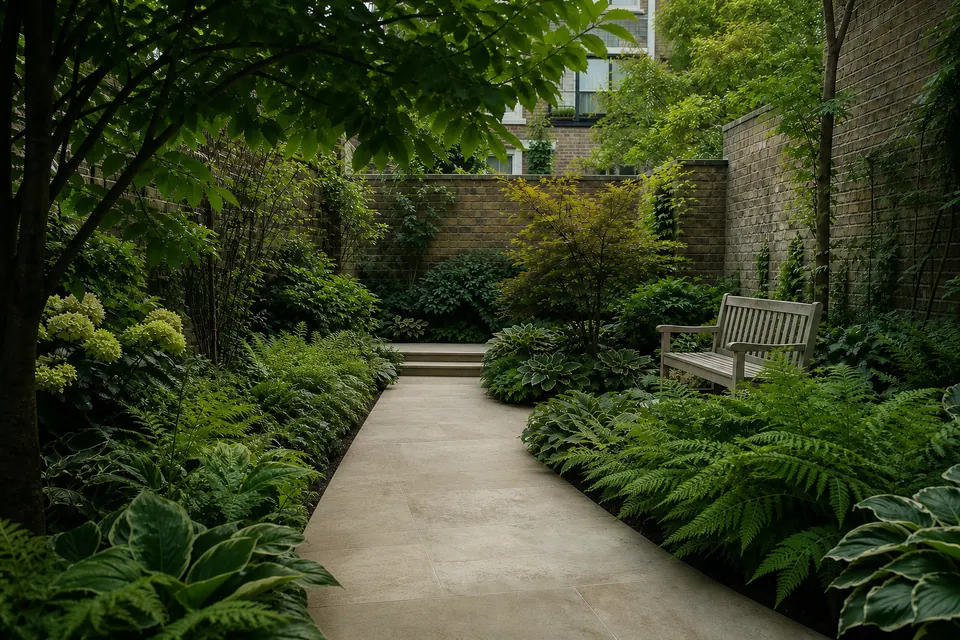
A clearer setting is shown without structural alteration.
PLANTED-FRONTAGE QUESTIONS
A full view shows how the elements relate; close-ups explain individual tasks and condition.
Describe the intended character and suitable attention rather than requesting one uniform outline.
Materials and alterations require explicit agreement; they are not automatically part of routine care.
Define that separation clearly and mark retained planting at their meeting point.
Not by implication. Debris gathering and surface washing are different requests.
Establish authority over the proposed tasks before attendance is arranged.
Yes. A frontage-only brief should state its limits explicitly.
No. They illustrate gardening, not verified Harrow customer designs or renewal work.
HARROW / ADDRESS AND BOUNDARY RESPONSIBILITY
Check attendance for the full Harrow address and identify the relevant entrance and boundary. Clarify permission where the planted line is shared.
Open Harrow in Google Maps ↗HARROW / START WITH THE PLANTED LINE
Share the full view and individual priorities to discuss a defined front-boundary gardening brief.
Call about your frontage planting and grassIllustrations do not document Harrow frontage projects or promise structural refurbishment.
