
Loughton / GARDEN PLANNING
Loughton Garden Care With Exposed Areas Assessed
If part of your garden seems exposed or plants are not developing as expected, describe what you have observed. Keep routine tidying separate from unconfirmed causes, replacement ideas or specialist concerns.
- Show the surroundings of affected planting
- Describe observations without guessing causes
- Separate care tasks from proposed replacements
- Confirm attendance at the full address
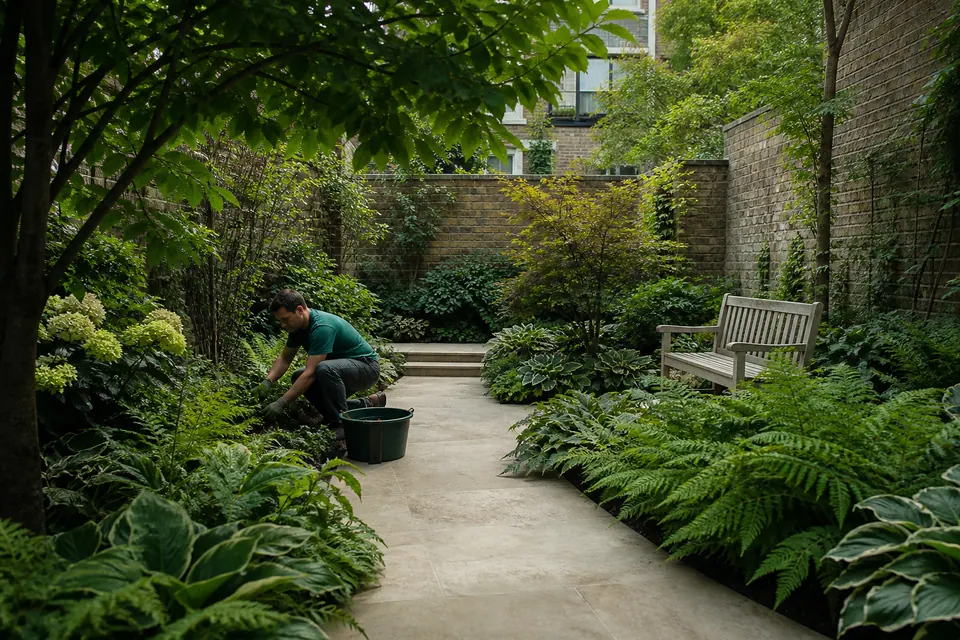 GARDEN CARE / Loughton
QUICK ANSWERS
Before requesting changes to exposed planting
- How is a gardening enquiry for Loughton priced?
- The maintenance scope is assessed without a fixed hourly diagnostic tariff.
- What is included in garden maintenance?
- Routine care does not guarantee improved growing conditions.
- Can I book a one-off visit?
- A one-off task can address known needs while questions remain separate.
- Is regular maintenance available?
- Ongoing care may record changes without implying specialist monitoring.
- Will the gardener take the waste away?
- Only approved removals belong in the disposal plan.
- How often should a garden be maintained?
- Observed growth helps inform later review.
- Can several gardening jobs share one visit?
- Other tasks may combine if suitable and expressly agreed.
Loughton / YOUR GARDEN BRIEF
Your garden’s setting needs its own description
For a Loughton enquiry, show the affected bed together with surrounding fences, buildings and planting. Describe the conditions you notice without assuming the locality determines the cause. A gardening tidy should not be presented as a guaranteed remedy for poor growth or exposure.
02 / Describe observations without guessing causes
03 / Separate care tasks from proposed replacements
READ YOUR GARDEN
Show the area around the affected plants
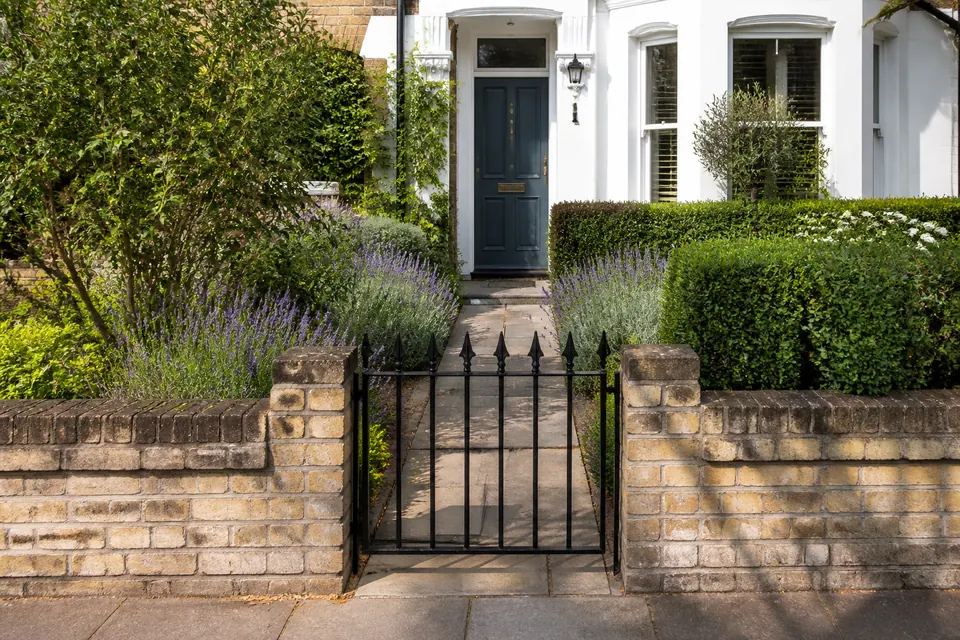
Lawn & edges
Separate grass maintenance from renovation questions.
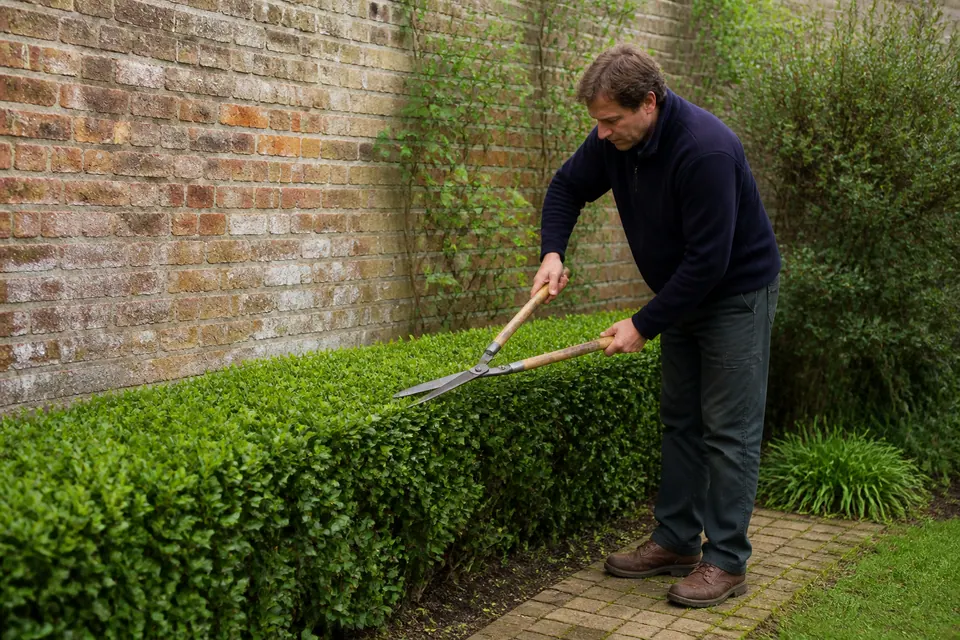
Hedges & shrubs
Identify screening you want retained while concerns are assessed.
Borders & containers
Mark uncertain plants rather than treating them as waste.
Paths & paved areas
Keep repairs to structures outside a planting tidy.
Cuttings & green waste
Agree disposal only for approved removals.
CHOOSE THE WORK
Choose known tasks before proposing remedies
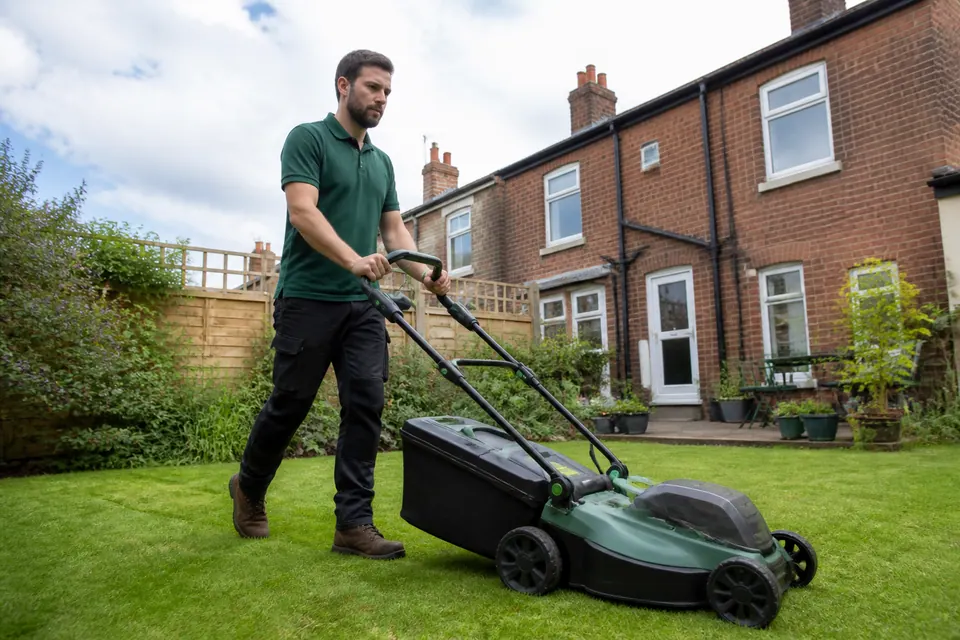
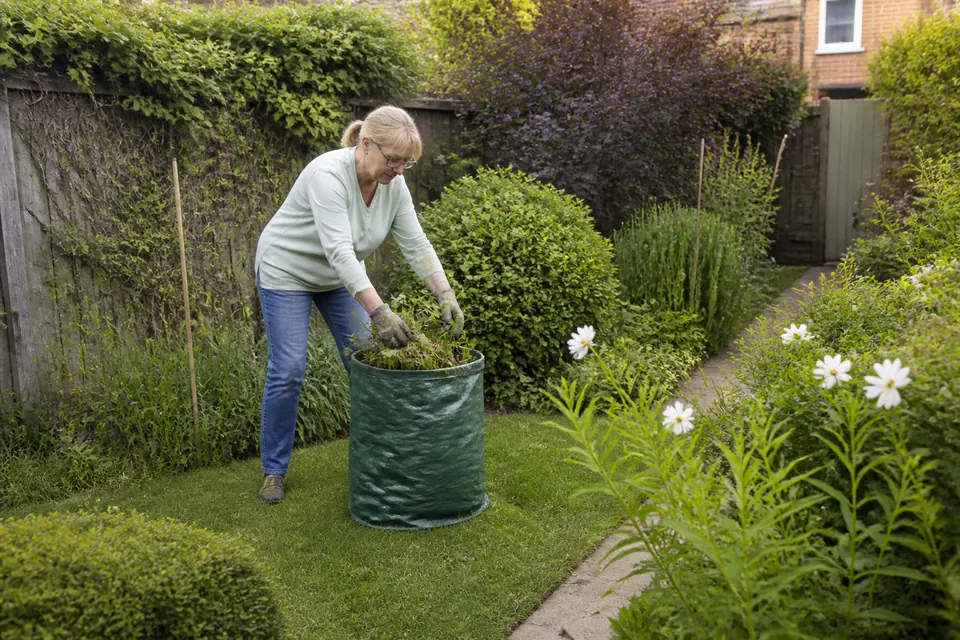
Garden clearance
Identify unwanted growth rather than removing plants because their cause of decline is uncertain.
Explore garden clearance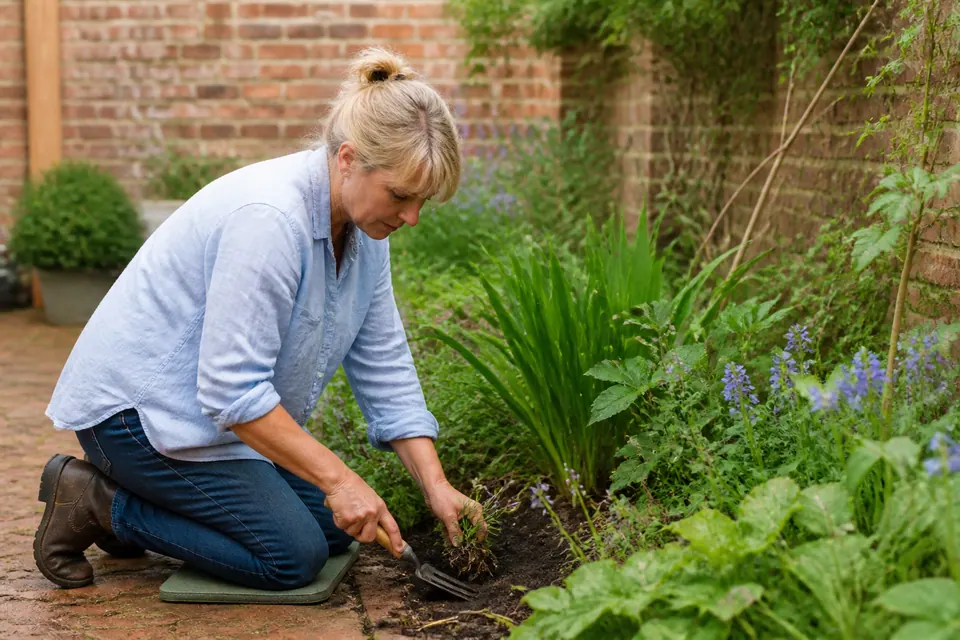
- Work
- Known tasks and separately assessed concerns
- Spaces
- Authorised outdoor areas
- Visits
- A proposed visit or discussed continuing care
- Area
- Loughton attendance requires full-address confirmation
- Price
- Confirmed tasks and uncertain proposals treated separately
A LIVING SPACE, NOT A FIXED CHECKLIST
Conditions can change the suitable task list
Plant and weather conditions matter more than a fixed checklist.
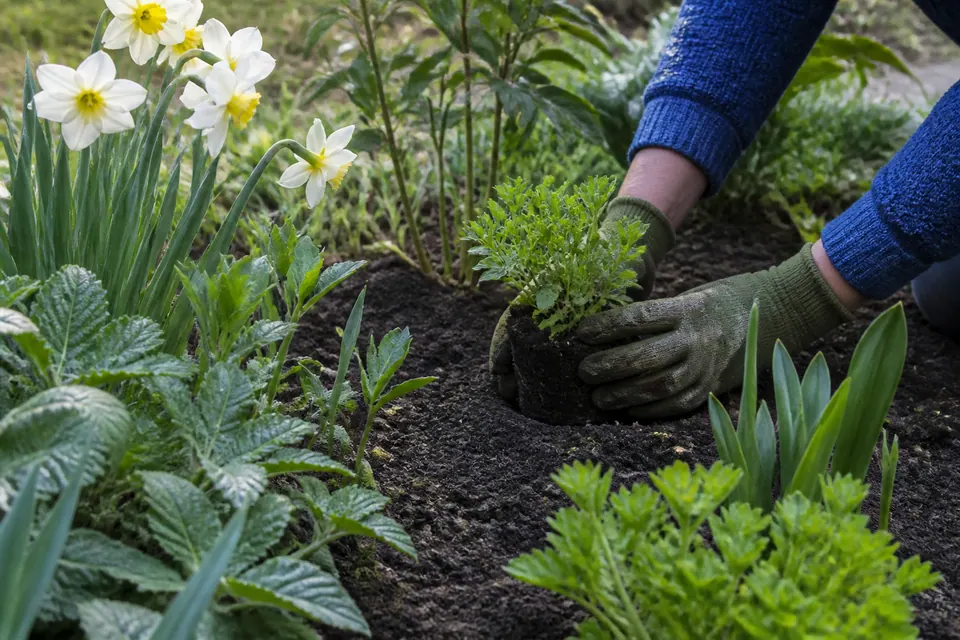
Spring
Photograph emerging growth before deciding removals.
Summer
Review present conditions rather than earlier assumptions.
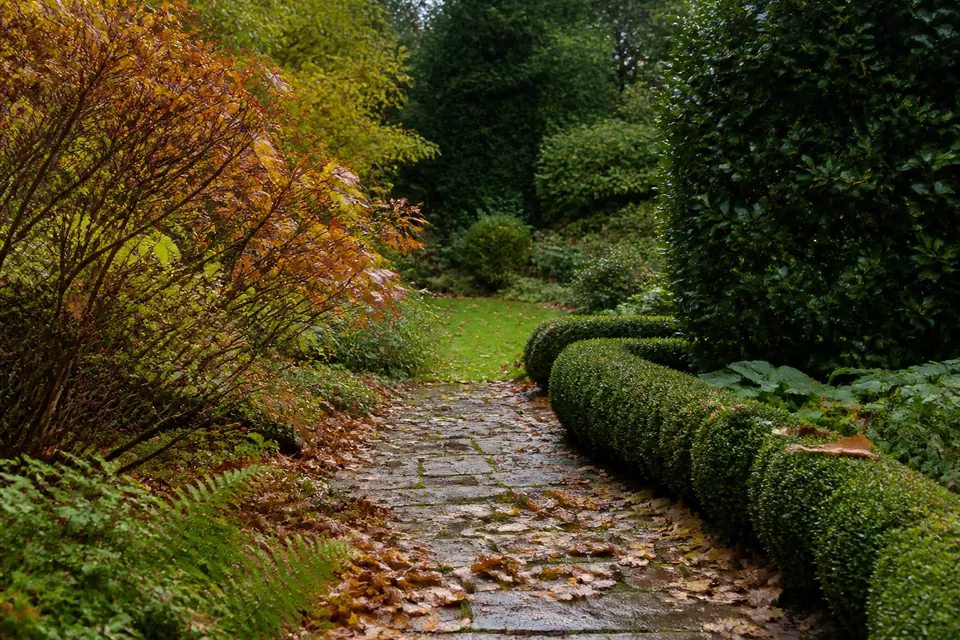
Autumn
Agree suitable seasonal attention without automatic replacement.
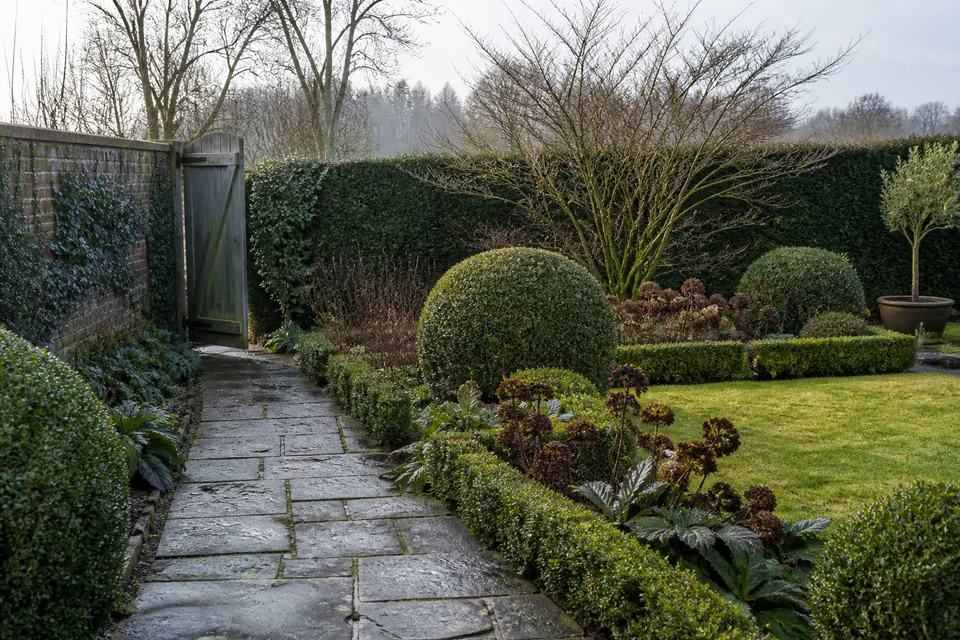
Winter
Defer tasks where ground or cutting conditions are unsuitable.
PRICE THE WORK, NOT THE POSTCODE
Quote the known work and separate uncertain proposals
ROUTINE GARDEN CAREQuoted for
Quoted for
your task list.
Separate known tasks from questions requiring assessment so the quote does not imply an unverified remedy.
LIGHT GARDEN CLEARANCE£100–£300
The light-clearance guide is not a price for diagnosing or correcting environmental conditions.
See clearance pricing| Service | Pricing basis | Guide |
|---|---|---|
| Routine garden maintenance | Known areas and maintenance priorities | Routine quote after assessment |
| Lawn mowing & edging | Grass condition and equipment route | Assessed lawn price |
| Hedge & shrub trimming | Suitable shrub attention and cuttings | Trimming estimate from photos or review |
| Small green-waste collection | Approved vegetation and collection route | From £40 |
| Light garden clearance | Defined clearance and disposal | Typically £100–£300 |
| Large overgrown garden | Heavy growth and handling requirements | From £500 |
What changes the cost?
Replacement planting, supplied materials and specialist treatment require explicit discussion. Confirm attendance before arranging purchases around the proposed work.
HOW THE VISIT COMES TOGETHER
Keep observations and proposed actions separate
Show the space
Photograph affected plants and their surroundings.
Agree the brief
Agree ordinary tasks and identify separate specialist concerns.
Check on arrival
Check actual conditions before acting on the brief.
Work, tidy, review
Review completed care without claiming a cause has been cured.
Know what is included.
Routine gardening is not specialist diagnosis, structural alteration or major tree surgery. Those requirements should not be inferred from an exposure concern.
Read how Alesta plans gardening workBUILD A USEFUL BRIEF
What is observed, and what is only suspected?
A STARTING POINT
Garden maintenance
Begin with the observable maintenance need. A suspected cause should remain a question rather than become an instruction for major change.
Read the service scope ↗AT A GLANCE
Routine care is distinct from specialist assessment
| Service | Best suited for | Typical work |
|---|---|---|
| Garden maintenance | Ordinary maintenance with observations recorded | Selected bed attention and suitable light pruning |
| Lawn care | Grass requiring routine care | Assessed mowing, not promised renovation |
| Hedges & shrubs | Identified shrubs | Suitable shaping without assumed remedial effects |
| Garden clearance | Confirmed unwanted vegetation | Clearance excluding unresolved plant concerns |
A RESET OR A ROUTINE?
A practical first task or reviewed ongoing care
| Visit choice | One-off gardening | Regular maintenance |
|---|---|---|
| Best for | Address clear current maintenance needs | Review ordinary care as conditions change |
| Frequency | One confirmed appointment | A separately agreed routine |
| Scope | Known tasks and unresolved questions | Updated observations and priorities |
FROM OVERGROWTH TO EVERYDAY USE
An illustration cannot diagnose exposure problems
Illustrative scenes do not document a Loughton plant-health intervention.
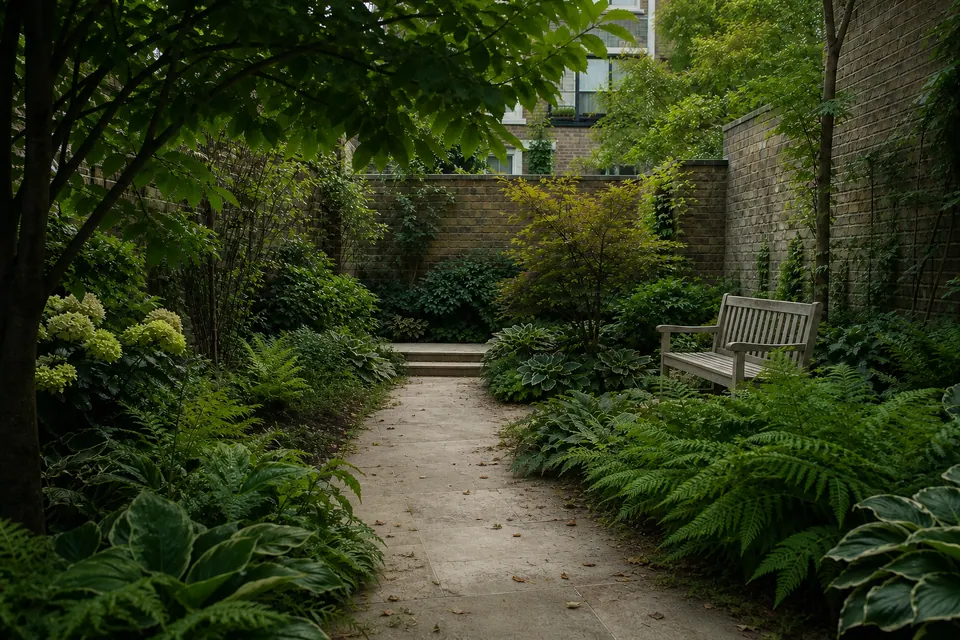
Before
The example provides a particular existing layout.
Garden work
Selected routine attention is shown.
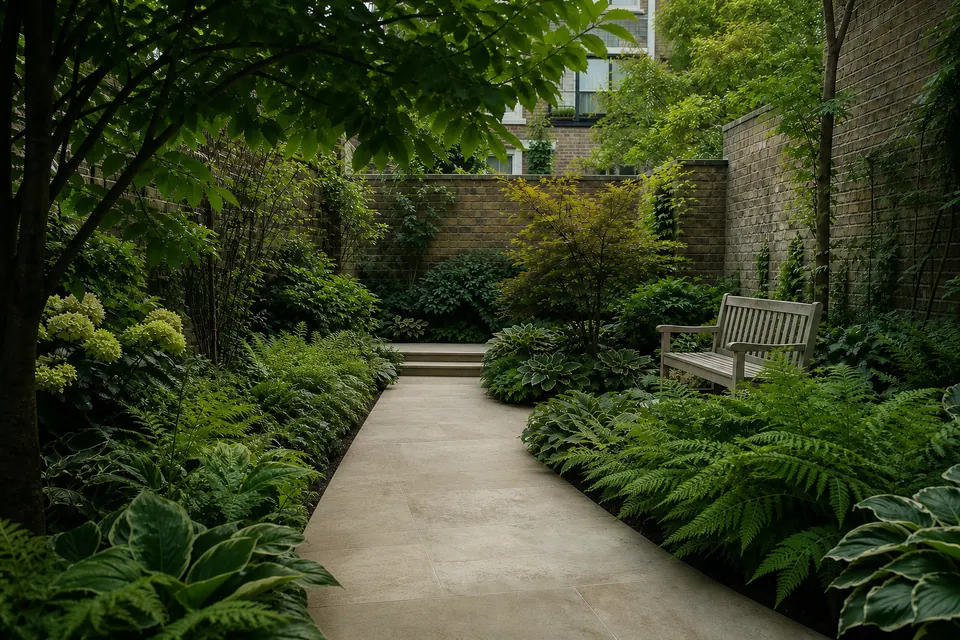
Result
The finish does not prove improved growing conditions.
Loughton / LOCATION CONTEXT
Confirm the Loughton property before arranging attendance
Provide the complete Loughton address and entrance details. Attendance must be confirmed before preparations; the map does not establish availability or local growing conditions.
Open Loughton in Google Maps ↗Gardening services near Loughton
BEFORE ARRANGING WORK
Questions about describing garden conditions
Will a tidy solve poor growth in an exposed corner?
Not necessarily. Routine care is different from diagnosing the cause or designing a remedy.
Should screening be removed to change conditions?
Do not assume that is appropriate. Identify the planting and intended change for separate assessment.
Are photographs of surroundings useful?
Yes. Show the wider setting alongside close views of the affected plants.
Can uncertain plants remain untouched?
Mark them as unresolved and exclude them from automatic removal.
Does maintenance include specialist treatment?
Not by implication. Specific treatment concerns require separate assessment and agreement.
Will replacement plants be supplied?
Only if suitability, selection and cost have been confirmed.
Can known tasks proceed independently of the concern?
Request them as a clear bounded scope while keeping uncertain proposals separate.
How is Loughton attendance confirmed?
Submit the complete address and practical brief, then wait for confirmation before arranging preparations.
Loughton / NEXT STEP
Send the observations with current photographs
Describe what you have seen and the practical task you want assessed. Keep suspected causes visible as questions rather than assumed solutions.
Describe the conditions in your gardenIllustrative garden scenes; not photographs of Alesta customer jobs.
