
A room intended for repainting
Show the existing coating and damage before the new colour. The treatment question concerns current suitability.
Sevenoaks / ASSESS BEFORE COVERING
A new finish should not decide what the old one needs.
When decoration or replacement is being considered, record the affected material before it is covered or removed. For Sevenoaks, confirm postcode availability and ask what can appropriately be treated, what needs another assessment and what remains a separate cosmetic task.
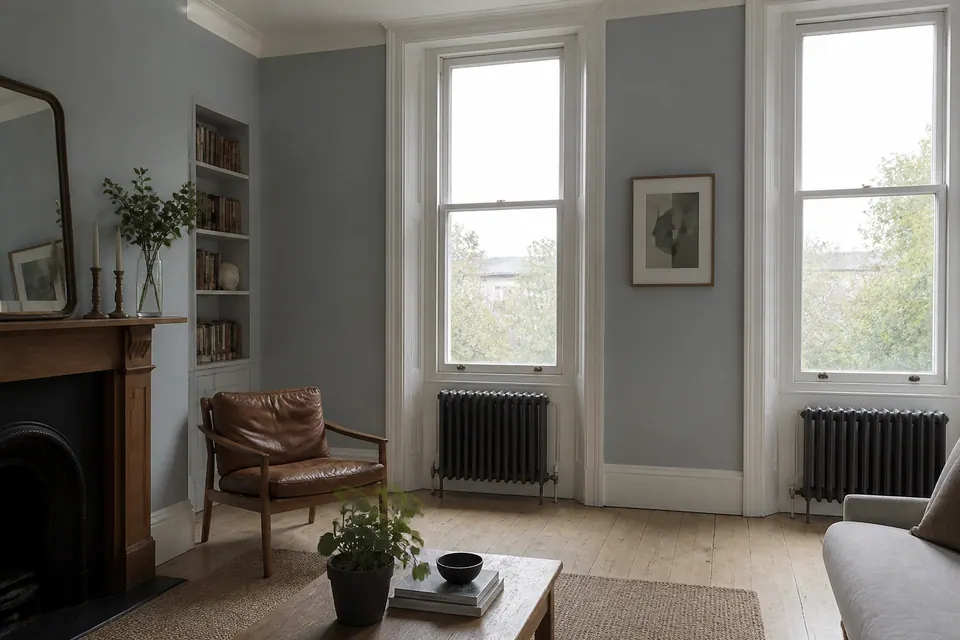
Current finish · damage · moisture history
Sevenoaks / ACCESS & PEOPLE
Show the existing coating and damage before the new colour. The treatment question concerns current suitability.
Identify what is being considered, not assumed necessary. Replacement and removal should have distinct agreed scopes.
State the access limit. A decorative plan does not confirm what lies behind a panel or covering.
Share evidence and intended work with the authorised contact. Do not remove material to establish a legal repair conclusion.
Keep survey, repair, treatment and decoration responsibilities clear. A general refurbishment request should not hide unassessed surfaces.
Explain the desired result, then ask what current evidence supports. Avoid buying a surface service as an assumed complete restoration package.
02 / LOCATE THE ISSUE
Select the setting and describe the current finish rather than the proposed replacement. Suitability cannot be determined from the desired appearance alone.
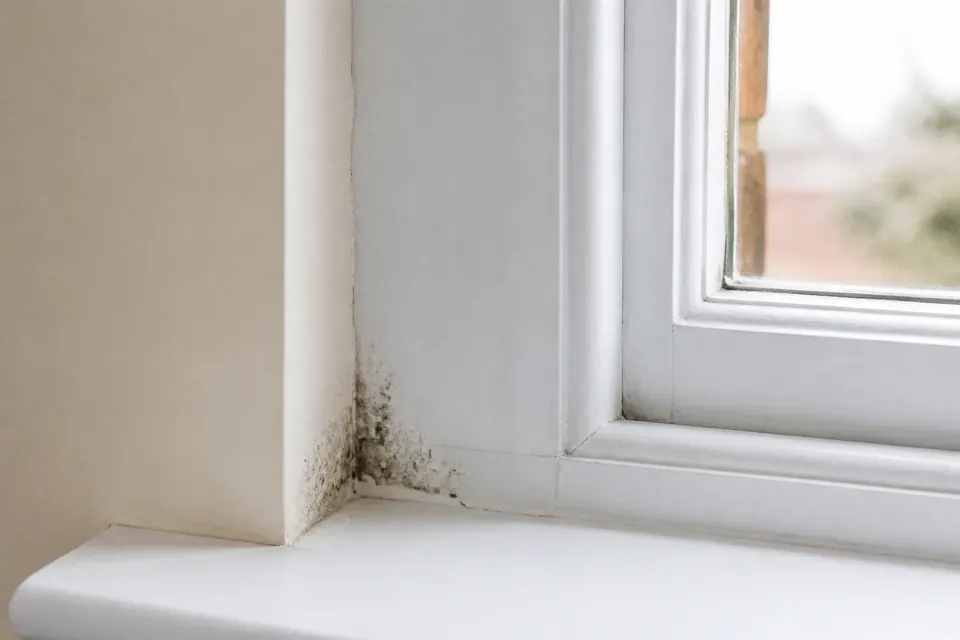
Show current paint, joinery and adjacent plaster. A planned new coating does not establish whether repair or another task is needed.
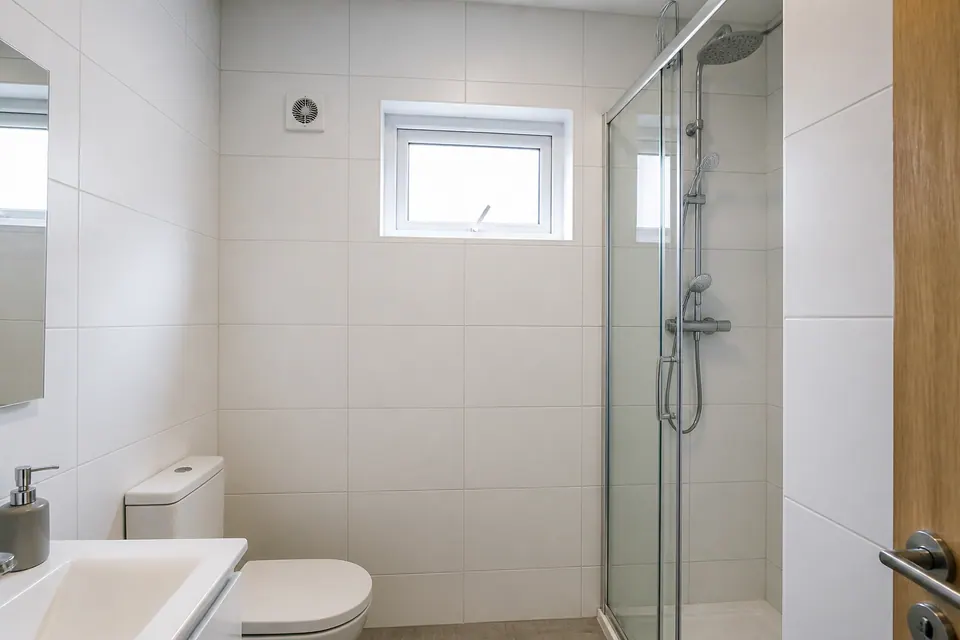
Identify paint, panel or sealant and visible deterioration. Replacement and suitable growth removal are different decisions.
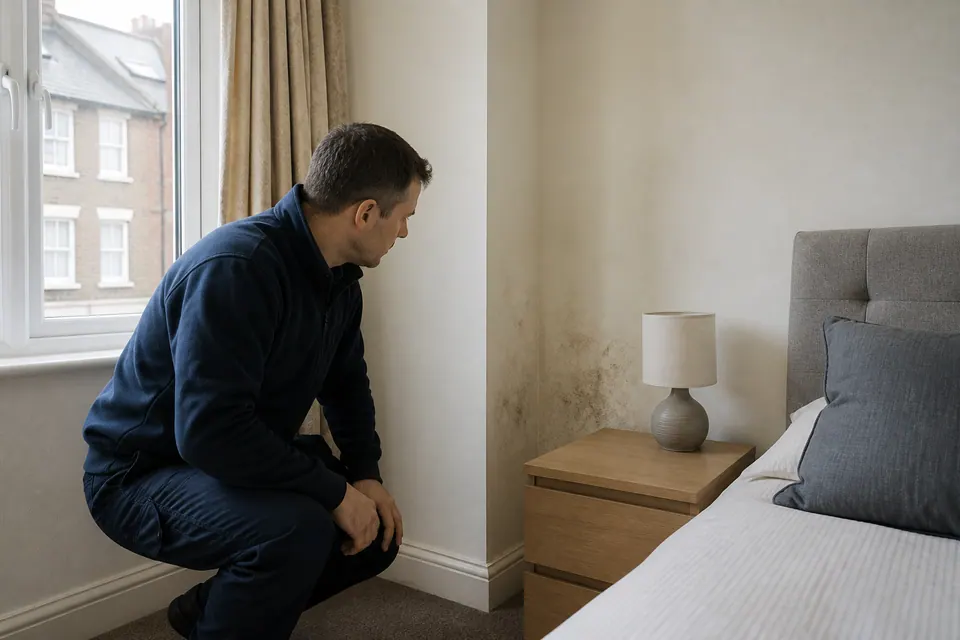
Record existing material and the affected boundary. Do not strip or cover it simply to make the proposed decorative plan easier to describe.
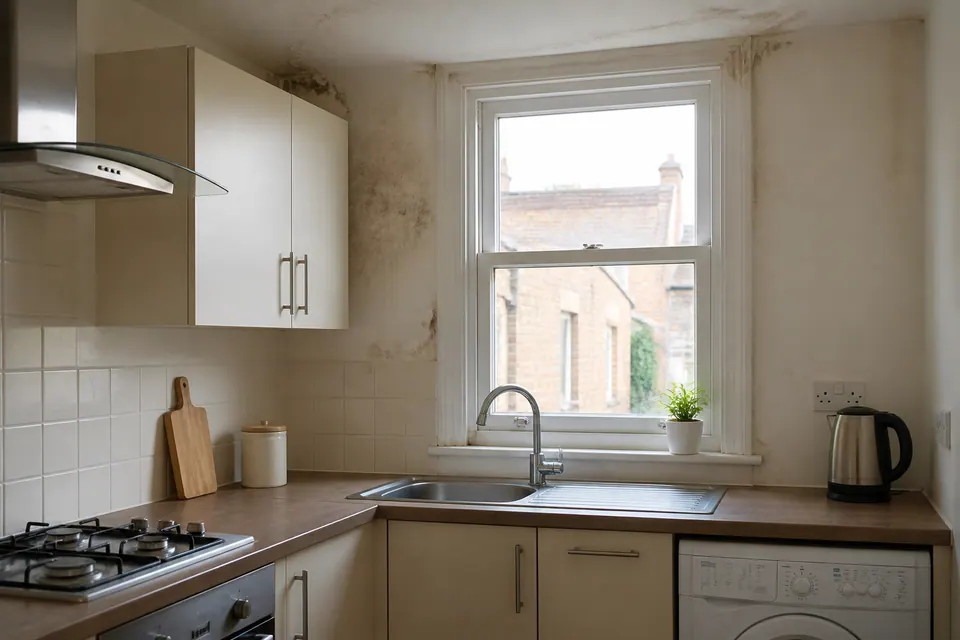
Show the accessible wall around fixed units. A wider refurbishment should not automatically become the mould-removal scope.
Explain what is known about the coating and any damage. Do not assume specialist restoration or an exact decorative match is part of treatment.
Describe visible deterioration without opening or probing material. Replacement decisions may require a different specialist scope.
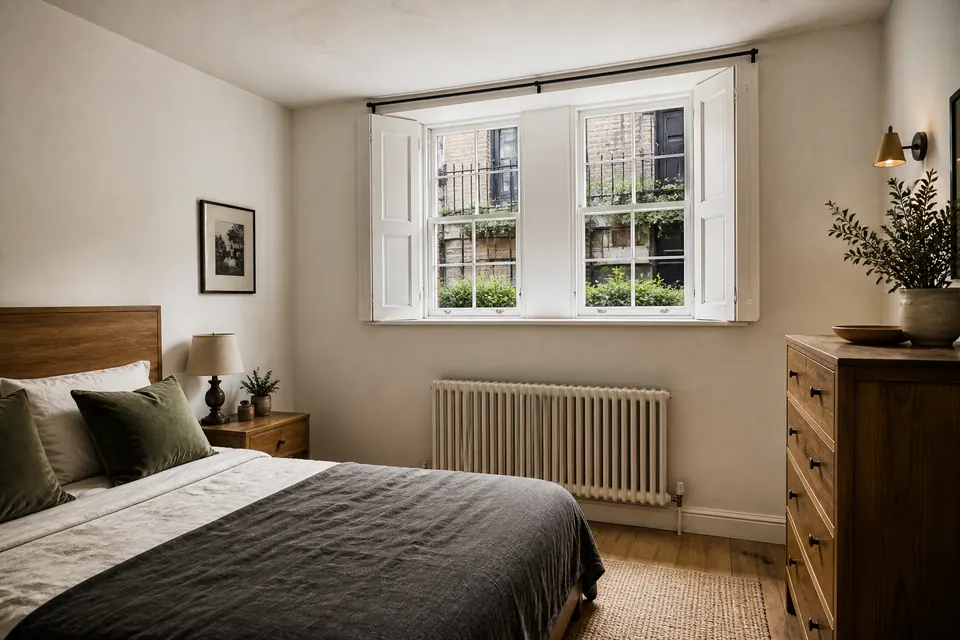
State what can be seen and what remains hidden. A proposal to replace a panel does not establish the concealed wall’s condition.
The current condition should inform the next step. A proposed replacement or decorative finish is not itself a diagnosis or treatment specification.
03 / SEPARATE THE QUESTIONS
Growth, damage and moisture can raise separate questions before a material is retained or changed.
| Observed condition | Context to provide | Decision requiring assessment |
|---|---|---|
| Growth on an intact-looking surface | Extent and previous history | Whether suitable removal is appropriate |
| Damaged covering beside marks | Current visible deterioration | Whether repair or replacement is another task |
| Old stain under a planned new finish | Age and recent changes where known | Realistic cosmetic expectations |
| Uncertain material behind a panel | Access and known history | Whether another investigation is required |
Material replacement, structural assessment and decorative reinstatement need explicit separate agreement. Do not infer them from a proposal for suitable accessible growth removal.
A changed appearance can hide evidence without establishing the condition of the substrate or moisture source.
| Question | Mould | Damp |
|---|---|---|
| What is visible now? | Marks or growth on the existing finish | Water evidence or material deterioration |
| What does a new covering establish? | A different visible appearance | Not proof that moisture is resolved |
| Why review before replacement? | Some surfaces may be suitable while others are not | Separate investigation can remain necessary |
| What should be agreed? | Accepted removal and material limitations | Any repair, survey or decorative task |
Sevenoaks / THE PROPERTY BRIEF
Keep treatment and cosmetic choices separate.
Confirm availability at the complete Sevenoaks postcode and show the existing finish before work alters it. Explain whether you are considering retaining, repairing or replacing the material, but ask what evidence is needed rather than treating that preference as the appropriate method. Surface removal does not automatically include a building survey or a restored decorative result.
05 / QUOTATION, NOT GUESSWORK
For Sevenoaks, confirm postcode availability and provide the existing surface evidence. The proposal should identify suitable treatment and limitations instead of implying that a survey, replacement material and completed decoration are included.
Review the published treatment scope ↗| Present evidence | Quotation route | Separate decision |
|---|---|---|
| Limited suitable accessible growth | Photographs may support a quote | Any later decorative work |
| Recurring or several affected finishes | Assessment informs the proposal | Current suitability and history |
| Damage or uncertain concealed material | Specialist quotation may be needed | Replacement or investigation scope |
Confirm availability and exclusions before committing to a new finish. A surface price is not a promise of complete refurbishment or a restored decorative appearance.
06 / DIRECT ANSWERS
Do not alter it merely for the enquiry. Show current evidence and ask which assessment or scope is appropriate.
Not automatically. A matching appearance, repair or redecoration needs a separate agreement and realistic material expectations.
A new appearance does not establish that moisture conditions are resolved. Ask about the current surface and any unresolved water question before covering it.
Explain the plan, but the appropriate sequence should follow the material and moisture evidence rather than the desired completion date.
Request preparation guidance for the actual agreed work. Do not assume a replacement plan defines the surface-treatment preparation.
Describe them separately. Sealant, panel or other replacement can fall outside removal of suitable growth.
No automatic conclusion follows. Show the current materials and actual water history for assessment.
Do not assume structural or concealed investigation is included. Clarify assessment limits and any separate specialist requirement.
07 / A CONTROLLED APPROACH
Identify the current surface, visible damage and known history. Keep cosmetic preferences separate from suitability findings.
Clarify what should remain visible and what separate task may be needed. Do not strip or cover material on an assumption.
Follow the agreed removal scope. Replacement or additional investigation requires another explicit decision.
Distinguish treated growth, residual appearance and material limitations. Keep later repair or decoration outside claims about the completed work.
The sequence does not imply that one visit delivers assessment, replacement and decorative restoration.
Keep the present material and boundary visible.
Do not add replacement by assumption.
Clarify repair, survey and cosmetic questions.
The illustrations explain stages rather than customer restoration results or guaranteed material preservation.
08 / ROOM-BY-ROOM CONTEXT
Separate paint, panels and sealant. Their current condition may call for different decisions before renewal.
Record coverings before alteration and explain damage or uncertainty. Do not assume every finish can be preserved or treated alike.
Show the accessible wall and fixed features before refurbishment. Equipment or unit replacement is a separate scope.
Describe decorative layers and any restoration expectation. A cosmetic match is not automatic removal.
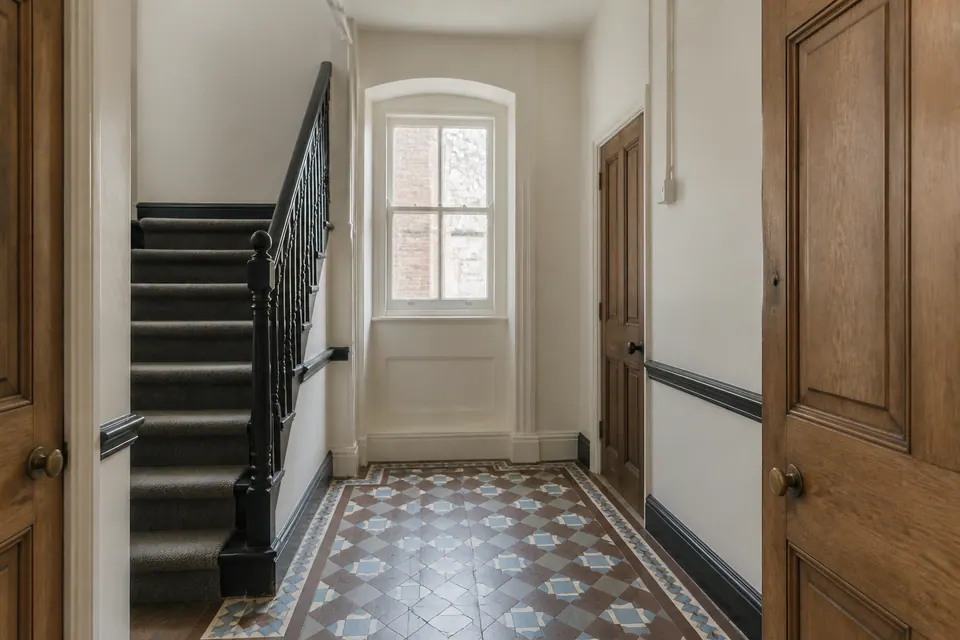
Confirm material and authorisation before changing a finish. Common areas need their own agreed work.
Include known moisture history and present material. A new lining does not establish that a damp question has been resolved.
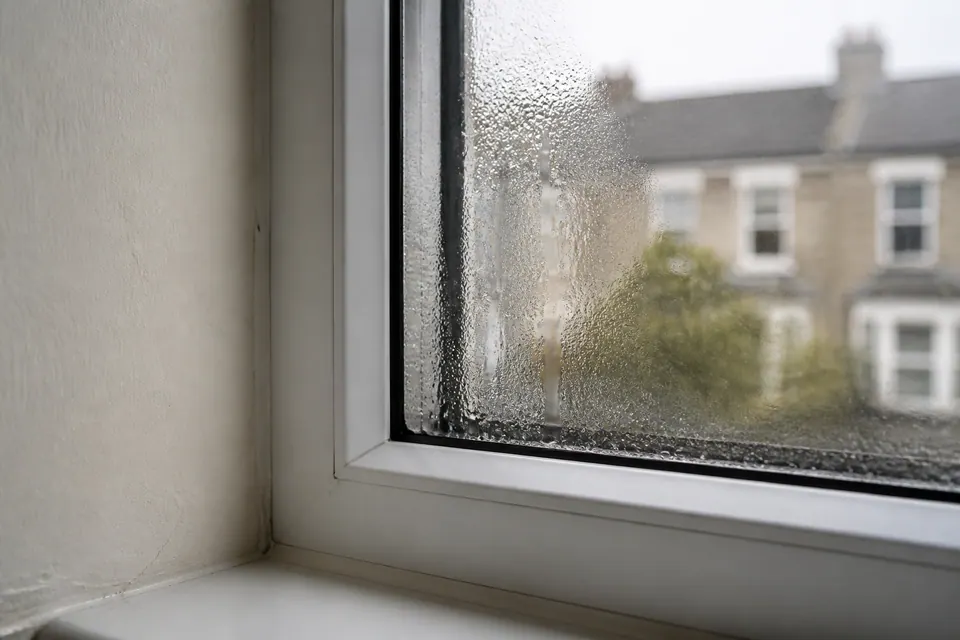
09 / WHEN IT COMES BACK
If marks appear after a finish has been changed, describe what work actually preceded it and the present material. Do not assume that removal, repair and moisture investigation all took place unless confirmed.
The next assessment should use current evidence and known history rather than a cosmetic label such as newly refurbished. A renewed finish can still leave separate questions unresolved.
It helps distinguish the original visible condition from what was repaired, replaced or merely covered.
Sevenoaks / PLAN THE APPOINTMENT
Confirm availability for the full Sevenoaks postcode before altering the affected area or arranging a visit. Send the current evidence and intended cosmetic work for a suitable next-step discussion.
The map provides location context only and does not guarantee service coverage, a local office or survey availability.
Load the Sevenoaks map when discussing the address.
Sevenoaks / BEFORE BOOKING
Review the existing evidence before deciding that a new material is the solution.
Explain it as a possibility, not a confirmed need. The current material and condition should be assessed before the appropriate scope is chosen.
No. Request postcode-specific availability before arranging access, treatment or preparation.
Do not conceal it merely for the enquiry. Current evidence helps distinguish growth, staining and damage.
Not automatically. Clarify any structural or concealed investigation separately from suitable surface removal.
No universal cosmetic result should be assumed. Residual staining, damage and decoration require separate consideration.
Provide that information as a proposed task and explain the evidence available. Do not treat the proposal as proof of current treatment suitability.
Yes. Changing the visible finish does not itself establish that a moisture condition is resolved.
Ask for instructions for the actual agreed treatment. Do not assume stripping or dismantling is appropriate preparation.
Keep the accepted scope and what was treated, repaired, replaced or left unresolved clearly distinguished.
REVIEW THE MATERIAL BEFORE THE COSMETIC CHOICE
Send the postcode, current photographs and known moisture history. Confirm availability and clarify suitable removal separately from survey, repair or decorative restoration.
The property scenes are illustrative and do not prove customer restoration, replacement or survey outcomes.
