
Can new and recurring areas be included together?
They can be discussed in one enquiry, but label them separately. Ask which require assessment rather than assuming one treatment history.
Orpington / NEW AND RETURNING AREAS
One property can contain more than one story.
A first observation in one room and a repeatedly marked finish elsewhere should not share a single assumed history. For Orpington, confirm postcode availability and describe each affected room independently before discussing one combined treatment proposal.
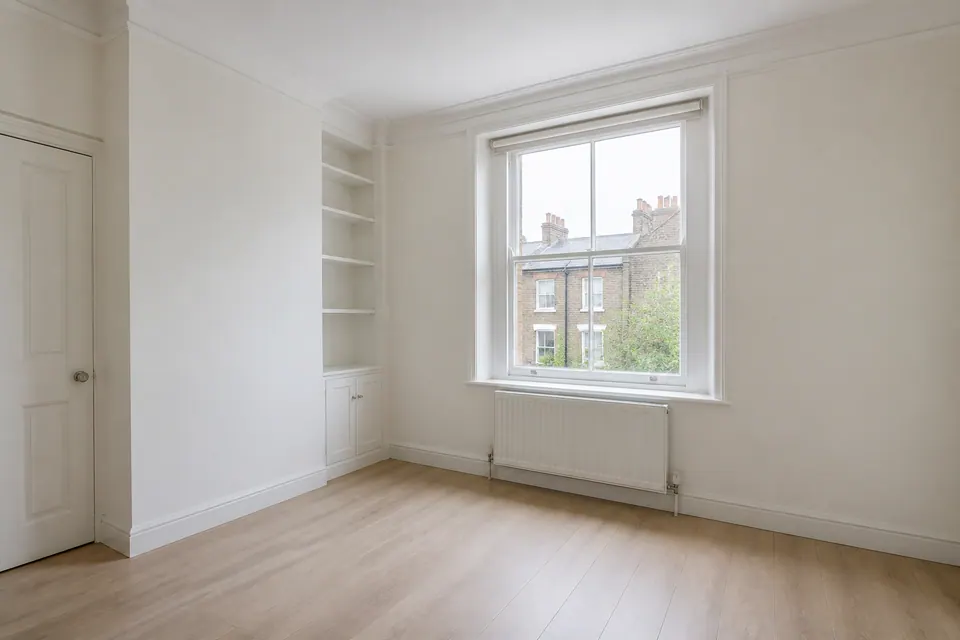
Room reference · material · previous work
Orpington / THE PROPERTY BRIEF
A combined enquiry does not need a combined assumption.
Confirm availability for the full Orpington postcode, then label each room and finish. State whether a mark is newly noticed, known to recur or of uncertain age. Add previous treatment only to the surface it actually concerned. This helps define suitable assessment without implying that all rooms have one cause or need an identical repeat method.
02 / DIRECT ANSWERS
They can be discussed in one enquiry, but label them separately. Ask which require assessment rather than assuming one treatment history.
Decoration is a separate decision. Current material and moisture questions can differ between rooms, so a single finishing plan should not be assumed.
No. Provide the evidence for each area without transferring a diagnosis across the property.
Not alone. Extent, finish, preparation and the proposed work for each area determine the timetable.
Discuss the layout and method-specific instructions. Different surface histories do not automatically establish access or return arrangements.
Record that difference explicitly. The present material and appropriate scope should be reviewed separately.
Only where relevant to the actual surface. Avoid a broad maintenance statement that obscures which window or room was involved.
No. Separate water or building questions need explicit scope rather than an assumed whole-property assessment.
Orpington / ACCESS & PEOPLE
Identify each material and previous work. One renovation date may not describe the current condition everywhere.
Keep that history specific while documenting any first observation elsewhere. Do not call the whole dwelling recurrent without evidence.
Explain the access change and unknown earlier condition. Recently noticed does not necessarily mean recently developed.
Share the room-specific evidence with the authorised contact. It supports discussion without deciding legal repair responsibility.
Attach maintenance to the relevant surface and date. Avoid applying one completed task to rooms it did not concern.
Ask which rooms can be addressed together and which need separate material or moisture decisions before decoration.
04 / A CONTROLLED APPROACH
Match photographs and history to the correct room. Separate known recurrence from newly observed or uncertain-age marks.
Confirm access and room-use requirements for the accepted scope. Do not assume all rooms have the same practical needs.
Follow the proposal for each accessible area. Different material or damage can require another decision within a multi-room enquiry.
Identify what was treated in each room and any remaining question. Avoid a broad statement that erases individual limits.
The sequence preserves differences without promising identical work or appearance across the property.
Keep new and recurring observations distinct.
Do not add an unassessed room by assumption.
Record staining, damage and separate next questions.
The drawings explain stages, not customer results or proof of one common cause across all rooms.
05 / QUOTATION, NOT GUESSWORK
For Orpington, confirm coverage and submit a room-labelled list with current dimensions and material condition. The quotation should distinguish new observations from recurring areas instead of repeating one generic room history across the proposal.
Review the main quotation scope ↗| Area record | Quotation route | Evidence to include |
|---|---|---|
| Limited suitable current patch | Photographs may support pricing | Present material and access |
| Recurring or several areas | Assessment informs the proposal | Individual history for each finish |
| Damage or complex moisture concern | Specialist quotation may be needed | Relevant repair and material questions |
Confirm availability and the included room references. A combined quotation should not obscure an excluded surface or imply that every area shares the same cause and outcome.
06 / ROOM-BY-ROOM CONTEXT
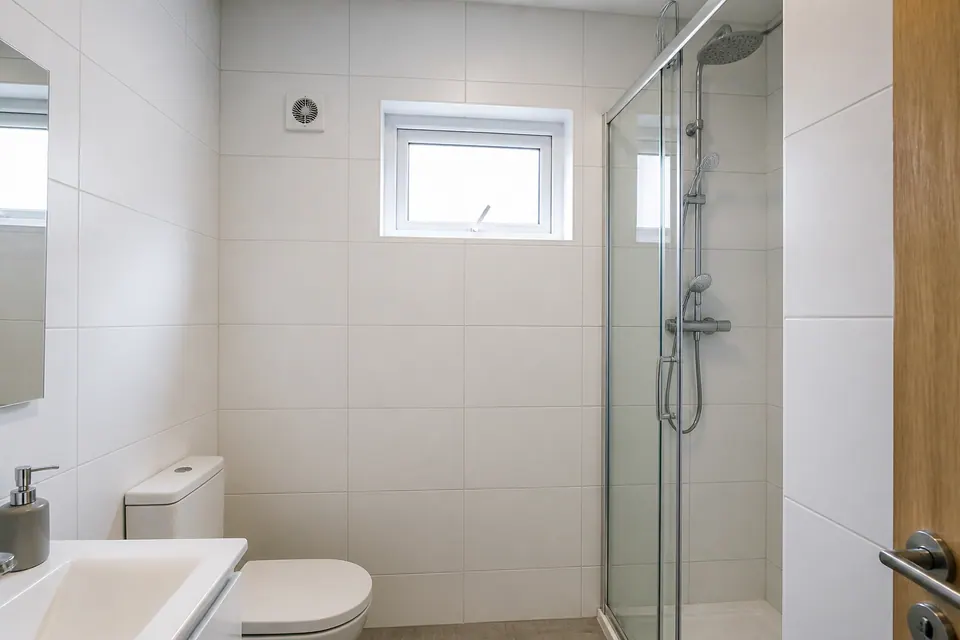
Record known earlier treatment and present material. Returning marks deserve their own timeline rather than a general house label.
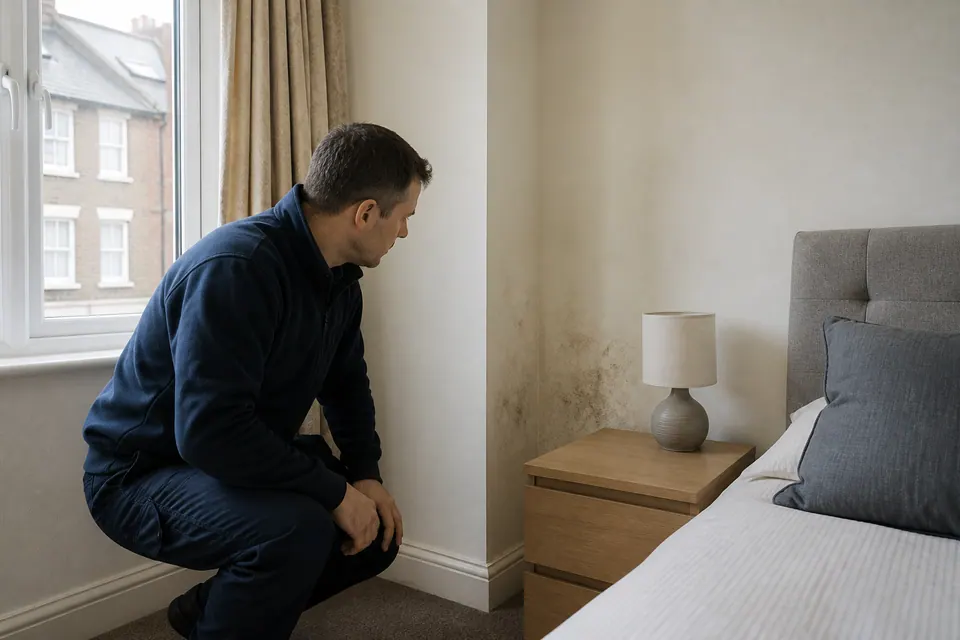
Distinguish first observation from confirmed new development. Identify current extent and any uncertainty about earlier appearance.
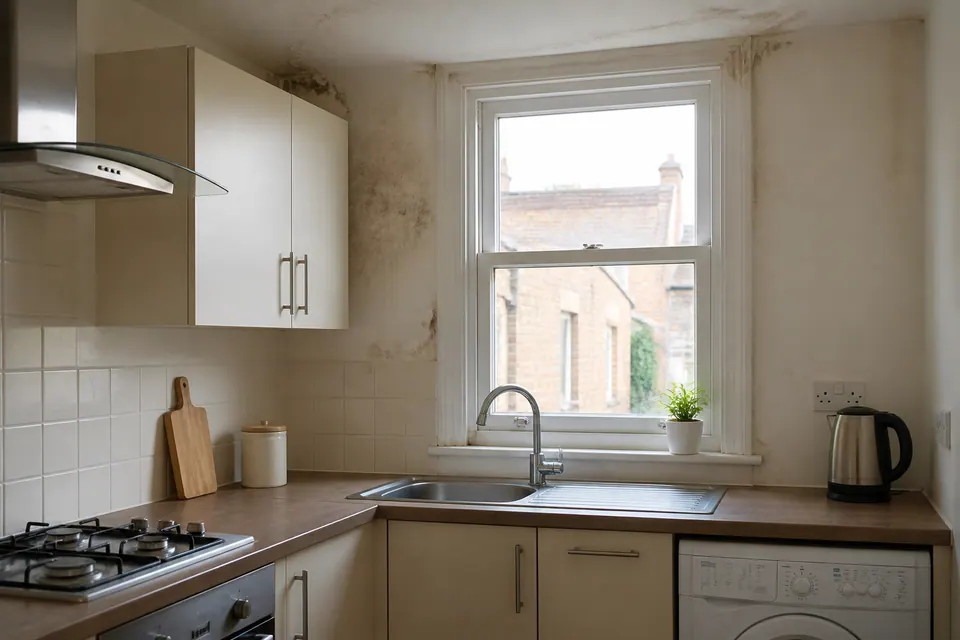
Link known maintenance or water events to the actual surface. General property work may not explain this room.
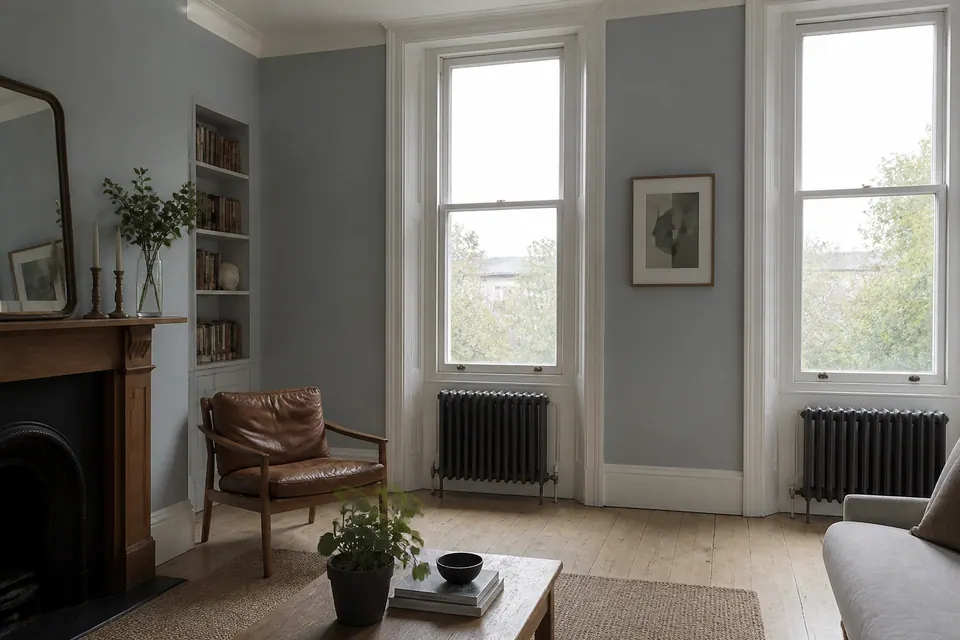
Keep old staining, current growth-like change and unknown history separate in the evidence.
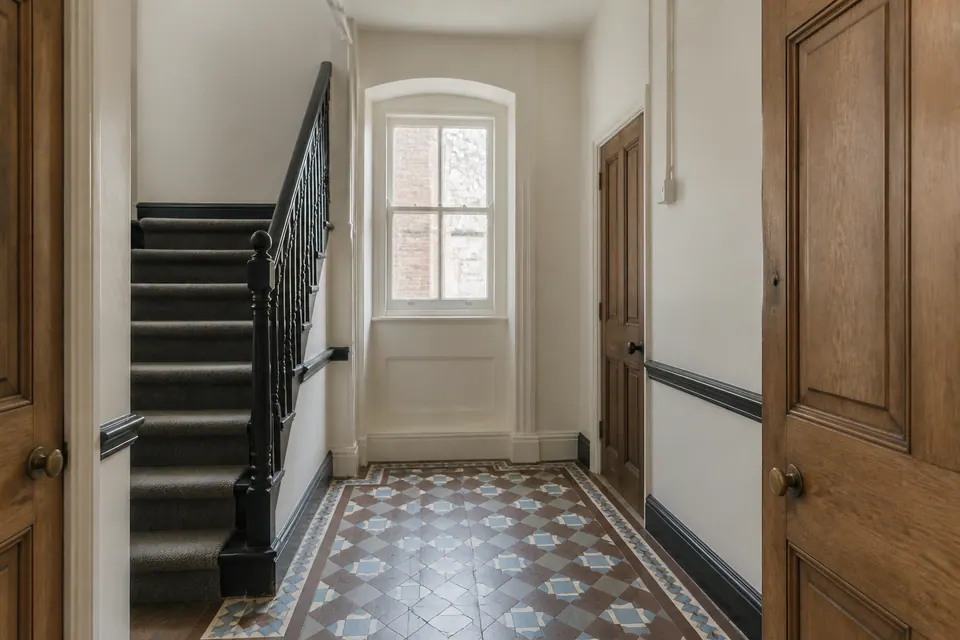
Identify access and authorisation as well as history. A private room’s records do not establish common-area condition.
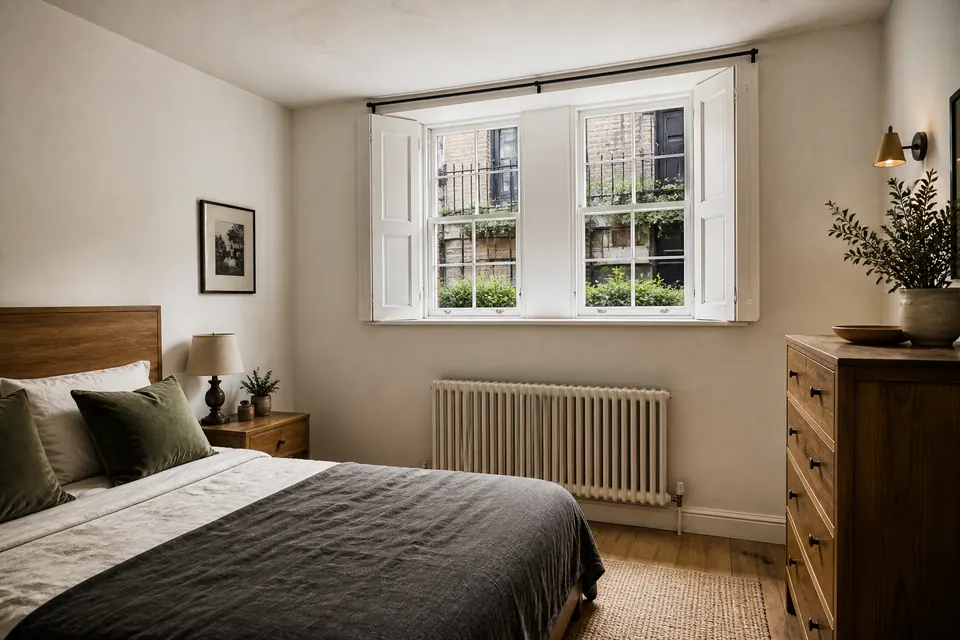
Provide actual water history and current material. Room level does not make it the explanation for marks elsewhere.
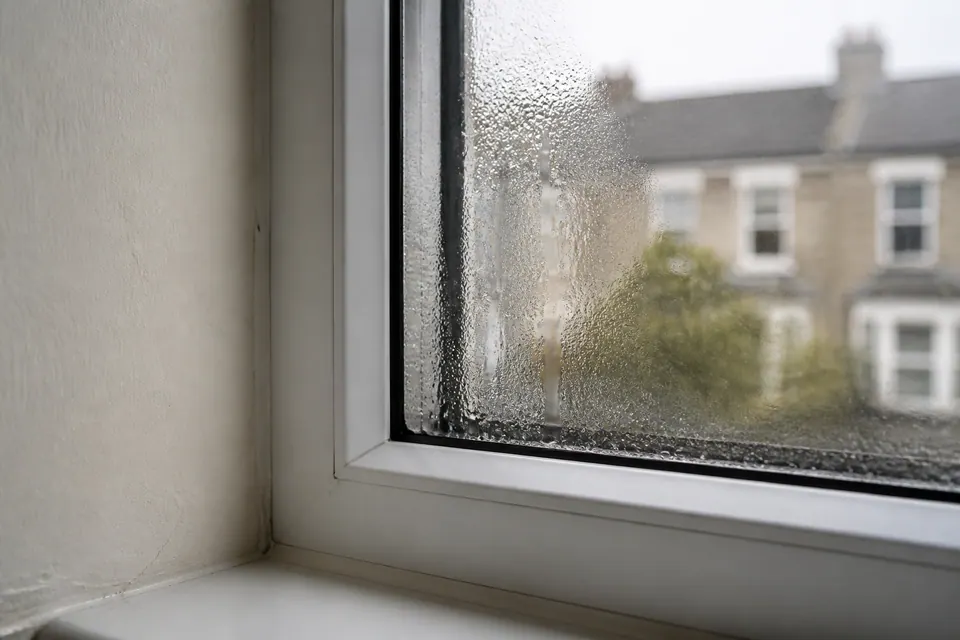
07 / WHEN IT COMES BACK
Use the original room reference and explain the present outline. Note which other areas have remained unchanged without treating that contrast as a diagnosis.
The returning area’s history may need focused assessment while other rooms have separate questions. Do not automatically repeat the entire property’s earlier proposal.
Add new observations as new entries rather than rewriting every area’s history to match the latest concern.
08 / SEPARATE THE QUESTIONS
A property-wide label can hide the distinction between a recent observation, recurring growth and an old stain.
| Current record | Information to add | What remains to assess |
|---|---|---|
| First noticed bedroom patch | Present material and visible extent | How the current surface should be approached |
| Returning bathroom area | Earlier work and return interval | What continuing condition needs review? |
| Kitchen change after maintenance | Confirmed task and current finish | Whether the history relates to this concern |
| Old-looking stain with unknown history | What is actually known | Growth, staining and material limitations |
Treatment of several suitable surfaces does not automatically include structural investigation or every repair. Keep unresolved moisture questions attached to the relevant area.
The timing of visible change should not be transferred from one finish to another without evidence.
| Question | Mould | Damp |
|---|---|---|
| What is visible? | Current marks on the named finish | Actual water observations or known events |
| What may be different elsewhere? | Previous treatment and appearance history | Moisture context or repair status |
| Why preserve the differences? | Suitability and scope can vary | One explanation may not cover every room |
| What should be agreed? | Accepted surfaces with their individual limits | Any separate investigation or repair |
09 / LOCATE THE ISSUE
Choose the setting and describe that surface’s own record. Work elsewhere in the property should not automatically become its treatment history.
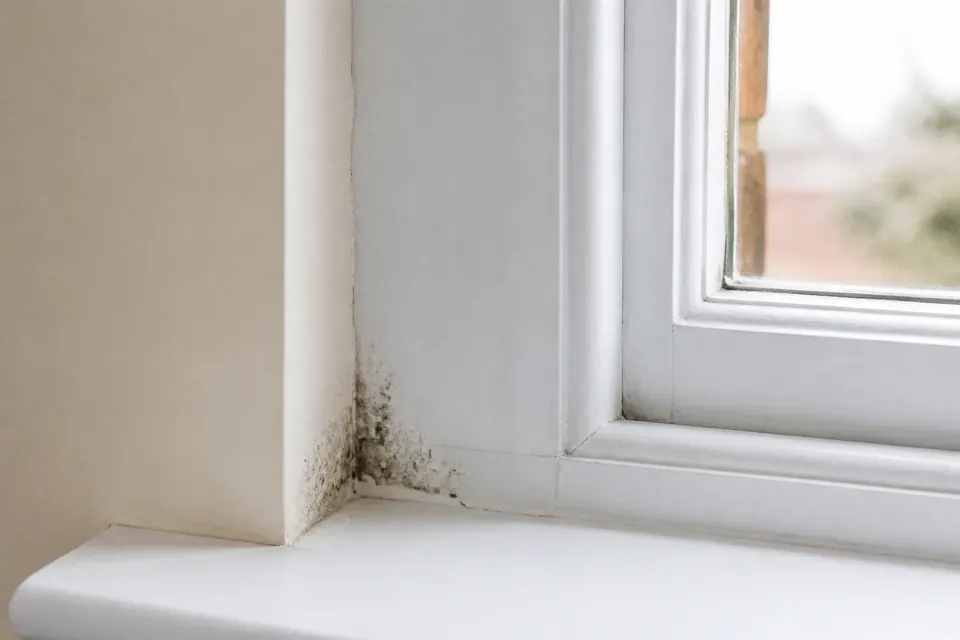
State when it was first noticed and whether earlier work is actually known. Do not copy another window’s repair or recurrence history onto it.
Give the approximate interval and previous treatment where known. Keep damaged sealant or paint separate from a new room concern.
Describe the present material and extent without assuming it began recently merely because it was recently noticed.
Identify the task and surface involved. General property maintenance should not be presented as treatment of this particular wall.
Say that earlier condition is unknown. A reliable uncertainty is better than inventing a common timeline for every room.
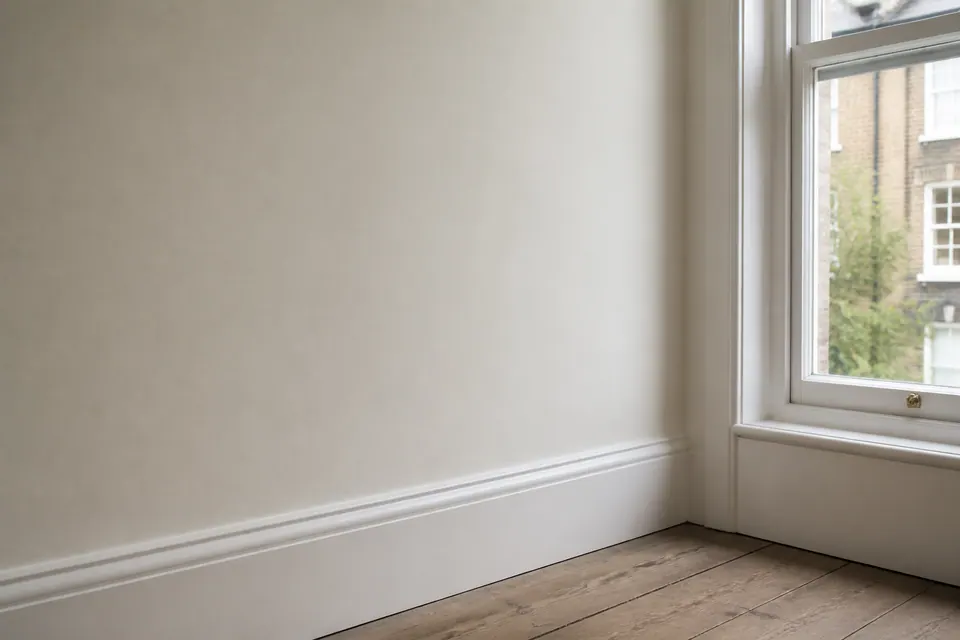
Use its own photographs and repair dates where available. Do not assume a wall patch elsewhere shares the same explanation.
Explain when the area became visible. A newly exposed mark is not automatically new growth or a recurrence of previously treated material.
The room list should preserve these distinctions rather than turn every observation into one property-wide diagnosis.
Orpington / PLAN THE APPOINTMENT
Confirm availability for the complete Orpington postcode before arranging a multi-room visit. Send the labelled surface records so the proposed assessment reflects the actual areas.
Use the map to locate the property and discuss the route when needed.
Load the Orpington area map.
Orpington / BEFORE BOOKING
Preserve the distinctions between new observations and known recurrence.
Not necessarily. State when it was noticed and whether the earlier condition is known rather than assuming when it began.
No. Check the full postcode before arranging a visit or preparing several rooms.
Only describe work that actually applied to each area. Different rooms may have separate histories and material limits.
Record that room and its current condition separately. Do not automatically classify every area as recurrent.
No. State that the history is uncertain and provide the present evidence for assessment.
Yes, it should make the included surfaces and any separate assessment or repair needs clear rather than imply uniform work.
Explain that it was previously hidden and its earlier condition is unknown. Do not automatically label it new growth.
Not by itself. Provide the relevant history without assigning a common source across rooms.
Keep the accepted room references, treatment limits and remaining questions so any later change can be described accurately.
LET EACH ROOM KEEP ITS HISTORY
Send the postcode and labelled records distinguishing new observations, recurrence and uncertainty. Confirm availability and ask which surfaces need assessment before a combined proposal.
The images illustrate room settings rather than documented customer outcomes across a property.
