
The person taking the images
Include a short note about the viewpoint and any limitation. A picture taken through a gap needs that explanation so the visible strip is not mistaken for the entire affected surface.
Chelmsford / PROPERTY CONDITION
Make the first photographs useful, not just close.
A close-up can show a mark while hiding the information needed to discuss it. For a Chelmsford mould-removal enquiry, combine the detail with a room view, an approximate scale and an honest description of what remains unseen. Confirm address availability before planning attendance.
Orientation · scale · visible limitations
Chelmsford / ACCESS & PEOPLE
Include a short note about the viewpoint and any limitation. A picture taken through a gap needs that explanation so the visible strip is not mistaken for the entire affected surface.
If an agent forwards the evidence, retain the original room labels and dates. Ask the occupant about current access instead of assuming that an old clear-room image still describes the arrangement.
Make sure they can identify the photographed areas and explain any changes since the enquiry. A labelled set is useful only if it can be matched to the actual rooms.
Tenants can send dated observations and obtain the permissions needed for proposed work. They do not need to diagnose the cause or disturb the finish to produce a more persuasive image.
Landlords can provide maintenance information alongside occupant photographs. Keep confirmed repairs separate from an interpretation added while forwarding the images, and identify any room not shown.
Homeowners should say when a dimension or material description is approximate. Clear uncertainty lets the assessment address the missing information instead of building a quotation on an assumption.
02 / LOCATE THE ISSUE
The selector helps organise a photograph set. Choose the nearest setting and include enough surrounding detail to explain the observation without claiming that an image proves the cause.
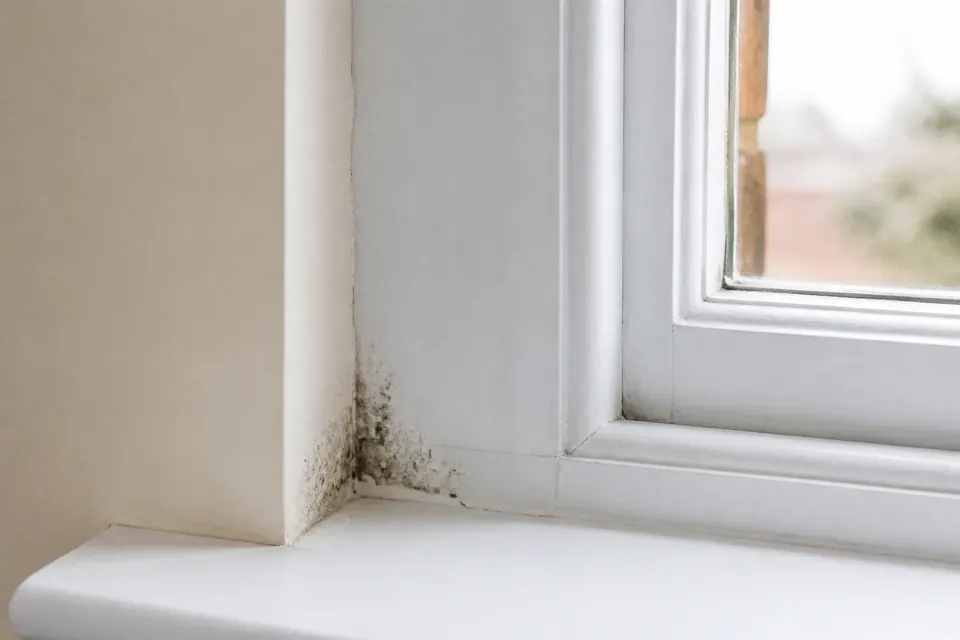
A picture showing only a dark edge cannot distinguish the pane, frame and plaster. Keep those boundaries visible and describe where water is observed, if anywhere. Treat suspected frame faults as questions rather than confirmed findings.
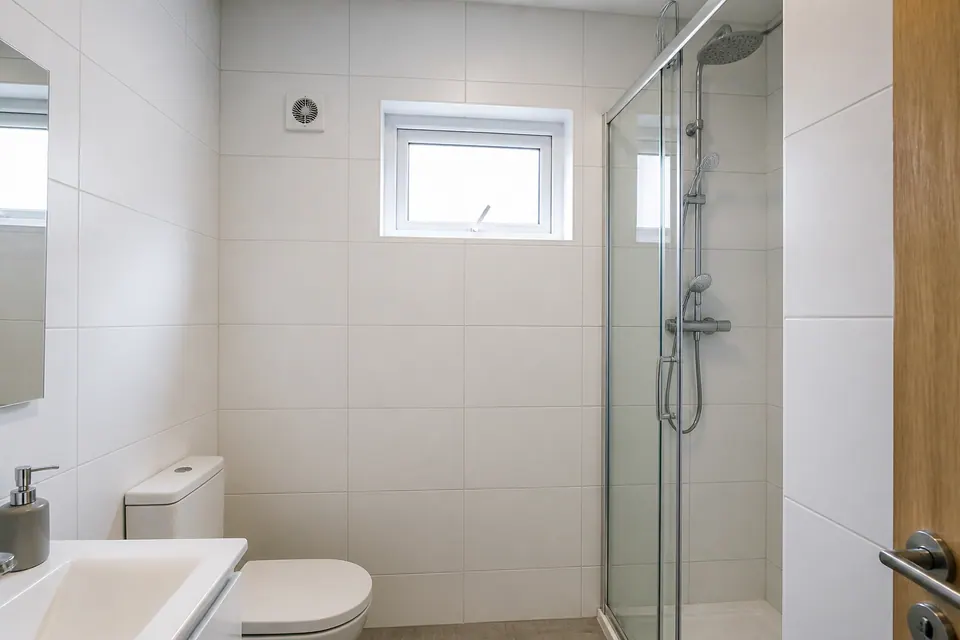
Photograph the affected bathroom finish with nearby fittings in view. Say whether the image was taken straight after use or at another time; a single picture of wetness does not describe the whole room history.
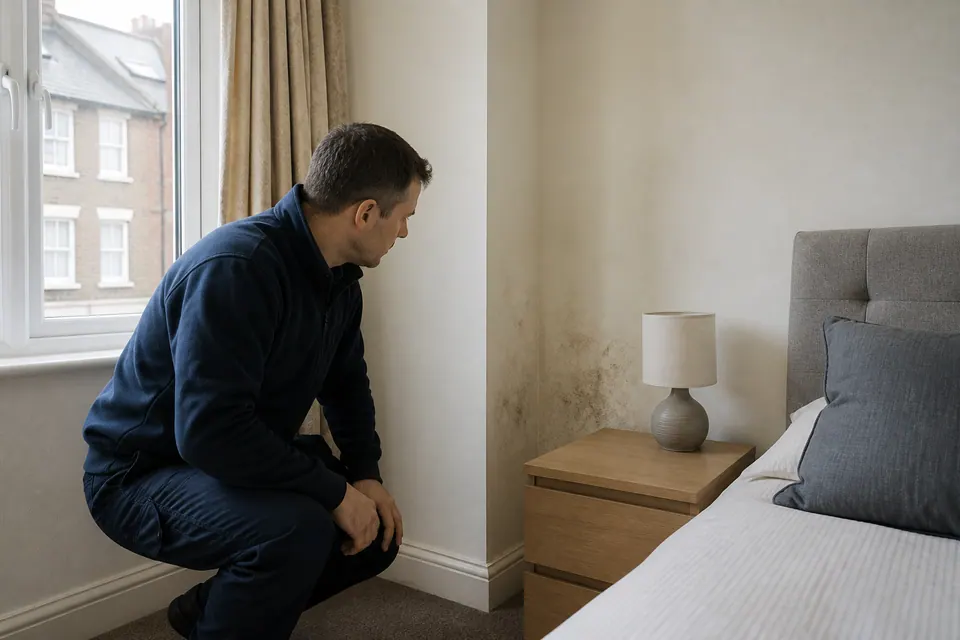
A bed or wardrobe can explain why part of the wall is missing from view. Do not crop it out or move affected items merely to create a cleaner image. State where the visible evidence ends.
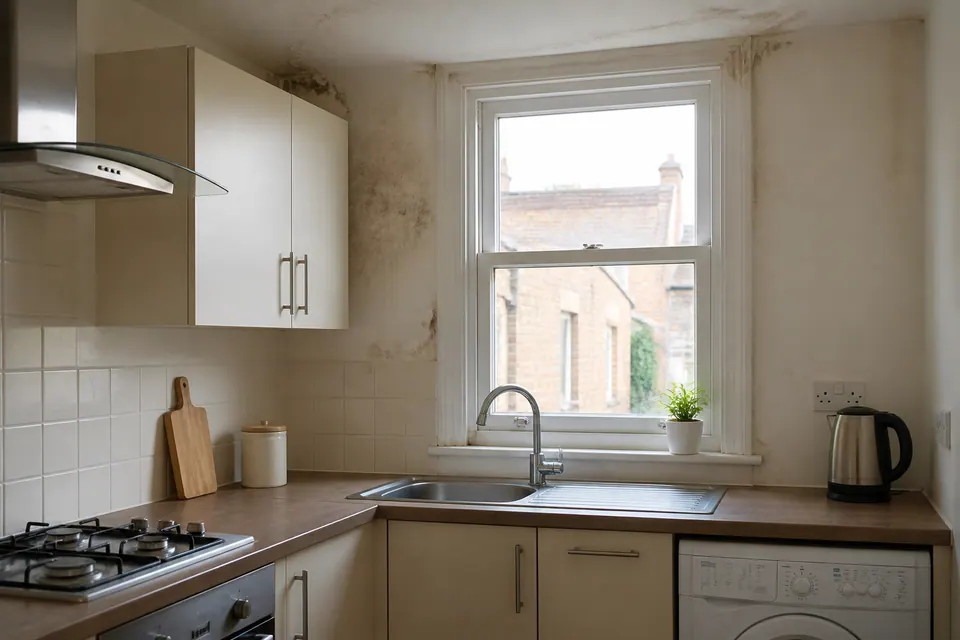
Kitchen images can be difficult to orient when only a corner is shown. Label the room position and distinguish marks on a cabinet from the finish behind it. Known plumbing events need separate factual notes.
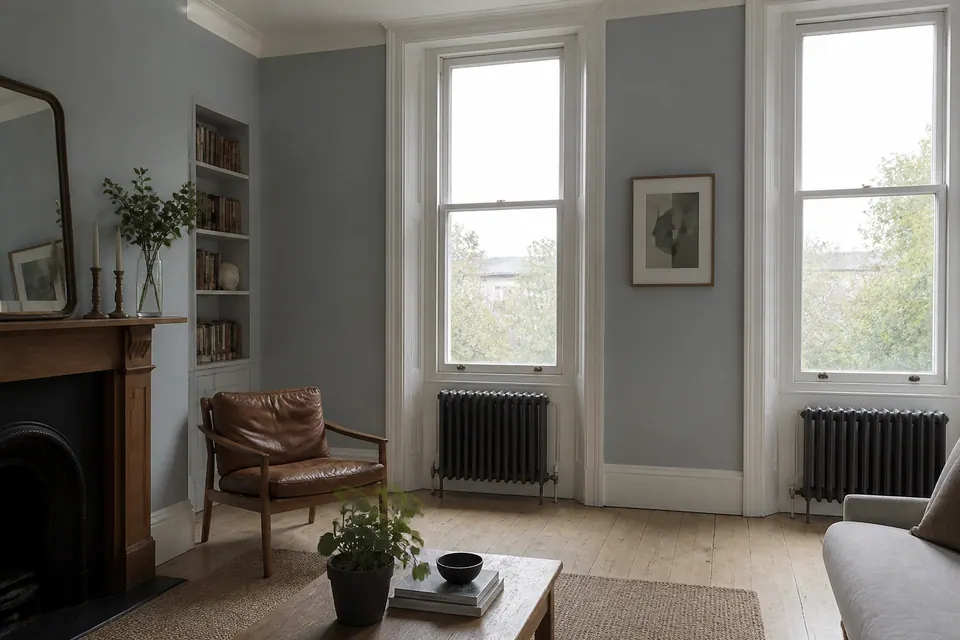
Include a window, doorway or skirting as a reference when showing a living-room patch. It helps locate the area without making an unsupported measurement from a photograph or mistaking two walls for one.
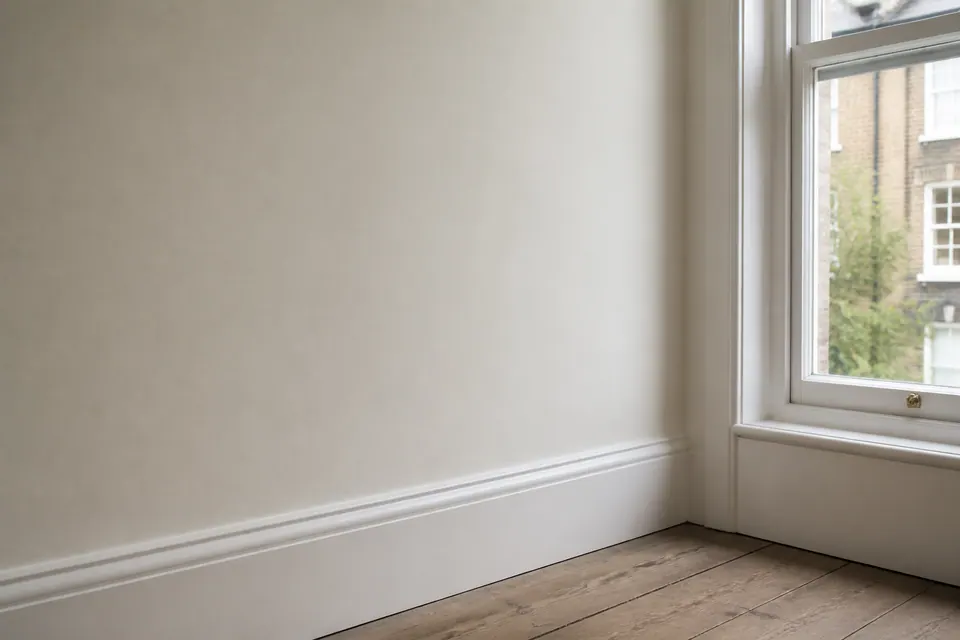
A photograph may show texture without establishing whether a finish is paint, paper or another coating. Use ordinary descriptions and state any uncertainty. Do not scrape material to obtain a sample for the initial enquiry.
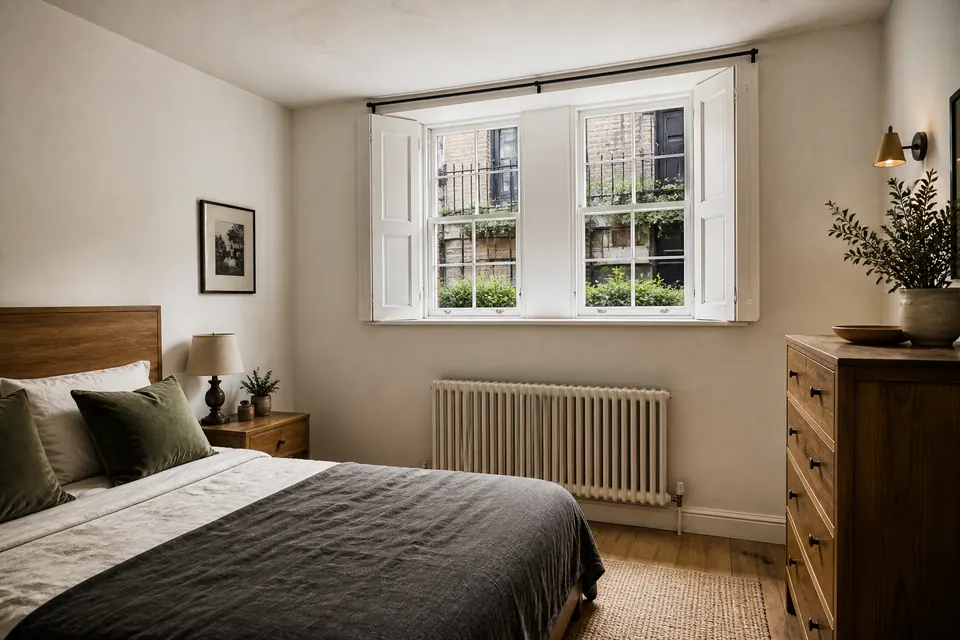
Where a cupboard or recess is partly concealed, explain the obstruction and what has not been seen. An odour or narrow gap should not become a confident description of the entire hidden area.
An image can support a useful question without settling it. Keep the original, unfiltered version and explain anything important that the framing or lighting fails to show.
03 / SEPARATE THE QUESTIONS
Describe the visible mark first, then the suspected explanation as a separate question. This keeps an initial enquiry useful even when neither the material nor the moisture source can yet be confirmed.
| Visible issue | Possible contributing factor | What may need checking |
|---|---|---|
| A mark cropped tightly around glazing | Moisture near the window may be relevant | Show the pane, frame and reveal to distinguish the observations |
| A bathroom ceiling photographed while wet | Repeated moisture may contribute | Explain timing and what is observed between uses |
| A wall image accompanying a repair report | Earlier or continuing moisture may matter | Provide the report date and present material condition |
| Two photographs with different outlines | Recurrence or a change in conditions is possible | Compare the same feature, allowing for framing and lighting |
A photograph-led treatment discussion does not include leak repair, damp investigation, ventilation alteration or material replacement by implication. Where those questions arise, ask which further assessment or trade is needed.
Mould describes fungal growth; damp describes excess moisture. An image can raise either question without conclusively identifying the condition or its origin.
| Question | Mould | Damp |
|---|---|---|
| The term being used | Growth suspected or visible on a finish | Moisture affecting a material or space |
| Useful evidence | An uncropped view of the affected outline | Observed wetness and reliable water history |
| The possible connection | Growth can develop where moisture persists | Excess moisture may create conditions for growth |
| The next enquiry | Can the finish and suitable treatment be assessed? | Does the source of moisture need further investigation? |
Chelmsford / THE PROPERTY BRIEF
Clear evidence still needs an availability check.
Provide the full Chelmsford postcode with the images. Ask whether the address can be served before arranging a visit, and make clear which photographs show the current condition. A forwarded close-up from an earlier inspection should not silently become the basis for today’s treatment area.
05 / QUOTATION, NOT GUESSWORK
Small suitable accessible areas may be quoted using photographs, while repeated, larger or complex concerns can require assessment. For Chelmsford, confirm attendance availability as well as the basis of the quote. Ask which dimensions, materials or access details are still assumptions.
See the main mould-removal service ↗| Scope | Quotation basis | Information still needed |
|---|---|---|
| Clearly shown accessible finish | A photographic quote may be appropriate | Confirm material, approximate dimensions and actual reach |
| Several images showing recurrence or different rooms | Assessment may be necessary | Keep dates and room identities attached to the evidence |
| Unclear substrate or concealed concern | Specialist review may change the scope | Describe what remains unknown instead of pricing it as confirmed growth |
Check the total against the assumptions in the proposal. A price based on photographs should not imply that unseen building conditions, repairs or decoration have been assessed and included.
06 / DIRECT ANSWERS
It may not contain enough information. A wider view, approximate scale, finish description and history help determine whether a photo-led quote is appropriate or whether assessment is needed.
No cosmetic covering should be used to improve the evidence. Ask about the existing condition first; painting does not substitute for considering growth and its moisture context.
Not by themselves. Dates, intervening work and the ongoing moisture question matter. Explain what is known without treating a visual comparison as a diagnosis or a conclusion about earlier work.
They may help scope the work but cannot settle every preparation or material question. Request the proposed duration once the available information and any need for assessment have been reviewed.
Room-use instructions come from the agreed method and circumstances, not a photograph. Ask for those instructions before treatment rather than relying on how the finish looks afterwards.
Show the affected finish alongside nearby fittings and extraction. Describe repeated wetness where observed, keeping equipment performance and repair questions separate from the visible-surface enquiry.
A wider frame view is useful because it locates the mark and shows material boundaries. Include a detail as well, but do not infer a confirmed frame defect from the mark alone.
Only work explicitly agreed belongs in the scope. An image review for mould removal should not be read as confirmation that structural moisture, plumbing or replacement materials have been investigated.
07 / A CONTROLLED APPROACH
Review the labelled views and identify which questions they answer. Note missing scale, unclear material or an unseen boundary before deciding whether assessment is needed.
Confirm the actual working arrangement rather than relying on the photograph alone. Explain any furniture movement or room change since the images were taken.
Limit suitable treatment to the area agreed after review. A cropped image should not silently expand the scope to concealed material or unrelated finishes.
Explain the result in terms that can be matched to the original room labels. Identify remaining stain, damage or uncertainty instead of relying only on another photograph.
A visual record can explain stages without proving a permanent outcome. The schematic does not replace the assessment or method-specific instructions.
Keep the original room label and date.
Work within the confirmed visible-surface boundary.
Record the condition without concealing residual marks.
The diagram is not customer before-and-after evidence. A cleaner-looking image cannot establish that an ongoing moisture contributor has been repaired.
08 / ROOM-BY-ROOM CONTEXT
A bathroom label should identify whether the image shows ceiling paint, sealant or another surface. Those finishes should not be merged simply because they appear in the same room.
For a bedroom image, retain the nearby furniture in the wider view. It explains reach and preparation even where the close-up is intended to show a small mark.
Name the kitchen position and distinguish cupboard material from the adjacent wall. A pipework photograph can support the history but does not replace a view of the finish.
A living-room elevation is easier to locate when a doorway or window is included. Keep that reference in later photographs if the appearance changes.
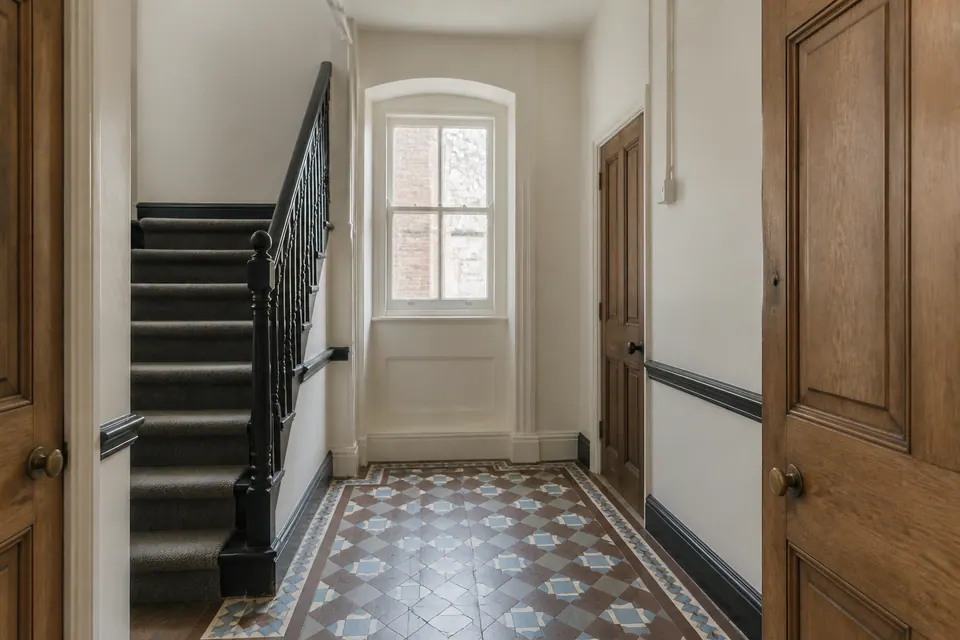
Identify whether an image belongs to the private dwelling or shared access area. Photographing a common wall does not establish permission for treatment there.
State the floor level rather than expecting the image to communicate it. A lower-ground setting and known water history can matter even when the photographed finish looks like any other room.
09 / WHEN IT COMES BACK
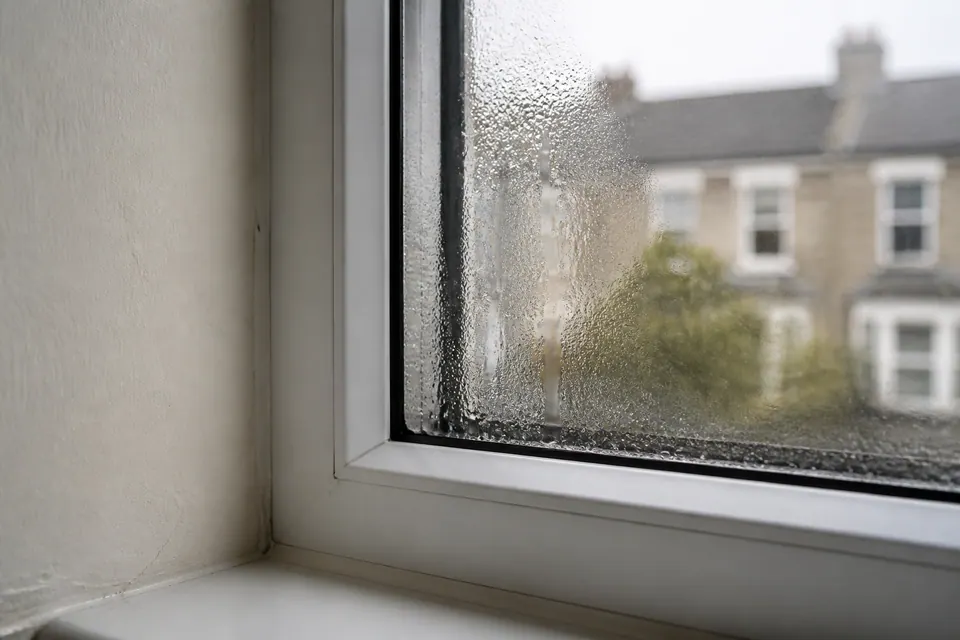
Two images may appear different because the camera moved or the light changed. Compare the outline against the same room feature and give the interval between photographs before describing a patch as spreading or returning.
A repeat appearance can indicate that a moisture condition still needs attention, but photographs alone cannot establish which contributor is responsible. Condensation, a leak or retained moisture may require questions beyond the visible surface.
Keep a brief note of any known cleaning or repair between the photographs. Avoid edited collages that remove dates or crop away the reference features needed to understand what changed.
Chelmsford / PLAN THE APPOINTMENT
Send the full Chelmsford postcode with the images and ask about availability before arranging attendance. Identify which photographs are current and who can explain the room if the enquiry is being organised remotely.
Tell us who took the photographs and who can explain the current condition if the booking is being arranged remotely.
View the Chelmsford area map.
Chelmsford / BEFORE BOOKING
The most useful first message identifies the location, the current visible condition and the gaps in the evidence without pretending a photograph can answer everything.
Use enough to show the room position and the detail clearly rather than many near-identical close-ups. A doorway view, a normal-distance view and a relevant detail can explain different aspects of the same area.
Keep it in at least one wider view. Furniture can explain why part of the wall is inaccessible and what preparation might be needed, even though it is not the focus of the close-up.
Say that it is unknown and describe what you can see. Do not scrape or peel the finish to identify it; suitability may need assessment beyond the initial photograph.
Yes, if their date and source are clear. Explain whether they show the current arrangement and provide a present view where possible, so older evidence is not mistaken for today’s condition.
An approximate dimension is useful only if it can be obtained safely without disturbing the finish. Do not climb or touch affected material to add scale; explain when the size is an estimate.
Use the original image. Filters and heavy contrast changes can alter the apparent colour and boundary, while a short written note can explain what is difficult to see without changing the evidence.
Describe the odour in words and state where it is noticed. A smell can be relevant context but is not confirmation of hidden growth or a reason to open a covered area yourself.
No. Ask about availability for the Chelmsford postcode and wait for the proposed arrangements to be confirmed. Evidence review and an agreed appointment are separate stages.
A photograph records appearance, not the condition behind a finish or the resolution of a moisture source. Keep treatment scope and any separate repair information together without treating either image as certification.
A PROPERTY-SPECIFIC NEXT STEP
Include the postcode, original image dates and a wider view of the room. Explain what the pictures leave uncertain so the next step can be based on evidence rather than a crop.
These property illustrations are not a photographic record supplied by a customer or evidence of a completed treatment.
