
GREENWICH · CARE BEGINS WITH THE INDIVIDUAL RUG
Delicate and Everyday Rug Care in Greenwich
From riverside flats to period homes above the park, Greenwich rooms place different demands on a rug. We first learn how yours was made, what has happened to it and where it can be handled safely.
- Photograph the whole piece in natural daylight
- Give its longest dimensions, including tassels
- Show labels, underside details and the affected corner
- Mention controlled entrances, stairs or parking restrictions
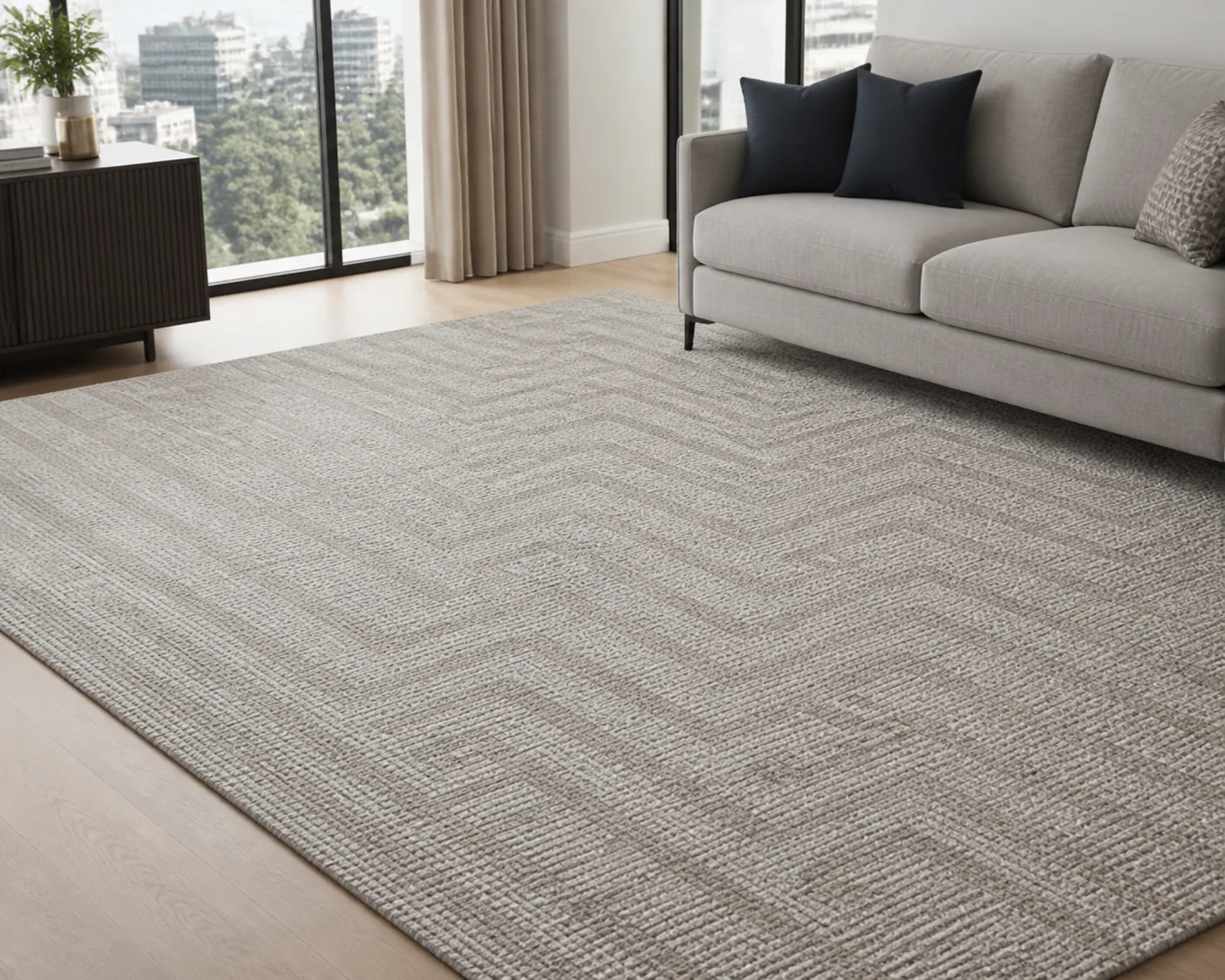
BUILD A USEFUL FIRST IMPRESSION
Tell us what you can see without guessing the answer
The selections create a starting note, not a remote diagnosis.
ANSWERS FOR GREENWICH HOUSEHOLDS
Ten things clients ask before arranging care
Which photographs help with an estimate?
Send one full view, then close images of labels, edges, damage and each area of concern.
Must I know the exact fibre?
No. Share any maker’s label, but call the fibre unknown if you are unsure.
Can you promise to remove the corner odour?
Not before inspection; odour can sit in yarn, foundation, backing or flooring.
Why request measurements?
Length and width establish the size band and help plan movement and workspace.
Should I treat the spot meanwhile?
Blot fresh moisture gently and stop. Tell us about every cleaner already applied.
Does the concierge need notice?
Arrange any controlled visitor access, lift or loading bay before the appointment.
Will faded colour return?
Cleaning cannot replace pigment lost through sunlight, wear or bleaching.
When can furniture return?
We provide timing for the actual item and its drying conditions.
Is price based only on area?
Size is the base; build, condition, access and specialist needs complete the scope.
What does the £68 minimum mean?
Eligible work per visit starts there; suitable services may combine once agreed.
A GREENWICH HOME IS PART OF THE PLAN
The journey from room to workspace deserves attention
Picture a dining rug in an upper-floor development near the Thames: a timed service entrance, protected timber beneath it and a pet-related concern by one edge. Those facts matter as much as the visible pile.
A practical photo set. Capture the shape and furniture placement, then add clear details of binding, underside, rippling and thinning.
Include the name and date of any stain remover, deodorising powder or hired extractor. This history may explain residue or colour response.
A complete Greenwich handover note
Identity: Say where the rug was bought and used.
Dimensions: Measure the furthest points both ways.
Location: Mark the problem on an overall image.
Material: Photograph the label.
Palette: Highlight contrasting motifs.
Construction: Mention pile or attached backing.
Perimeter: Capture tassels and weak ends.
Underside: Look for stamps and patches.
Products: List home remedies.
Timing: Date the incident if possible.
Entry: Explain the carrying route.
Flooring: Flag delicate finishes.
Space: Describe ventilation.
Placement: Keep weight away until cleared.
Priorities: Rank soil, appearance and odour.
Outcome: Separate cleaning potential from damage.
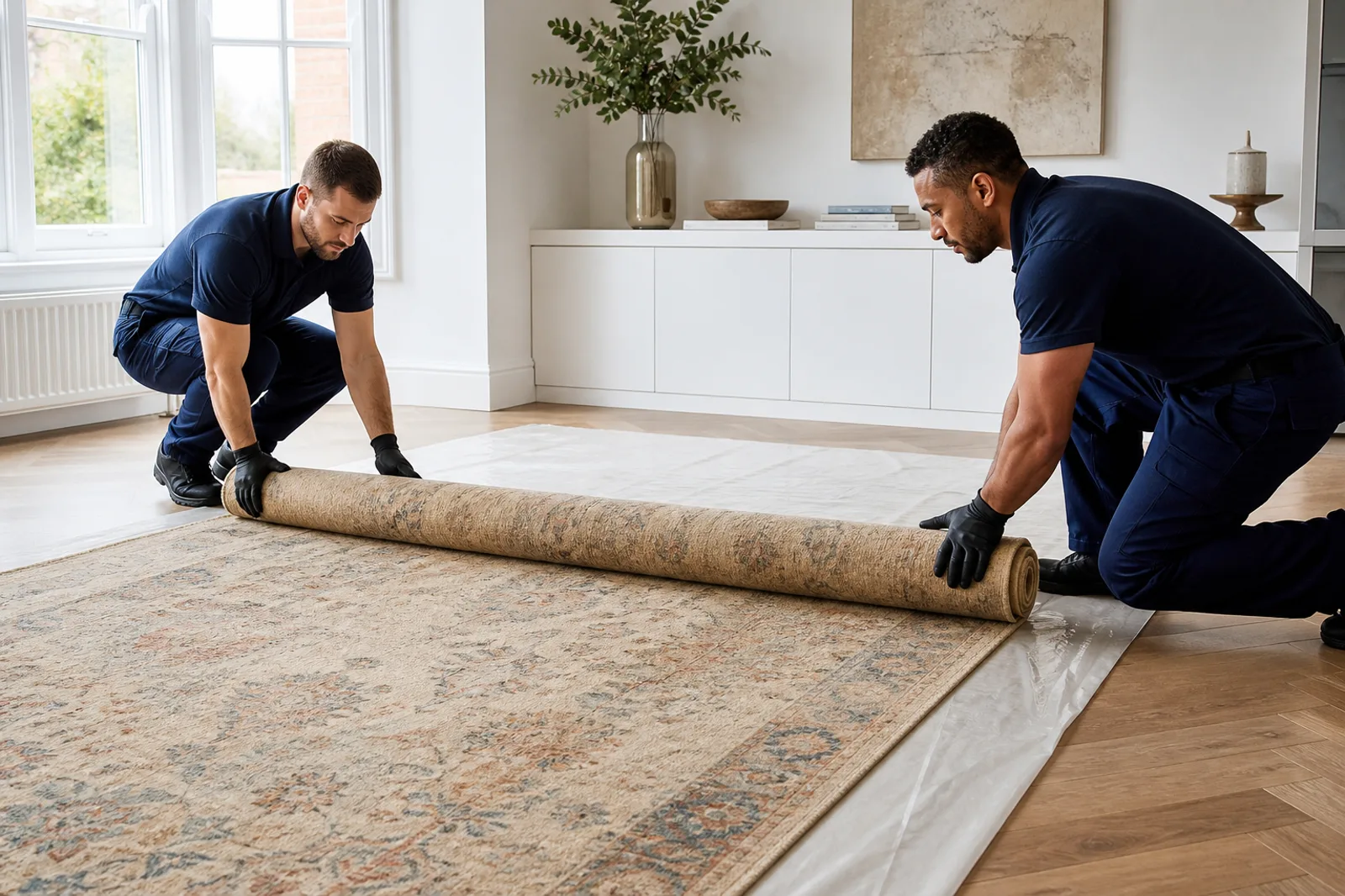
GREENWICH SIZE GUIDES
Dimensions provide the opening price band
We also consider weave, fibre response, present condition, property access and agreed additions.
MORE THAN A FIBRE LABEL
Four characteristics can change the handling decision
Similar material names can conceal different dyes, foundations, finishes and repairs.
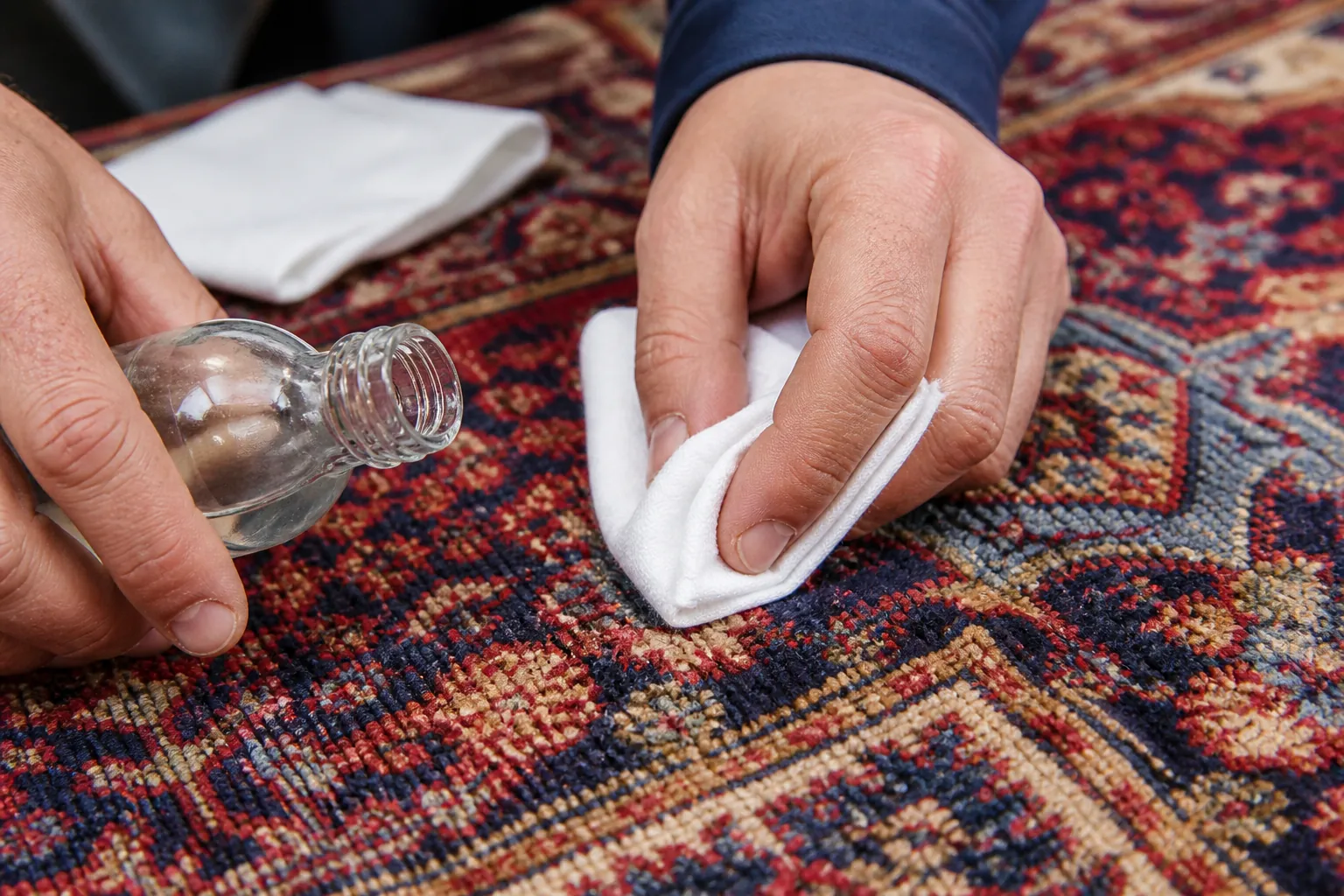
Yarn and finish
Density and absorbency define sensible boundaries.
Dye response
Checks reveal where transfer needs caution.
Foundation and backing
Hidden layers influence moisture movement.
Repairs and edges
Fragile areas are documented before movement.
MAKE THE FIRST MESSAGE COUNT
A concise brief prompts better follow-up questions
Accurate observations, useful pictures and honest uncertainties are enough.
- Greenwich postcode
- Full length and width
- Complete textile photograph
- Detail of the odour concern
- Maker’s tag and underside
- Fraying, repair or loose fringe
- Products previously tried
- Floor and furniture arrangement
- Stairs, lift and loading details
Before confirming a visit
Will images settle the method?
They support planning, but direct checks may change the recommendation.
Does every dark patch mean dirt?
No. Shadowing, wear, dye change and residue can look similar.
Can drying finish at an exact hour?
Airflow, backing and humidity make item-specific advice essential.
Should the table return immediately?
Keep weight away until advised to protect rug and floor.
FROM ARRIVAL TO HANDOVER
A measured sequence keeps decisions tied to evidence
Each observation determines what suits this particular rug.
- 01
Survey
Locate wear, residue and weak areas
- 02
Test
Check fibres, colours and hidden layers
- 03
Release dry matter
Reduce loose particles appropriately
- 04
Address priorities
Work within confirmed limits
- 05
Control drying
Balance airflow and construction
- 06
Review
Revisit field, perimeter and tassels
- 07
Handover
Explain aftercare and placement
LOOK-ALIKE PROBLEMS
The appearance of a patch cannot reveal its cause
Grease, flattened pile, faded dye and chemical bleaching may reflect light similarly. Assessment separates removable contamination from physical alteration.
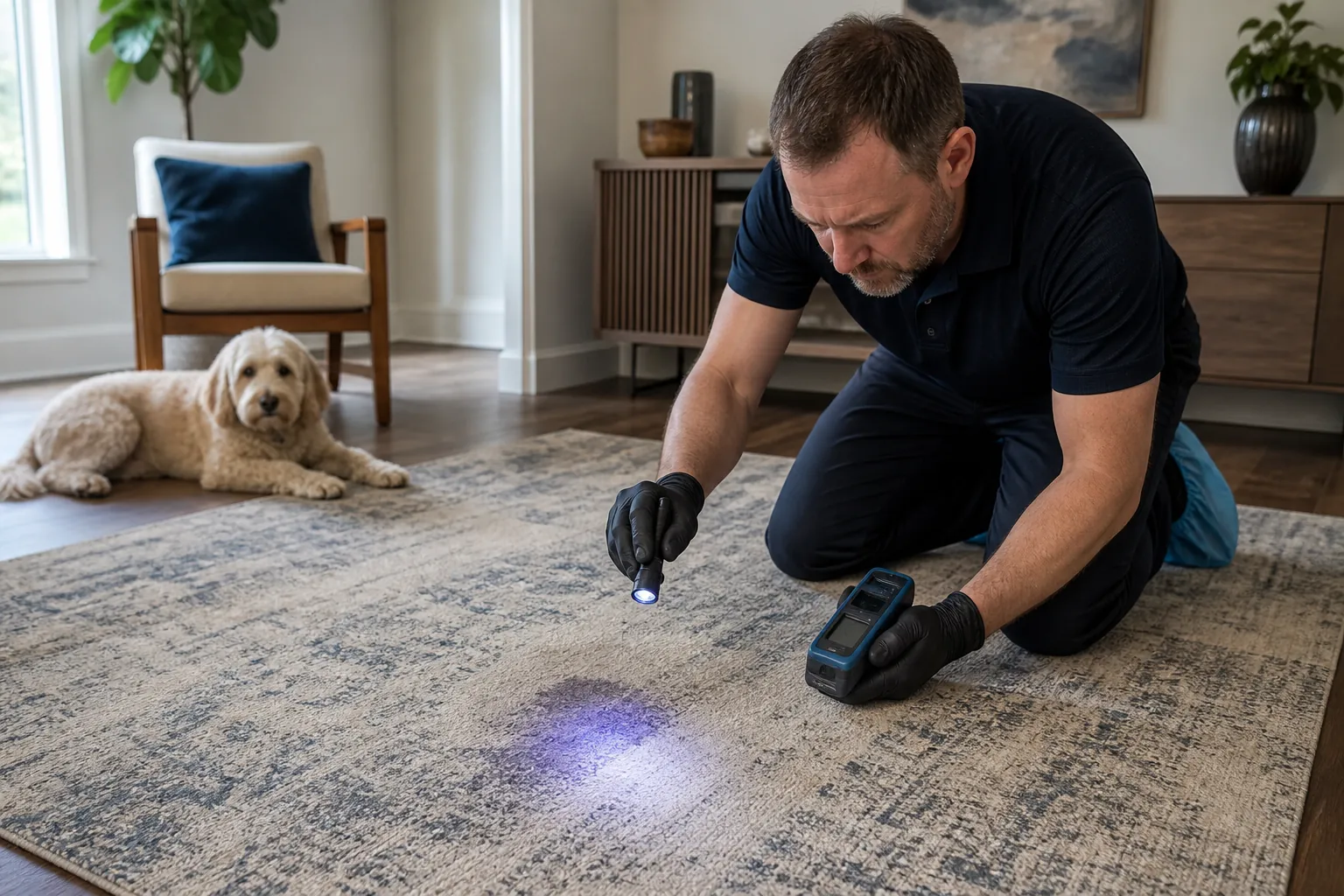
WHEN LIQUID TRAVELS DOWNWARD
Odour can extend beyond visible fibres
A pet incident may pass through face yarn into the structure or floor. Describe the event and previous treatment honestly.
- Cause and approximate time
- Whether the underside became damp
- What was sprayed, rinsed or extracted
- Expectations pending examination
BEGIN WITH YOUR GREENWICH RUG
Send the textile’s story, not only a stain close-up
A few well-chosen details create a sound basis for the next conversation.
