
HACKNEY · RECORD THE LIFE AROUND THE RUG
Rug Cleaning for Busy Hackney Rooms
A rug beside a front door tells a different story from one beneath a dining table. Our Hackney enquiry begins with use: where feet turn, where chairs move, what children or pets bring to the surface, and which marks appeared suddenly.
- Show the complete rug in its normal position before moving anything
- Mark the busiest walking line and any isolated spill separately
- Include doorway width, stairs and the place available for handling
- Identify the supporting floor without treating it as part of the rug
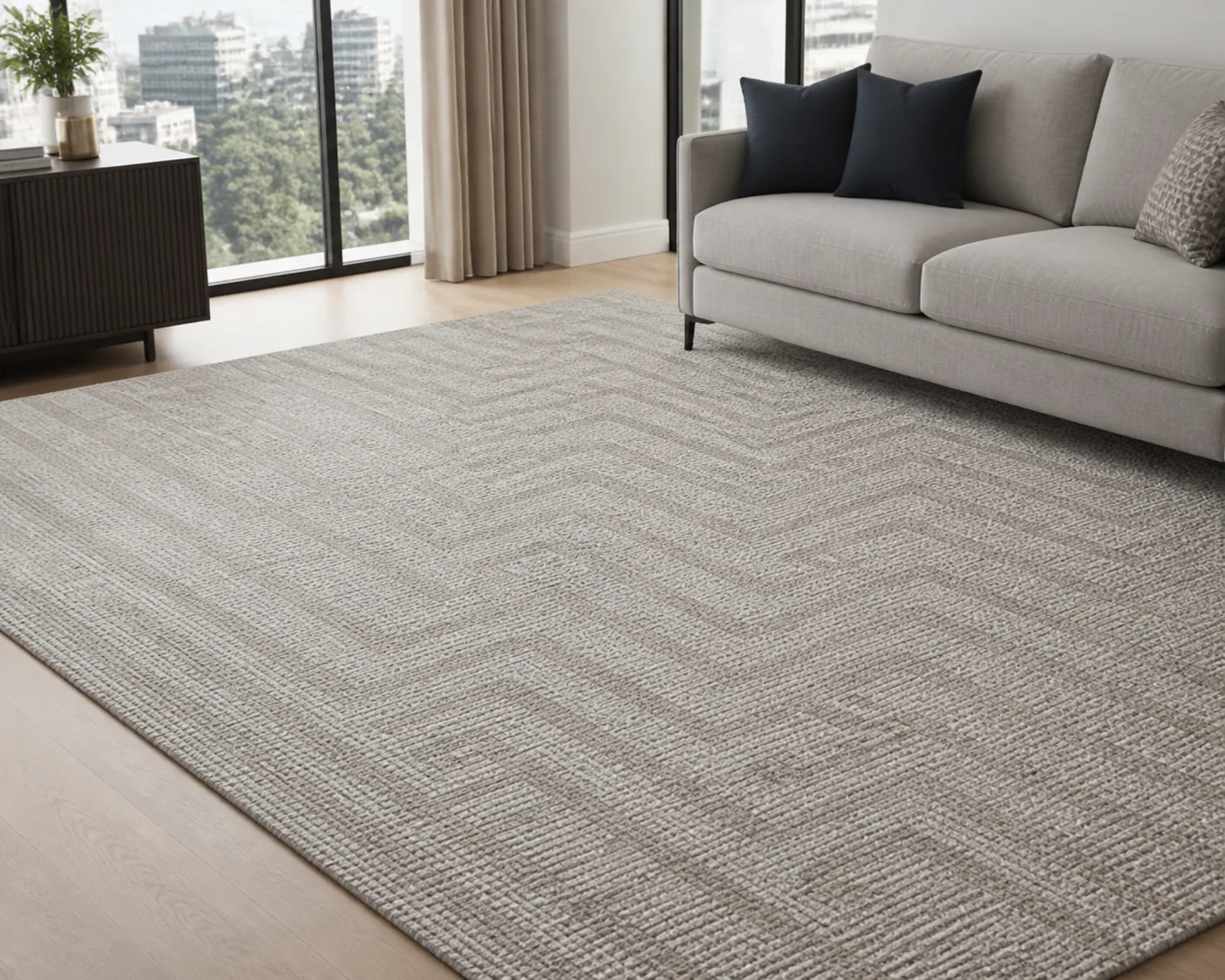
MAKE A CONDITION MAP
Sort observations by place, not guesswork
These prompts organise evidence; they cannot identify fibre or prescribe a process remotely.
A DAY-TO-DAY HACKNEY SCENARIO
The route through the room explains much of the wear
In a converted terrace, the sitting room may also lead to a kitchen or garden. A rug across that route receives turning pressure, outdoor particles and chair movement. A photograph from each doorway reveals this pattern better than a close-up.
Example brief. A low-pile rug lies over painted boards. Its centre looks darker than the protected area beneath the sofa, and one edge curls near the hall. The owner supplies dimensions, a reverse image and the name of an old foam product.
Interpretation boundary. The central change is considered alongside compression and residue rather than labelled a stain. The curling edge is documented as condition; the boards remain outside this service.
Hackney handover record
Outline. Length, width and an unobstructed view establish scale.
Orientation. The image identifies which edge faces the entrance.
Pressure. Chair legs, wheels and repeated turns are mapped.
Comparison. Protected pile provides a useful reference.
Reverse. Backing, foundation and labels receive separate views.
Edges. Curling, loose binding and worn corners are described without promising repair.
Events. Known liquids and first responses are recorded chronologically.
Animals. Repeated incidents are separated from a single fresh event.
Access. Parking restrictions, stairs and lift dimensions belong in the booking note.
Priorities. Appearance, residue and odour are ranked independently.
Limits. Wear, dye loss and damage are not represented as removable soil.
Handover. Ventilation and furniture timing follow the actual method.
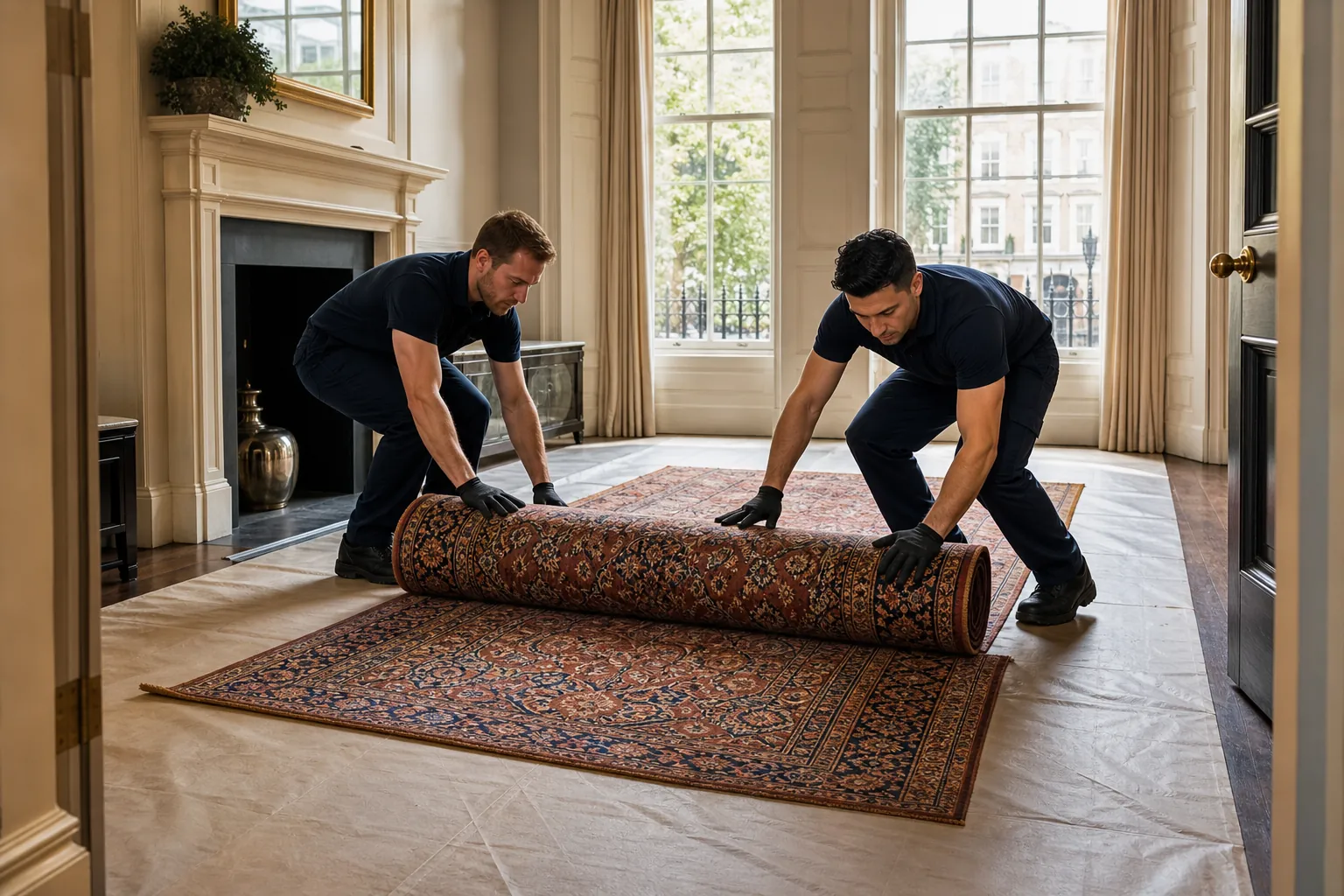
CURRENT AREA GUIDE
Measure first; add complications afterwards
Area starts the estimate. Construction, fragile sections, past applications, carrying difficulty and agreed extras can change the final quotation.
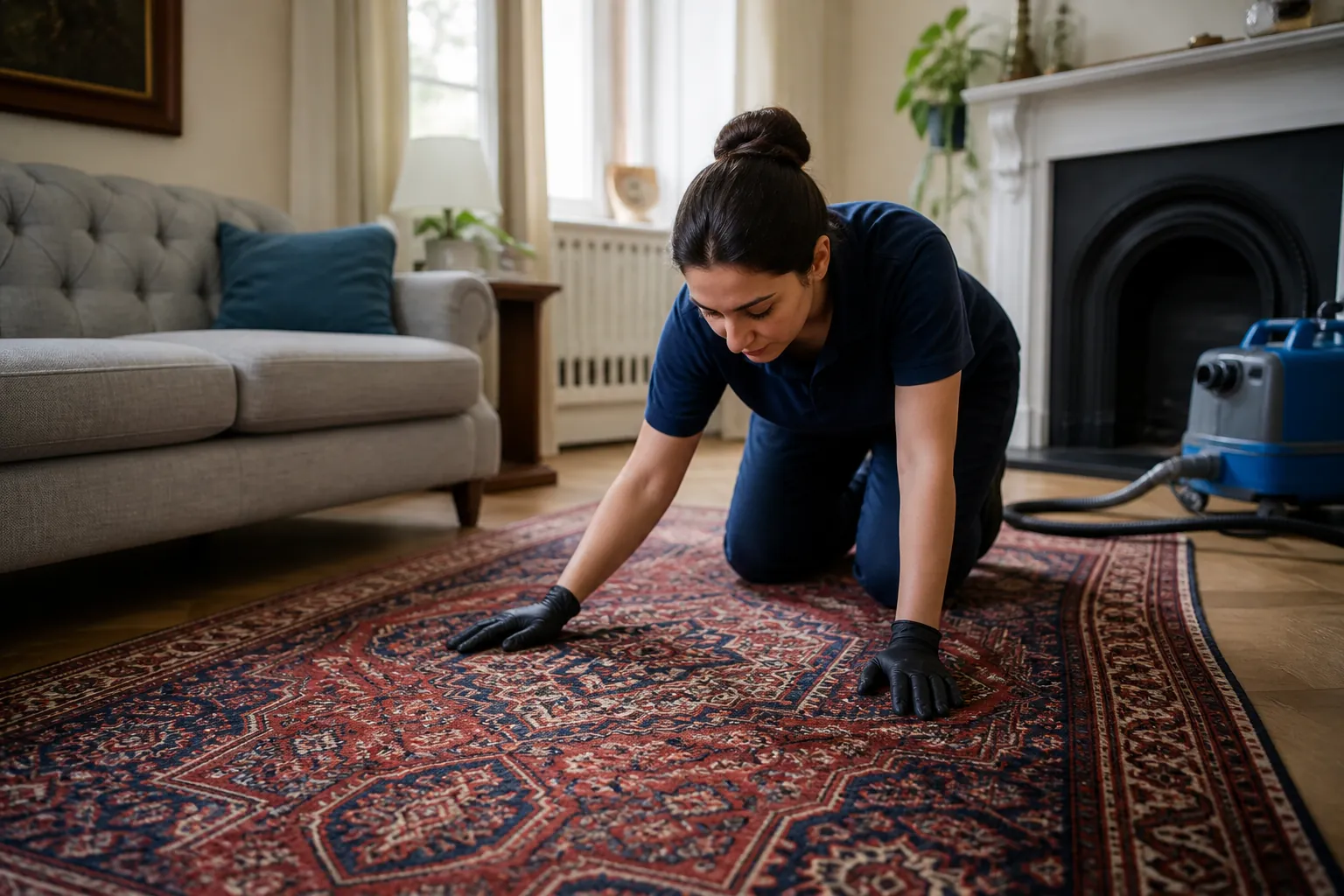
READ THE TRAFFIC STORY
Four comparisons sharpen the assessment
Compare exposed and sheltered areas, face and reverse, centre and perimeter, then current condition with any older photograph.
Main walking lane
Loose grit, flattened pile and transfer may overlap.
Under movable furniture
A sheltered patch can reveal original shade.
Foundation evidence
Staining beneath may alter the proposed boundary.
Edges under tension
Bindings may need gentler handling than the field.
BEFORE REQUESTING A DATE
Send one coherent evidence set
- Hackney postcode and floor level
- Length and width in centimetres
- Whole-room view from the entrance
- Straight image of the complete face
- Reverse, label and four corners
- Close-ups paired with wider references
- Timeline for spills or odours
- Products already attempted
- Stair, lift or loading restrictions
Four useful distinctions
Can vacuum lines be used to judge colour?
No. Pile direction changes reflected light, so views from opposite sides help.
Is the painted floor included?
Not automatically; removable textile and supporting surface are separate scopes.
Should a curled corner be taped?
Photograph it first and avoid adhesives that can leave residue.
Can furniture stay in place for measuring?
A preliminary size is possible, but the full outline must be confirmed.
FROM THRESHOLD TO HANDOVER
A room-use sequence for Hackney rugs
Each checkpoint separates removable matter from use-related change.
- 01
Locate
Mark doors, furniture and walking lines
- 02
Compare
View exposed pile beside a sheltered reference
- 03
Verify
Inspect backing and colour behaviour
- 04
Prepare
Agree lifting and weak-edge limits
- 05
Work
Stay within recorded boundaries
- 06
Review
Recheck traffic and isolated concerns
- 07
Release
Explain return and furniture timing
HACKNEY QUESTIONS
Ten answers for a lived-in room
What is the best first photograph?
Stand at the doorway and include the textile, furniture and walking route.
Does a darker centre always mean dirt?
No. Soil, crushed pile, abrasion and light direction can look alike.
Do you need the label?
Yes when available, though it does not replace assessment.
Can an old drink mark be guaranteed away?
No. Age, fibre, dye change and earlier products affect the outcome.
Why photograph the underside?
It may reveal construction, transferred liquid, repairs or unstable backing.
May I add stain remover?
Avoid new products; blot safely and report previous attempts.
How long will drying take?
Method, pile, backing, ventilation and daily conditions determine it.
What should be moved?
Clear small possessions and agree heavy furniture separately.
Is odour treatment certain?
No. Contamination may extend through the foundation or floor below.
How does the £68 figure work?
It is the current visit minimum; confirmed combined work determines how it applies.
A MARK HAS A TIMELINE
Record what happened before describing what remains
State the liquid, approximate date, first response and later attempts. This history often matters more than a dramatic close-up.
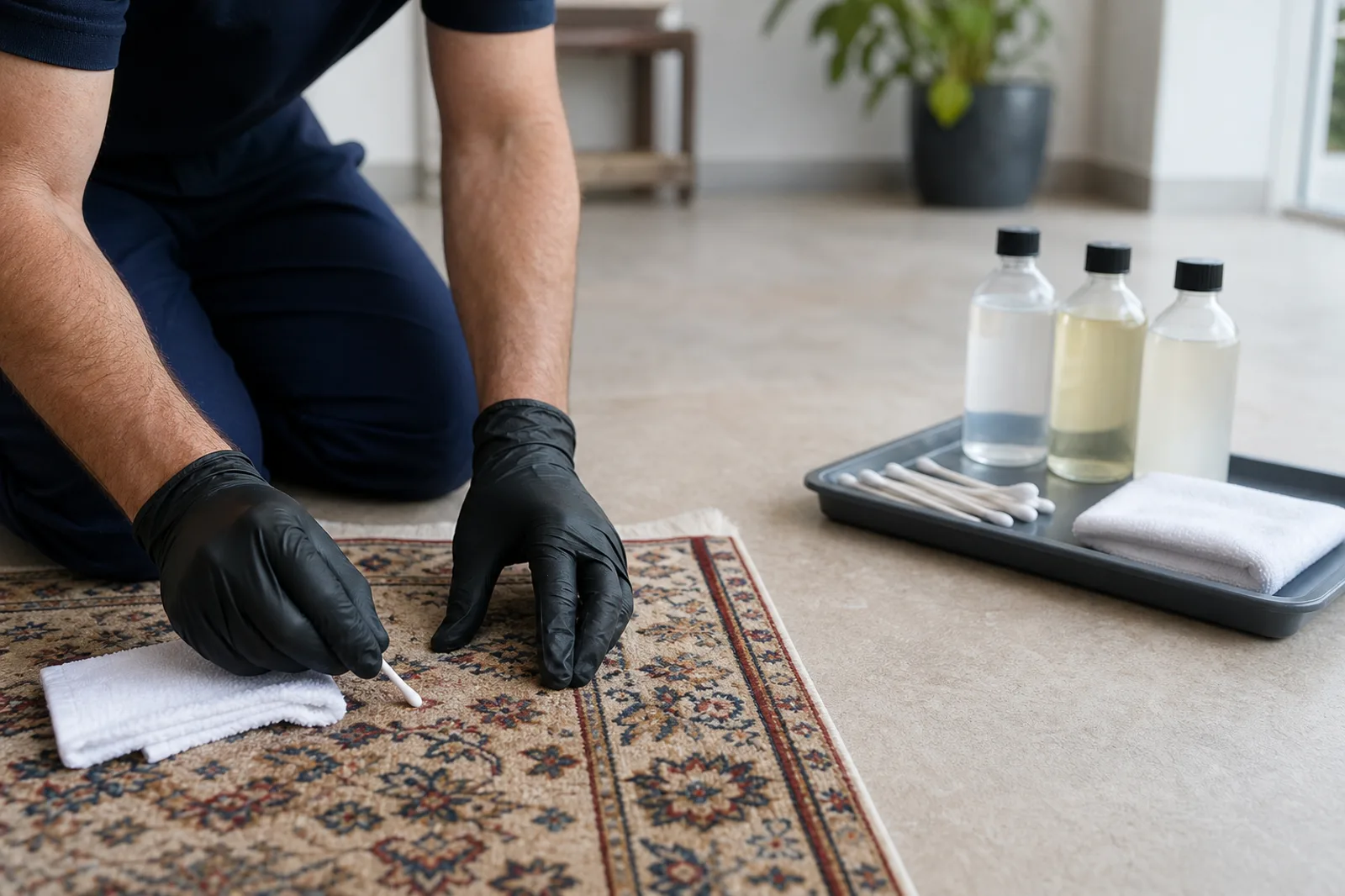
ODOUR MAY CROSS SURFACES
Lift only when the route is agreed
Where smell is strongest near one corner, the textile and floor may require separate investigation.
- Map intensity before airing
- Match face and reverse views
- Identify underlay material
- Keep floor work separately quoted
START WITH THE REAL ROOM
Turn everyday use into a precise Hackney brief
An overview, measurements and event history give the enquiry a grounded start.
