
How to Choose a Locksmith in London: 10 Essential Checks
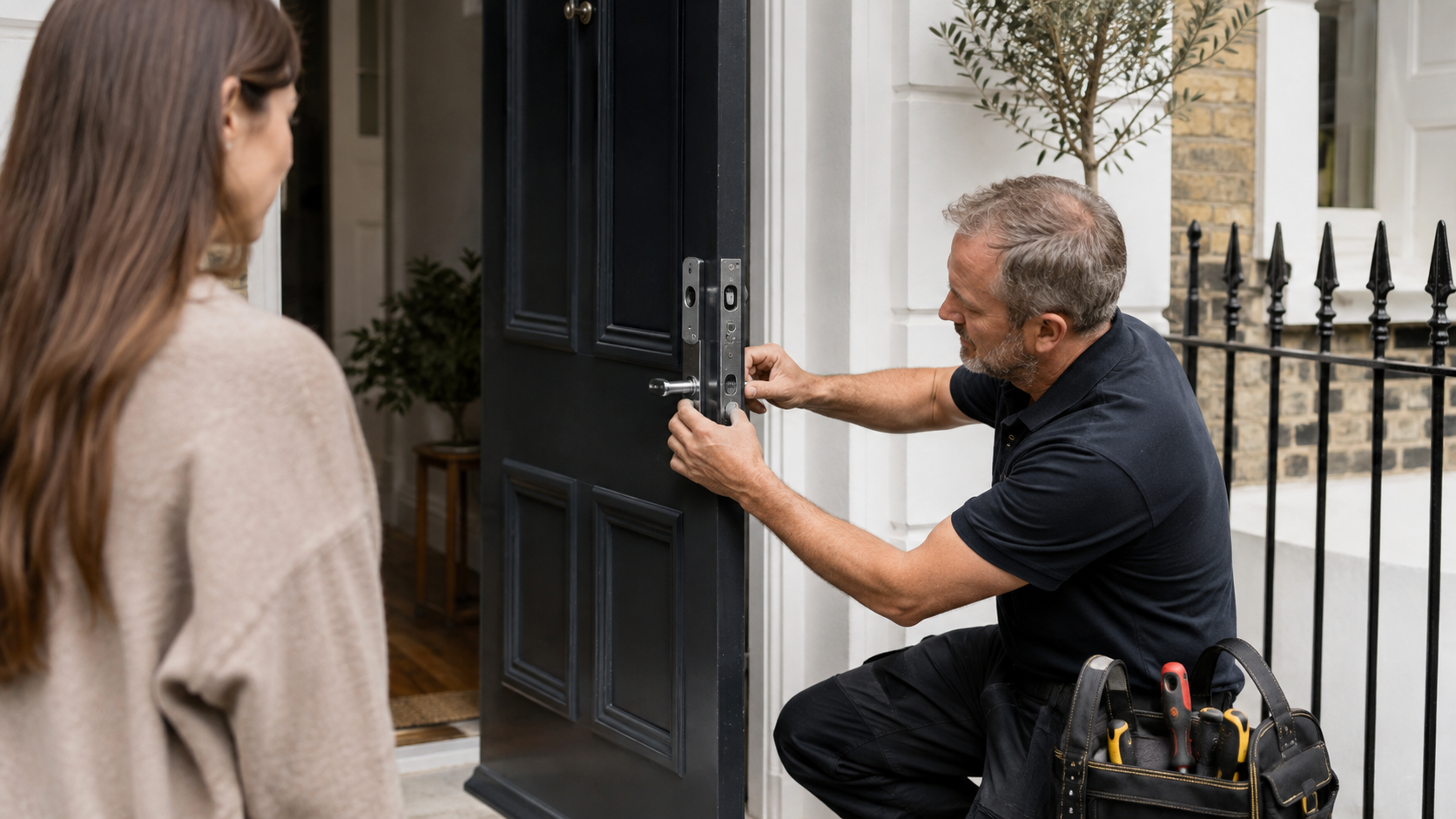
Choose a locksmith by verified identity, relevant experience, clear written pricing and a willingness to explain non-destructive options. Do not select solely by the first sponsored result or the lowest call-out figure.
This updated guide avoids an unverifiable ranking of companies. Instead, it gives consumers a repeatable way to assess any provider. The Master Locksmiths Association maintains an approved-company network, while an independent London locksmith service should still explain scope and price before work begins.
Verify the business identity
Ask for the trading name, address, technician name and a working number that matches the booking confirmation.
Treat the visible symptom as evidence rather than a complete diagnosis. Check the surrounding conditions, note when the issue appears and change one variable at a time. That gives you a useful comparison and avoids spending money on a remedy that does not address the cause. Photographs and short written notes are often more useful than memory when you later compare results or brief a professional. Before acting, compare the current condition with what normal should look, sound or feel like. Use the maker’s instructions and authoritative guidance where they exist. Internet shortcuts often omit model, material or tenancy differences. If two reliable sources appear to conflict, follow the more specific instruction for the exact product or legal arrangement and ask the responsible organisation to clarify the remainder.
- Check an independent directory
- Save the written quote
- Ask who will attend
Look for relevant approval and training
MLA approval provides one useful verification route, but still check that the technician handles your lock and property type.
A sensible plan separates low-risk household checks from work that needs training, test equipment or access to protected components. Complete only the checks you can perform without dismantling, bypassing safety features or using an unsuitable chemical. If the result is unclear, stop with the area in a safe condition and pass on the observations you have already collected. Think about who else uses the home. Children, pets, older residents, tenants and visitors may encounter a temporary hazard or undo a control measure without knowing it. Explain any restriction, label equipment that must not be used and keep routes, switches and shut-offs accessible. A technically correct step is not a safe plan if another person can unknowingly reverse it.
- Confirm membership independently
- Ask about insurance
- Match experience to the job
Describe the lock accurately
Photographs of the door edge, handle and lock face help distinguish cylinders, mortice locks and multipoint systems.
Good results depend on preparation. Clear enough space to work, protect nearby finishes and read the manufacturer or supplier instructions before starting. Set a realistic stopping point as well as a goal. Rushing the final stage commonly causes damage, leaves residue behind or hides information that would have helped identify a larger problem. Use tools and products for their stated purpose and inspect them before use. More force, more heat or more chemical rarely substitutes for correct technique. Protect adjacent paint, flooring, fabrics and electrical fittings, and never mix products unless the manufacturer explicitly permits it. Stop if the material changes colour, swells, cracks, becomes unusually hot or produces an unexpected smell.
- Do not share key codes
- Mention door material
- Explain whether the key is lost or broken
Ask for a complete price structure
Clarify call-out, labour, parts, VAT, parking and out-of-hours charges before dispatch.
Judge the outcome after the area or item has returned to normal conditions. Moisture, heat, lighting and temporary cleaning marks can make an immediate result misleading. Recheck later, record anything that returns and compare it with the starting condition. A recurring pattern is a reason to investigate further rather than repeat the same short-term treatment indefinitely. Make the review specific. Decide what success means, when you will check it and which sign would trigger escalation. “Looks better” is less useful than a dry surface, stable fitting, clear airflow, normal cycle or written confirmation. If the improvement lasts only briefly, the underlying cause may still be present even though the immediate symptom has been cleaned, reset or moved.
- Request a range where inspection is needed
- Ask when time charging begins
- Reject vague cash-only pressure
Expect non-destructive entry first
For many lockouts, a competent locksmith should assess picking, bypass or other non-destructive methods before drilling.
Cost and convenience matter, but they should come after scope and safety. Ask what is included, what information could change the price and who is responsible for access, preparation and disposal. A clear written scope makes competing options easier to compare and reduces the risk of an attractive headline price becoming poor value once extras are added. When comparing paid help, ask each provider to respond to the same description and photographs. Confirm whether diagnosis, labour, materials, removal, parking and VAT are included. Check what happens if the first assumption is wrong. A professional answer should identify uncertainty openly and explain the next test, rather than guaranteeing a result before anyone has inspected the relevant conditions.
- Ask why drilling is necessary
- Request the old parts
- Approve replacement grade before fitting
Check replacement security
A quick opening should not end with a weaker cylinder or poorly aligned door.
For a London home, access can change the practical answer. Stairs, restricted parking, communal entrances, small lifts and close neighbours affect timing and safe working. Mention these details early. They may influence equipment, crew size or appointment length, and they are much easier to plan for than to discover after work has begun. Prepare access without creating new risk. Move only items you can handle safely, keep valuables and personal documents secure and tell the provider about alarms, pets, permits and restricted working hours. In flats, consider neighbours and communal rules. A few accurate access notes can prevent a failed visit, rushed lifting, unsuitable equipment or an avoidable dispute over waiting time.
- Ask for product grade
- Test all keys
- Check the latch and frame
Treat emergency pressure carefully
You can still ask identity, price and method questions during a lockout. Keep communication written where possible.
Do not rely on a single rule of thumb when the condition varies from property to property. Use the guidance as a decision framework: observe, compare, take the lowest-risk useful action and review the result. This approach is slower than guessing for a few minutes, but it is much faster than correcting avoidable damage or repeating ineffective work. Households should adapt the sequence to the real pattern of use. A frequently used appliance, shared tenancy, busy family room or high-traffic entrance needs more frequent observation than an occasional-use space. Do not turn that variation into guesswork: set a baseline, note the next two or three uses and adjust only when the evidence consistently points in the same direction.
- Wait in a safe place
- Tell someone your location
- Call police for an active break-in
Keep paperwork and review the result
An invoice should identify work, parts and guarantees. Test the door from both sides before the technician leaves.
Keep the final record with household documents where it can be found again. Product instructions, invoices, photographs and dates create a useful maintenance history. They help another resident or contractor understand what has already been tried and prevent the same uncertain diagnosis from starting again every time the symptom returns. After completion, restore guards, covers, furniture and stored items only when the area is ready. Dispose of waste through an appropriate route and wash reusable tools as instructed. Tell other occupants what changed and what must still be monitored. This final handover prevents a finished task from creating a new trip, moisture, fire, access or maintenance problem elsewhere in the home.
- Keep proof of payment
- Photograph fitted hardware
- Report defects promptly
Frequently asked questions
How much should a London locksmith cost?
There is no single price. Lock type, time, access, parts and method matter; compare the complete written scope.
Should a locksmith always drill the lock?
No. Drilling may be necessary in some cases, but it should follow assessment and explanation.
Can a locksmith ask for proof of address?
A responsible locksmith may seek evidence that you are authorised to enter the property.
Practical next step
Save one verified provider before an emergency and photograph your lock type without recording key details. For planned upgrades or urgent access, request a written scope from Alesta locksmith services.
