
Added items need a route
A shelf added after the first photographs may not follow the same path as the boxes. Identify attached furniture, awkward turns and fixed projections before treating it as ready for collection.
Hackney / Storage with an Inventory You Can Update
The useful inventory is the one that matches collection day.
Household plans change while rooms are being packed. Keep a current list of the belongings you want assessed, showing definite items separately from possible additions. A newly included cabinet needs more attention than an unexplained increase in the carton count.

Choose your starting point
Use the selector to introduce the confirmed belongings. If another room may be added later, explain that uncertainty without presenting its contents as an accepted part of the current storage plan.
Inventory focus
Keep carton counts current and highlight changes when sending a revised inventory. Update fragile-content notes too, while keeping essential documents and daily necessities outside the load.
Add this to your inventory ↓
Collection is part of the storage plan
A shelf added after the first photographs may not follow the same path as the boxes. Identify attached furniture, awkward turns and fixed projections before treating it as ready for collection.
Keep loading information current as well as the quantities, including any changed restrictions.
Photograph a newly added substantial piece and its route instead of relying on earlier images.
Send revised entry contacts before the collection uses an obsolete instruction.
Identify any shelving that is attached to a wall and outside the agreed move.
Flats and apartments: update shared-route information if the load changes. Mansion blocks: check that reservations still match the revised collection. Houses: identify the starting room of any added furniture. Rental or managed properties: keep the current release contact with the latest list.
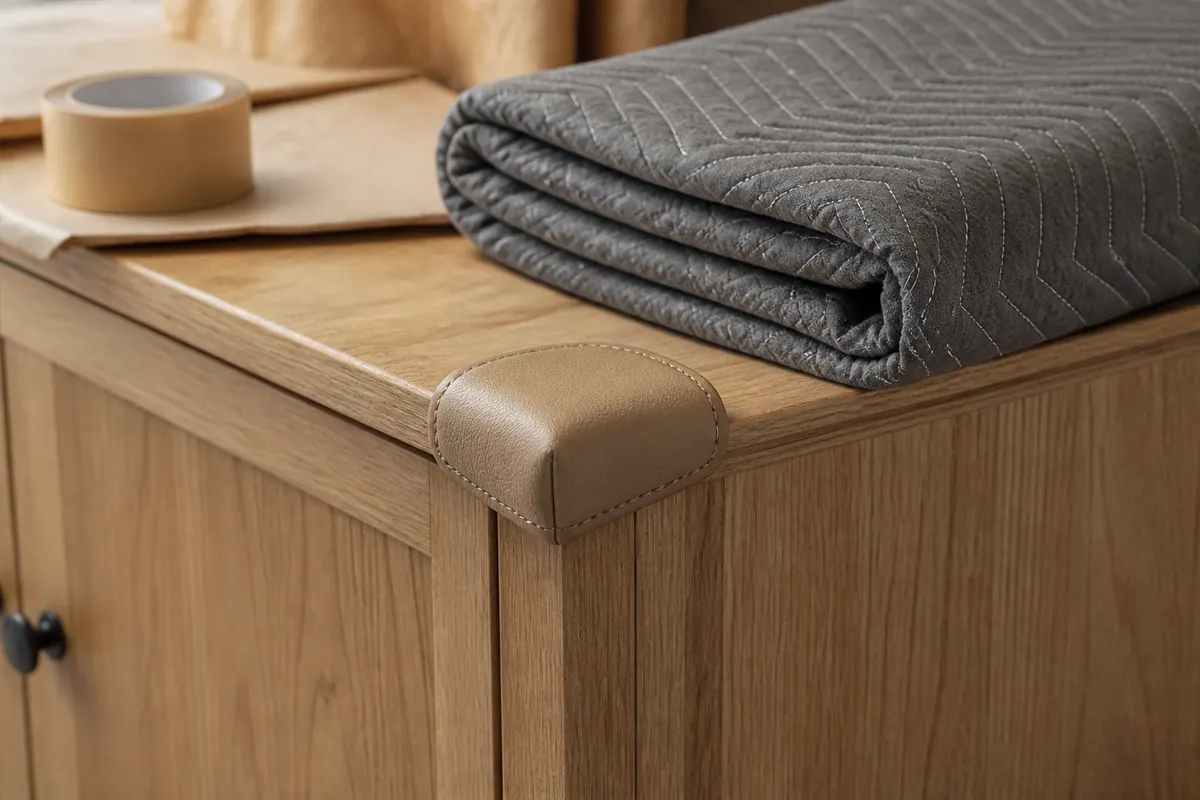
Hackney, before collection day
An early inventory can become inaccurate while cupboards are emptied and furniture decisions change. Keep the current Hackney selection identifiable, with additions highlighted rather than buried in a new total. A changed cabinet or destination can require more review than several altered carton quantities. The collection instruction should use the version actually agreed, not whichever photograph was sent first.
Your item-list example: freestanding household shelves, closed cartons and a dining bench. This is an illustration for the enquiry, not a description of a booked job. Record the actual pieces and quantities you want assessed.
Identify any shelving that is attached to a wall and outside the agreed move. Update the box list when a carton is added, removed or assigned a different destination.
Plan the route out of your property ↓A useful first conversation
A dated list avoids competing versions in messages and photographs. Include quantities and dimensions, then flag the changes when you send an update so an important furniture addition is easy to notice.
What changes at home?
Sorting may uncover furniture you decide to retain. Update the brief while there is still time to assess it; collection day should not become the first point at which the team learns about another substantial piece.
If renovation changes the retained selection, send the revised list rather than adding furniture silently.
Remove items assigned to sale or disposal from the current storage version.
Update seasonal references when contents or intended retrieval change during packing.
Dimensions before estimates
A few extra cartons and a broad sideboard can change the arrangement differently. Space, protection and the route must be reconsidered against the actual addition rather than a single overall item count.
Measure the definite pieces in the current list version.
Flag any newly added rigid or awkward item.
Reconcile room groups after additions and removals.
Review the updated household inventory rather than earlier estimates.
An inventory update does not automatically approve new kinds of belongings. Declare unusual additions for suitability review.
The timetable can change
| Planning point | A shorter gap | A longer arrangement |
|---|---|---|
| Typical purpose | A confirmed load during a short transition | An evolving household plan over a longer period |
| Preparation | Match packing to the current item record | Recheck sensitivity when the proposed period changes |
| Retrieval | Update any revised receiving appointment | Record new priorities against specific references |
| Duration | Confirm which list and dates underpin the agreement | Request changes before relying on revised terms |
| Quotation | Latest inventory, access and transport instructions | Revised load, agreed time and release requirements |
Changing the expected return can matter even when the physical load stays the same. Discuss any extension or earlier release against the agreed terms instead of assuming inventory accuracy settles the timetable.
Plan the return before the departure
If a carton changes contents or return priority, update its written entry too. The reference should identify what you will actually request later, not an earlier packing plan that no longer exists.
Need earlier
Need later
Keep essentials and irreplaceable records separately. A revised priority is a request, not immediate retrieval permission; confirm notice, release procedures and charges against the updated list.
Revise the written entry when a box’s label or contents change.
Add new fragile components to handling notes; never treat them as load-bearing packing.
Change the expected-use reference if a seasonal carton is repacked.
One connected arrangement
The agreed collection should refer to the list used for assessment. Before preparation or transport is arranged, resolve provisional items and communicate any replacement, removal or changed destination.
Check whether new pieces change the original route assessment.
Revise preparation requests when an item’s condition or assembly changes.
Use one clearly identified inventory version for the agreed movement.
Match the accepted record to the belongings actually retained.
Submit changed priorities before the return is organised.



Scope first. Quote second.
For Hackney, provide a brief change summary alongside the full list. Additional volume, new preparation tasks or a different destination may need reassessment before the original price can be relied upon.
| Service scope | Price approach | Main factors |
|---|---|---|
| Volume & access assessment | Assessment using the current version | Confirmed quantities, added dimensions and suitability |
| Collection & placement | Reassessed if access or items change | New preparation, load differences and revised routing |
| Ongoing storage | Price tied to the confirmed period | Current volume and any changed retrieval pattern |
| Final retrieval / delivery | Updated return instructions agreed | Latest group references and confirmed destination |
Extra furniture, new preparation and altered destinations can change the total. Ask whether the current quote still applies, including storage terms, facility costs and insurance decisions.
Direct answers before you book
Yes, send the revised list and identify the changes. New items or instructions need assessment before being treated as covered by the existing arrangement.
Give its dimensions, condition and location within the property. A furniture addition should not be hidden inside a revised total item count.
For your own records that can help, but make the current version unmistakable. State which list supersedes earlier instructions when contacting the team.
Advise the team before collection. The accepted scope and quotation should reflect the revised inventory; do not assume a particular price adjustment without confirmation.
Do not rely on spare transport or storage capacity. Raise additions beforehand so handling, suitability and any quotation change can be reviewed.
References help connect each image with dimensions and handling notes. They are particularly useful when several similar cabinets or cartons appear in the same room.
Update its entry and any fragile or suitability notes. The label and written inventory should describe the contents actually being handed over.
It may change transport and destination access requirements. Provide the new details before requesting a confirmed delivery.
Describe it as fixed and request advice on the separate work required. Removal from the building is not automatically included in moving its contents.
Check the agreed extension process and costs. A change to your household schedule does not create an open-ended storage entitlement.
Review quantities, item references, access and return priorities. The builder prepares an enquiry; it does not verify acceptance or book the load.
Keep the move connected
Packing or transport discussions should use the same item record as storage. If a preparation task changes, tell the team so responsibilities do not diverge between separate parts of the enquiry.
Use the latest selected list when discussing a smaller journey.
Notify the packing discussion when new preparation is required.
Reassess furniture transport after a substantial inventory addition.
Alesta customer feedback / Furniture removal & packing
“I used Alesta Services for furniture removal and packing when I moved houses. The team was incredibly careful with my belongings and made the whole process seamless.”
James W. · Existing Alesta review, not a storage testimonial for Hackney.
Hackney / Service area
Share your Hackney postcode, floor, building entry arrangements and intended collection point. For the full household scope, visit Storage Services.
Provide the Hackney postcode and route information in the private enquiry. Mark any collection contact or destination change clearly; neither follows automatically from revising the box quantities.
A little space. A clear next step.
A clear current version, with changes highlighted, is more useful than several inconsistent drafts. Include the outstanding questions before asking the team to confirm the next step.
