
One household return
Describe the intended full return and give receiving details already known.
Woking / Storage with the Return Journey Included
The return belongs in the first conversation.
A Woking storage enquiry is more complete when it explains how belongings are expected to come back. The address or date may remain provisional, but the need for delivery and any priority groups should be visible from the start.

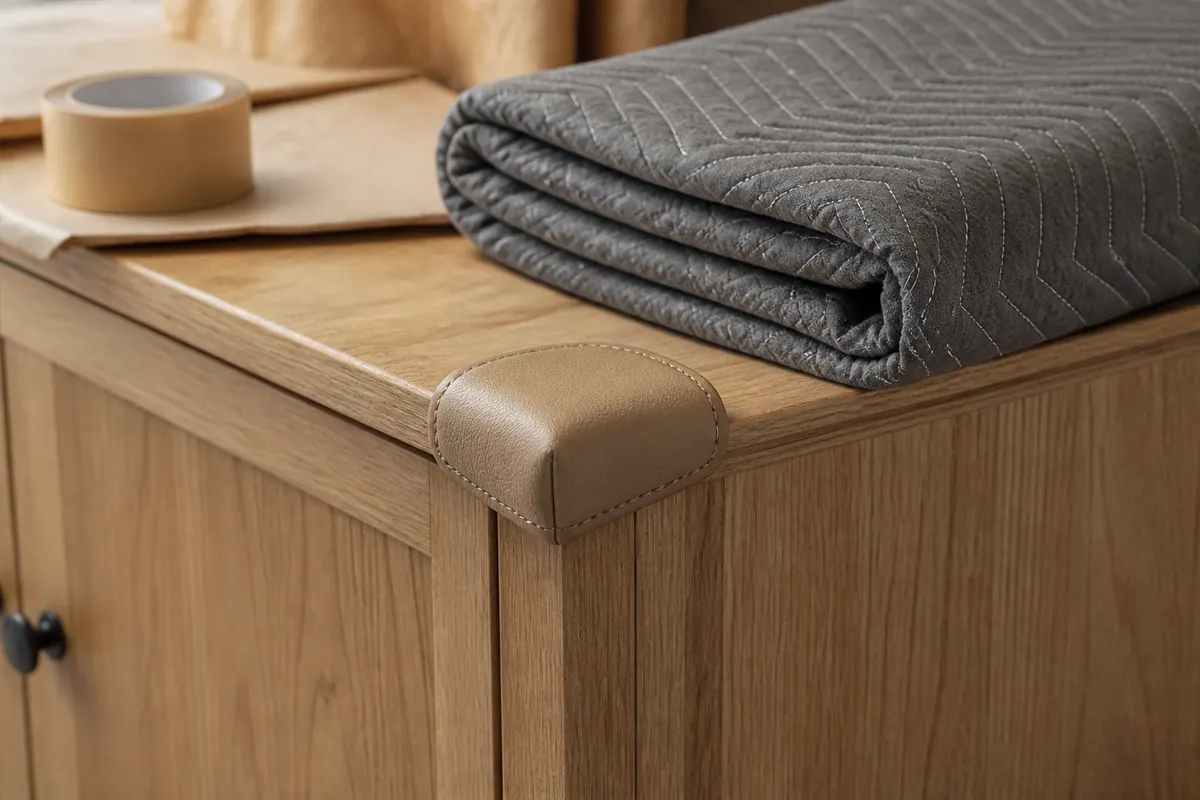
Woking, before collection day
For Woking, include the eventual delivery conversation when describing the collection. The receiving address may still be provisional, but the intention to return everything together or in groups should be clear. Ask what updated access information and notice will be needed to arrange it.
For this enquiry: A sofa, dining furniture and bedroom cartons should remain identifiable through the term. Choose the first useful room group and keep essential personal belongings outside storage rather than relying on a rapid later request.
Give known access details for the destination as well as the collection property. Identify the first room you expect to set up when the load returns.
Plan the route out of your property ↓What changes at home?
Describe the intended full return and give receiving details already known.
Identify the furniture and cartons needed before the rest of the home is set up.
Mark missing details and ask when they must be provided to confirm delivery.
Use the agreed change process rather than assuming a different date or address has no effect.
Choose your starting point
Choose the household group and consider whether its return timing differs from the rest of the load.
Inventory focus
Label cartons so the first receiving-room group can be identified without opening everything. Retain essentials separately.
Add this to your inventory ↓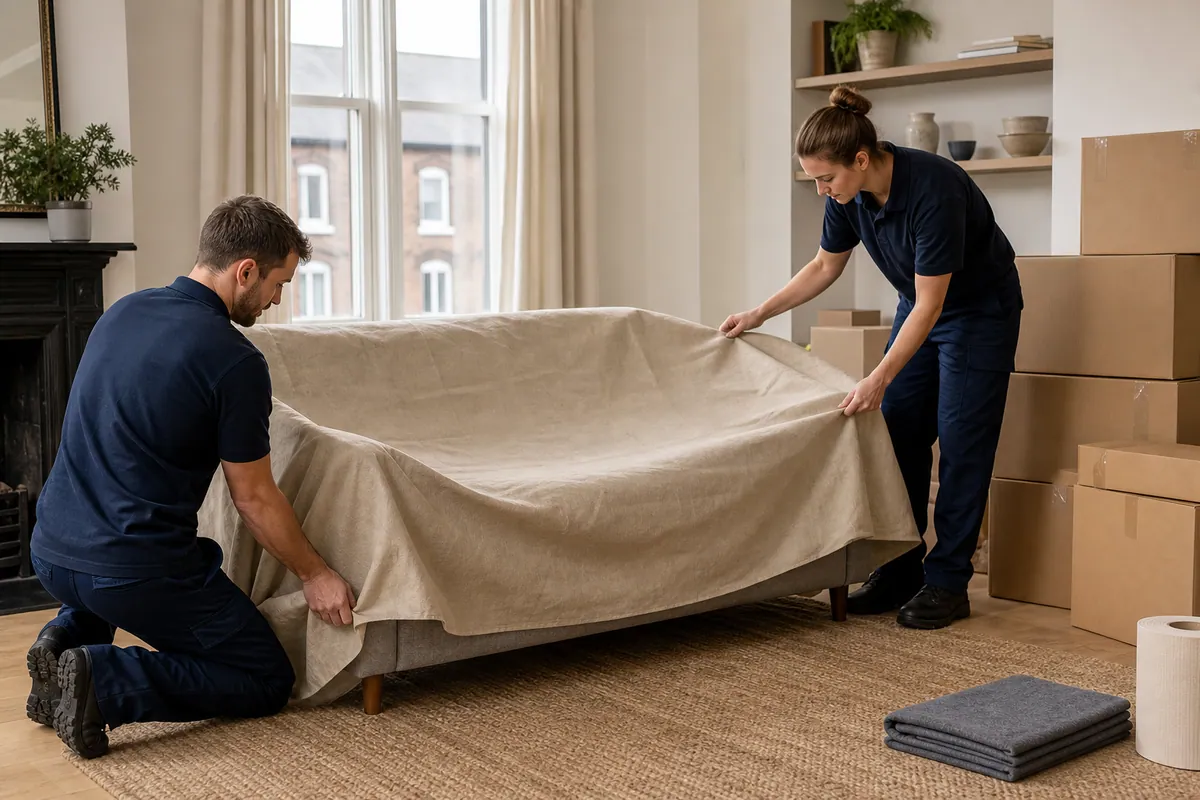
Dimensions before estimates
Storage assessment involves the accepted contents and their protection. Retrieval requirements also need discussion before the arrangement is chosen.
Measure furniture accompanying the cartons.
Separate contents from the units they came from.
Identify groups potentially needed at different times.
Ask for fuller review when the household inventory is extensive.
Sensitive or unusual items require acceptance checks before transport and storage are confirmed.
A useful first conversation
Add quantities and dimensions, then include known return details and priorities. The builder does not reserve a delivery date.
Plan the return before the departure
Decide which room should work first when the load returns. Describe its furniture and carton references rather than asking for an unspecified partial delivery later.
Need earlier
Need later
Confirm notice, access procedure and movement charges. Keep irreplaceable records and valuables outside ordinary storage arrangements.
Use accepted references when requesting the initial room group.
Keep fittings and components associated with their furniture throughout the term.
Identify later-use household contents separately from the first setup.
The timetable can change
| Planning point | A shorter gap | A longer arrangement |
|---|---|---|
| Typical purpose | A defined gap before household return | Contents waiting for a later receiving date |
| Preparation | Prepare for collection and eventual delivery | Review requirements over the expected period |
| Retrieval | Set up the first useful room | Discuss additional requests before booking |
| Duration | Give the likely return interval | Check notice for revised dates |
| Quotation | Include both movement stages | Clarify ongoing and selected-return charges |
An intended return is not a reserved slot. Confirm duration, notice, conditions, insurance arrangements and the delivery booking process.
Collection is part of the storage plan
Give floors, stairs and tight turns for the sofa and dining pieces.
Describe carrying distance and known stopping constraints.
Record dimensions, condition and preparation needs for substantial items.
Supply destination stairs, entrance and loading details when known, separately from collection access.
A return request becomes more useful when it names both the belongings and the conditions at the receiving property.
Flats and apartments: Keep collection and receiving routes separate.Mansion blocks: Check each building’s access requirements.Houses: Include furniture floors at both properties.Rental or managed properties: Identify contacts for departure and return.
One connected arrangement
List the belongings and intended return together.
Review departure access and known receiving details.
Agree preparation for the identified furniture.
Confirm collection without losing the return requirements.
Review the term and retrieval process.
Supply updates before requesting the delivery booking.
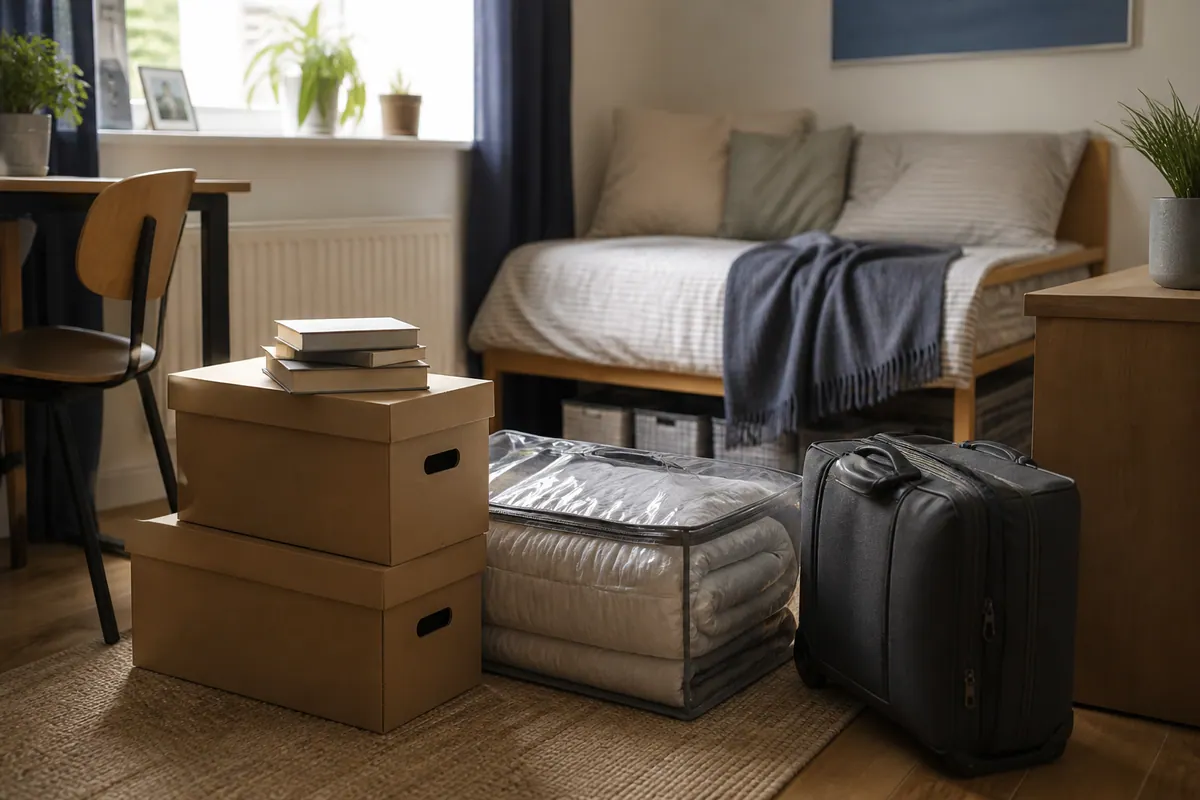
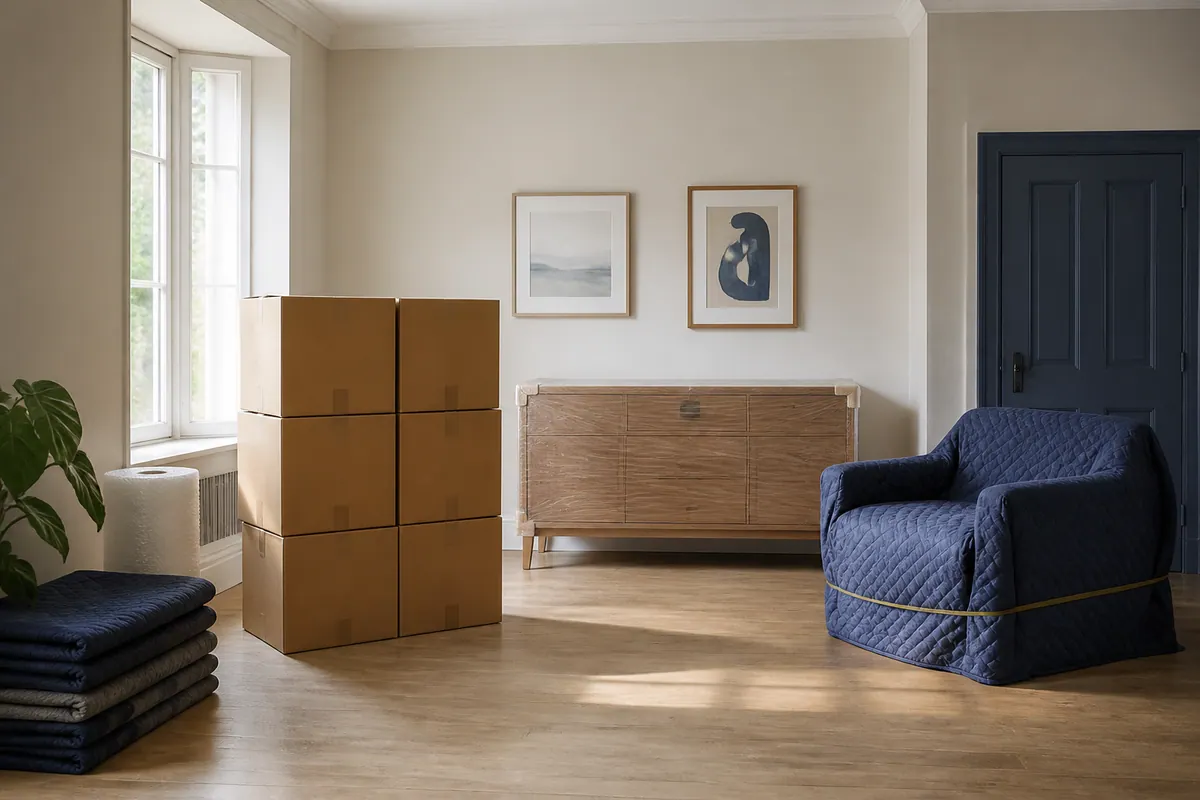

Scope first. Quote second.
The Woking quotation should explain the eventual return as well as collection. Ask for destination assumptions and any separate retrieval charges to be identified.
| Service scope | Price approach | Main factors |
|---|---|---|
| Volume & access assessment | Inventory and return-needs review | Sizes and priority groups |
| Collection & placement | Departure collection quotation | Original route and preparation |
| Ongoing storage | Agreed storage-period proposal | Accepted contents and conditions |
| Final retrieval / delivery | Receiving-address delivery scope | Notice, access and requested sequence |
Furniture dimensions, access at each end, preparation and delivery sequence affect scope. Duration and the proposed storage conditions remain separate considerations.
Keep the move connected
Coordinate the return within the wider household relocation.
Discuss a separately defined transport stage if needed.
Agree preparation that reflects the actual contents and movements.
Plan furniture delivery with the receiving property’s details.
Alesta customer feedback / Furniture removal & packing
“I used Alesta Services for furniture removal and packing when I moved houses. The team was incredibly careful with my belongings and made the whole process seamless.”
James W. · Existing Alesta review, not a storage testimonial for Woking.
Direct answers before you book
It reveals destination, timing and priority requirements that may affect the arrangement. These should not remain hidden until the belongings are already stored.
Yes, mark it clearly and supply known information. Ask which details and notice are required before delivery can be confirmed.
No. Availability, receiving access and the return scope need explicit confirmation under the agreed process.
Name its furniture and carton references on the inventory. Avoid a general request for ‘the important boxes’ that others cannot identify.
Describe that intention and provide destination details. The movement still needs assessment and confirmation.
Ask through the agreed process. Additional retrieval, handling or transport may change the charges and availability.
Yes. Floors, doors and loading conditions can differ, so the return property needs its own description.
Keep daily essentials, valuables and irreplaceable records separately rather than relying on rapid access to stored items.
Ask it to identify what is included and any conditional or additional charges, especially while destination details remain unsettled.
Review the proposed solution’s suitability, restrictions and insurance arrangements. No particular facility features are guaranteed here.
Send the inventory, collection access, known destination details and first-room priorities, with any uncertain dates marked clearly.
Woking / Service area
Give the Woking postcode and known destination information. The general household service is described at Storage Services.
Confirm the selected storage conditions together with the notice and details needed to arrange the eventual delivery.
A little space. A clear next step.
Describe where the belongings may go next and which room you expect to make usable first.
