
Need earlier
The items that should not disappear into the whole load.
- Cartons for the first functioning bedroom
- Furniture for initial meals
- Personal equipment for the new routine
Harrow / Storage for a Room-Labelled Household Move
Label for where belongings are going, not only where they have been.
When rooms change purpose during a Harrow move, an old room label may not tell you where a carton belongs next. Keep a stable inventory reference and add the intended receiving room when it is known.

A useful first conversation
Count by item type here, then use notes to link those quantities to the rooms in your own list.
Plan the return before the departure
List the first receiving-room group using stable references. A changed room layout should not make stored belongings difficult to identify.
Need earlier
Need later
Confirm the procedure and charges for selected returns. Keep essential records and valuables in a separate suitable arrangement.
Use references from the accepted inventory rather than a new set of labels.
Connect furniture components to the same named piece throughout the move.
Mark later-use household groups independently of their original room.

Harrow, before collection day
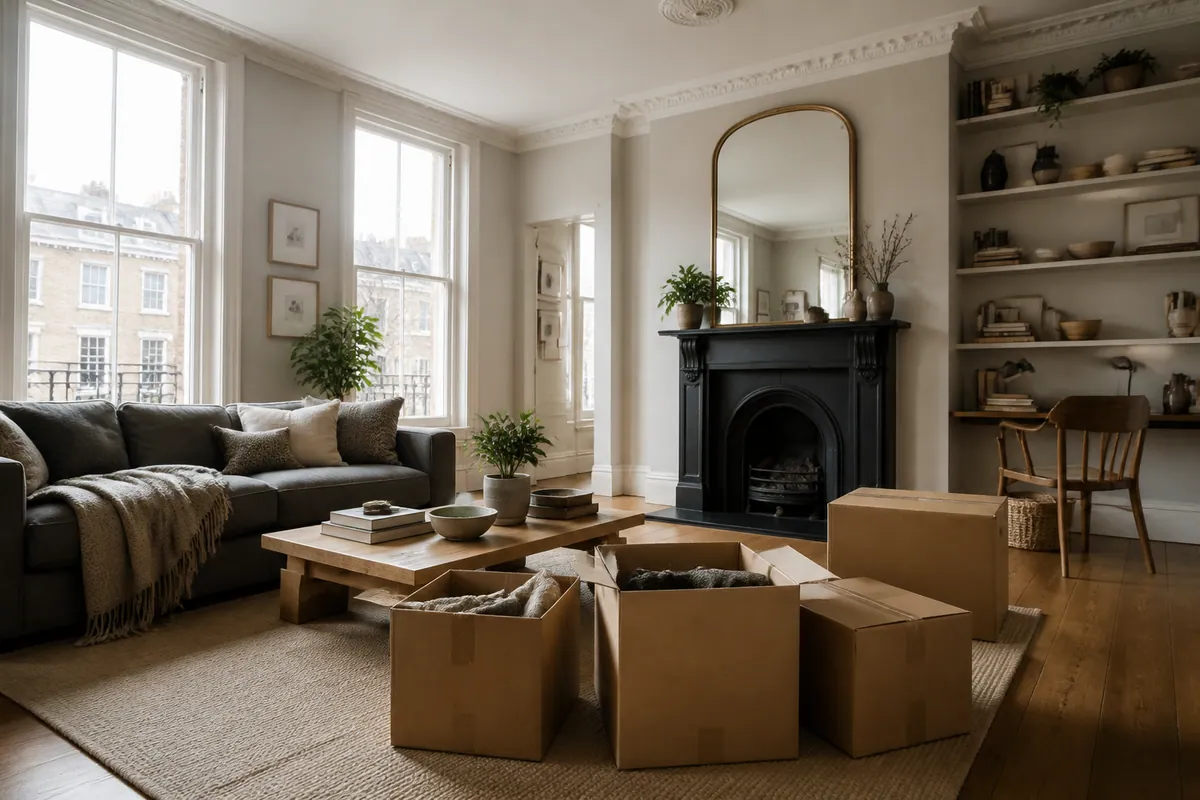
If rooms change purpose in a Harrow move, old labels alone can become confusing. Keep a stable item reference and connect it to the intended receiving room when known. That retains continuity without asking everyone to remember where each wrapped piece used to stand.
For this enquiry: Bedroom cartons and a dining cabinet need different detail: contents references for one, dimensions and preparation for the other. Record starting floors and explain which room group should be useful first on return.
Identify the starting floor for large furniture and any removable parts. Group boxes by their intended destination room, not only their original room.
Plan the route out of your property ↓Keep the move connected
Connect the room list with the wider household move.
Discuss a clearly identified smaller transport group.
Agree labels and preparation before belongings leave their original rooms.
Arrange the named furniture’s return to the intended space.
Alesta customer feedback / Furniture removal & packing
“I used Alesta Services for furniture removal and packing when I moved houses. The team was incredibly careful with my belongings and made the whole process seamless.”
James W. · Existing Alesta review, not a storage testimonial for Harrow.
Choose your starting point
Use the category guide to check preparation questions while keeping each item’s room reference unchanged.
Inventory focus
Assign carton references that survive a change of room name. Declare delicate contents and retain essentials for the transition separately.
Add this to your inventory ↓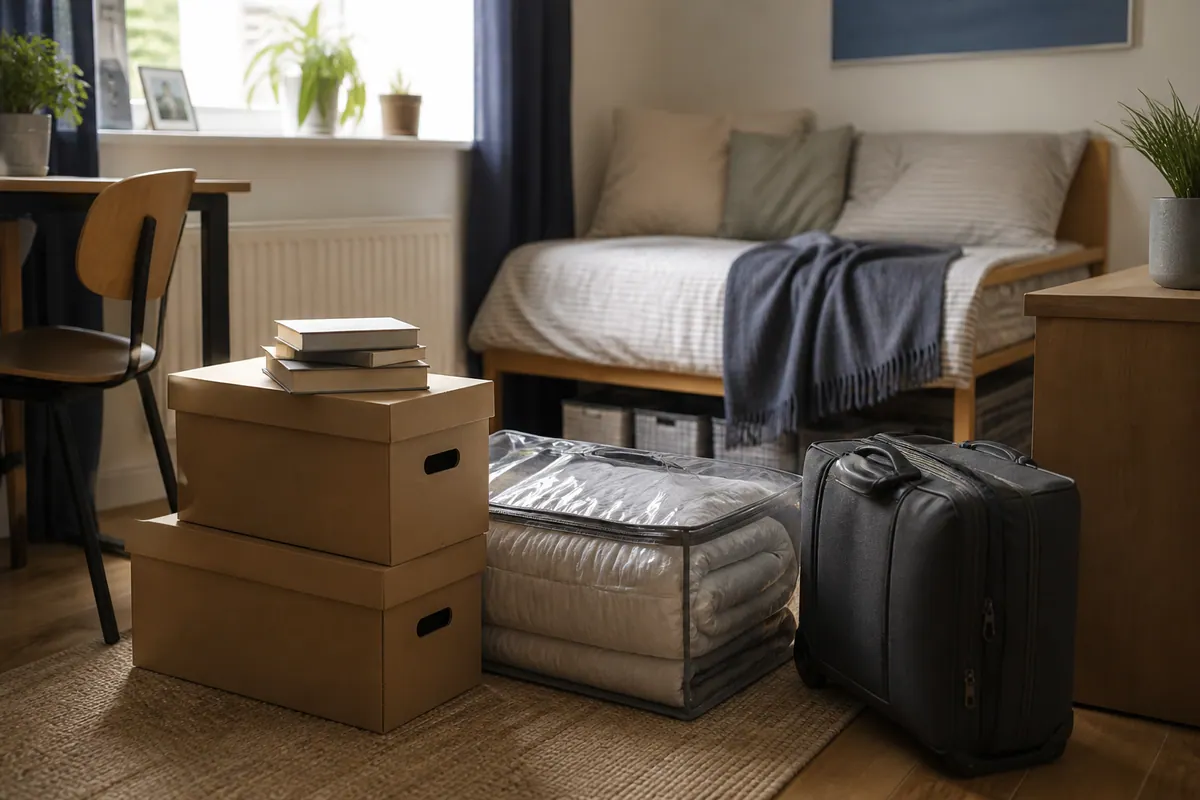
Dimensions before estimates
A room-by-room list is useful organisation, not a unit-size calculation. Dimensions and protection remain necessary for the actual contents.
Measure furniture included with the cartons.
Record packed contents apart from the units that held them.
Remove direct-delivery items from the storage count.
Request a fuller assessment when the lists cover much of the household.
Describe sensitive or unusual belongings against their reference before acceptance is confirmed.
What changes at home?
Link the former bedroom or dining room to its new use without renaming the item itself each time.
Keep furniture and related cartons connected through the list, even when they need different preparation.
Separate belongings going straight to the destination from the storage inventory.
Identify what makes the receiving home useful before adding later decorative pieces.
Collection is part of the storage plan
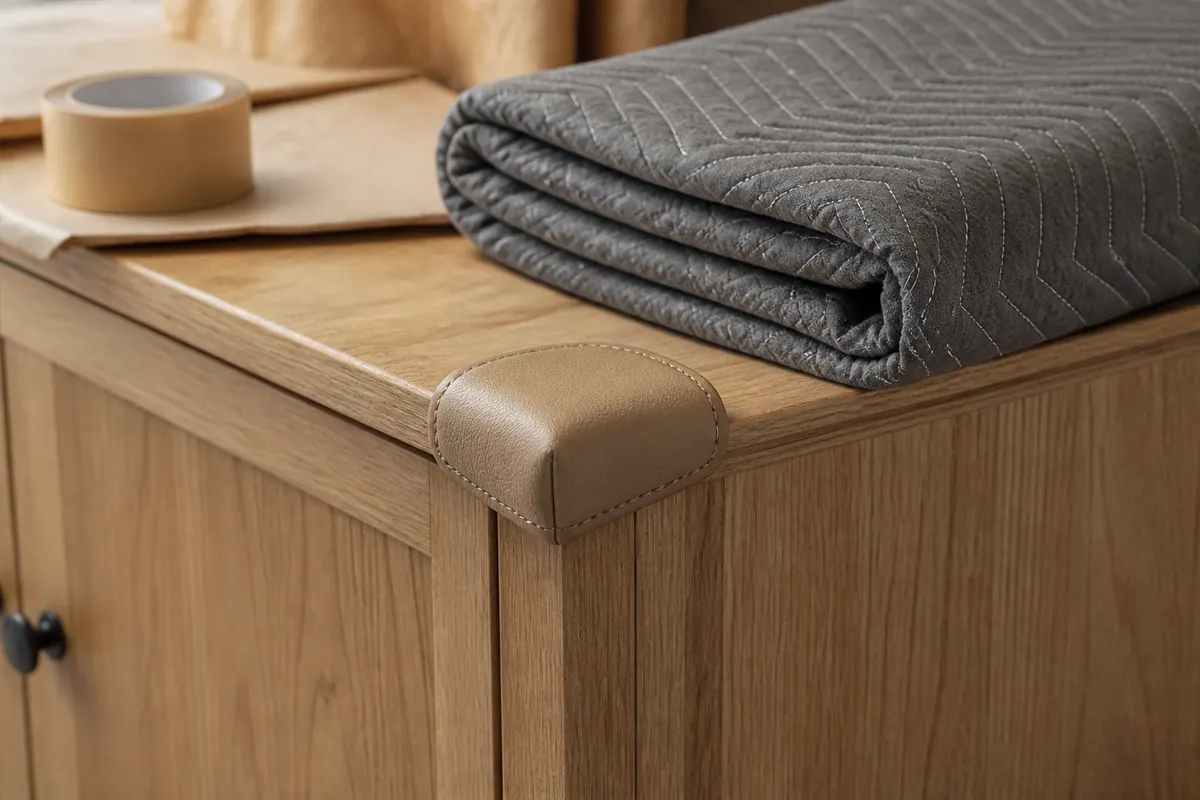
Record where the cabinet and other large pieces begin, including internal stairs.
Describe doorways, gates and the carry to the proposed vehicle position.
Provide measurements and loose-part notes rather than relying on a room group name.
Confirm who can check the final inventory and arrange access on the day.
Labels explain identity and destination; they cannot establish whether a piece fits the stair turn or vehicle.
Flats and apartments: Link each floor to the relevant furniture.Mansion blocks: Confirm shared routes for the complete list.Houses: Record internal stairs between original rooms.Rental or managed properties: Give the contact the final reconciled version.
One connected arrangement
Reconcile old-room and new-room references.
Add starting floors and furniture measurements.
Agree preparation without losing item identities.
Confirm the final list for collection.
Keep the accepted references with the terms.
Specify the receiving-room groups when requesting return.

The timetable can change
| Planning point | A shorter gap | A longer arrangement |
|---|---|---|
| Typical purpose | A defined interval between room setups | Belongings retained while the layout develops |
| Preparation | Label for the identified movements | Review protection over the proposed period |
| Retrieval | Return the first usable room group | Discuss later room-based requests |
| Duration | Give expected dates without implying booking | Check revised-term and notice rules |
| Quotation | Assess the actual referenced contents | Include storage and requested delivery stages |
An organised list does not establish access rights or insurance. Confirm those arrangements, conditions and notice in the proposal.
Scope first. Quote second.
The Harrow quotation should work from one reconciled list. Room names help explain the contents but should not replace furniture measurements or duplicate items.
| Service scope | Price approach | Main factors |
|---|---|---|
| Volume & access assessment | Referenced-inventory review | Actual sizes and deduplicated quantities |
| Collection & placement | Room-list collection proposal | Starting floors and preparation |
| Ongoing storage | Agreed storage-period costs | Accepted contents and conditions |
| Final retrieval / delivery | Receiving-group return scope | References, access and separate movements |
Large-piece dimensions, floors, preparation and separate returns affect the work. Ask how the period charge differs from collection and delivery costs.
Direct answers before you book
Use a stable reference and add both where helpful. This keeps identity clear when a bedroom becomes a study or furniture changes purpose.
No. It organises belongings, while dimensions and route details explain handling and storage requirements.
Choose one reference and update the working list. Consistent names make collection and later requests easier to check.
Separate them from the storage inventory and state their destination. The movement should be clearly distinguished in the quotation.
Request that group before booking. The retrieval procedure, notice and additional movement charges must be agreed.
Give dimensions, condition, loose parts and starting floor. A room name alone does not describe its route or preparation.
Update the receiving notes while retaining item references. If access or delivery scope changes, ask for that to be reviewed.
No room-based fixed rate is stated. The contents, dimensions, preparation, access and duration need assessment.
Retain essential personal belongings, important records and valuables separately rather than relying on immediate storage retrieval.
Ask about the proposed location, suitability, conditions and insurance arrangements during quotation. Do not assume a facility from the collection area.
Send the reconciled room inventory, furniture sizes, access and expected dates. Identify the group you would want returned first.
Harrow / Service area
Provide the Harrow postcode and routes for the referenced furniture. Review the household service under Storage Services.
Ask about the proposed conditions and retrieval procedure while keeping the same item references for the return.
A little space. A clear next step.
Keep each item recognisable while linking it to the room you expect to use next.
