
A few items
A spare bed needs dimensions and assembly status.
Finchley / Storage for Retained Household Items
Retained belongings need a decision, not just an empty box.
Prepare Finchley household storage around possessions you have chosen to keep, with ownership, bed preparation and return priorities made clear.

Choose your starting point
Choose categories from the agreed retained goods rather than treating every object present as part of the enquiry.
Inventory focus
For Finchley, reconcile family carton selections before counting them here. Goods still awaiting an ownership decision should not become part of the accepted list merely because they have been boxed.
Add this to your inventory ↓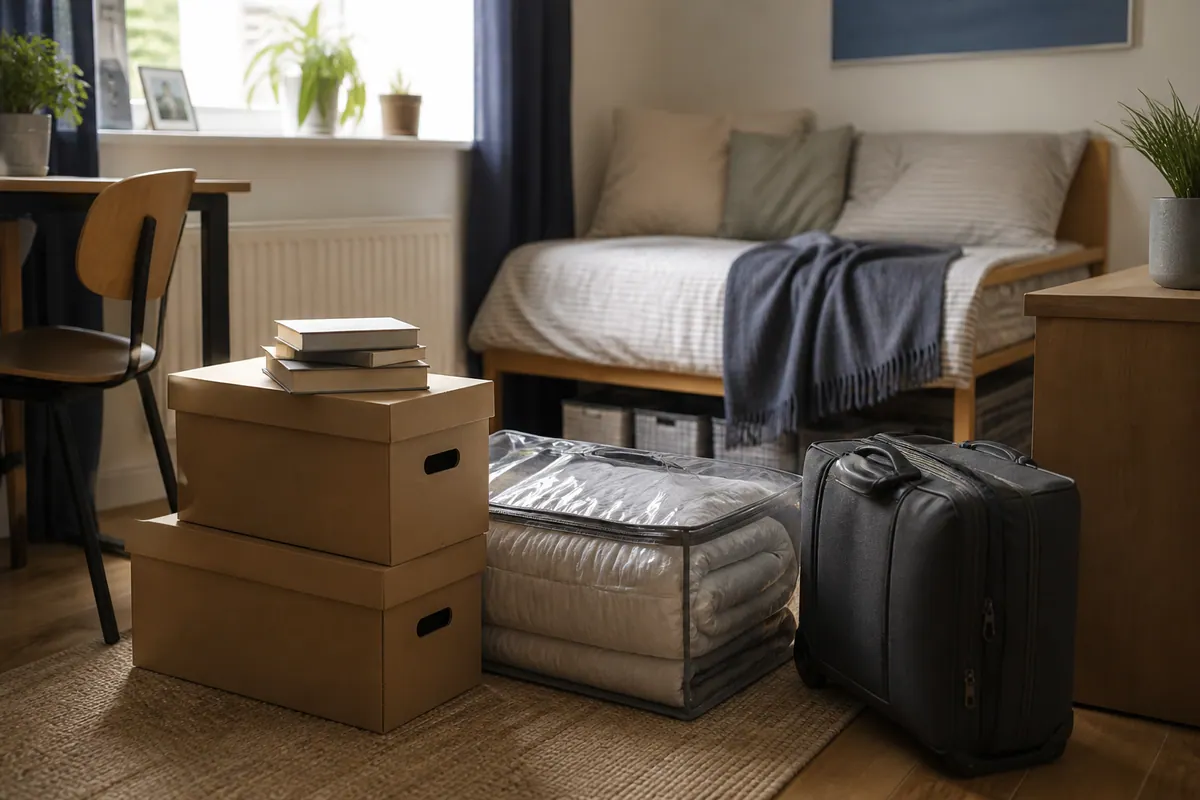
A useful first conversation
Use the counters after selection decisions are made. The notes can identify bed preparation and genuine questions, not authorise unknown additions.
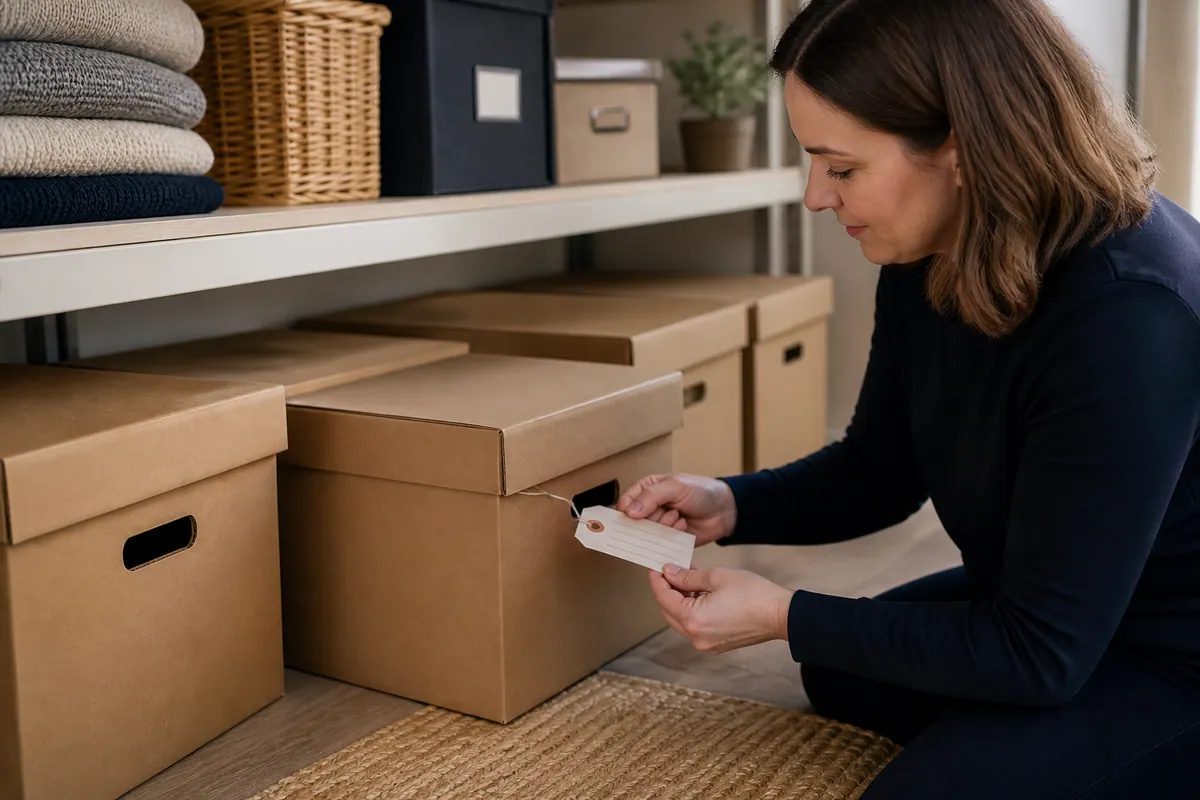
Finchley, before collection day
Sorting a Finchley household can involve several people making decisions in the same rooms. Reconcile the retained inventory before asking for collection, particularly where ownership is shared.
A spare bed and dining sideboard should have individual entries with dimensions and preparation status. Family household boxes need a count and a useful description rather than a label that conceals unresolved decisions.
An apparently spare space in a vehicle is not an invitation to add unselected goods. Changes should be reviewed against acceptance, volume and the agreed work.
Plan the route out of your property ↓Dimensions before estimates
A retained household list may contain bulky spare furniture despite few boxes. Its dimensions and protection determine the assessment.
A spare bed needs dimensions and assembly status.
Count the room’s selected retained possessions only.
Reconcile several household members’ room lists.
Make bulky retained furniture clear in the final inventory.
Retained status does not guarantee acceptance. Declare sensitive or unusual contents before agreeing their arrangement.
What changes at home?
Keeping furniture for a future home calls for a defined retained list and a realistic discussion of duration.
If family members disagree about an object, settle authority before it is released.
Goods selected for another destination should remain outside the storage group.
A later change of plans can affect release or delivery, so use the agreed contact process.
One connected arrangement
Agree the Finchley retained list across the household.
Record bed and sideboard access requirements.
Identify components and suitable carton preparation.
Release only the reconciled selected goods.
Review the term for those retained possessions.
Request the goods intended for the next home.

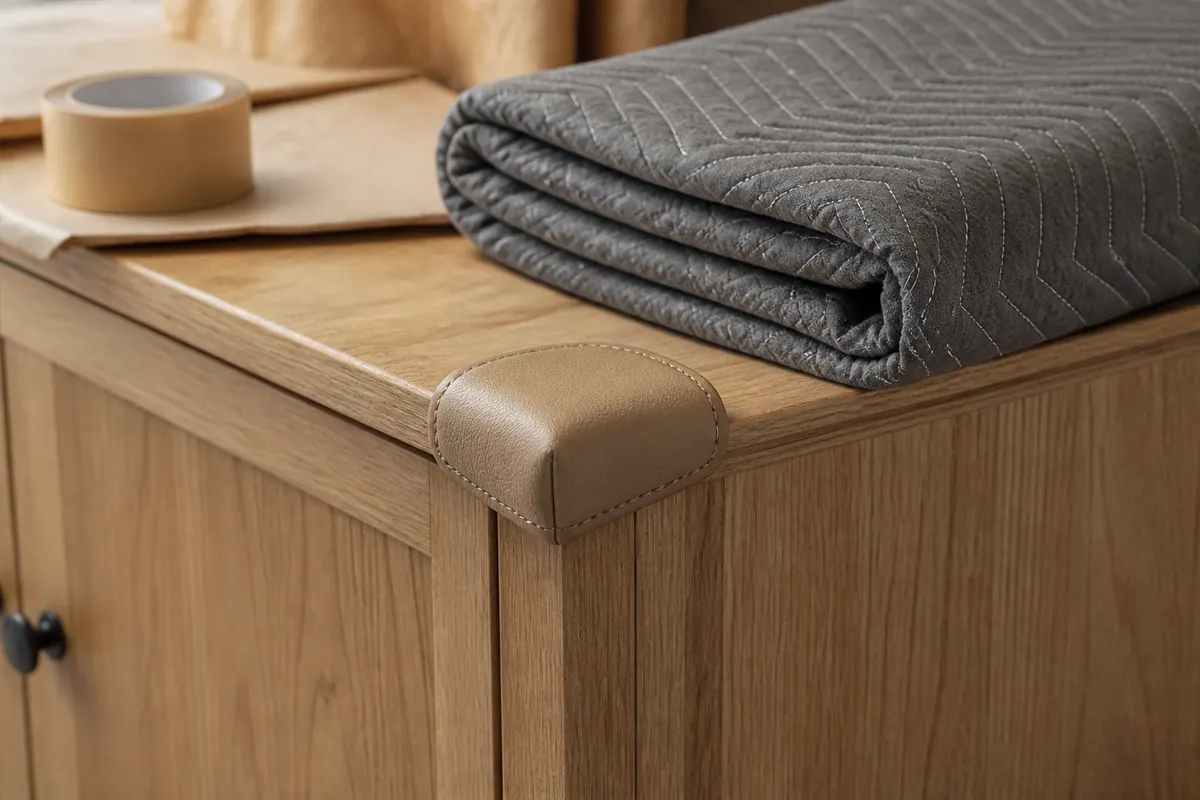

Plan the return before the departure
Distinguish goods earmarked for the next home from those with a later purpose. That makes a return request specific while any unconfirmed dates remain provisional.
Need earlier
Need later
Keep essential records and valuables under separate arrangements. Any selected release needs agreed authority, notice and pricing.
Reference the first-home cartons separately from general retained boxes.
Keep bed components together in the inventory even if physically prepared in separate bundles.
Longer-held furniture still requires agreed conditions, notice and any extension.
The timetable can change
| Planning point | A shorter gap | A longer arrangement |
|---|---|---|
| Typical purpose | Retained goods waiting for a near-term move | Possessions held during a longer household decision |
| Preparation | Prepare the selected pieces in their agreed transport form | Review protection for the expected retention period |
| Retrieval | Deliver the goods earmarked for the next home | Discuss specific earlier releases from the retained list |
| Duration | Confirm dates rather than relying on an undecided plan | Ask about notice when retention lasts longer |
| Quotation | Quote the accepted list and its transport | Clarify changes, extra releases and additional time |
Unresolved household decisions do not remove contractual conditions. Agree notice, extensions and insurance provisions for the retained inventory.
Scope first. Quote second.
Request a quote against the reconciled list and intended term. Additions and changed destinations should be reassessed before they become booking assumptions.
| Service scope | Price approach | Main factors |
|---|---|---|
| Volume & access assessment | Assessment from the household’s reconciled selection | Bed status, sideboard dimensions and carton counts |
| Collection & placement | Collection scoped to the agreed goods | Starting floors, preparation and loading access |
| Ongoing storage | Price the intended retention term | Suitable space and conditions for the inventory |
| Final retrieval / delivery | Return following the authorised household instruction | Selected objects and the receiving address route |
Changes should be reviewed before goods are added. Confirm preparation, all transport requested, term changes and coverage in the quotation.
Collection is part of the storage plan
State the spare bed’s assembly status and identify its fittings.
Give the sideboard’s dimensions and the narrow points on its route.
Name the person who can confirm the household’s agreed collection list.
Explain the starting floors and the proposed vehicle loading point.
Explain whether the spare bed is already dismantled or still assembled.
Flats and apartments: keep agreed retained goods distinct from undecided items. Mansion blocks: check the route for the selected sideboard. Houses: record the bed’s starting room and preparation status. Rental or managed properties: reconcile household authority before release.
Direct answers before you book
Agree which possessions are being kept and provide an itemised list with dimensions.
Reconcile their decisions and identify an authorised contact to avoid contradictory instructions.
Yes, distinguish assembled furniture from prepared components and identify fittings.
Have additions reviewed first; apparent vehicle space does not settle acceptance or scope.
Use useful contents categories and counts while keeping sensitive details private.
List that destination separately from the storage inventory.
Resolve authority before release rather than using storage to defer the decision.
Discuss its intended timing and the agreed retrieval process.
Specify materials and labour required and confirm inclusion.
No, the proposed agreement determines notice and extension rules.
Declare unusual, sensitive or unsuitable items and confirm restrictions before booking.
Keep the move connected
Move direct-destination goods separately from the retained storage list.
Discuss transport for the reconciled selection rather than unplanned additions.
Arrange bed-component and household-carton preparation explicitly.
Plan the retained furniture’s journey to its confirmed next address.
Alesta customer feedback / Furniture removal & packing
“I used Alesta Services for furniture removal and packing when I moved houses. The team was incredibly careful with my belongings and made the whole process seamless.”
James W. · Existing Alesta review, not a storage testimonial for Finchley.
Finchley / Service area
For Finchley, provide the collection postcode and the reconciled retained inventory when discussing Storage Services.
Confirm the holding location and terms for the selected goods, then identify which receiving address applies to each requested return.
A little space. A clear next step.
Prepare Finchley household storage around possessions you have chosen to keep, with ownership, bed preparation and return priorities made clear.
