
A known onward address
Provide separate access details for each property instead of assuming similar conditions.
Watford / Storage for a Move Beyond the Current Address
Distance is one part of the move, not the whole quotation.
A Watford enquiry should explain where belongings begin and where they may return. The route, crew requirements and furniture handling still matter alongside the distance between addresses.

Direct answers before you book
No. The load, furniture sizes, crew needs and access at both ends also matter. Give those details alongside the addresses.
Provide the Watford collection information and mark the return destination as provisional. Ask what must be supplied to confirm onward delivery.
Do not assume that. Request confirmation of the specific collection and delivery scope for your proposed arrangement.
Separate that group from the storage list and describe its movement. The quotation should distinguish the two requirements.
Name the pieces, give dimensions and preparation notes, and identify their starting floors and route.
Request it before booking and discuss notice, handling and delivery charges. Keep anything needed daily outside storage.
It may change transport or handling requirements. Send updated access details and ask for confirmation of the revised scope.
Only where agreed. Describe the preparation needed and check responsibilities before collection.
Check duration, conditions, restrictions, retrieval procedures and insurance arrangements independently of transport costs.
Keep valuables, irreplaceable records and essentials for the transition outside ordinary household storage; declare any sensitive contents.
Send the definite inventory, known addresses and access, expected dates and return priorities. The draft email starts an enquiry, not a booking.
A useful first conversation
Record the definite load, with known collection and return locations in the enquiry notes. Do not assume every destination has identical scope.
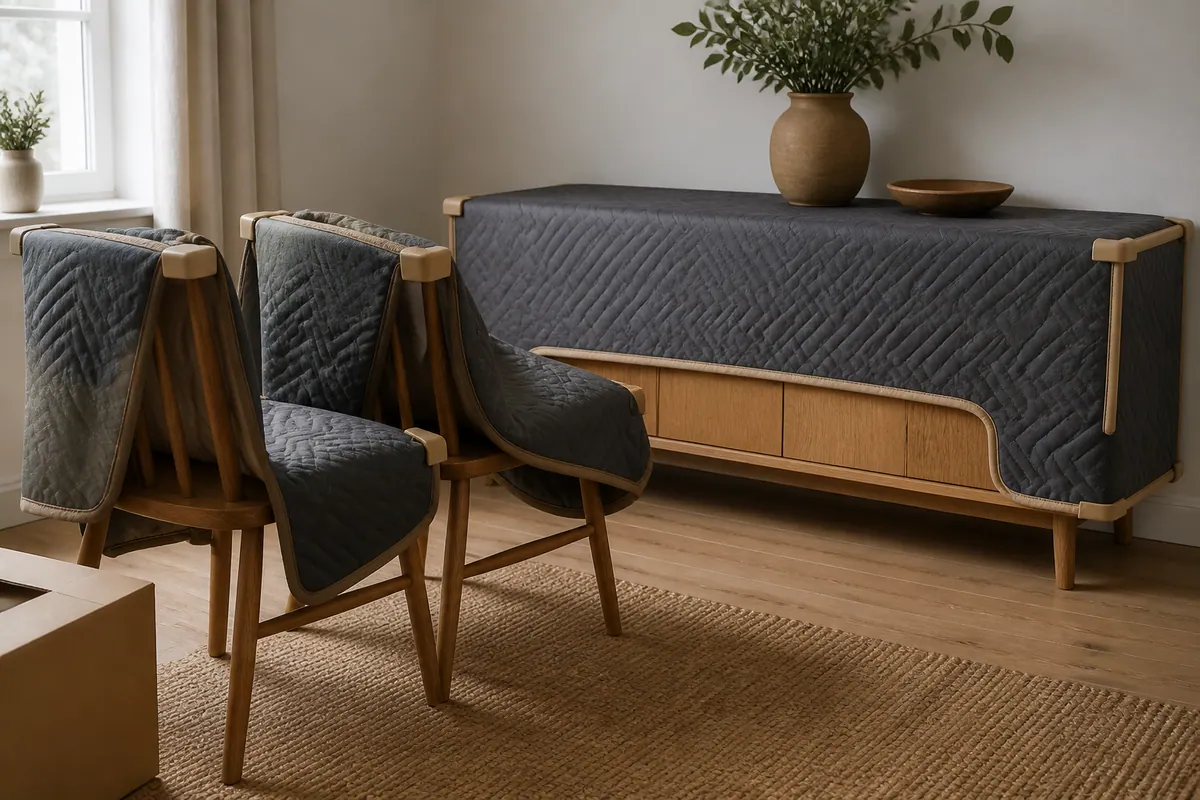
Watford, before collection day
A Watford enquiry can describe both the route between places and the work at each property. Give the actual contents, collection conditions and known receiving details without assuming distance alone determines transport scope. Mark any provisional destination information and ask what confirmation is needed later.
For this enquiry: Bedroom furniture and a desk need dimensions, while room-labelled cartons help identify the retained contents. Keep belongings travelling directly elsewhere outside the storage count and explain any earlier return requirement.
Provide the collection address and any known return destination before transport is assessed. Identify items needed during the period between the two addresses.
Plan the route out of your property ↓Choose your starting point
Choose the contents category, then identify what goes into storage and what travels directly to another address.
Inventory focus
Use room references for the retained cartons. Keep personal necessities and important records available during the interval.
Add this to your inventory ↓
The timetable can change
| Planning point | A shorter gap | A longer arrangement |
|---|---|---|
| Typical purpose | A defined interval between properties | Belongings retained during a longer relocation |
| Preparation | Prepare for the agreed movement stages | Review sensitivity over the expected wait |
| Retrieval | Return to the known next address | Discuss selected or changed destinations |
| Duration | State the likely gap | Check notice for revised plans |
| Quotation | Include the actual collection requirements | Clarify ongoing and onward costs |
Neither distance nor a postcode confirms coverage for every movement. Review the proposed scope, term, conditions and insurance arrangements.
One connected arrangement
Define the retained load and any direct-delivery items.
Describe collection and known arrival routes separately.
Agree preparation for the named furniture.
Confirm the collection transport scope.
Review storage conditions and the likely interval.
Agree the onward movement once receiving details are known.

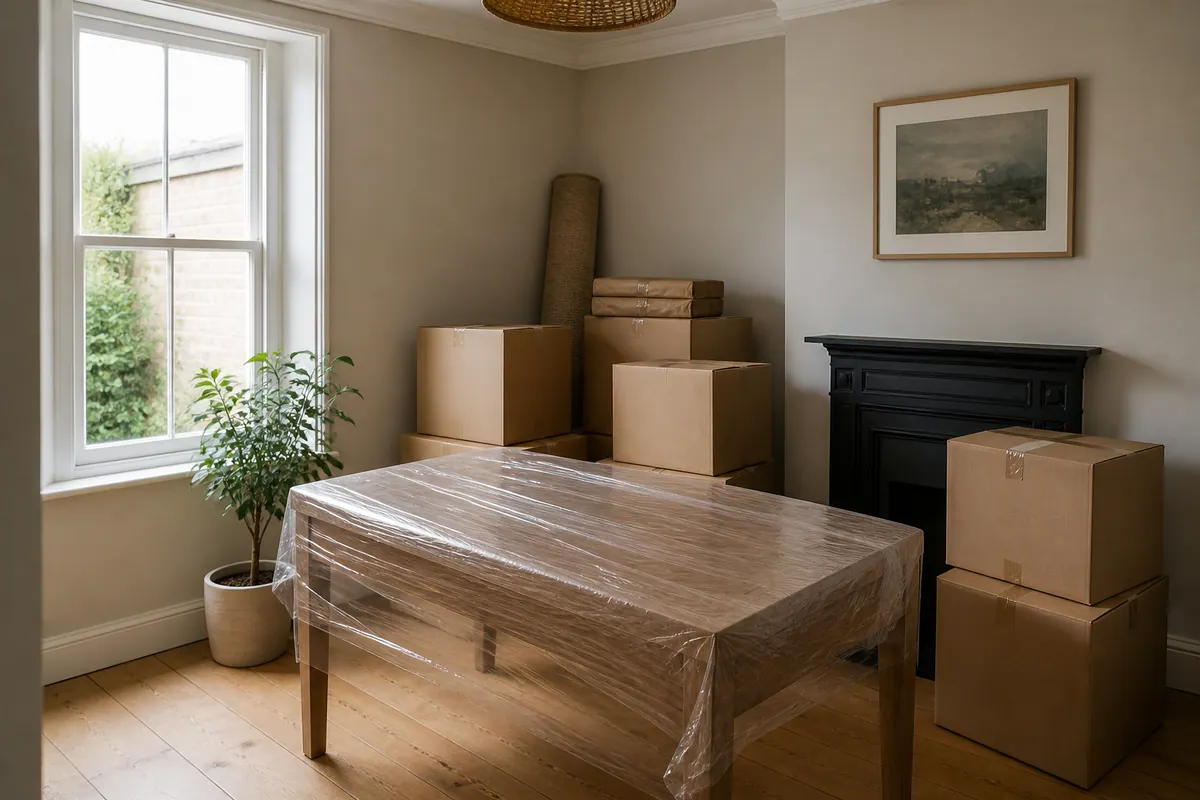
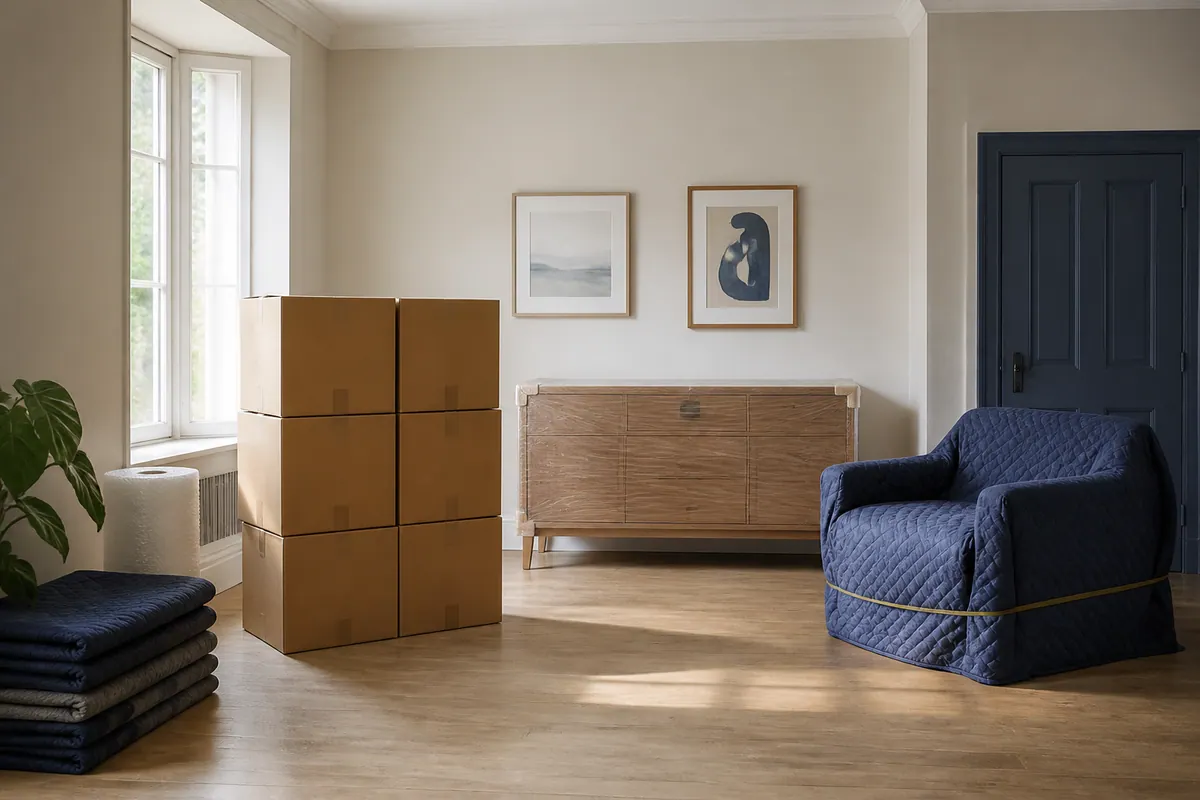
What changes at home?
Provide separate access details for each property instead of assuming similar conditions.
State the uncertainty and ask which details must be confirmed for delivery.
Keep belongings needed during the interval apart from the retained household load.
Identify whether any pieces need a separate return rather than one complete delivery.
Dimensions before estimates
Contents and protection guide storage assessment; distance and access influence movement. Both need useful detail rather than a single general estimate.
Measure furniture accompanying the boxes.
List packed contents independently of the units.
Exclude direct-delivery groups from storage quantities.
Request fuller review when the load is extensive.
Confirm suitability for unusual or sensitive belongings before considering transport arrangements final.
Plan the return before the departure
Identify what is needed between addresses and keep immediate essentials with you. Any earlier stored-item return should be raised before booking.
Need earlier
Need later
Confirm delivery scope, notice and extra charges. Valuables and irreplaceable records require an appropriate separate arrangement.
Use clear references for cartons requested before the main load.
Keep furniture components associated with the same piece throughout transport.
Distinguish later-use household contents from the first receiving-room group.
Collection is part of the storage plan
Give starting floors and any narrow turns for the desk or bedroom furniture.
Explain carrying distance, steps and known stopping restrictions.
Record dimensions and preparation needs for substantial pieces.
Supply known destination access separately and flag missing details.
A distance estimate does not establish crew, vehicle or handling requirements for either end of the job.
Flats and apartments: Describe both starting floors and shared routes.Mansion blocks: Confirm entry independently at each end.Houses: Include outside carrying as well as internal stairs.Rental or managed properties: Identify who provides access at collection.
Scope first. Quote second.
The Watford proposal should distinguish storage requirements from the transport work at each address. Ask which destination assumptions remain provisional.
| Service scope | Price approach | Main factors |
|---|---|---|
| Volume & access assessment | Contents-based assessment | Dimensions, quantities and protection |
| Collection & placement | Collection route quotation | Crew, vehicle and loading conditions |
| Ongoing storage | Proposed storage-period costs | Accepted load and selected conditions |
| Final retrieval / delivery | Onward-delivery assessment | Distance, receiving access and notice |
The load, crew, vehicle, stairs, preparation and distance all contribute to movement scope. The storage term and retrieval requirements must also be confirmed.
Keep the move connected
Coordinate the storage interval within the wider relocation.
Discuss a defined smaller transport requirement with its actual route.
Agree preparation for the furniture and cartons before departure.
Arrange onward furniture delivery after destination access is reviewed.
Alesta customer feedback / Furniture removal & packing
“I used Alesta Services for furniture removal and packing when I moved houses. The team was incredibly careful with my belongings and made the whole process seamless.”
James W. · Existing Alesta review, not a storage testimonial for Watford.
Watford / Service area
Provide the Watford postcode and any known onward address. Review the household service details at Storage Services.
Confirm the actual storage proposal and transport coverage rather than assuming every destination has the same arrangement.
A little space. A clear next step.
Provide the belongings and both known addresses, keeping access and transport questions distinct from storage volume.
