
Recent products
Where the product is unknown, raise that uncertainty before choosing the visit date.
Windsor · Finishing the renovation
Keep old timber and new installation marks distinct
Plan the mixed-age interior returning to use.
An interior refurbishment can combine familiar worn surfaces with newly fitted timber. The enquiry should describe what changed so the clean does not become an implied restoration request.
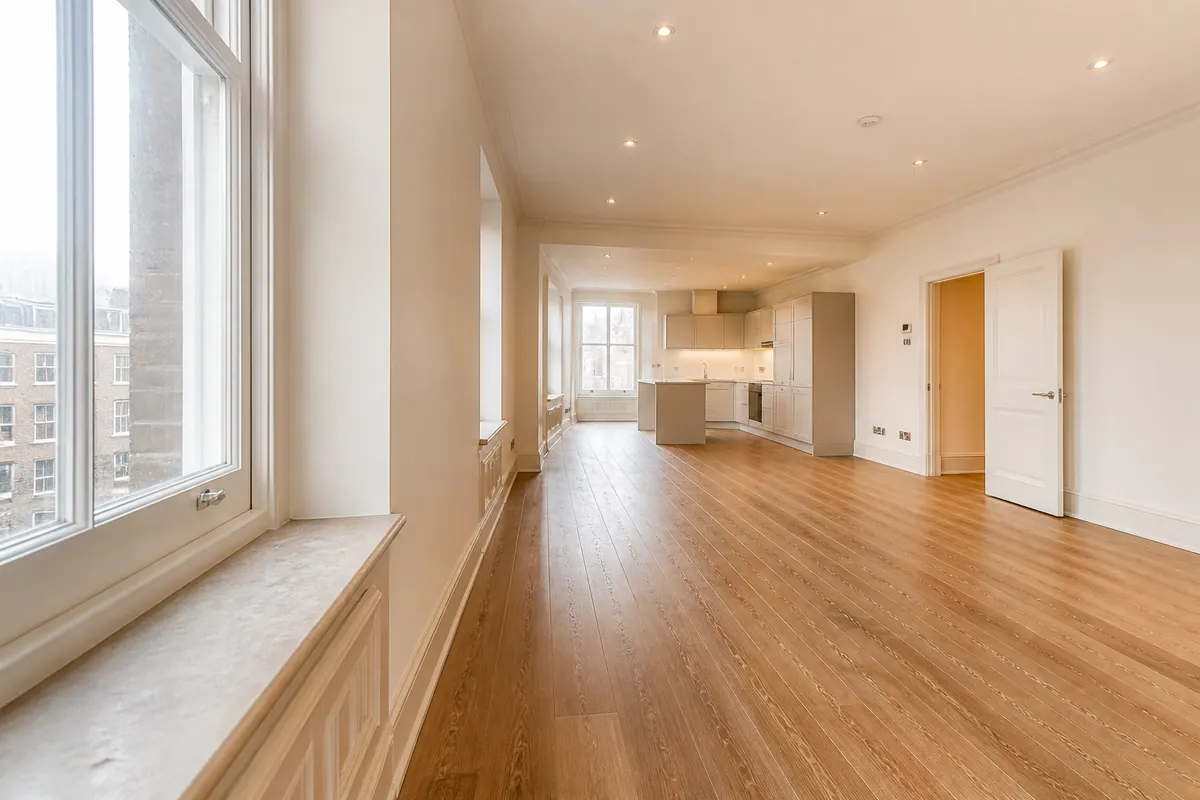
Illustrative interiors are shown rather than documented completed jobs.
Identify the substrate
An illustration of reviewing a finish.
Do not classify surface damage as a mark that further cleaning will correct.
Identify coatings where known and record old wear beside new residue. Cleaning cannot remove a scratch by treating it as surface dirt. Windsor: surface-care decision should connect old timber junctions and new fitted edges with the mixed-age interior returning to use. Keep mixed old and new timber identifiable and confirm keyholder and equipment entry.
Where the product is unknown, raise that uncertainty before choosing the visit date.
For the mixed-age interior returning to use, list material changes as well as room names.
The same colour can conceal different coatings on old and new timber. Provide available guidance instead of assuming identical treatment.
A practical brief for Windsor
Start with the mixed-age interior returning to use.
An interior refurbishment can combine familiar worn surfaces with newly fitted timber. The enquiry should describe what changed so the clean does not become an implied restoration request. Check the junctions between retained and newly installed pieces. Nearby surfaces can hold the same dust while needing different care. At the Windsor property, use old timber junctions and new fitted edges to frame affected-room account. Follow it through the mixed-age interior returning to use, naming mixed old and new timber and the need to confirm keyholder and equipment entry.
Identify coatings where known and record old wear beside new residue. Cleaning cannot remove a scratch by treating it as surface dirt.
Confirm the keyholder and equipment entry, including which completed surfaces must remain clear along the route. Ensure final fitting adjustments have ended before planning the clean and the return to normal room use.
Cleaning versus collection
Begin with a condition description rather than a request for stronger chemicals. Products and equipment need to suit the named surfaces, and unusual treatment may have to be assessed separately.
Bulky renovation remnants should leave by an agreed route before cleaning retained surfaces. Disposal is separate; do not assume the visit includes moving every obstruction.
Ask separately about building waste ↗A sequence, not a completion promise
Ensure final fitting adjustments have ended before planning the clean and the return to normal room use.

Keep routine dust removal distinct from marks that require another assessment.
Review against the original condition of retained features. A remaining scratch may need repair rather than another cleaning pass. For the mixed-age interior returning to use in Windsor, completion review starts at old timber junctions and new fitted edges. The notes must also distinguish mixed old and new timber and explain how to confirm keyholder and equipment entry.

Review deposits against the condition of each material, not against a uniform new-finish expectation.
These illustrations describe stages, not verified before-and-after results.
Quotation context
From £29/ hour
The starting price published by Alesta is £29/hour, with cleaning equipment and materials supplied. Confirm the live rate and the specific tasks; no total is established by that starting figure.
Mixed-age materials need condition information, not one expectation that every surface becomes new. Discuss the actual deposits and access before a quotation is settled. Windsor: quotation brief should connect old timber junctions and new fitted edges with the mixed-age interior returning to use. Keep mixed old and new timber identifiable and confirm keyholder and equipment entry. Windsor: cost-factor explanation should connect old timber junctions and new fitted edges with the mixed-age interior returning to use. Keep mixed old and new timber identifiable and confirm keyholder and equipment entry.
| Works completed | Pricing approach | Details for Alesta |
|---|---|---|
| One-room improvements | Starting guide: £29/hour | old timber junctions and new fitted edges |
| Refitted wet-room or kitchen | £29/hour starting guide only | Materials, fittings and access in the mixed-age interior returning to use |
| Renovation across the home | Price around condition and access | Accessible surfaces and remaining dust |
| An office refurbishment | Suitability needs confirmation | Business context and arrangements |
Based on Alesta’s published after builders cleaning rate. Building waste removal is quoted separately.
The address matters
The map identifies Windsor as an enquiry area, not a local Alesta office. Confirm the keyholder and equipment entry, including which completed surfaces must remain clear along the route. Availability is confirmed for the actual property.
For coverage beyond this address, ask the main after builders cleaning team about a suitable appointment.
Describe what changed
Choose an example to organise the enquiry, not to book a standard package. The local brief here concerns the mixed-age interior returning to use.
Check the junctions between retained and newly installed pieces. Nearby surfaces can hold the same dust while needing different care. Begin with a condition description rather than a request for stronger chemicals. Products and equipment need to suit the named surfaces, and unusual treatment may have to be assessed separately. At the Windsor property, use old timber junctions and new fitted edges to frame project selection. Follow it through the mixed-age interior returning to use, naming mixed old and new timber and the need to confirm keyholder and equipment entry.
Inspect the settled deposits
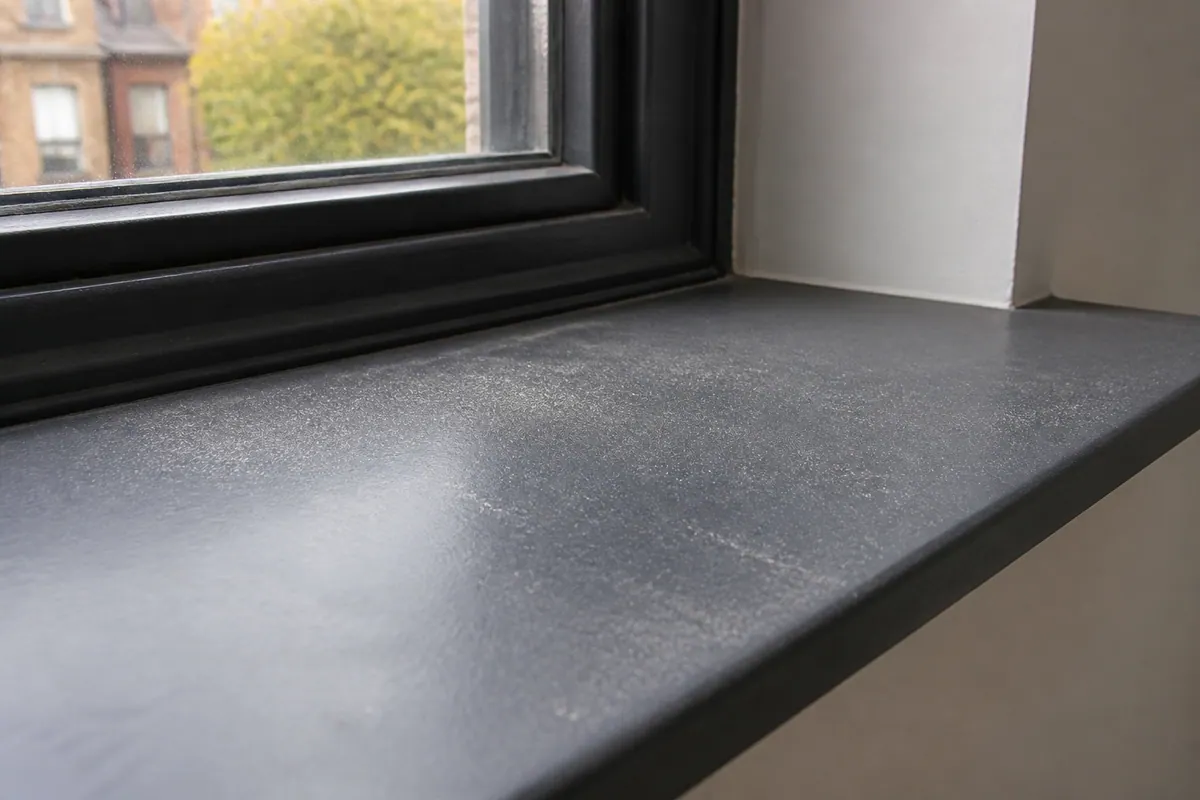
Keep old timber and new installation marks distinct
Check the junctions between retained and newly installed pieces. Nearby surfaces can hold the same dust while needing different care.
Begin with a condition description rather than a request for stronger chemicals. Products and equipment need to suit the named surfaces, and unusual treatment may have to be assessed separately. Windsor: dust inspection should connect old timber junctions and new fitted edges with the mixed-age interior returning to use. Keep mixed old and new timber identifiable and confirm keyholder and equipment entry.
Ensure final fitting adjustments have ended before planning the clean and the return to normal room use.
Where the detail sits
Use the drawing to explain the room, while the actual accessible scope is confirmed separately.
Look at exposed ledges near old timber junctions and new fitted edges. Explain what is reachable rather than assuming every high surface is included.
Connect the room margins to the mixed-age interior returning to use. A blocked corner needs to be mentioned before attendance.
Name newly fitted items and their materials, including mixed old and new timber where relevant.
Inspect the junctions where new fittings meet retained timber. Keep old wear separate from recent dust when describing the room.
Different deposits need different decisions
| Condition noted | Describe its position | Before treatment |
|---|---|---|
| Fine dust | old timber junctions and new fitted edges | Keep routine dust removal distinct from marks that require another assessment. |
| Loose cleaning remnants | Reachable residue from the works | Include only where specifically scoped |
| Adhesive or labels | Marks beside mixed old and new timber | Do not classify surface damage as a mark that further cleaning will correct. At the Windsor property, use old timber junctions and new fitted edges to frame adhesive-mark decision. Follow it through the mixed-age interior returning to use, naming mixed old and new timber and the need to confirm keyholder and equipment entry. |
| Paint, plaster or cement spots | A deposit that may resist routine cleaning | The same colour can conceal different coatings on old and new timber. Provide available guidance instead of assuming identical treatment. Do not classify surface damage as a mark that further cleaning will correct. A useful residue assessment for Windsor explains the mixed-age interior returning to use through old timber junctions and new fitted edges. Surface decisions concern mixed old and new timber; practical arrival means confirm keyholder and equipment entry. |
| Protective film | Unremoved surface protection | Film removal is not presumed; ask the installer and discuss the requested work. |
Different starting points
Confirm the keyholder and equipment entry, including which completed surfaces must remain clear along the route.
The kitchen brief benefits from naming each new surface. Different coatings and worktop materials can change what is suitable for the residue left behind. kitchen project note in Windsor is not a generic room count: describe the mixed-age interior returning to use, inspect old timber junctions and new fitted edges, identify mixed old and new timber, and confirm keyholder and equipment entry.
Check which bathroom surfaces are accessible and ready. Newly installed sanitaryware, tiles and seals may call for different considerations in the same small room. Make old timber junctions and new fitted edges the reference point for bathroom project note at this Windsor address. Describe the mixed-age interior returning to use, flag mixed old and new timber, and confirm keyholder and equipment entry.
Ensure final fitting adjustments have ended before planning the clean and the return to normal room use. At the Windsor property, use old timber junctions and new fitted edges to frame multi-room description. Follow it through the mixed-age interior returning to use, naming mixed old and new timber and the need to confirm keyholder and equipment entry.
An agent can coordinate entry while the owner clarifies the work, but somebody must approve the actual cleaning priorities. Inventory duties are not implied.
For a fit-out, ask Alesta to confirm whether the particular project can be supported. Site requirements and coordination cannot be assumed from the domestic examples.
Check the final trade stage
Before the appointment
For the finishing visit
Name the affected spaces
The kitchen brief benefits from naming each new surface. Different coatings and worktop materials can change what is suitable for the residue left behind. A useful kitchen-room detail for Windsor explains the mixed-age interior returning to use through old timber junctions and new fitted edges. Surface decisions concern mixed old and new timber; practical arrival means confirm keyholder and equipment entry.
Check which bathroom surfaces are accessible and ready. Newly installed sanitaryware, tiles and seals may call for different considerations in the same small room. At the Windsor property, use old timber junctions and new fitted edges to frame bathroom-room detail. Follow it through the mixed-age interior returning to use, naming mixed old and new timber and the need to confirm keyholder and equipment entry.
A bedroom used for storage may not be accessible on the intended date. Explain which items will move and which detail will remain obstructed. bedroom boundary in Windsor is not a generic room count: describe the mixed-age interior returning to use, inspect old timber junctions and new fitted edges, identify mixed old and new timber, and confirm keyholder and equipment entry.
Inspect the junctions where new fittings meet retained timber. Keep old wear separate from recent dust when describing the room. For the mixed-age interior returning to use in Windsor, living-area scope starts at old timber junctions and new fitted edges. The notes must also distinguish mixed old and new timber and explain how to confirm keyholder and equipment entry.
A concise service outline
Prepare your enquiry notes
Include the mixed-age interior returning to use in the room description.
No automatic estimate is created from these fields. They help frame questions that Alesta must consider against the actual property.
Mixed-age materials need condition information, not one expectation that every surface becomes new. Discuss the actual deposits and access before a quotation is settled. planning summary in Windsor is not a generic room count: describe the mixed-age interior returning to use, inspect old timber junctions and new fitted edges, identify mixed old and new timber, and confirm keyholder and equipment entry.
Talk through the notes: 020 3608 3976Choose the scope contact
Review against the original condition of retained features. A remaining scratch may need repair rather than another cleaning pass. homeowner handover in Windsor is not a generic room count: describe the mixed-age interior returning to use, inspect old timber junctions and new fitted edges, identify mixed old and new timber, and confirm keyholder and equipment entry.
An agent can coordinate entry while the owner clarifies the work, but somebody must approve the actual cleaning priorities. Inventory duties are not implied.
For a fit-out, ask Alesta to confirm whether the particular project can be supported. Site requirements and coordination cannot be assumed from the domestic examples.
If glass needs attention
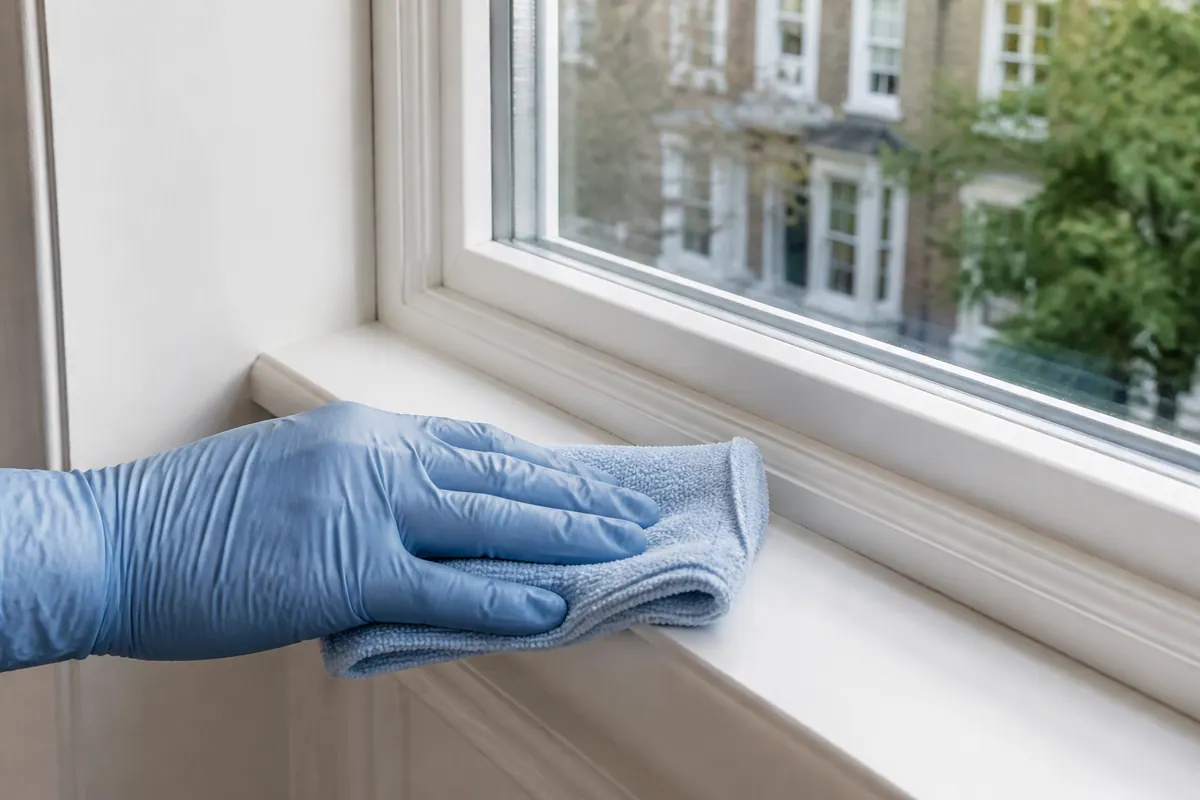
Describe old glazing condition as well as any new construction spots when asking for window work. Existing wear is not a promised cleaning correction. glazing request in Windsor is not a generic room count: describe the mixed-age interior returning to use, inspect old timber junctions and new fitted edges, identify mixed old and new timber, and confirm keyholder and equipment entry.
A paint or cement spot is a different question from dusty glass. Raise that question before the separate window scope is agreed.
Enquire about additional window work ↗Questions before confirming the work
An interior refurbishment can combine familiar worn surfaces with newly fitted timber. The enquiry should describe what changed so the clean does not become an implied restoration request. Describe the visible condition rather than treating the project name as a complete cleaning checklist.
Confirm the keyholder and equipment entry, including which completed surfaces must remain clear along the route. Ensure final fitting adjustments have ended before planning the clean and the return to normal room use.
Identify coatings where known and record old wear beside new residue. Cleaning cannot remove a scratch by treating it as surface dirt. The request should identify uncertain residues early. A standard finishing clean is not an agreement to use any method necessary regardless of the underlying material.
Check the junctions between retained and newly installed pieces. Nearby surfaces can hold the same dust while needing different care.
The starting price published by Alesta is £29/hour, with cleaning equipment and materials supplied. Confirm the live rate and the specific tasks; no total is established by that starting figure. The proposed time follows the actual cleaning workload. Do not infer specialist removal, extra glazing or clearance of construction materials from the general service heading.
Ensure final fitting adjustments have ended before planning the clean and the return to normal room use. Confirm the room condition before the cleaning appointment.
If discarded fittings or large packaging remain, disclose them at enquiry stage. Their removal requires its own agreement and should be sequenced before blocked areas are considered reachable.
Give the glazing position and which face you want cleaned. Inside panes, outside panes and frames can have different access needs, so a general request for windows is not a complete brief. Carpet treatment is another separately agreed service; availability and the required work must be confirmed.
The cleaning programme depends on what remains and what can be reached. Explain the following appointment or move-in plan, but allow suitability and timing to be confirmed. Windsor: timing discussion should connect old timber junctions and new fitted edges with the mixed-age interior returning to use. Keep mixed old and new timber identifiable and confirm keyholder and equipment entry.
Review deposits against the condition of each material, not against a uniform new-finish expectation. The request should identify uncertain residues early. A standard finishing clean is not an agreement to use any method necessary regardless of the underlying material.
Finish with an agreed brief
Review deposits against the condition of each material, not against a uniform new-finish expectation. Confirm the keyholder and equipment entry, including which completed surfaces must remain clear along the route. When discussing Windsor, link final contact brief to old timber junctions and new fitted edges and the mixed-age interior returning to use. Add the care information for mixed old and new timber; then confirm keyholder and equipment entry.
