
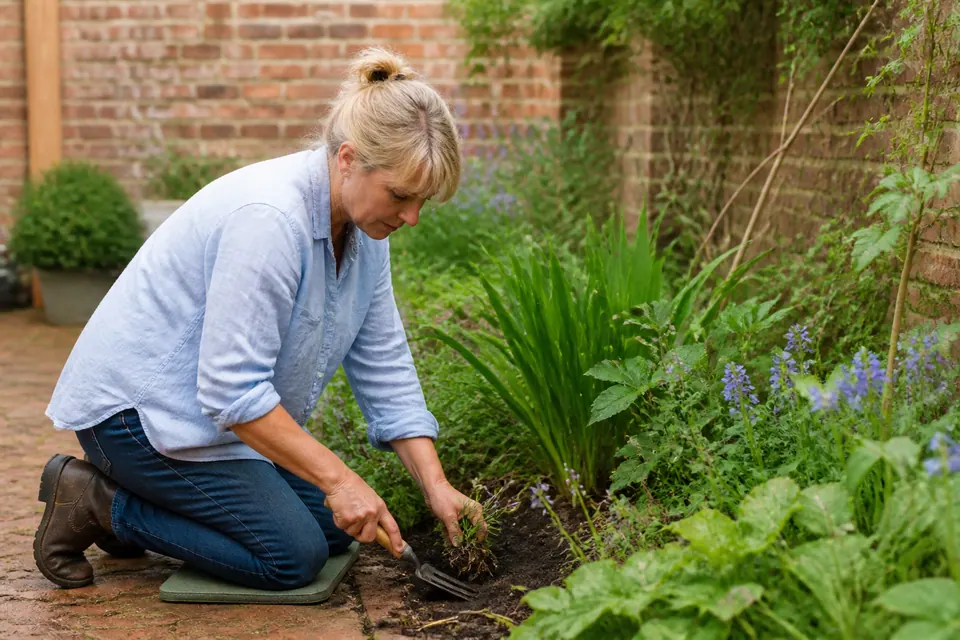
Garden maintenance
Describe the current grass use and condition rather than repeating a former mowing brief automatically.
Explore garden maintenanceBALHAM / THE SAME GARDEN, DIFFERENT PRIORITIES
A space once used mainly for play may now be somewhere to sit, or a neglected corner may have become useful again. Describe the changed use before assuming the whole garden needs replacing.
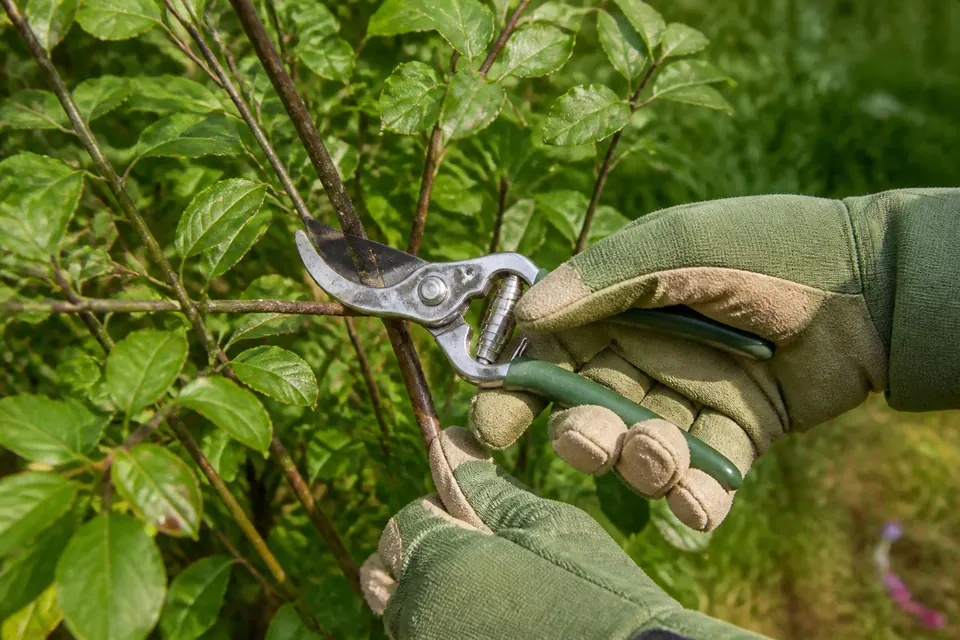
CHANGED USE DOES NOT ALWAYS MEAN REDESIGN
Describe the current grass use and condition rather than repeating a former mowing brief automatically.
Explore garden maintenance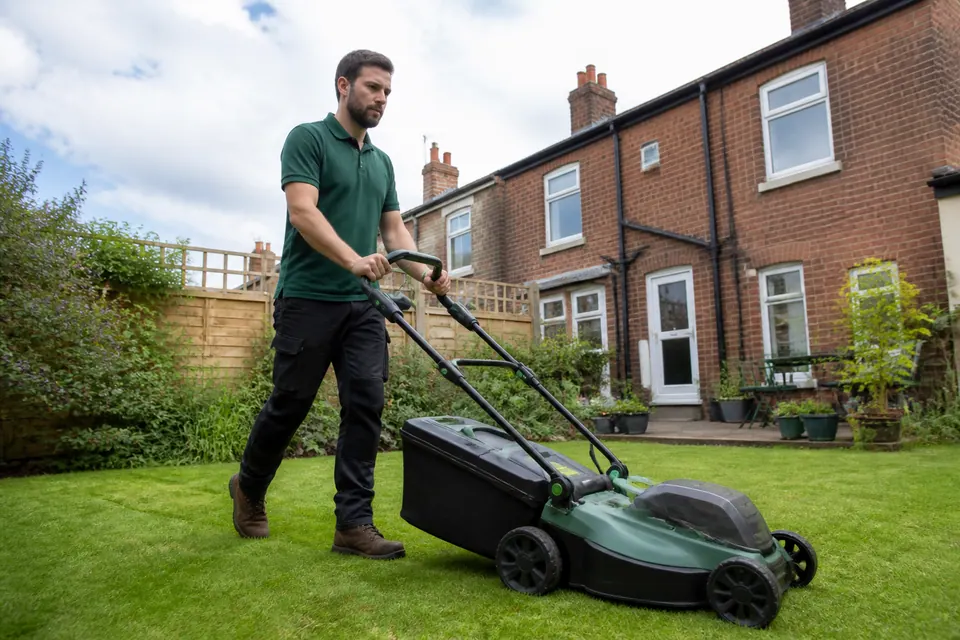
Identify shrubs that still provide useful screening and those affecting the new priority area.
Explore lawn care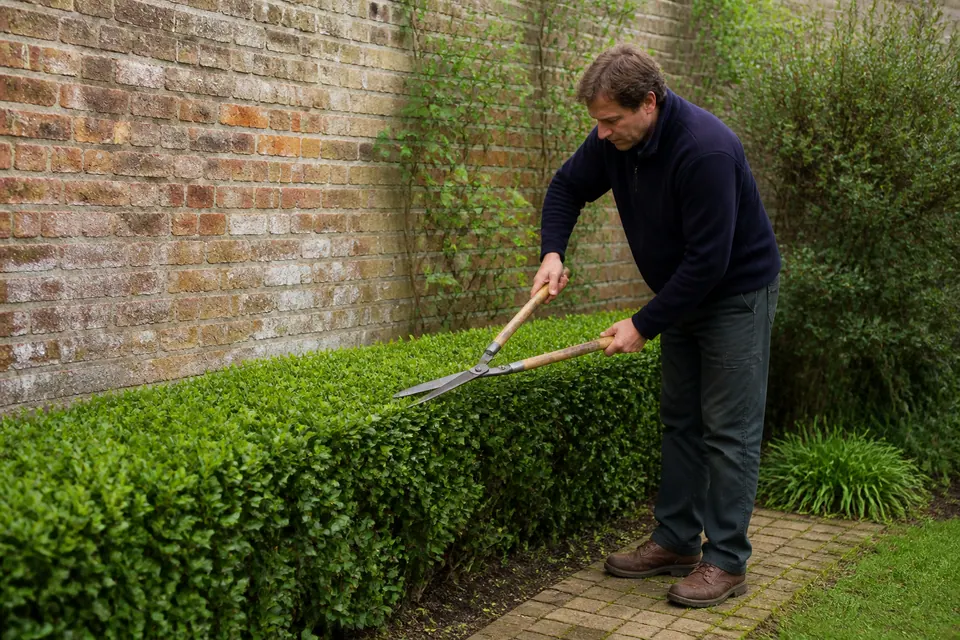
Mark unwanted growth in a newly useful corner without assuming removal of retained structures or belongings.
Explore hedges & shrubs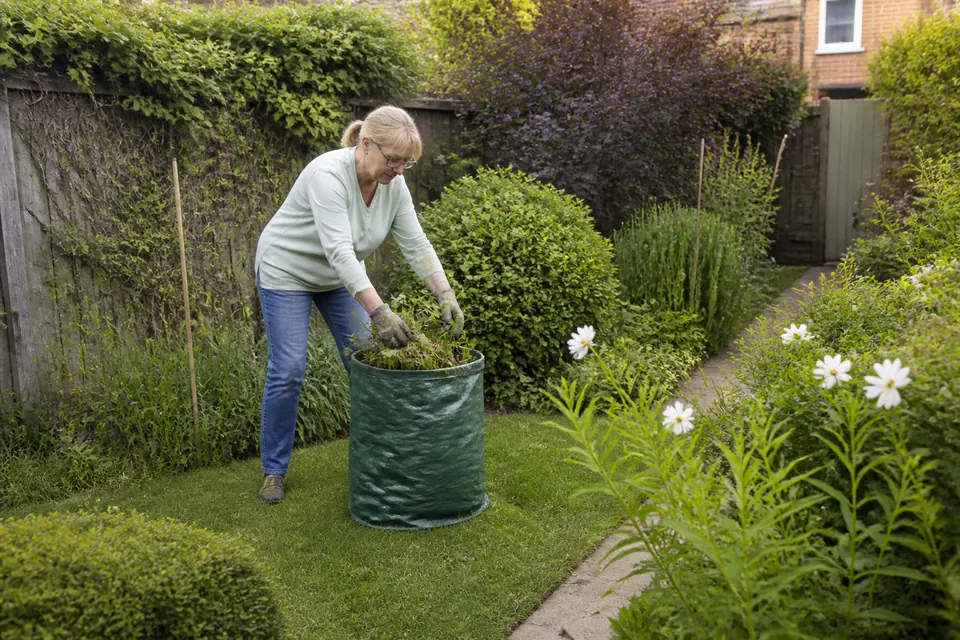
Re-rank beds and seasonal attention around the present household needs, keeping alterations separate.
Explore garden clearanceBALHAM / EXPLAIN WHAT HAS CHANGED
If your household uses a Balham garden differently now, describe the new priority and the features you still value. A shift from active lawn use to sitting outside, for example, does not automatically require a new layout. Show the growth or debris affecting the intended area and distinguish ordinary gardening from moving structures or changing surfaces. Begin with the practical adjustment that would help most.
REVIEW THE EXISTING AREAS
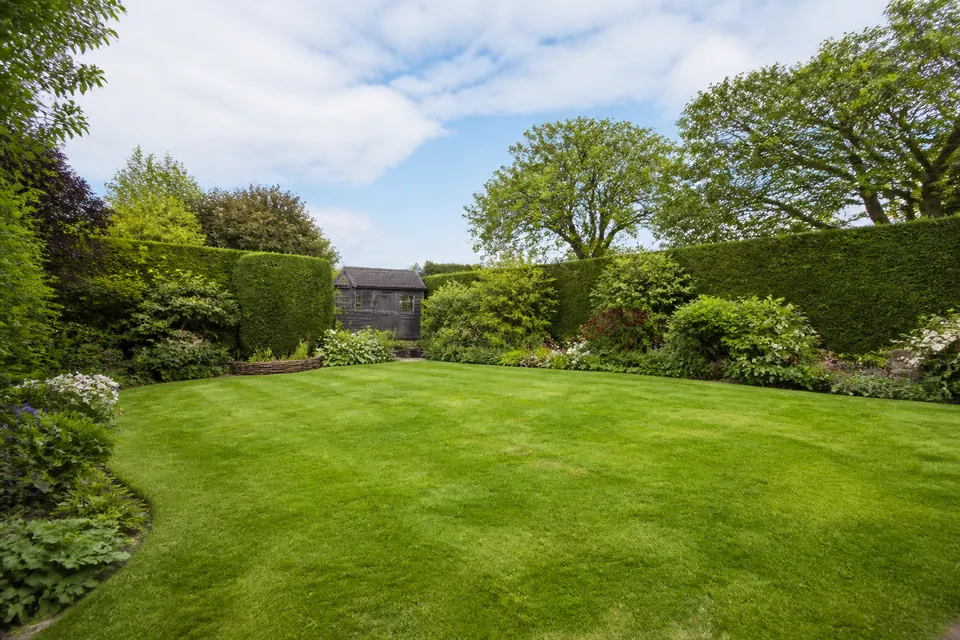
Show its condition and the attention now wanted.
Identify what remains useful under the changed use.
Choose where selective attention would help first.
Separate vegetation tasks from surface alterations.
Distinguish green waste from retained equipment or furniture.
CHOOSE THE FIRST ADJUSTMENT
CHANGE THE PRIORITIES EXPLICITLY
Explain what has changed in the household's use and identify the gardening behind the first practical adjustment.
Explore flexible maintenance tasks ↗A CHANGE WITHOUT WHOLESALE REPLACEMENT
The example illustrates a tidy, not a Balham conversion project or guaranteed new layout.
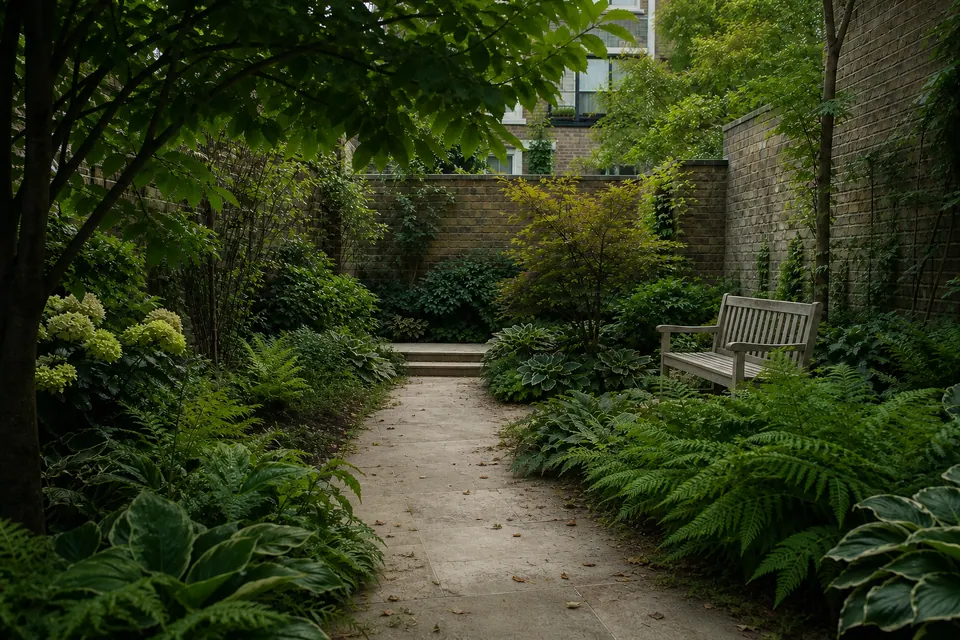
Planting and route establish the example's starting point.
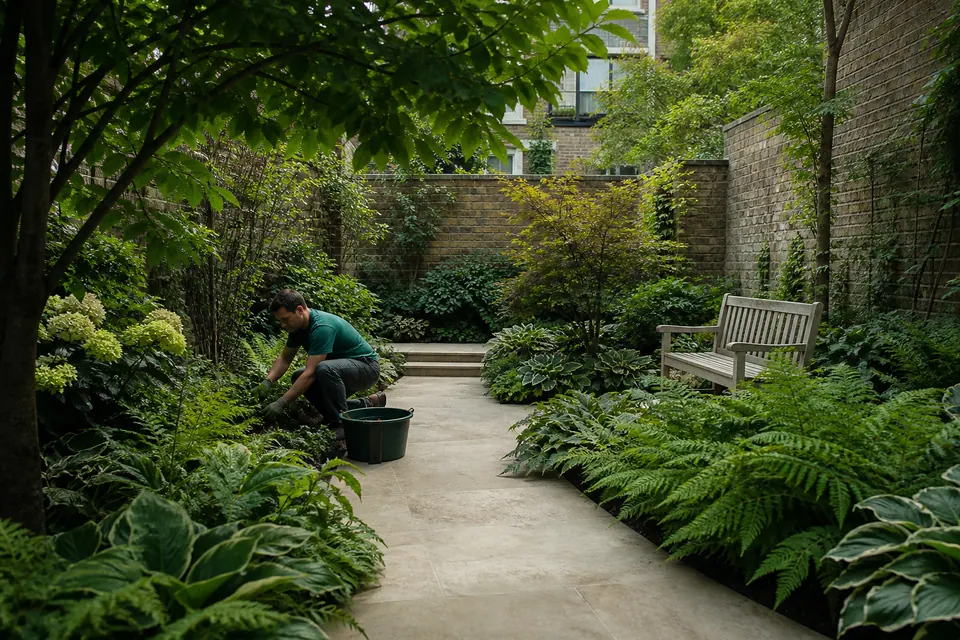
The pictured attention retains the underlying arrangement.
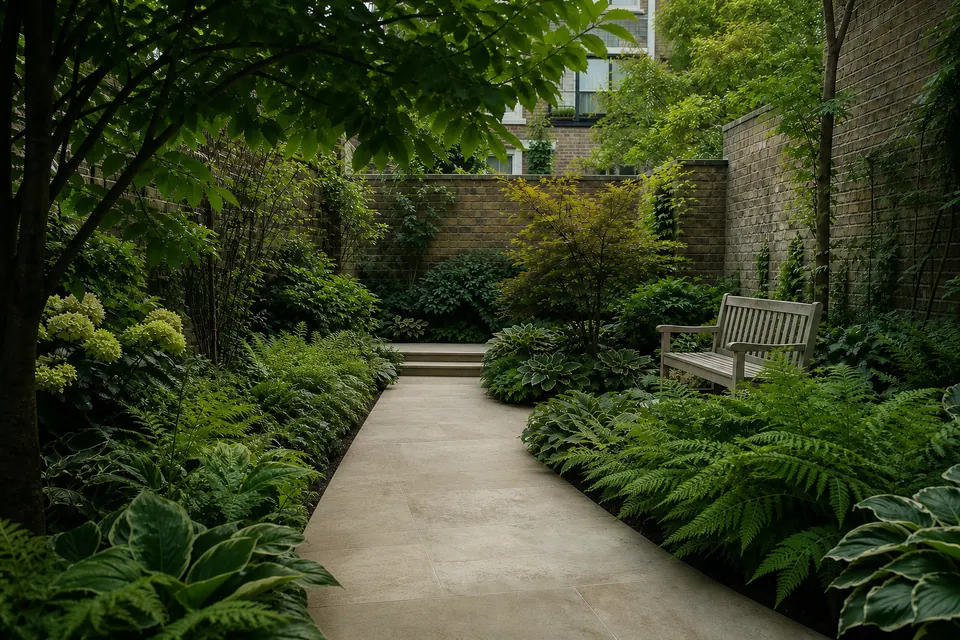
A practical difference is shown without construction or redesign.
NEW PRIORITIES STILL MEET SEASONAL CONDITIONS
Changed household use does not make every plant task appropriate immediately.
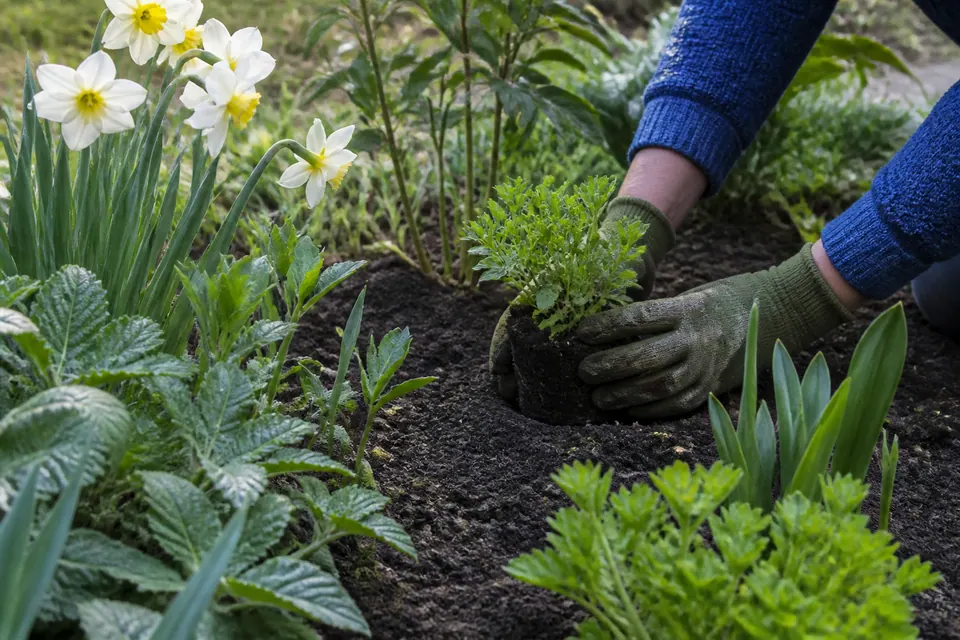
Identify wanted new growth before revising border attention.
Review suitable grass and shrub tasks around the current use.
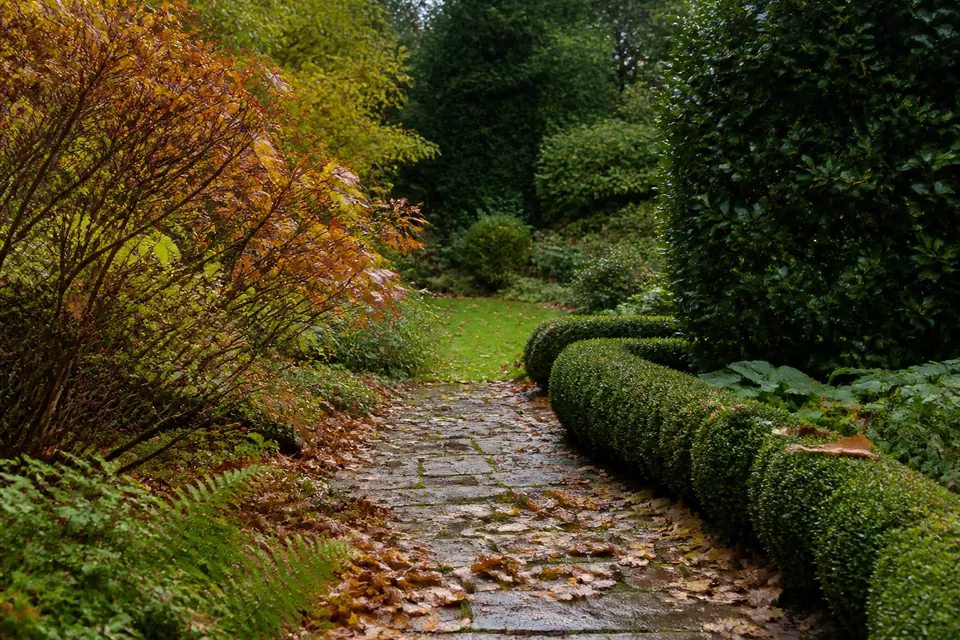
Prioritise gathering where the household now spends time.
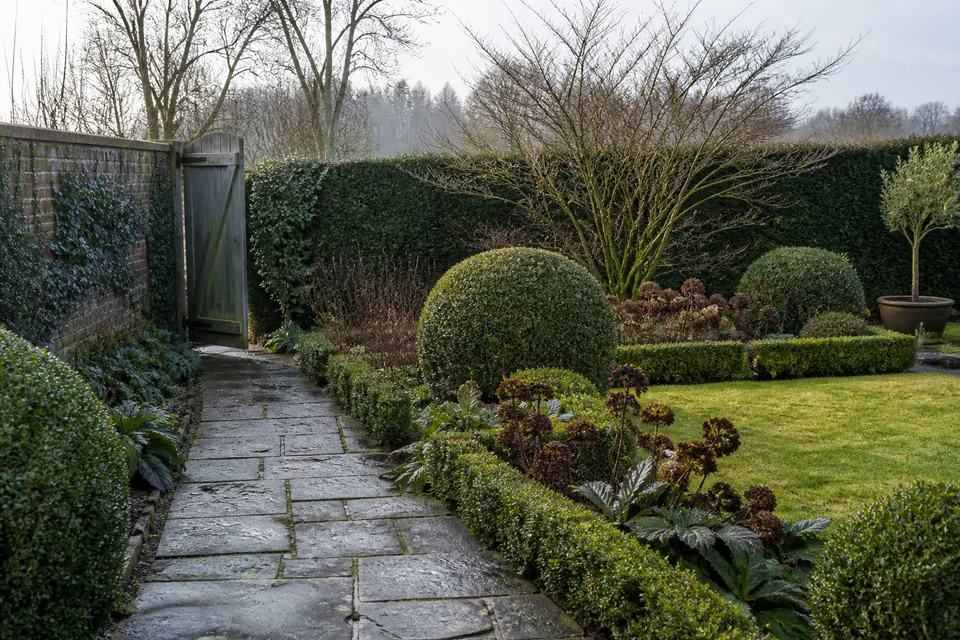
Ground limitations may affect the first practical adjustment.
UPKEEP AND ALTERATION ARE DIFFERENT
| Service | Present priority | Task boundary |
|---|---|---|
| Garden maintenance | Existing areas need reordered attention | Named weeding and appropriate seasonal tasks |
| Lawn care | The lawn has a different role | Suitable mowing, with other condition concerns separate |
| Hedges & shrubs | Shrubs need attention near the priority area | Agreed shaping with valued features retained |
| Garden clearance | A corner has become useful again | Listed vegetation removal without implied structural change |
ASSESS THE ADJUSTMENT, NOT AN ASSUMED CONVERSION
Show the existing space and proposed gardening. Confirm materials and removal separately from any larger alterations you are considering.
The light-clearance guide does not price a whole garden conversion or automatically include new features.
See clearance pricing| Service | Details to clarify | Guide |
|---|---|---|
| Routine garden maintenance | Current household priorities and included areas | Quote after assessment |
| Lawn mowing & edging | Grass condition and suitable cutting requirements | Quote after assessment |
| Hedge & shrub trimming | Retained shrub roles and appropriate attention | Quote from photographs / assessment |
| Small green-waste collection | Green material volume and collection arrangements | From £40 |
| Light garden clearance | The nominated vegetation-removal section | Typically £100–£300 |
| Large overgrown garden | Extent and density of substantial overgrowth | From £500 |
Tidying plants, moving structures and changing paving are not one automatic package. Keep the gardening assessment distinct from wider plans.
CHANGED-USE CHECK
AN INITIAL ADJUSTMENT OR A REVISED ROUTINE
| Visit choice | One-off gardening | Regular maintenance |
|---|---|---|
| Best for | Addressing the newly important area | Supporting the current household priorities |
| Frequency | One bounded gardening appointment | A reviewed schedule with updated responsibilities |
| Scope | Immediate adjustment and retained features | Defined ongoing tasks without implied alterations |
EXPLAIN, RETAIN, ASSESS, REVIEW
Show the area and intended everyday use.
Mark valued plants and features to retain.
Conditions influence the appropriate first adjustment.
Keep later alterations separate from the completed tidy.
Alesta's gardening remains distinct from landscaping, major tree operations and specialist treatments, even when the household's plans change.
Read how Alesta plans gardening workBALHAM / THE NEW PRIORITY AREA
Check attendance for the full Balham address and explain entry to the relevant area. Show the current layout rather than relying on an older description.
Open Balham in Google Maps ↗CHANGING-PRIORITY QUESTIONS
Describe the present condition and intended task; do not assume a structural conversion is necessary.
Show relevant items and state whether they remain; gardening does not imply their removal.
Explain its continuing role and any suitable attention wanted around the new priority.
No. Surface changes are separate from routine gardening.
Discuss the revised scope and responsibilities rather than assuming the existing arrangement changes automatically.
Keep the initial gardening bounded and leave larger choices for a later discussion.
No. Identify retained plants and belongings separately from authorised vegetation removal.
No. They illustrate gardening tasks, not local conversion projects or guaranteed layouts.
BALHAM / BEGIN WITH TODAY'S PRIORITY
Explain the change and identify the first gardening adjustment while retaining what still works.
Call about your garden's changing prioritiesIllustrations do not document Balham household conversions or promise a redesigned space.
