

Spring
Identify emerging shoots before treating older growth as an unrestricted removal area.
Blackheath / GARDEN PLANNING
A seasonal tidy can leave a garden recognisable rather than bare. If you value particular stems, shrubs or the outline of a border, identify them before asking for spent growth to be removed.
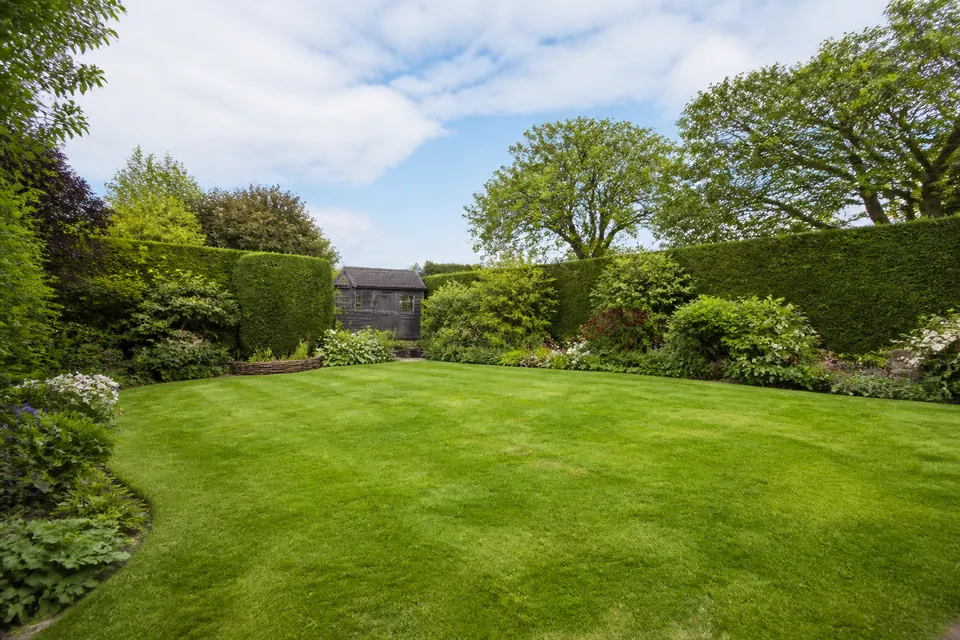 GARDEN CARE / Blackheath
A LIVING SPACE, NOT A FIXED CHECKLIST
Different plants can need different decisions within the same border.
Identify emerging shoots before treating older growth as an unrestricted removal area.

Review the balance between vigorous planting and open space.
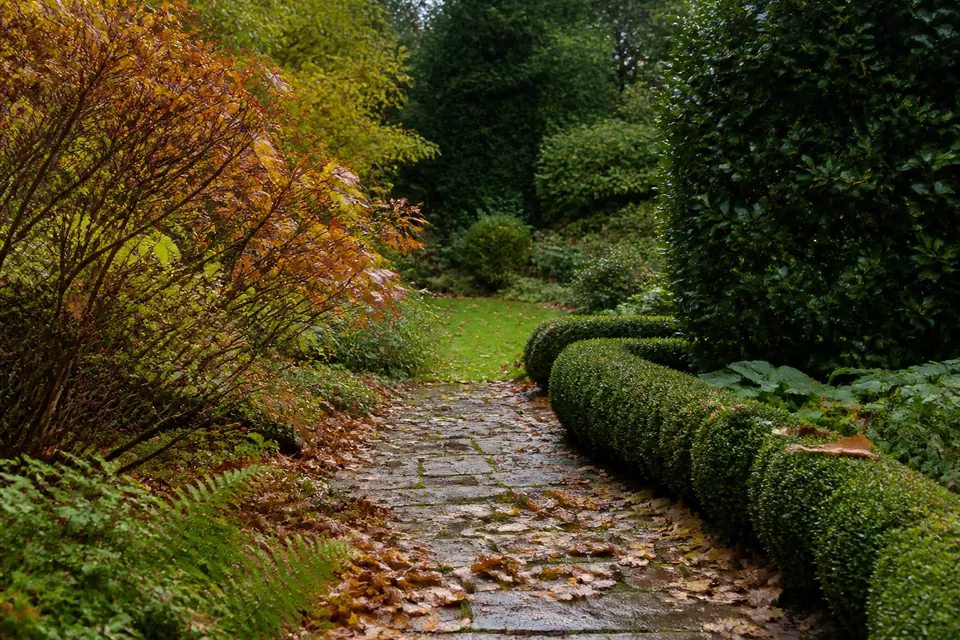
Agree which stems belong in the retained seasonal appearance.
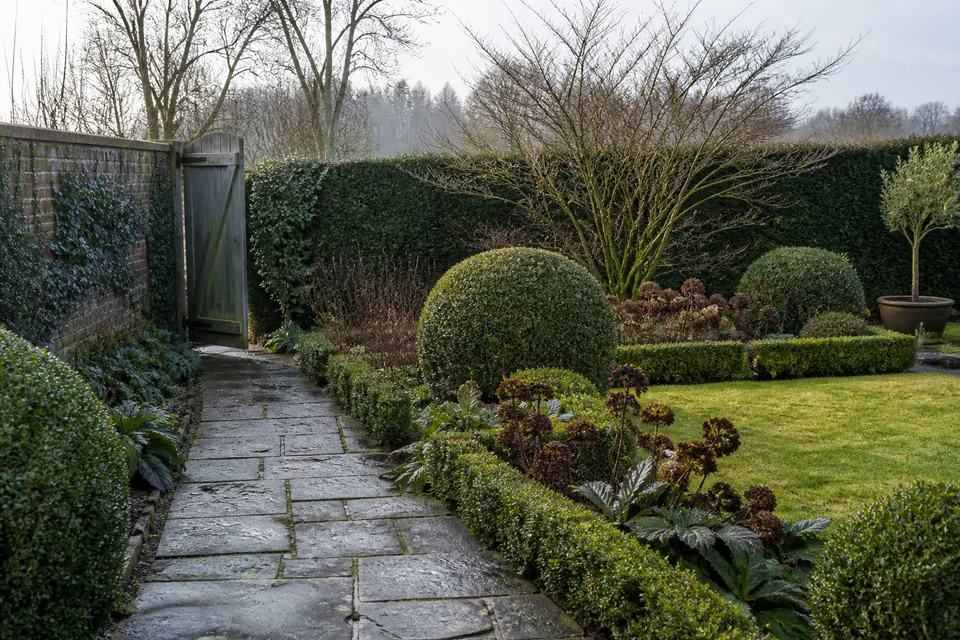
Assess structure and future priorities without forcing unsuitable cuts.
AT A GLANCE
| Service | Best suited for | Typical work |
|---|---|---|
| Garden maintenance | Season-aware routine attention | Selective bed care and appropriate light pruning |
| Lawn care | Grass beside retained planting | Mowing and edging within the agreed boundary |
| Hedges & shrubs | Shrubs providing framework | Suitable shaping with species, nests and timing considered |
| Garden clearance | Confirmed unwanted vegetation | A defined clearance that protects retained seasonal features |
READ YOUR GARDEN
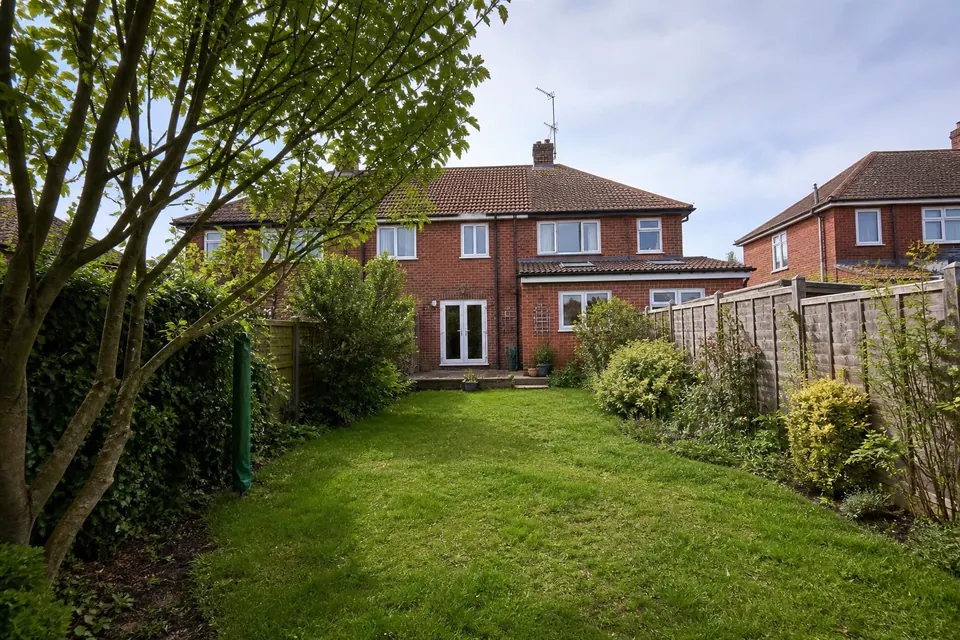
Identify the lawn edge without extending mowing into planted areas.
Distinguish valued framework from growth being considered for trimming.
Mark stems or plants that should remain through the next season.
Request loose-leaf gathering where needed without implying surface repairs.
Only confirmed removals belong in the disposal arrangement.
Blackheath / YOUR GARDEN BRIEF
For a Blackheath gardening enquiry, current photographs should show both the untidy areas and the features you still enjoy. A border may contain growth you deliberately want to leave standing. Where plant identity or suitable timing is uncertain, flag it for assessment rather than asking for everything to be reduced together.
PRICE THE WORK, NOT THE POSTCODE
Explain the desired retained appearance so the estimate reflects selective work rather than broad removal.
The light-clearance guide does not establish the price of a careful seasonal border review.
See clearance pricing| Service | Pricing basis | Guide |
|---|---|---|
| Routine garden maintenance | Bed extent and selective priorities | Routine-care assessment for the quote |
| Lawn mowing & edging | Grass area and its current condition | Lawn care priced after review |
| Hedge & shrub trimming | Intended shape and suitable trimming | Photographs or assessment inform the total |
| Small green-waste collection | Confirmed cuttings and collection route | From £40 |
| Light garden clearance | Listed vegetation and disposal needs | Typically £100–£300 |
| Large overgrown garden | Dense overgrowth and removal scale | From £500 |
If new planting or materials are proposed, confirm them separately. The price of tidying existing beds should not be interpreted as an allowance for replacing everything removed.
QUICK ANSWERS
BUILD A USEFUL BRIEF
A STARTING POINT
Start by describing what looks out of balance. A selective tidy may be the intended outcome, while a clearance brief would authorise a materially different level of removal.
Read the service scope ↗CHOOSE THE WORK
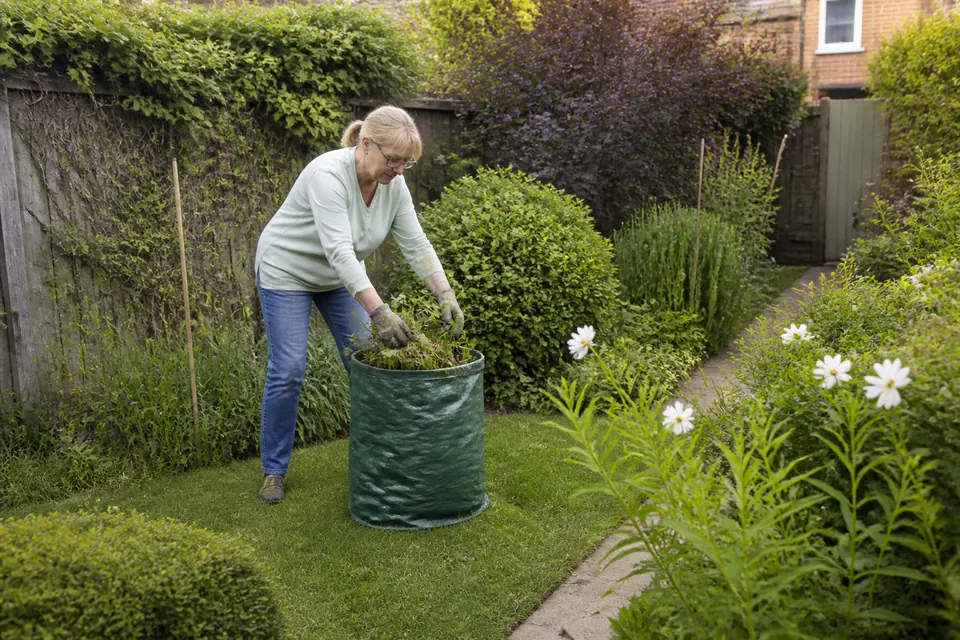
Keep ordinary grass cutting separate from decisions about planted edges.
Explore garden clearance
Describe the form you want retained before agreeing suitable shaping.
Explore garden maintenanceUse a specific removal list instead of treating dormant-looking growth as waste.
Explore lawn care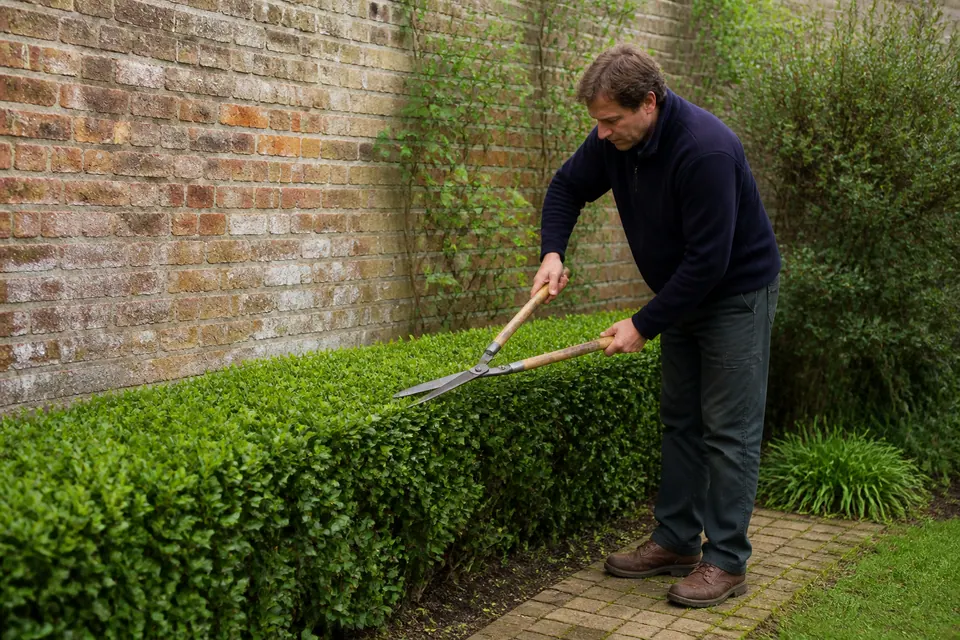
Review beds through the year without repeating the same cuts automatically.
Explore hedges & shrubsHOW THE VISIT COMES TOGETHER
Photograph the border and mark the features you want left standing.
Agree suitable tasks and any decisions that should wait.
Check plant and ground conditions before applying the proposed brief.
Review retained structure as well as the material removed.
Routine seasonal gardening is not specialist diagnosis, major tree work or landscape redesign. A desire for a different overall structure may require separate assessment beyond the tidy being discussed.
Read how Alesta plans gardening workA RESET OR A ROUTINE?
| Visit choice | One-off gardening | Regular maintenance |
|---|---|---|
| Best for | Address a current seasonal imbalance | Review changing needs through the year |
| Frequency | One agreed selective appointment | A responsive ongoing arrangement |
| Scope | Named removals and retained features | Priorities reconsidered as the display develops |
FROM OVERGROWTH TO EVERYDAY USE
The sequence is illustrative and is not a Blackheath seasonal project record.
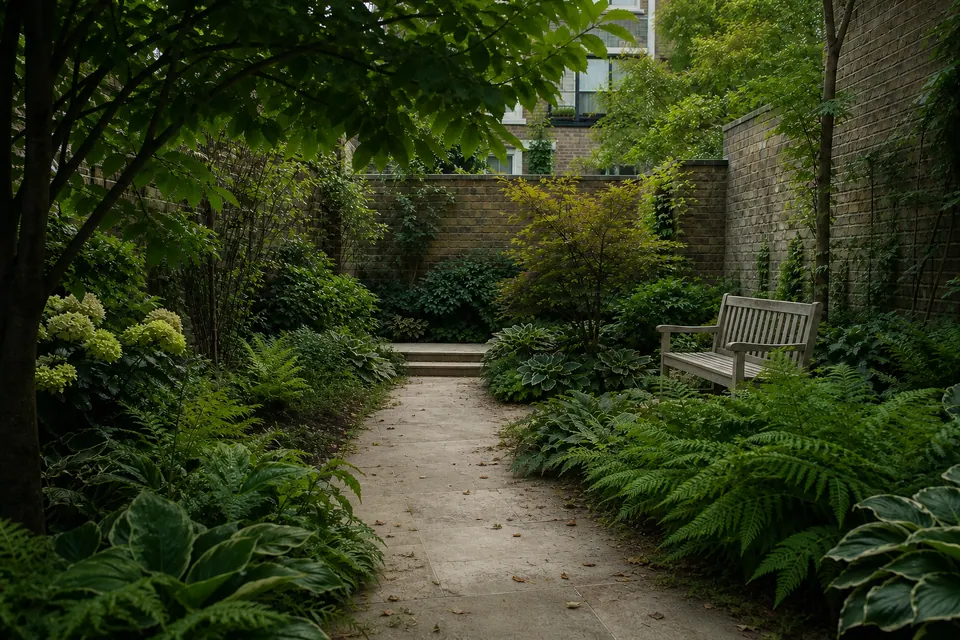
Existing planting defines the example’s shape.
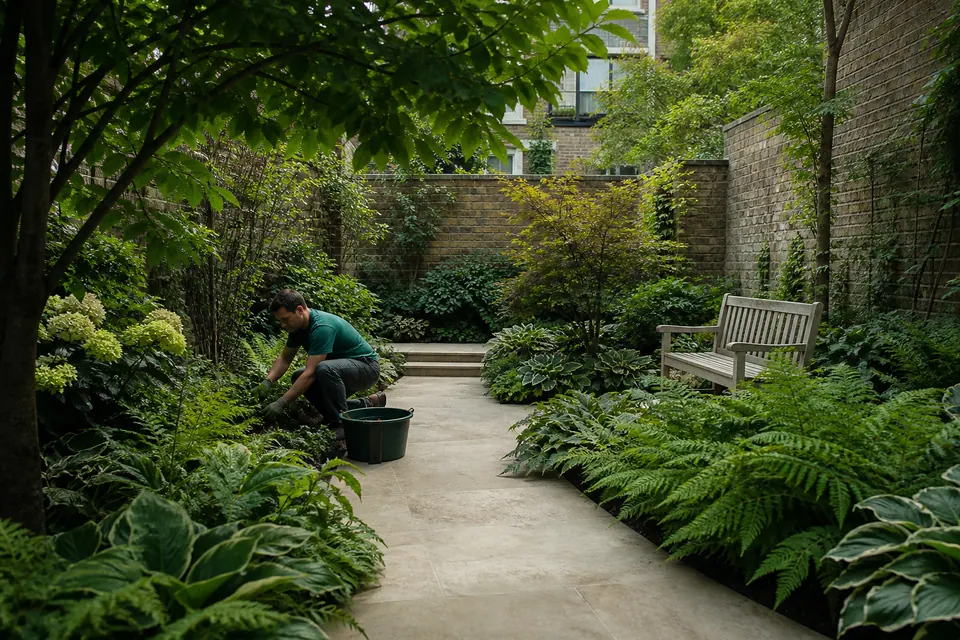
The demonstration focuses attention around retained features.
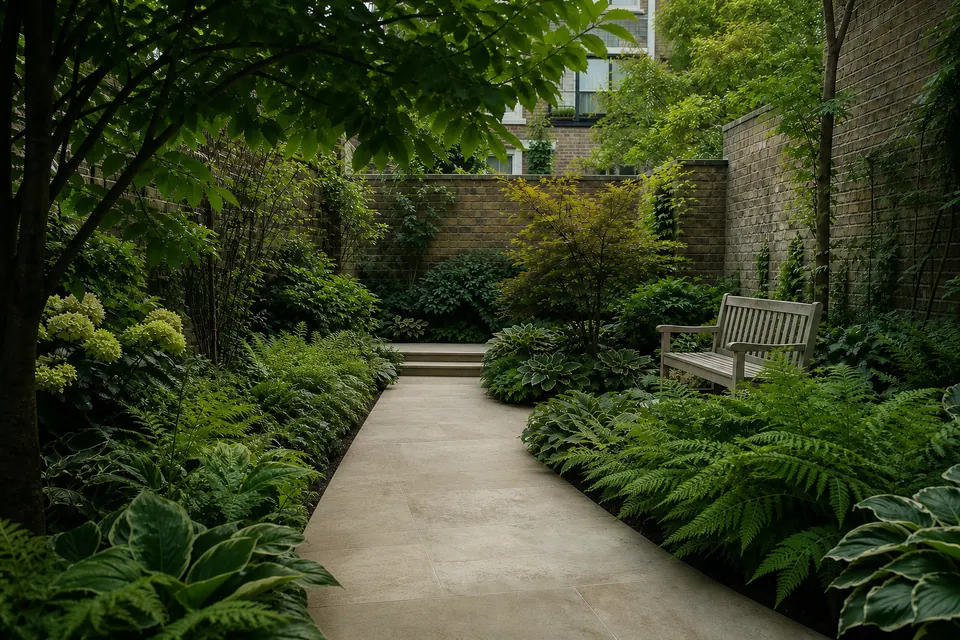
The result is tidier without depicting wholesale replacement.
BEFORE ARRANGING WORK
No blanket instruction is necessary. Identify the plants and the appearance you want retained, then discuss suitable work individually.
State that preference clearly in the keep list. A request for tidying should not override explicitly retained features.
Flag the uncertainty and exclude it from automatic removal until assessed. Appearance at one point in the year can be misleading.
Not necessarily. The plants develop and conditions change, so the agreed priorities should be reviewed rather than copied unchanged.
Ask for assessment of the plant, timing and intended change. Suitable trimming is not guaranteed simply because other seasonal work is planned.
Only if replacement planting and materials are specifically agreed. A tidy does not include an implied redesign.
Yes, list it separately so suitable grass care can be considered alongside the selective border tasks.
Address-level attendance, access and the proposed gardening scope must be agreed before a visit is treated as arranged.
Blackheath / LOCATION CONTEXT
Provide the complete Blackheath address and the entrance used to reach the planting. Attendance must be confirmed; the map cannot establish suitability or availability for the requested appointment.
Open Blackheath in Google Maps ↗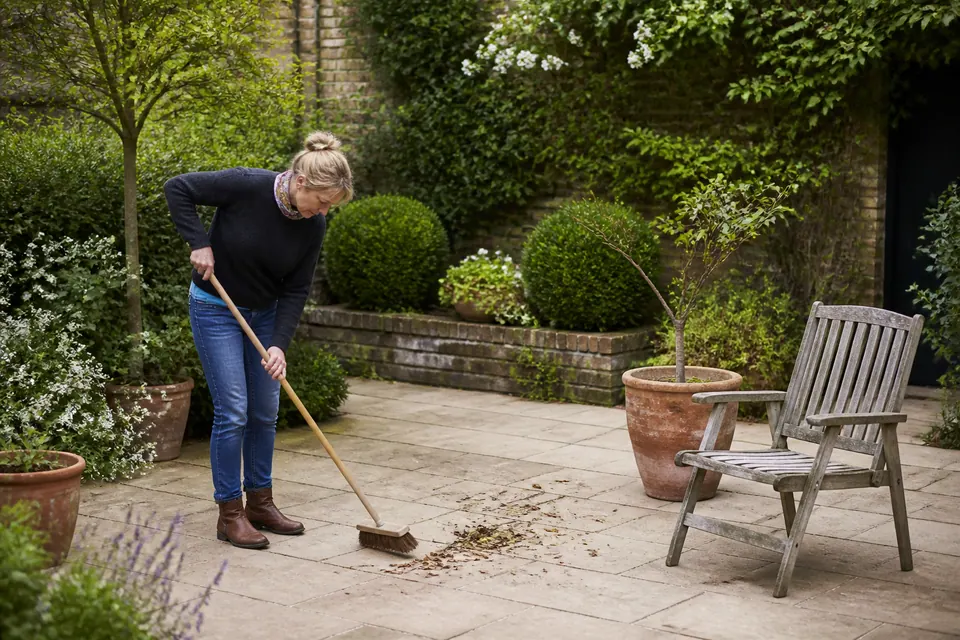
Blackheath / NEXT STEP
Send the current view and identify what gives the garden its character. Those details help distinguish a selective tidy from a clearance request.
Plan a selective seasonal tidyIllustrative garden scenes; not photographs of Alesta customer jobs.
