
HIGHGATE / UNDERSTAND THE LEVELS
Highgate Garden Care Across Separate Areas
When a garden is divided by steps or changes in level, each area needs to be understood in relation to the next. Show the route between them as well as the task waiting at the end.
- Label upper and lower areas clearly
- Photograph changes in level
- Prioritise the area with the greatest need
- Explain where gathered material must travel
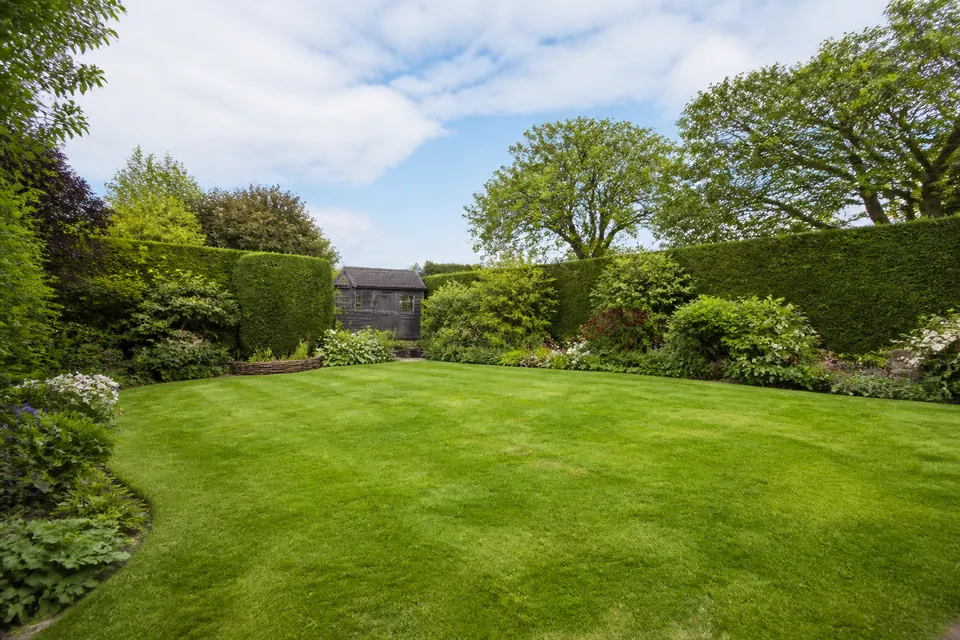 GARDEN CARE / Highgate
CHOOSE THE FIRST DESTINATION
Which section needs attention most?
AREA LABELS SUPPORT THE BRIEF
Garden maintenance
Rank the sections before combining their task lists. Explain any route limitation that affects reaching the first priority.
Read about planned maintenance ↗HIGHGATE / A ROUTE THROUGH THE LEVELS
Show what connects the photographs
If your Highgate garden has steps, terraces or separate sections, label photographs by position and include the connections between them. Do not assume every property shares this layout, or that an attractive view establishes a workable route. Explain which area matters first and where material can be gathered. Any concern about unstable surfaces or structures should be flagged separately rather than treated as a gardening task.
02 / Show the connections
03 / Identify practical priorities
A ROUTE-FOCUSED ILLUSTRATION
Clearer passage is a defined gardening objective
This example is not a Highgate site survey or a promise that every level can be worked from.
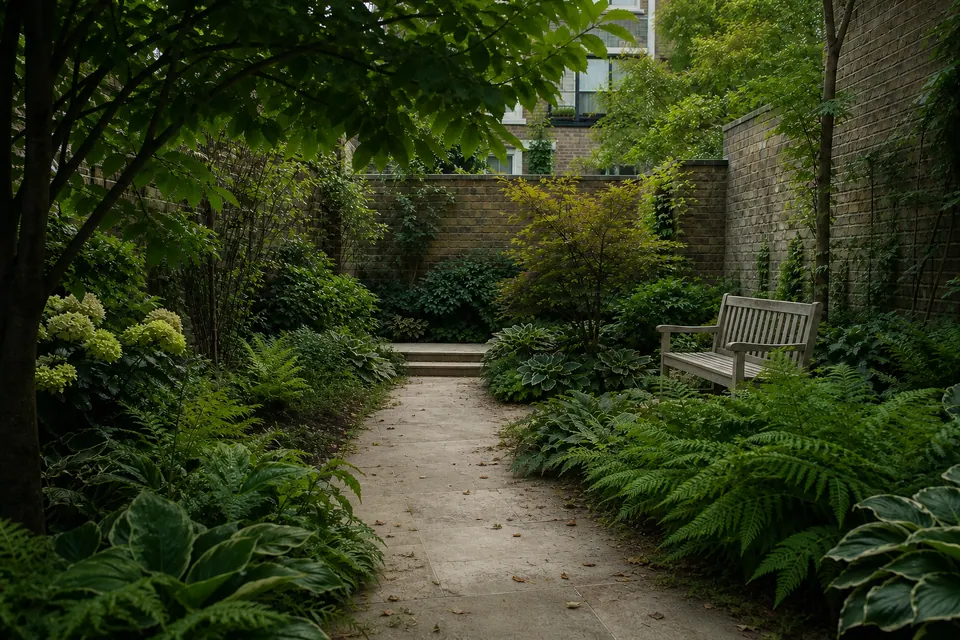
Locate the intended passage
Loose material makes the edge of the path less distinct.
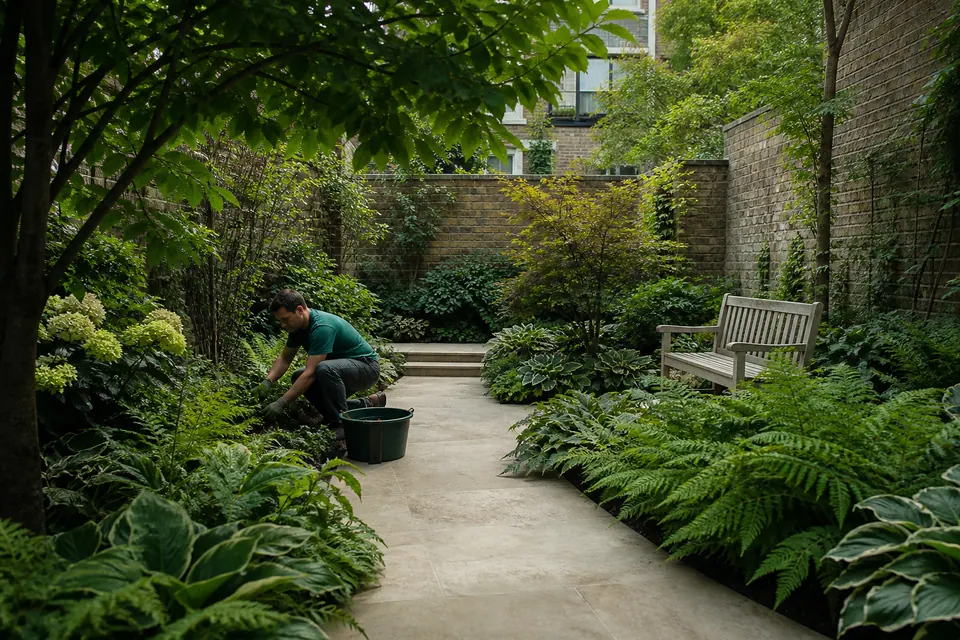
Attend within the boundary
The example tidy works around the existing planted area.
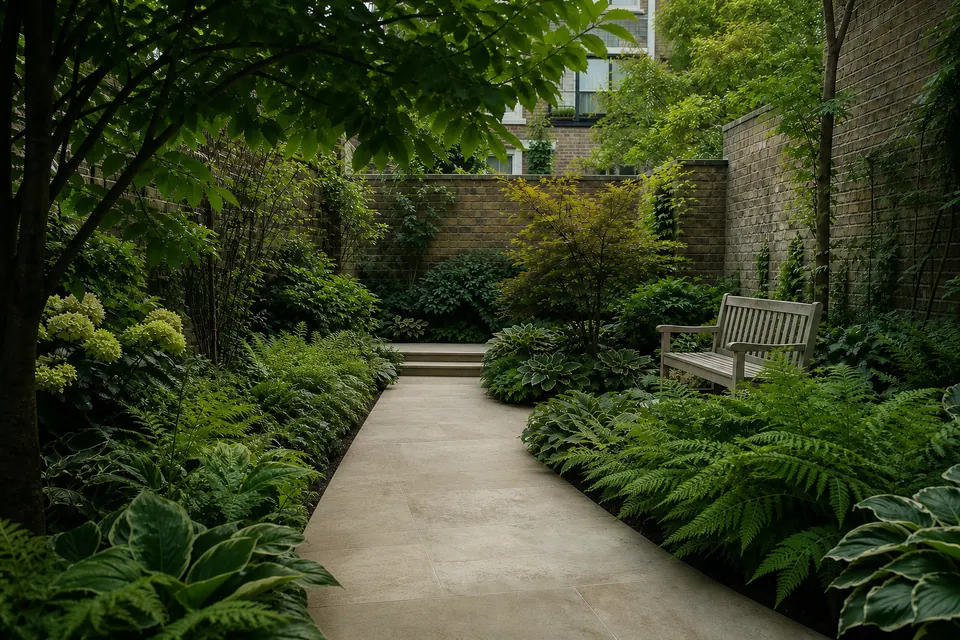
Review the route's appearance
A clearer path is shown, not structural repair or new construction.
NAME THE SECTION WITH THE SERVICE
A divided layout needs a precise task allocation
| Service | Area information | Task specification |
|---|---|---|
| Garden maintenance | Labelled sections needing upkeep | Selected border and seasonal priorities in order |
| Lawn care | Individual grass areas and approaches | Suitable mowing with equipment access considered |
| Hedges & shrubs | Specific shrub groups and working positions | Agreed shaping within suitable practical limits |
| Garden clearance | A marked overgrown section | Listed removal with the carrying route described |
INCLUDE THE CONNECTIONS
The distance between tasks matters to assessment
ROUTINE GARDEN CAREQuoted with
Quoted with
the layout understood.
Send the connecting views alongside the priority areas. Agree handling, materials and the scope before assuming both levels are included.
LIGHT GARDEN CLEARANCE£100–£300
The light-clearance band is a published guide, not a fixed quote for carrying material across a divided garden.
See clearance pricing| Service | Information for assessment | Guide |
|---|---|---|
| Routine garden maintenance | Areas, task order and movement between sections | Quote after assessment |
| Lawn mowing & edging | Grass condition and practical equipment route | Quote after assessment |
| Hedge & shrub trimming | Working position, shrub dimensions and trimmings | Quote from photographs / assessment |
| Small green-waste collection | Green material volume and outward carrying requirements | From £40 |
| Light garden clearance | Selected vegetation and the disposal route | Typically £100–£300 |
| Large overgrown garden | Scale of growth and complexity of handling loads | From £500 |
Do not omit an awkward connection
A short flight of steps or narrow turn can matter even when each working area looks spacious. Show these details before the quote is agreed.
LAYOUT BEFORE ASSUMPTIONS
Assess the task and its position together
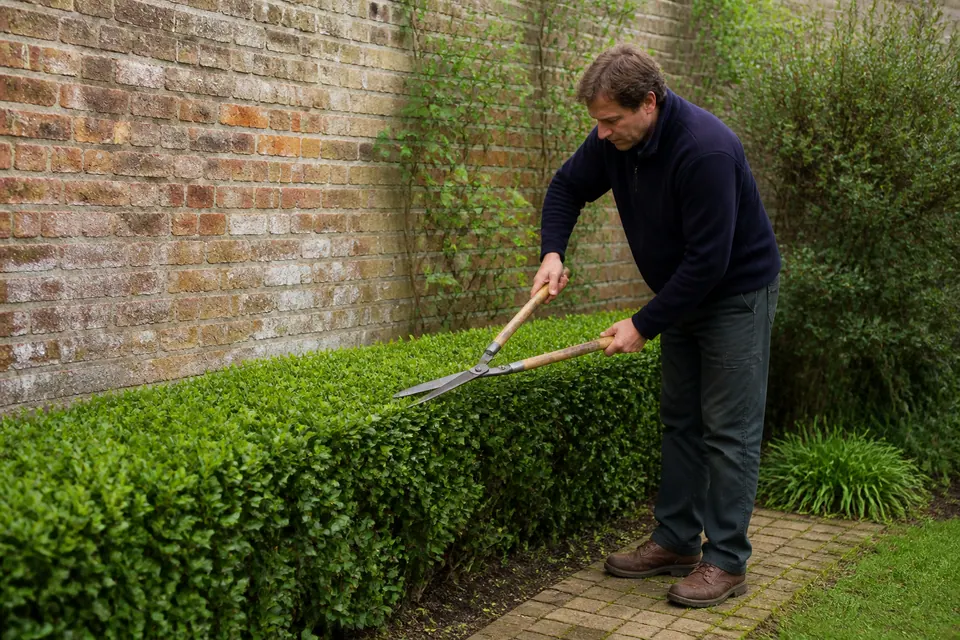
Hedges & shrubs
Identify each grass area and how equipment reaches it. A photograph of the lawn alone may miss the relevant steps.
Explore hedges & shrubs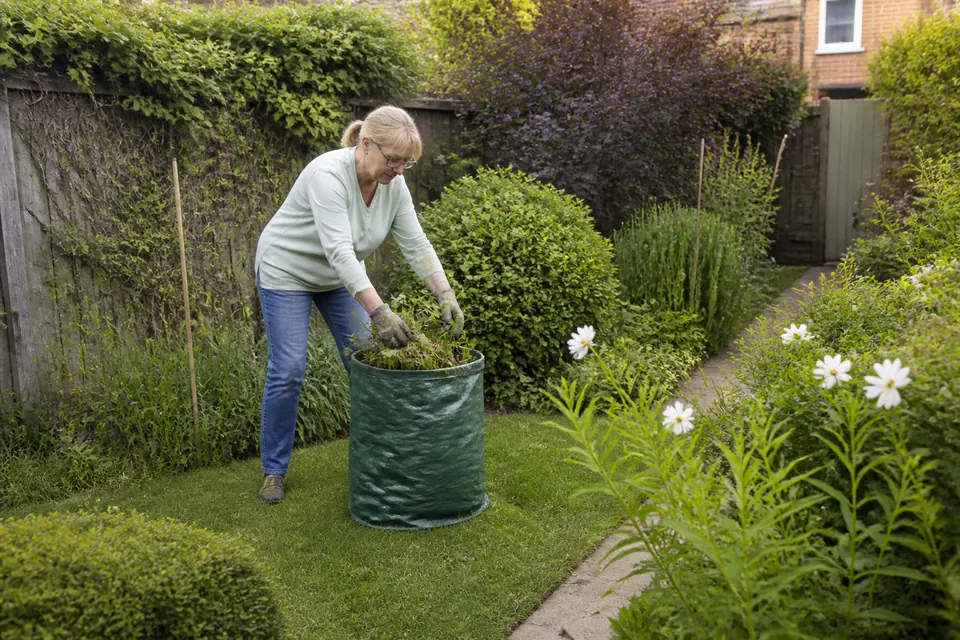
Garden clearance
Show the available working position beside shrubs, particularly where planting sits near a change in level.
Explore garden clearance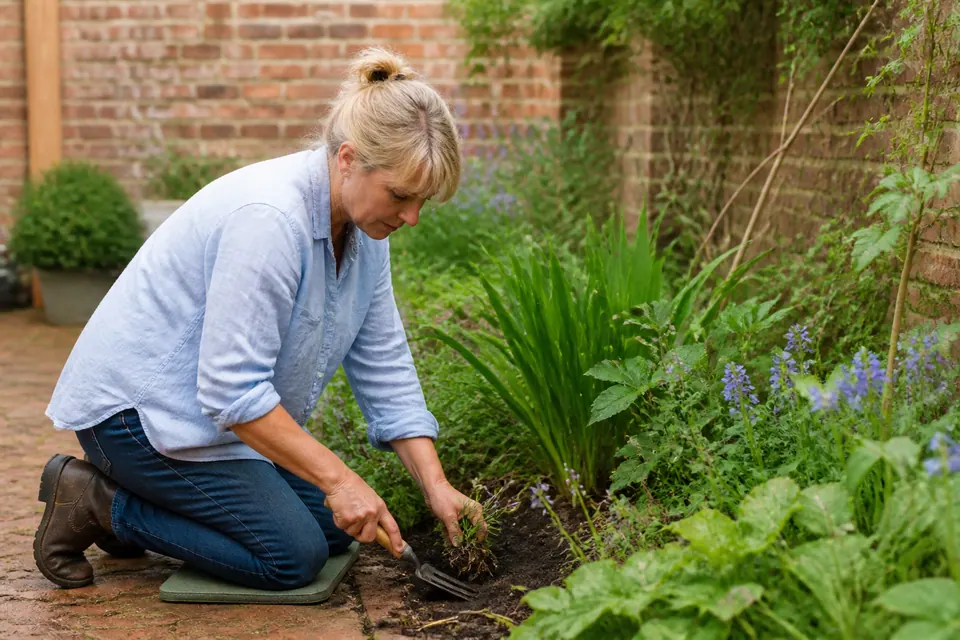
Garden maintenance
Include the journey for removed growth between the nominated section and the collection point.
Explore garden maintenance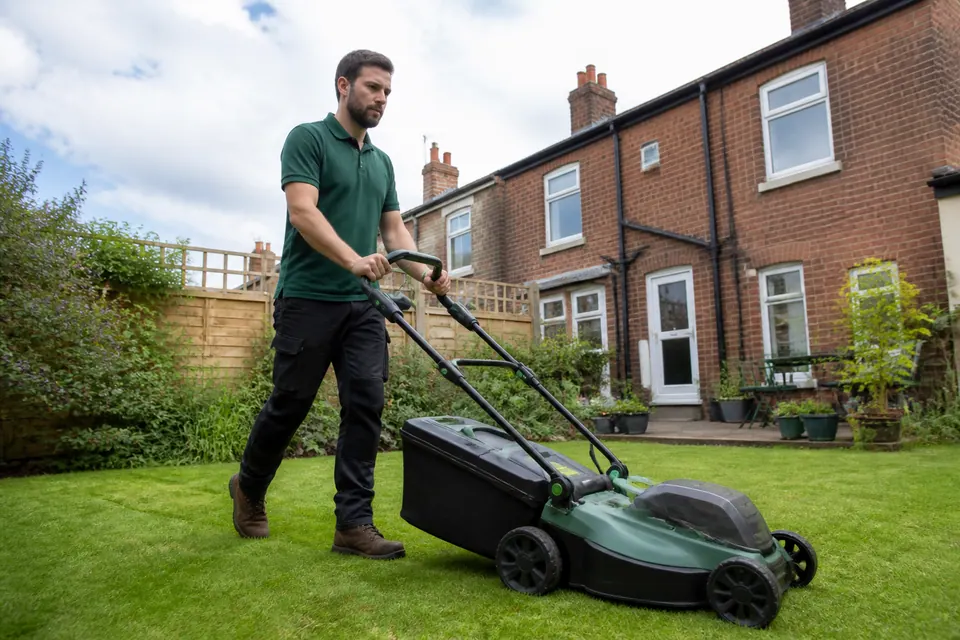
Lawn care
Label beds and seasonal priorities by area so the request remains clear across a divided layout.
Explore lawn care- Work
- Named tasks in separately identified areas
- Spaces
- Gardens with assessed access to the requested sections
- Visits
- A prioritised visit or continuing area-based care
- Area
- Full Highgate address attendance checked before booking
- Price
- Assessment includes layout and material handling
MOVE THROUGH THE LAYOUT ON PAPER
Describe the destination and the approach
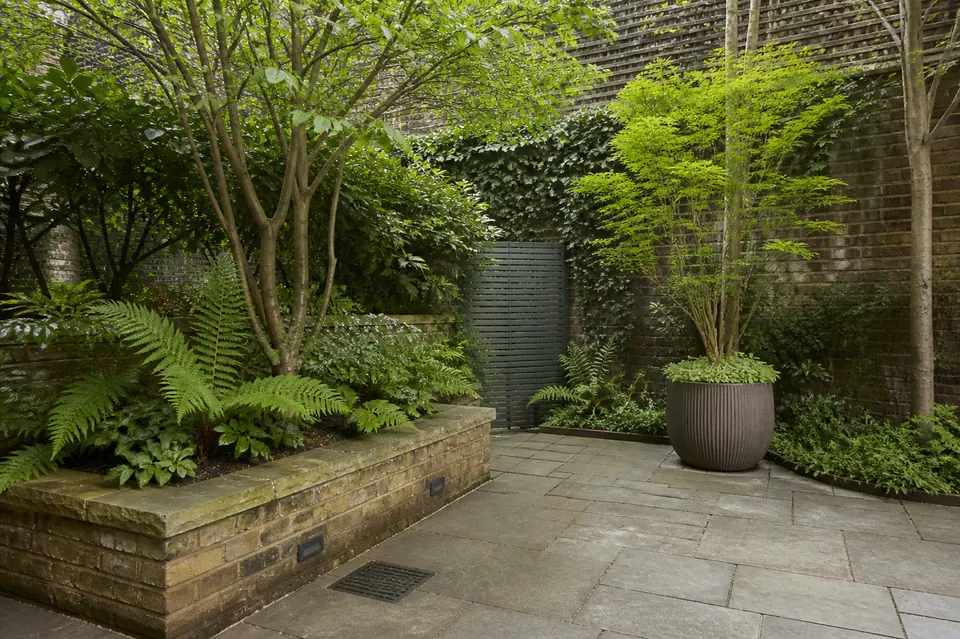
Separate grass sections
Give dimensions and route details for each included lawn.
Shrubs beside level changes
Show the working position rather than only the foliage.
Beds in different sections
Use consistent labels to avoid confusing priorities.
Steps and connecting paths
Distinguish debris attention from surface or structural repairs.
Material moving between areas
Explain the full outward route for cuttings.
REVIEW THE ROUTE AS CONDITIONS CHANGE
Different sections may need different priorities
Suitable attention depends on actual ground and plant conditions, not only the layout shown in photographs.

Spring
Identify emerging plants within each labelled bed before weeding decisions.
Summer
Assess grass and shrub tasks separately where the sections differ in condition.
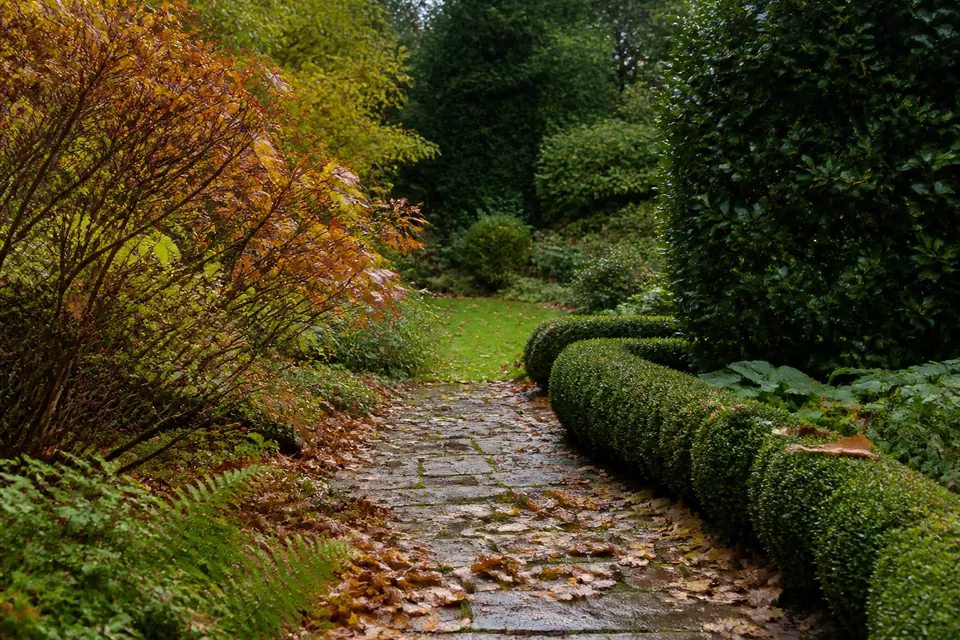
Autumn
Mention accumulated leaves on connections between areas when ranking seasonal needs.
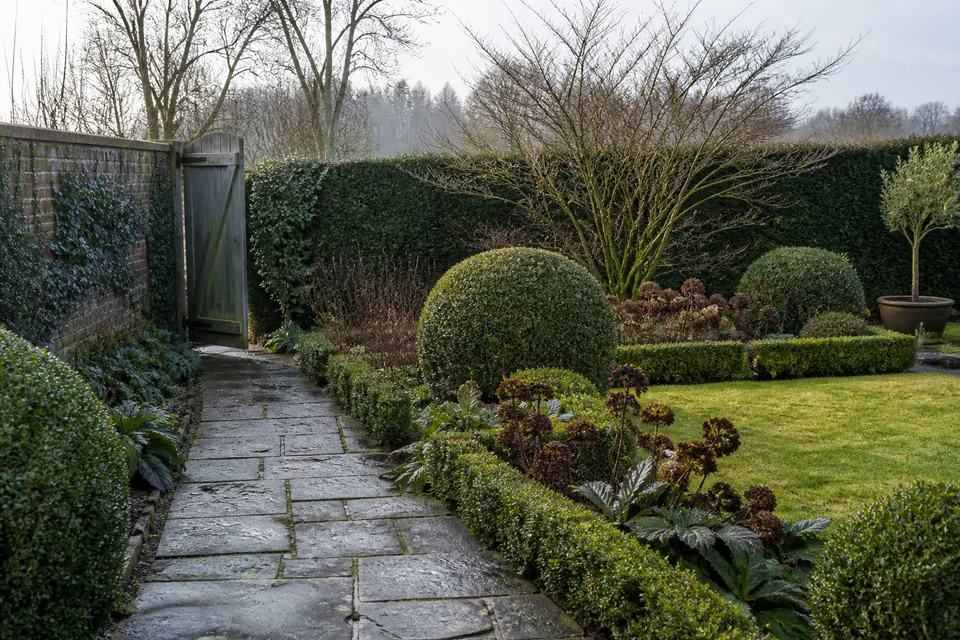
Winter
Frozen, saturated or otherwise unsuitable ground may require a revised plan.
ONE SECTION OR CONTINUING COVERAGE
Choose how attention is distributed
| Visit choice | One-off gardening | Regular maintenance |
|---|---|---|
| Best for | Completing the nominated first-priority section | Maintaining agreed areas across the layout |
| Frequency | One assessed scope and access arrangement | A reviewed schedule for the included sections |
| Scope | Immediate tasks with route details | Named areas and changing seasonal priorities |
LAYOUT CHECK
Keep section names consistent
- Can only the lower area be included?
- Yes. Identify it clearly and show its approach route.
- Do steps need photographs?
- Include every relevant change in level between entrance and task.
- What suits a single visit?
- A ranked set of section-specific tasks with an agreed endpoint.
- Can ongoing care cover different sections?
- Discuss their individual needs and practical access when defining the arrangement.
- Where will cuttings be gathered?
- Choose an agreed point and explain the route from each area.
- Are damaged steps a gardening task?
- No. Flag structural concerns separately rather than assuming repair is included.
- Can mowing equipment reach every lawn?
- That requires assessment of the route and working area.
CONNECT THE BRIEF
Make the layout understandable before attendance
Label the destinations
Use consistent names for every photographed section.
Show how they connect
Include steps, turns and the material collection point.
Check working conditions
Actual surfaces and planting may change suitable tasks.
Review by section
Compare completed attention with the agreed allocation.
Gardening does not certify the structure
Alesta's routine care is separate from repairs, landscaping and major specialist operations. A gardening appointment should not be treated as an assessment of structural safety.
Read how Alesta plans gardening workDIVIDED-LAYOUT QUESTIONS
Highgate garden-care planning
How should I label two similar beds?
Use fixed position names and matching photographs, such as the bed beside the upper door or lower lawn.
Should the connecting path be included even if it needs no work?
Yes, as route information. Label it clearly so it is not mistaken for an additional task.
Can the top section take priority over the larger lower area?
State that preference explicitly; size does not determine which area matters most to you.
What if a route has a narrow turn after the steps?
Show the complete connection. One measurement or photograph may not reveal the practical limitation.
Will gardening include repairing a retaining feature?
No such repair is implied. Flag the concern separately from the maintenance request.
Can material be kept on the same level as the work?
Discuss a suitable agreed destination rather than assuming everything must travel to a different section.
Does a clear photograph guarantee equipment access?
No. Photographs support assessment; the proposed task and actual route still need checking.
Can priorities change if one section is too wet?
Discuss suitable alternatives, keeping any scope change explicit rather than expecting work regardless of conditions.
HIGHGATE / ADDRESS AND INTERNAL ROUTE
The map cannot show the garden's connections
Confirm attendance for the full Highgate address, then describe the entrance and relevant level changes within the property. These details need more than a map marker.
Open Highgate in Google Maps ↗Gardening services near Highgate
HIGHGATE / SHOW THE CONNECTIONS
Tell us where the first priority sits
Send labelled area photographs and the route between them to begin a practical gardening discussion.
Call about your garden's separate areasIllustrative scenes do not establish access conditions or completed Highgate customer work.
