
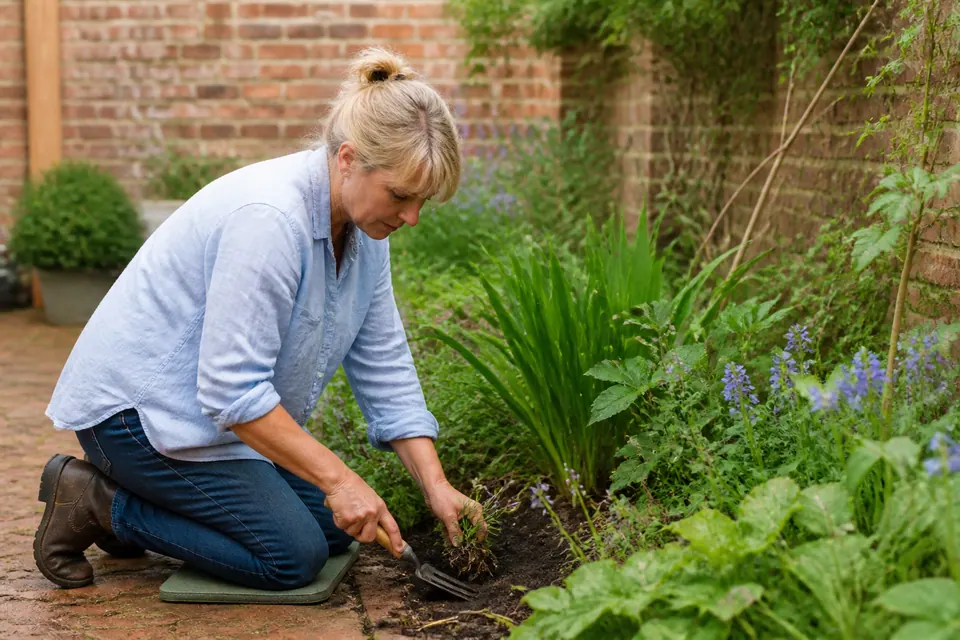
Garden maintenance
Selected bed and seasonal tasks can be discussed alongside explicit areas that should remain undisturbed.
Explore garden maintenanceIlford / GARDEN PLANNING
For an Ilford garden, mark retained patches and any observed nesting concern before discussing cutting or clearance. Explain which tasks you do want, so a request for tidiness does not become an instruction to alter every part of the space.
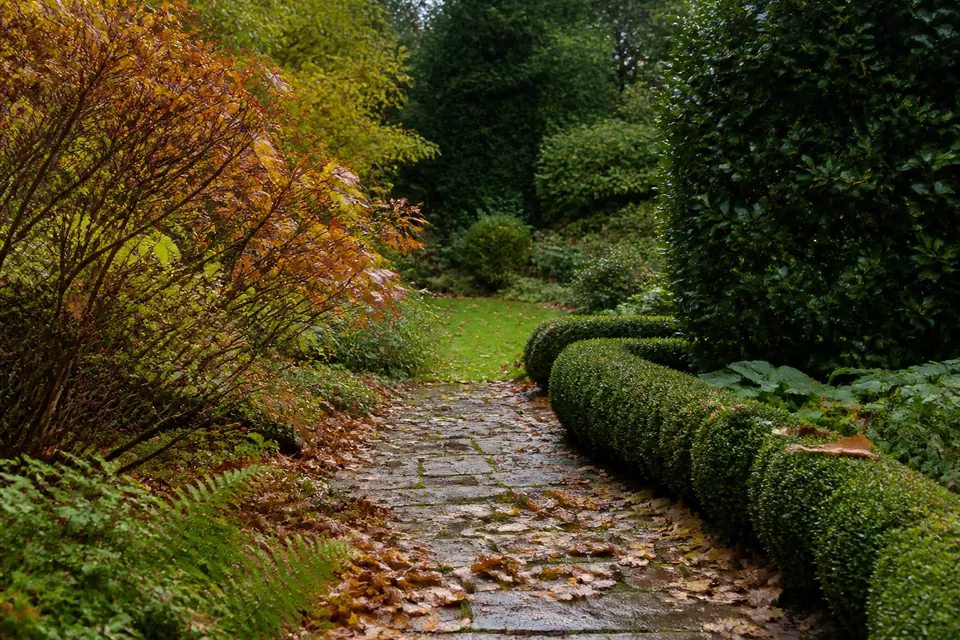
CHOOSE THE WORK
Selected bed and seasonal tasks can be discussed alongside explicit areas that should remain undisturbed.
Explore garden maintenance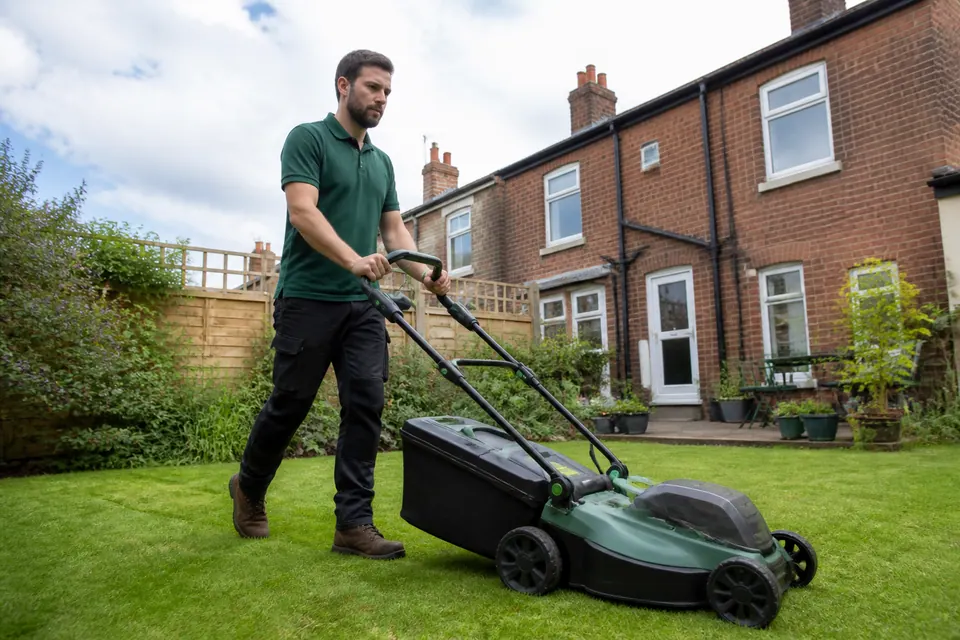
Identify deliberate uncut patches so they are distinguished from the grass included in mowing.
Explore lawn care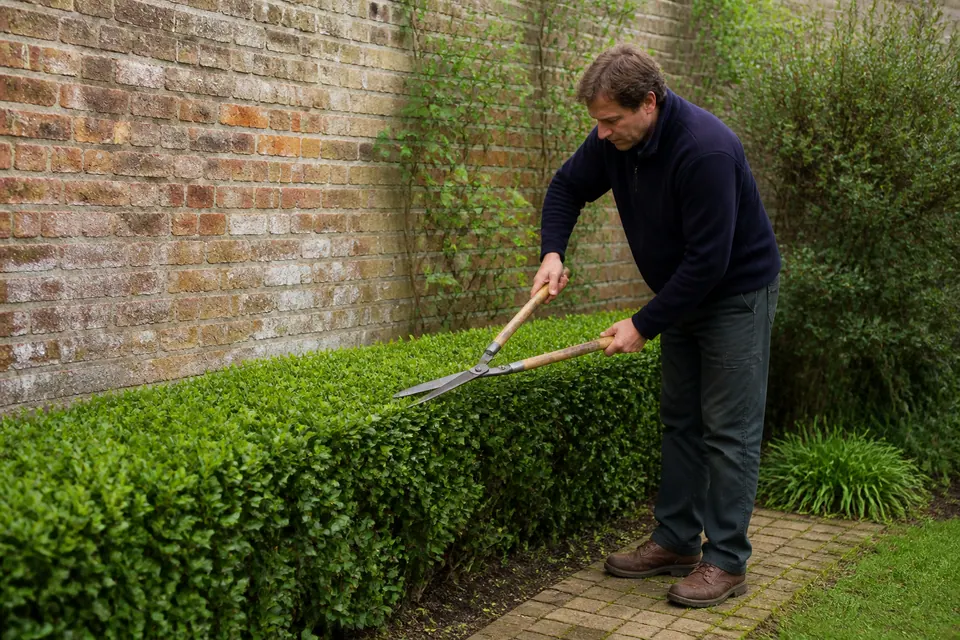
Mention observed nesting activity and the proposed trim; active nests constrain suitable work.
Explore hedges & shrubs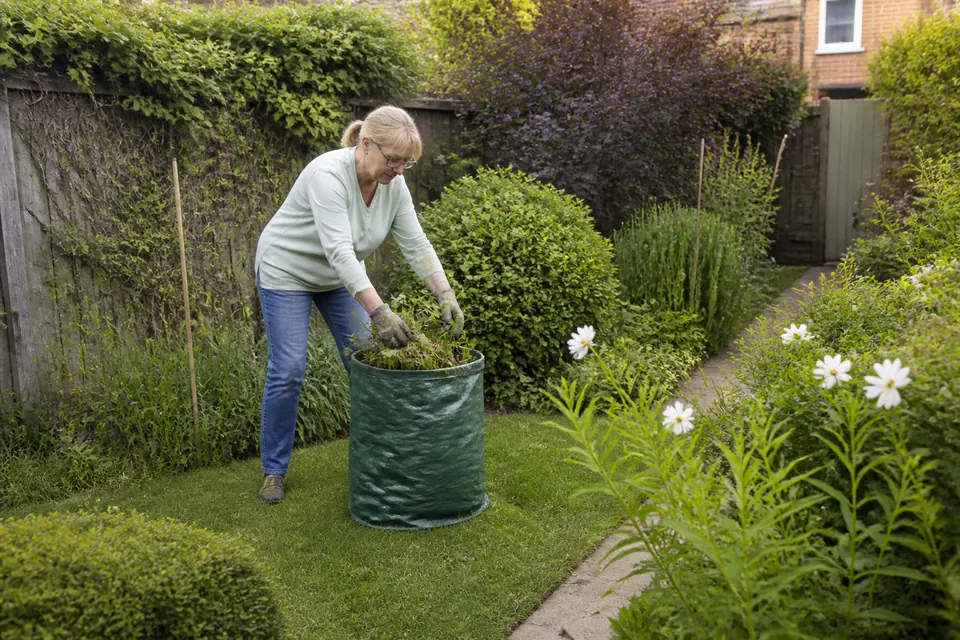
A removal brief should exclude retained or uncertain areas rather than equating all dense growth with waste.
Explore garden clearanceIlford / YOUR GARDEN BRIEF
If you deliberately retain an area at your Ilford property, show its boundary and explain that it remains outside the appointment. You need not describe every plant as tidy or untidy. Mention any observed nesting activity without approaching it for a closer photograph, and keep proposed cutting subject to suitability review and confirmed attendance.
READ YOUR GARDEN
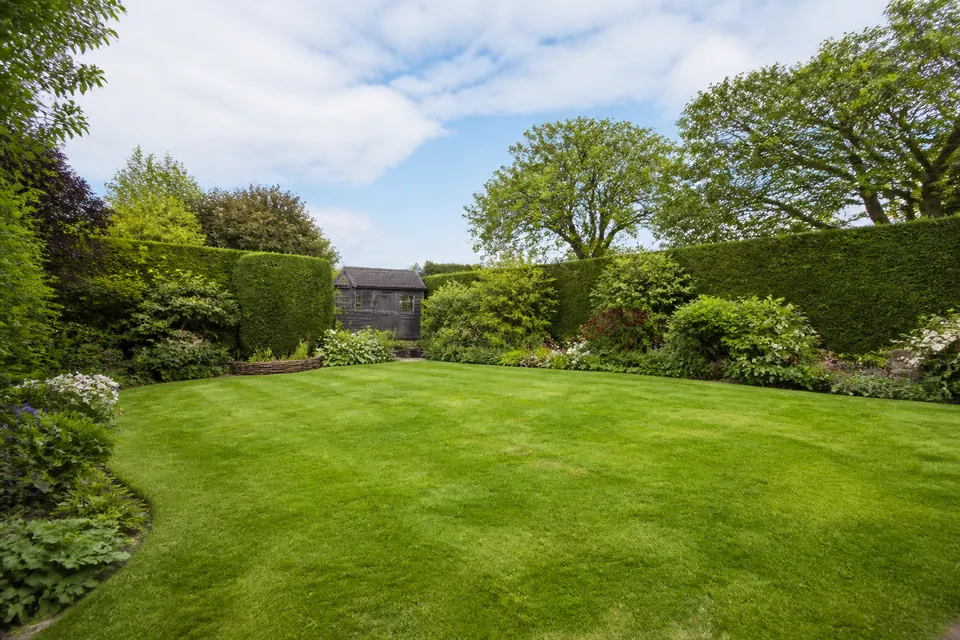
Mark an excluded grass patch distinctly from areas requested for cutting.
Flag nesting observations and planting where trimming should not be assumed.
Identify retained groups before discussing weeds in the surrounding bed.
Keep the intended passage separate from nearby growth deliberately left alone.
List authorised material without gathering anything from excluded areas by assumption.
BUILD A USEFUL BRIEF
A STARTING POINT
Select a task for the included area and describe the exclusions beside it. Dense or informal planting should not automatically enter the removal brief merely because another section needs attention.
Read the service scope ↗FROM OVERGROWTH TO EVERYDAY USE
The scenes are illustrative, not an Ilford wildlife assessment or customer record.
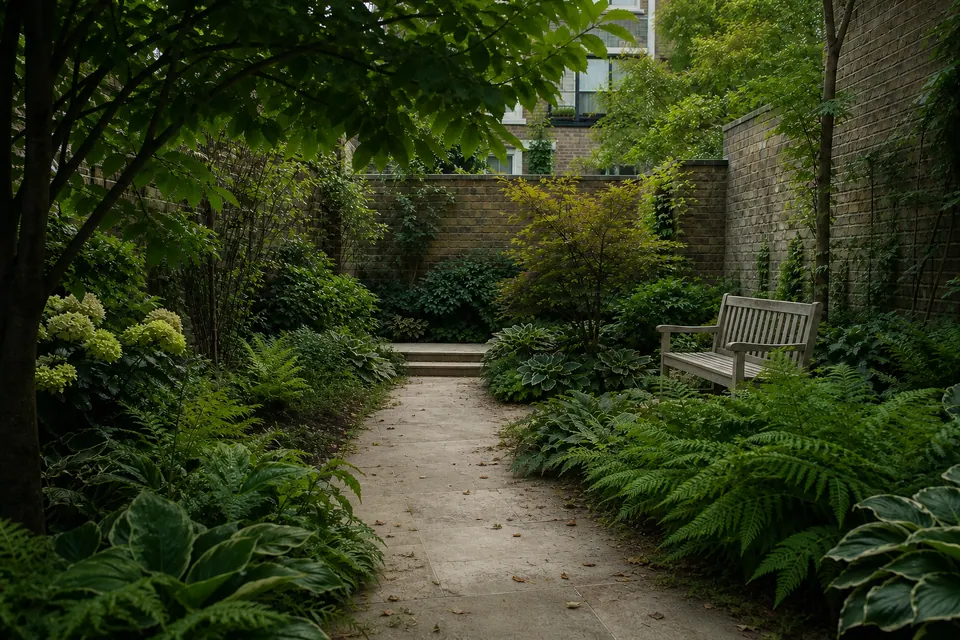
An overview helps distinguish requested tasks from intentionally retained areas.
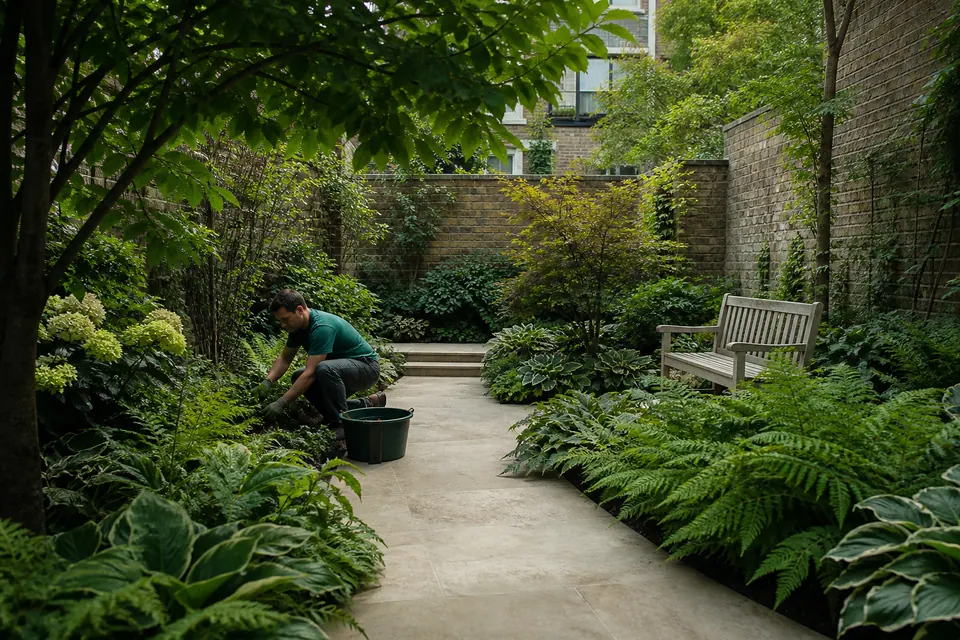
The working image suggests attention to a particular section rather than uniform intervention.
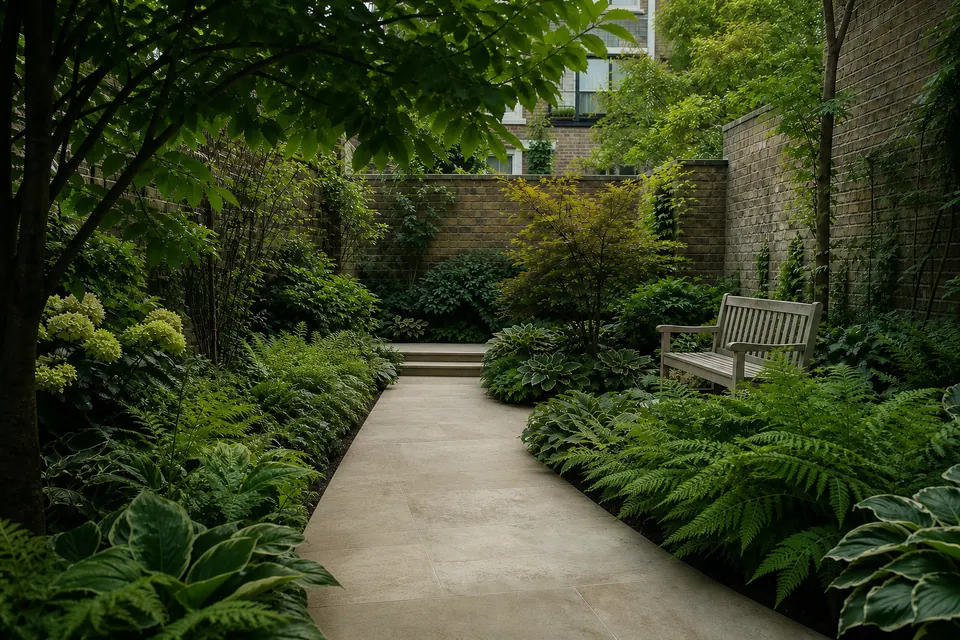
The final view does not certify wildlife outcomes or justify altering an excluded patch.
A LIVING SPACE, NOT A FIXED CHECKLIST
A seasonal label does not authorise every cut. Active nests, species and condition can change which tasks are appropriate.
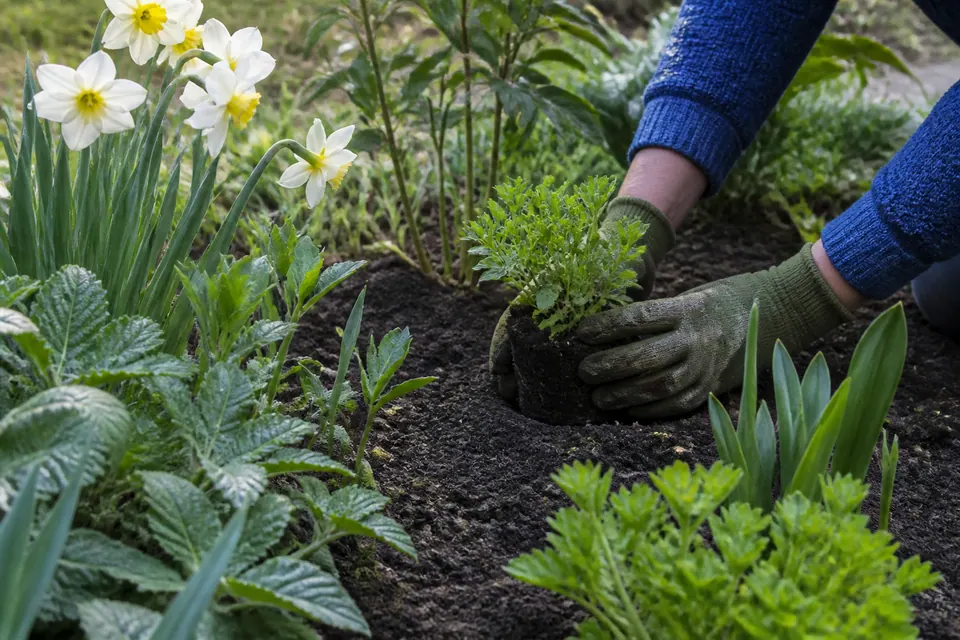
Check emerging growth before deciding an informal area is unwanted.
Raise observed nesting activity before the proposed hedge or shrub work.
Separate loose leaf requests from assumptions about removing all retained stems.
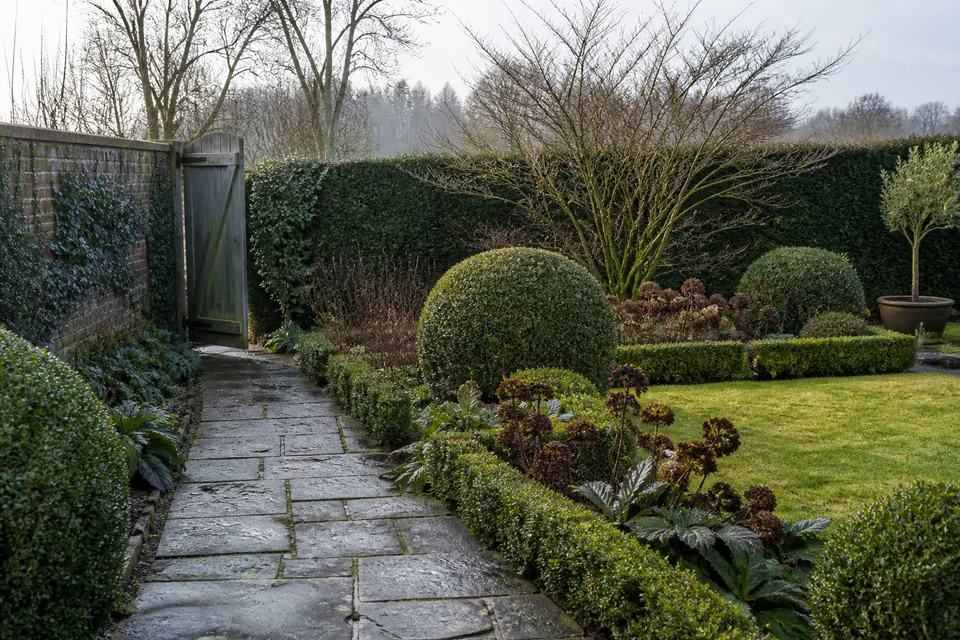
Quiet-looking planting is not automatic permission for blanket reduction.
AT A GLANCE
| Service | Best suited for | Typical work |
|---|---|---|
| Garden maintenance | Care of expressly selected sections | Routine tasks with undisturbed patches recorded |
| Lawn care | Grass outside marked uncut areas | Suitable mowing within the agreed boundary |
| Hedges & shrubs | Planting proposed for appropriate attention | Trimming subject to nesting and condition checks |
| Garden clearance | Known unwanted growth | Removal excluding retained and uncertain patches |
PRICE THE WORK, NOT THE POSTCODE
Photograph included areas and label the sections where no work is wanted.
The light-clearance guide does not authorise removal from excluded planting or override suitable cutting limits.
See clearance pricing| Service | Pricing basis | Guide |
|---|---|---|
| Routine garden maintenance | Selected sections and no-work boundaries | Assessment of the authorised care |
| Lawn mowing & edging | Grass cut area with deliberate exclusions | Lawn quote based on the actual boundary |
| Hedge & shrub trimming | Proposed trim and relevant constraints | Plant and nesting suitability reviewed |
| Small green-waste collection | Only authorised gathered material | From £40 |
| Light garden clearance | Removal list with retained areas excluded | Typically £100–£300 |
| Large overgrown garden | Density within the approved intervention | From £500 |
Selective tasks, working boundaries and handling define the quotation. Make the retention decisions explicit so an assessment does not assume all visible growth is included in clearance or every hedge can be cut.
QUICK ANSWERS
A RESET OR A ROUTINE?
| Visit choice | One-off gardening | Regular maintenance |
|---|---|---|
| Best for | A task around known exclusions | Upkeep respecting reviewed retention choices |
| Frequency | One confirmed suitable intervention | A separate plan with boundaries kept current |
| Scope | Included tasks and undisturbed patches identified | Changes discussed rather than assumed from appearance |
HOW THE VISIT COMES TOGETHER
Send the address and label included and undisturbed areas.
Mention nesting observations and confirm retained planting boundaries.
Review suitable tasks before proceeding near the excluded sections.
Check the agreed care without expecting uniform treatment across the garden.
Ordinary gardening is not a wildlife survey or a guarantee of ecological outcomes. Major tree operations, landscaping and specialist treatments remain separate, and active nests constrain the cutting that can be considered.
Read how Alesta plans gardening workIlford / LOCATION CONTEXT
Provide the full Ilford address and the authorised entrance. Confirm attendance with the included tasks and exclusions clear, before making preparations around planting that should remain undisturbed.
Open Ilford in Google Maps ↗BEFORE ARRANGING WORK
Identify its boundaries and state that it should be left alone. Appearance should not substitute for an authorised removal decision.
Show it on an overview and describe the retained boundary separately from the grass requested for mowing.
Mention the observation before arranging hedge or shrub tasks. Active nests constrain work; do not approach merely to obtain a closer image.
No. Suitable tasks depend on the plant and conditions, and explicit retained areas should not be swept into a blanket instruction.
Mark the retained planting and define the surrounding task so selective care does not become indiscriminate removal.
No specialist surveying or ecological outcome is established. Keep the gardening scope distinct from requests needing additional expertise.
Any change requires a new, clear discussion of the intended task and suitability rather than assuming the earlier exclusion has expired.
Send the complete address, included tasks and no-work boundaries so the proposed arrangement reflects the selective care you actually want.
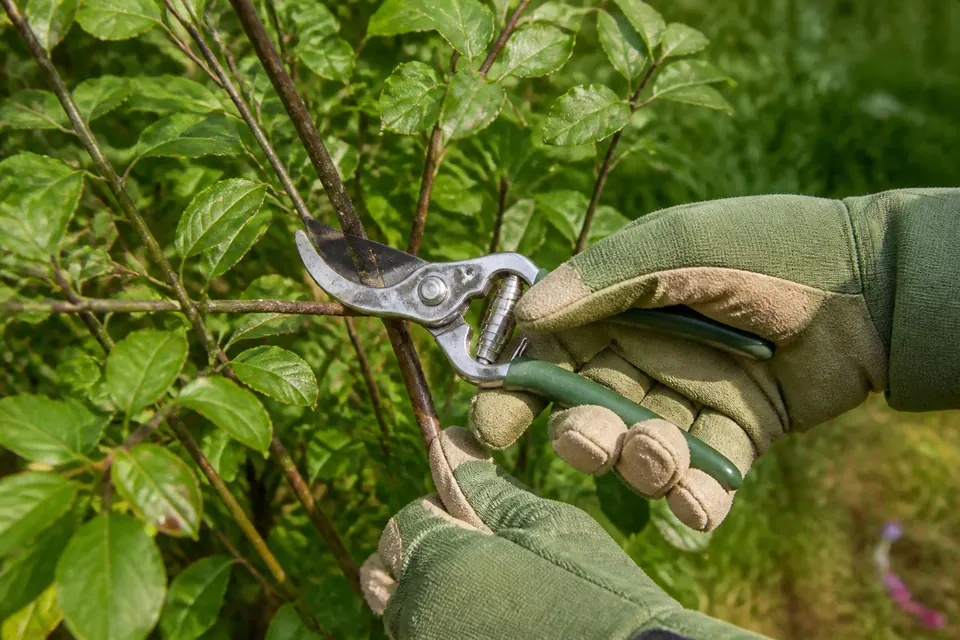
Ilford / NEXT STEP
Send the Ilford address, selected tasks and marked exclusions. Mention relevant observations and confirm attendance before planning any cutting.
Call about selective care and clear exclusionsImages are illustrative and do not represent verified wildlife surveys or Alesta ecological customer outcomes.
