
Lawn & edges
Record the grass outline before requesting changes.
Kew / GARDEN PLANNING
When the garden is new to you, it can be difficult to distinguish unwanted growth from planting worth keeping. Begin with a photographic record and selected maintenance tasks rather than an unrestricted clearance instruction.
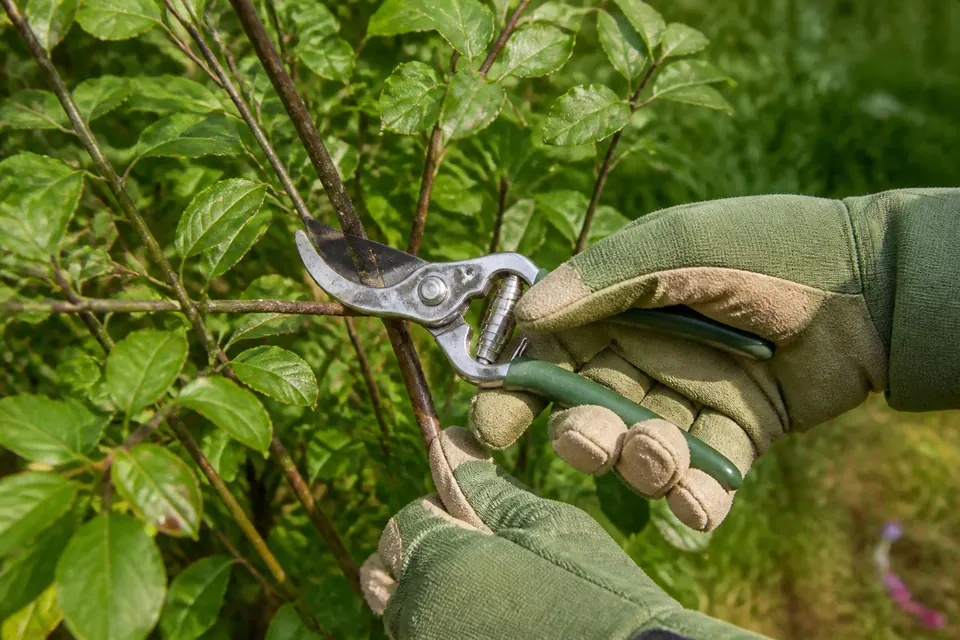 GARDEN CARE / Kew
BUILD A USEFUL BRIEF
A STARTING POINT
Choose known maintenance needs first. Uncertainty should remain visible in the brief rather than being turned into automatic permission to clear.
Read the service scope ↗READ YOUR GARDEN
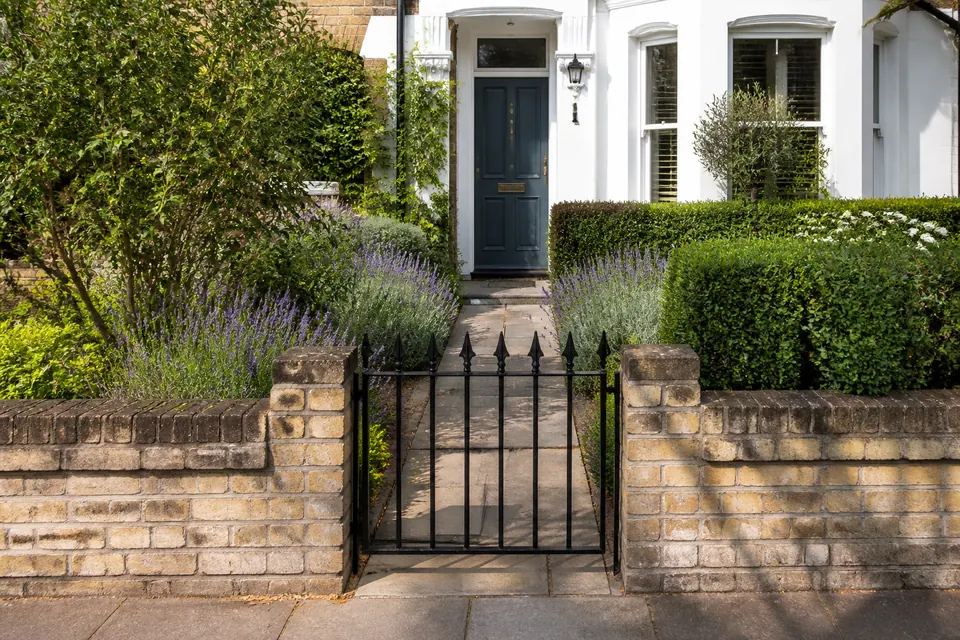
Record the grass outline before requesting changes.
Distinguish a shape concern from an uncertain plant identity.
Mark unknown growth as unresolved rather than unwanted.
Keep repairs separate from tidying an existing route.
Only confirmed removals belong in the waste list.
Kew / YOUR GARDEN BRIEF
For a Kew enquiry, photograph the garden’s existing layout and mark any labels, supports or features that may explain earlier planting decisions. Say which plants are unfamiliar. A first tidy can be discussed without committing to changes that depend on information you do not yet have.
PRICE THE WORK, NOT THE POSTCODE
Separate definite tasks from ideas needing assessment. That keeps the quote tied to an instruction you are ready to approve.
The light-clearance guide is not a price for discovering or redesigning an unfamiliar garden.
See clearance pricing| Service | Pricing basis | Guide |
|---|---|---|
| Routine garden maintenance | Known areas and immediate priorities | Routine-care quote after assessment |
| Lawn mowing & edging | Existing grass and access | Lawn estimate following review |
| Hedge & shrub trimming | Identified shrubs and suitable work | Photo-based or assessed trimming price |
| Small green-waste collection | Confirmed vegetation and collection route | From £40 |
| Light garden clearance | Approved removal and disposal | Typically £100–£300 |
| Large overgrown garden | Extensive overgrowth and handling requirements | From £500 |
New plants and layout alterations require separate agreement. Do not assume replacement materials are included simply because existing growth is being discussed.
CHOOSE THE WORK
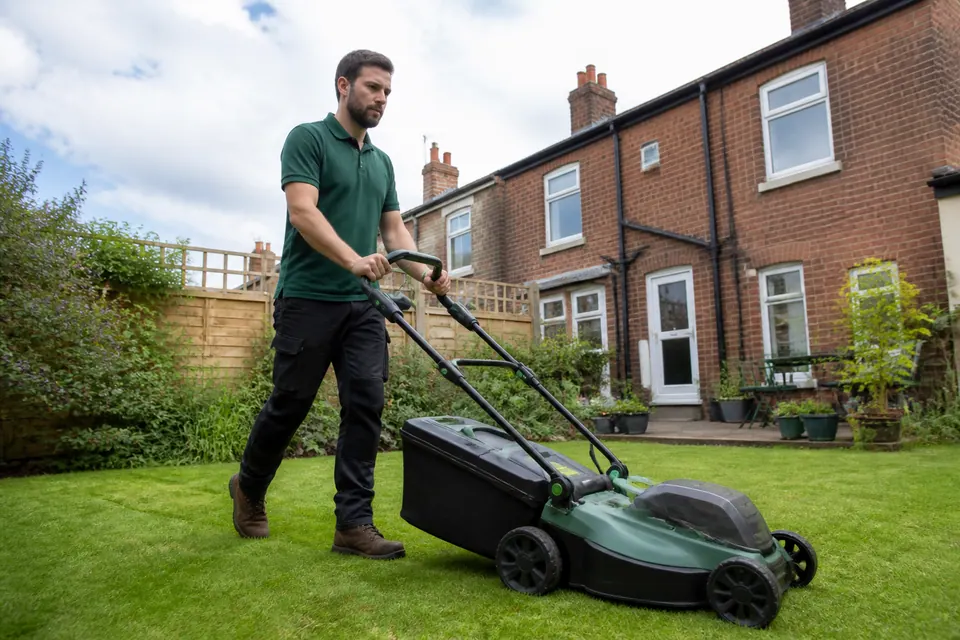
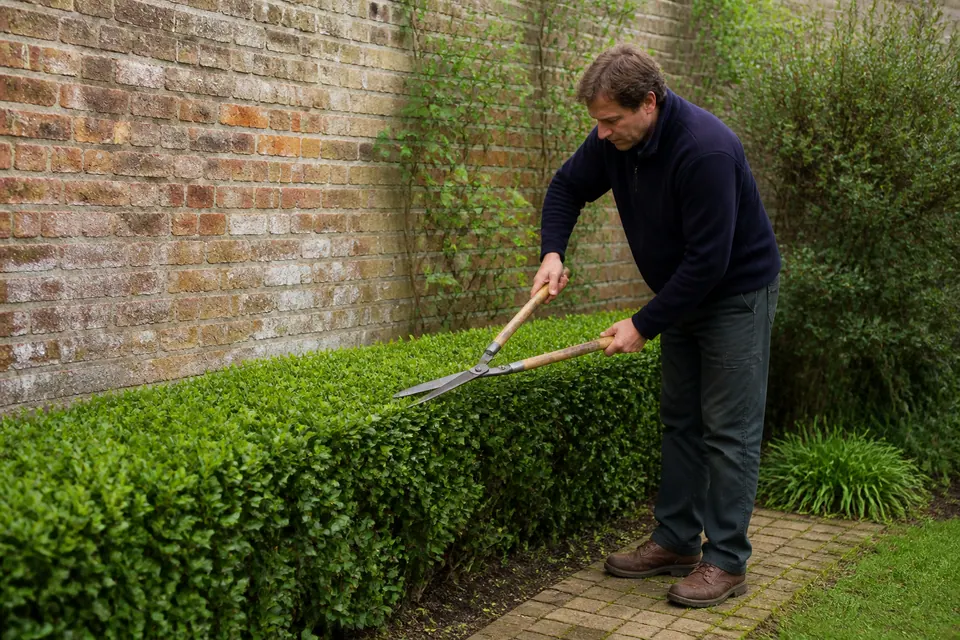
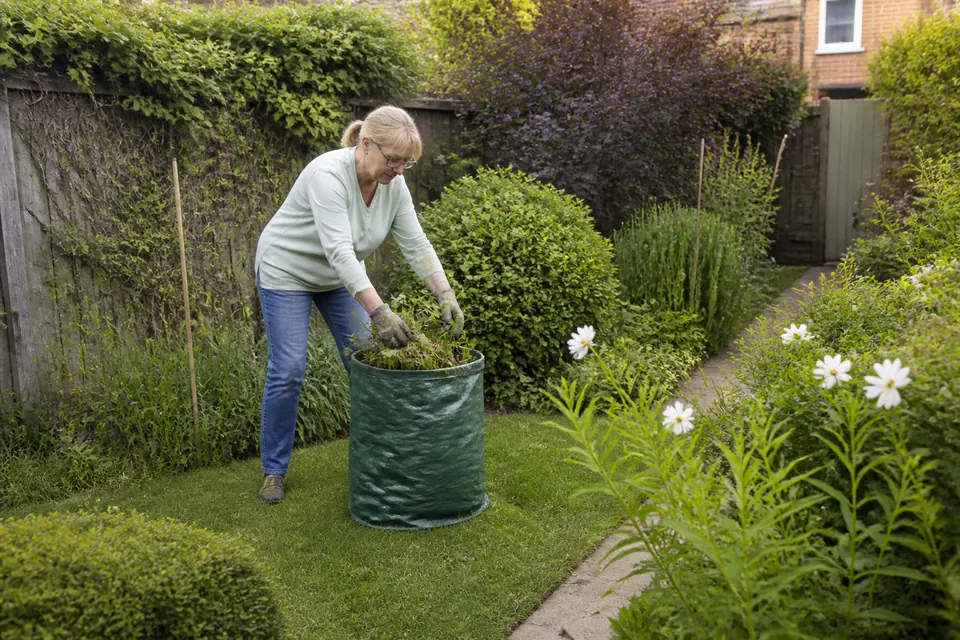
Use clearance only for clearly identified unwanted vegetation.
Explore garden clearance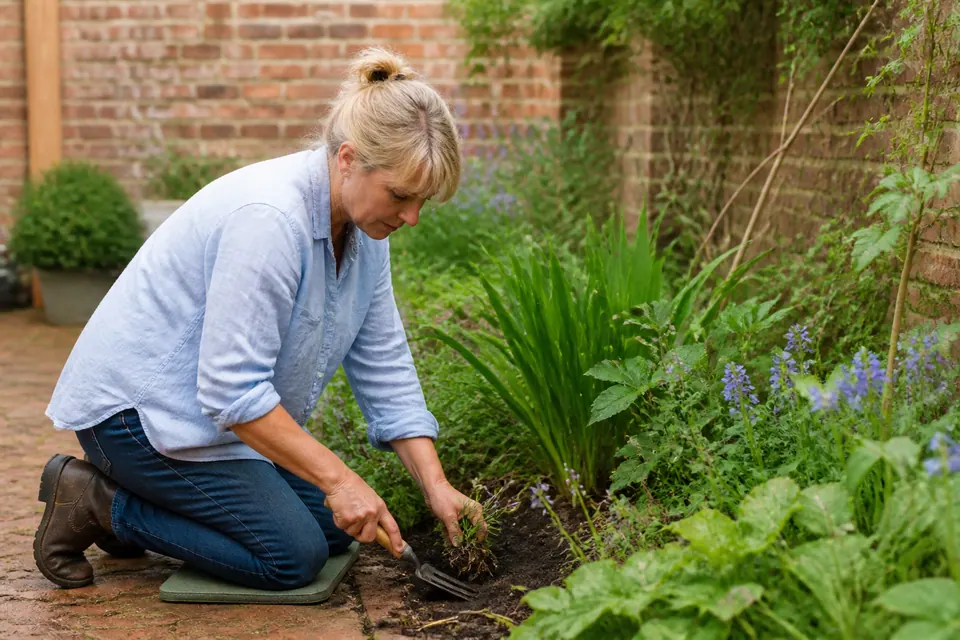
A LIVING SPACE, NOT A FIXED CHECKLIST
Observing a garden through changing growth can inform later decisions.
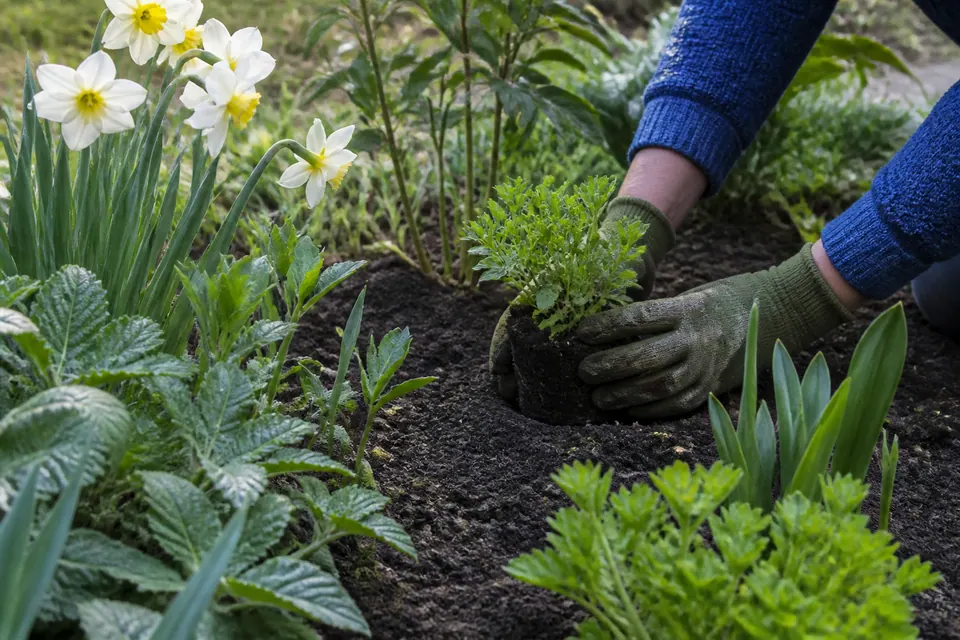
Identify emerging shoots before declaring a bed empty.
Review how shrubs and flowers occupy their space.
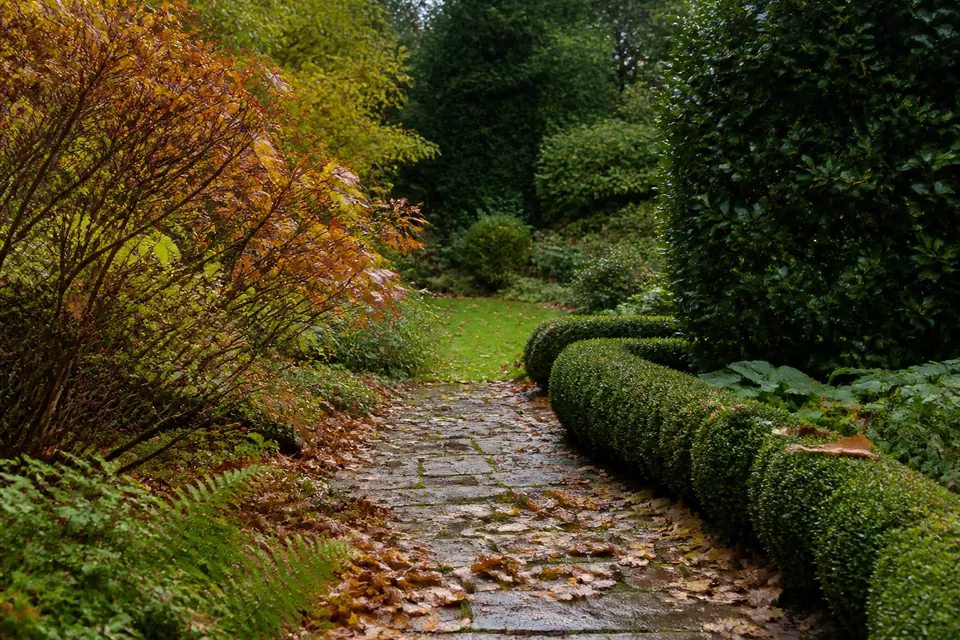
Discuss suitable tidying while retaining uncertain features.
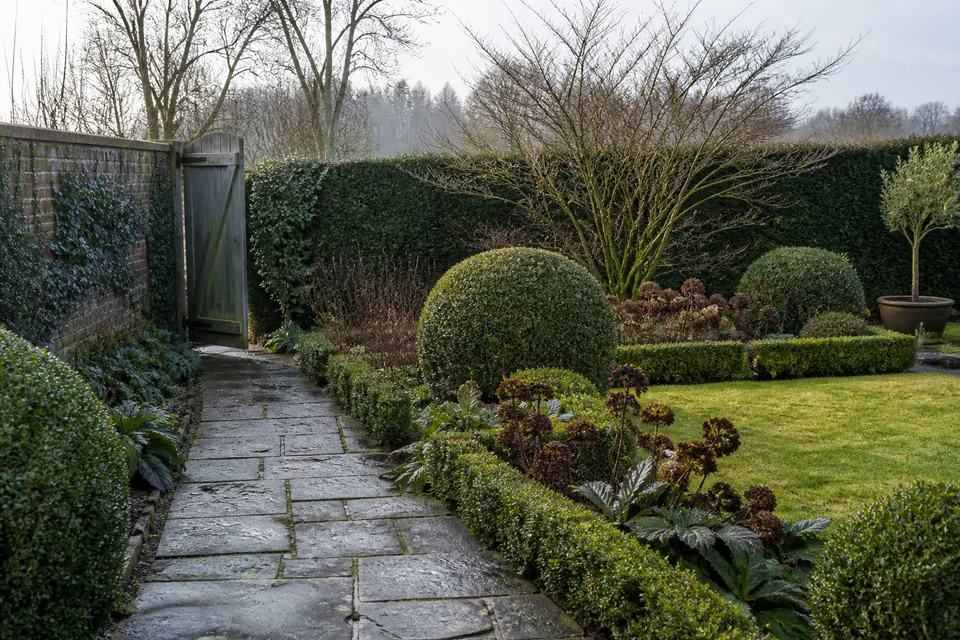
Use structural views to record questions for later assessment.
FROM OVERGROWTH TO EVERYDAY USE
Illustrative scenes do not record a Kew garden assessment.
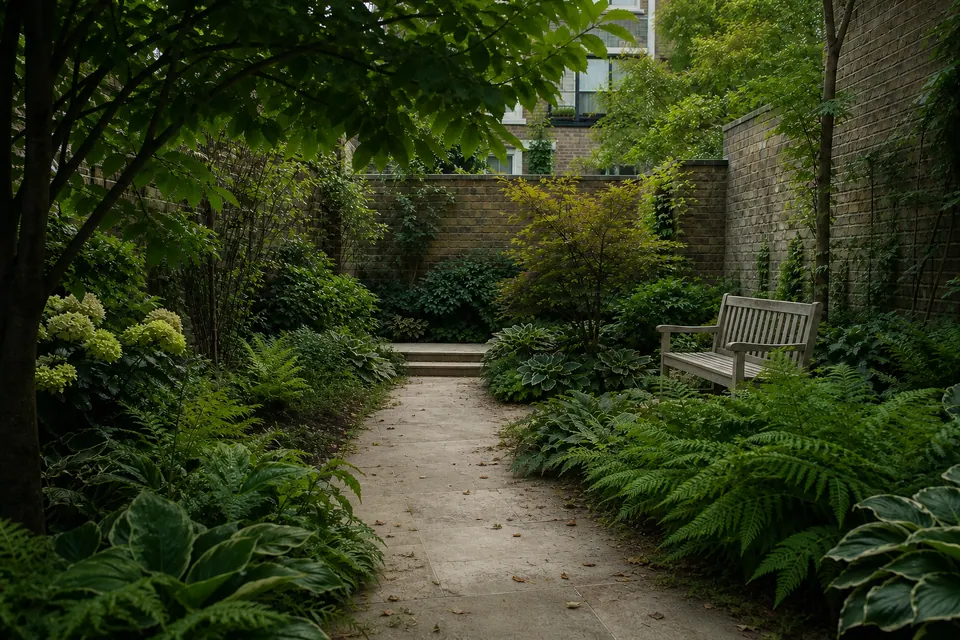
Existing features form the example’s starting point.
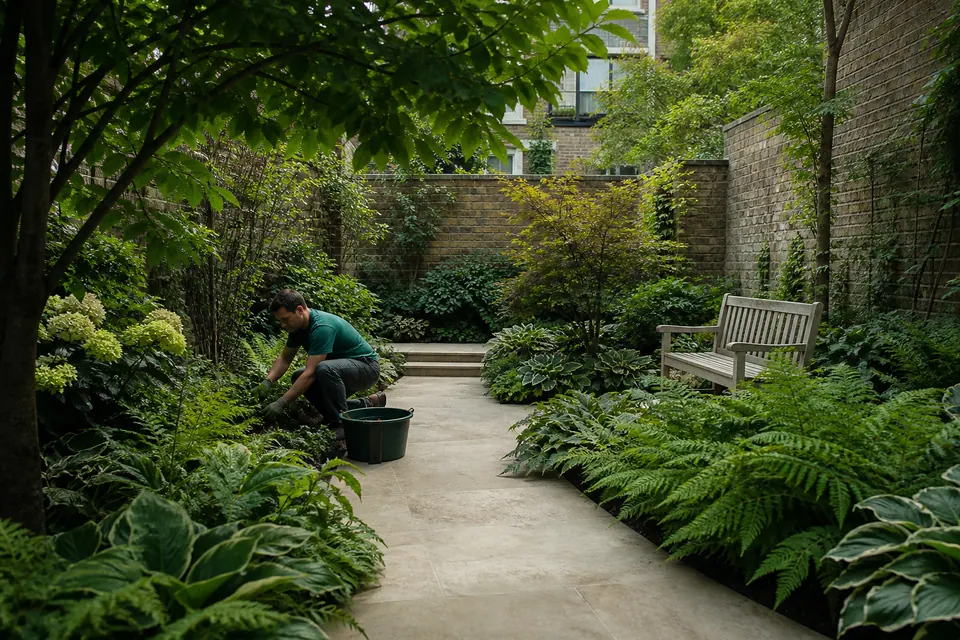
The depicted attention works around retained planting.
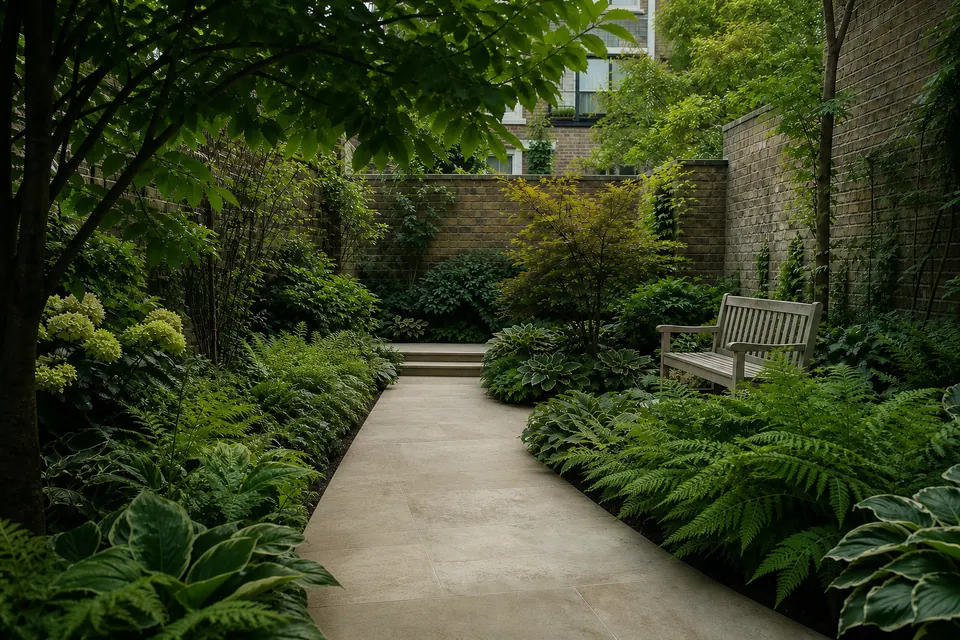
The result does not imply a new layout was required.
QUICK ANSWERS
A RESET OR A ROUTINE?
| Visit choice | One-off gardening | Regular maintenance |
|---|---|---|
| Best for | Address clear immediate needs | Care for planting as its character becomes known |
| Frequency | One selective appointment | A reviewed ongoing arrangement |
| Scope | Confirmed tasks and explicit uncertainties | New observations informing later priorities |
AT A GLANCE
| Service | Best suited for | Typical work |
|---|---|---|
| Garden maintenance | Known routine tasks | Selected weeding and appropriate light pruning |
| Lawn care | Existing grass | Condition-led mowing without assumed redesign |
| Hedges & shrubs | Established planting under review | Suitable selective shaping |
| Garden clearance | Confirmed unwanted growth | Limited clearance excluding unresolved plants |
HOW THE VISIT COMES TOGETHER
Photograph the existing arrangement and any plant labels.
Agree known tasks and mark unresolved features as retained.
Check the actual growth before following the list.
Review completed attention and questions that remain open.
Routine gardening is not a specialist identification guarantee or a landscape design service. Major tree work and treatments require separate assessment.
Read how Alesta plans gardening workBEFORE ARRANGING WORK
Do not treat uncertainty as a removal instruction. Mark them for assessment and decide what is authorised.
Include relevant labels and their position in photographs, while explaining any uncertainty about what they refer to.
No. A selective maintenance brief can be considered separately from future redesign ideas.
Request it as a defined task, with any planted exclusions clearly marked.
A comprehensive specialist identification service is not implied by routine gardening. Discuss particular uncertainties separately.
Only when selection, suitability and cost have been specifically agreed.
Keep those changes outside the current scope and use observations to inform a later decision.
Provide the complete property address and proposed tasks, then obtain confirmation before relying on a visit.
Kew / LOCATION CONTEXT
Supply the full Kew address and the entrance used to reach the garden. Confirm attendance before arranging access; the map is not evidence of a local office or a booked assessment.
Open Kew in Google Maps ↗Kew / NEXT STEP
A current overview and a list of uncertainties are useful starting points. Discuss selective care before approving broad changes.
Discuss the garden you are getting to knowIllustrative garden scenes; not photographs of Alesta customer jobs.
