
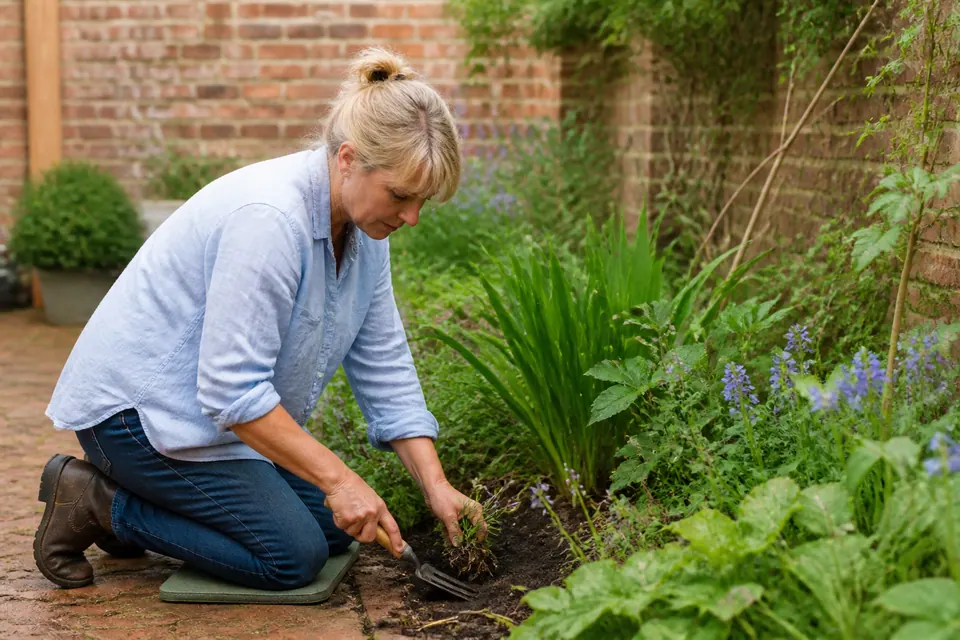
Garden maintenance
Mark the mowing boundary and any grass area intentionally left outside it.
Explore garden maintenanceKINGSTON UPON THAMES / DECIDE WHAT STAYS
Before a tidy or clearance, distinguish the plants and items you value from what you want removed. A labelled keep-and-remove list gives the gardening request a clearer boundary than an instruction to clear everything.
RETENTION IS PART OF THE TASK
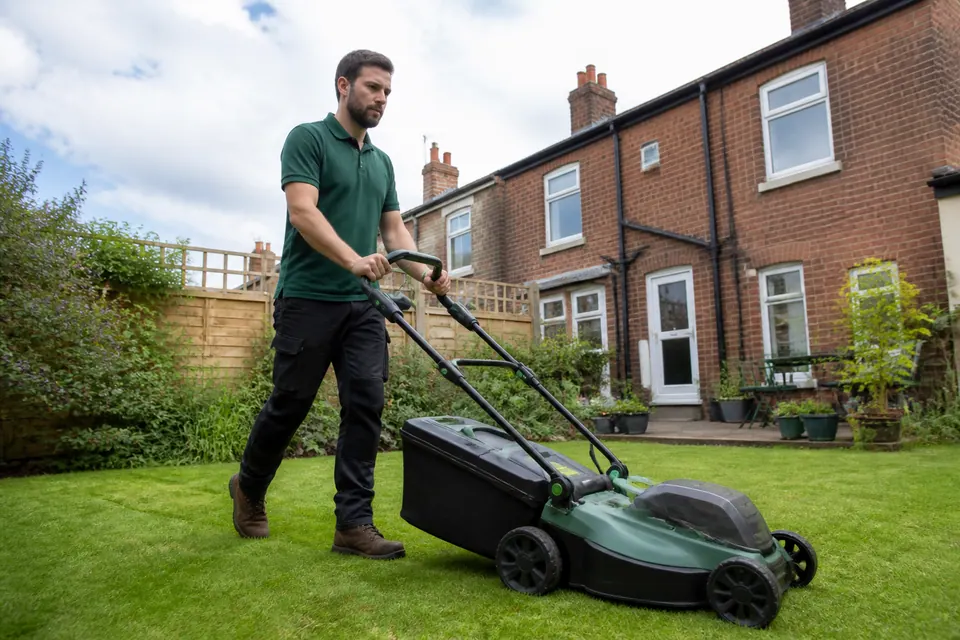
Mark the mowing boundary and any grass area intentionally left outside it.
Explore garden maintenanceIdentify shrubs to retain and suitable shaping requests without confusing trimming with removal.
Explore lawn care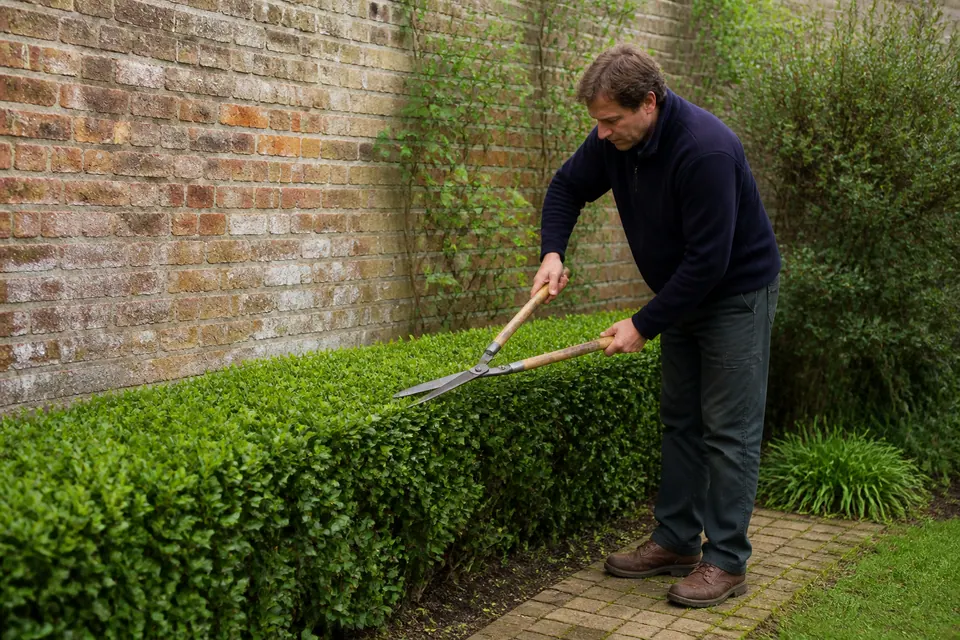
List authorised removal contents and excluded items before a section is assessed for clearance.
Explore hedges & shrubs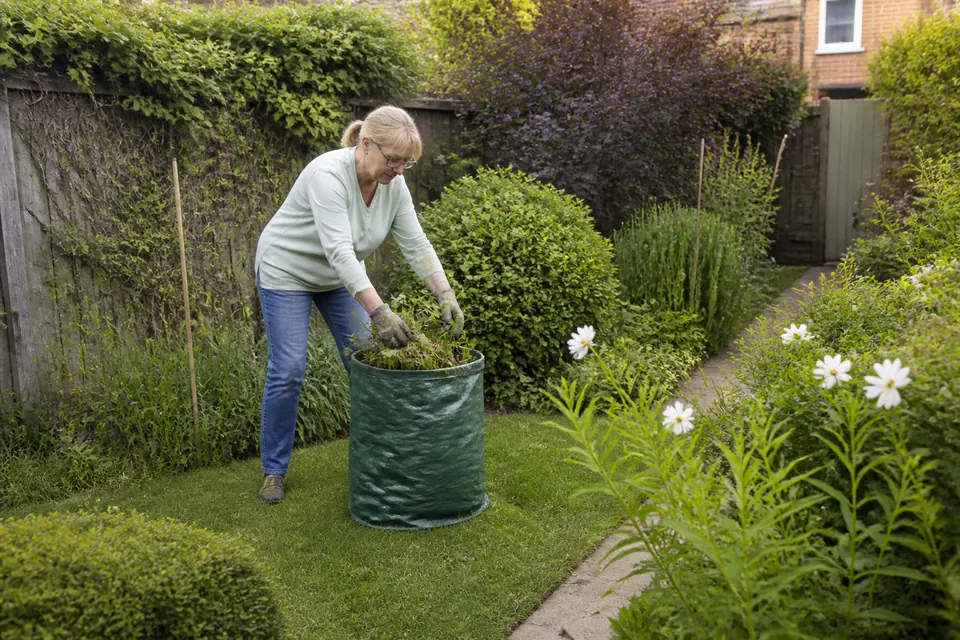
Selective weeding and seasonal tidying can work around a clear retained-plant record.
Explore garden clearanceKINGSTON UPON THAMES / LABEL BEFORE THE VISIT
For a Kingston upon Thames garden, number plants or items in photographs when names are uncertain. State whether each should remain, be assessed for attention or be considered for removal. Keep unresolved ownership or plant decisions out of a blanket clearance instruction. The list can distinguish green material from pots, furniture and other belongings without requiring the gardener to infer your intentions from appearance.
APPLY THE LIST TO EACH AREA
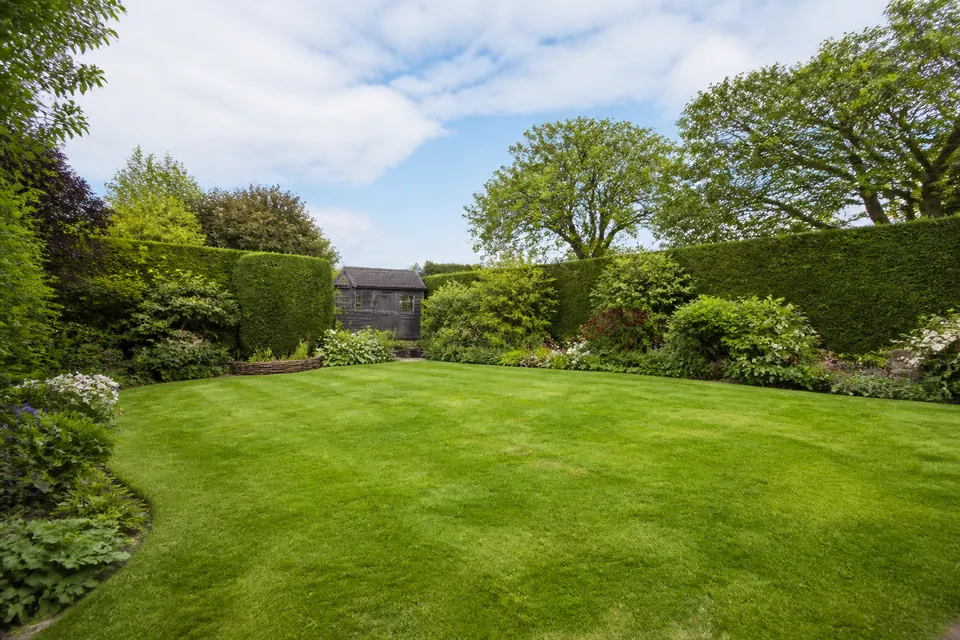
Mark any intentionally excluded margin.
Distinguish shaping from removal requests.
Number wanted plants where identity is uncertain.
Separate vegetation attention from retained objects nearby.
Describe contents instead of relying on a general pile label.
WHAT HAS ACTUALLY BEEN AUTHORISED?
KEEP, ATTEND OR REMOVE
Use those distinctions to explain the request. Flag uncertainty rather than including it in an indiscriminate tidy.
Read the selective maintenance scope ↗RETENTION CAN DEFINE THE RESULT
The images are illustrative, not a Kingston upon Thames clearance inventory or guaranteed outcome.
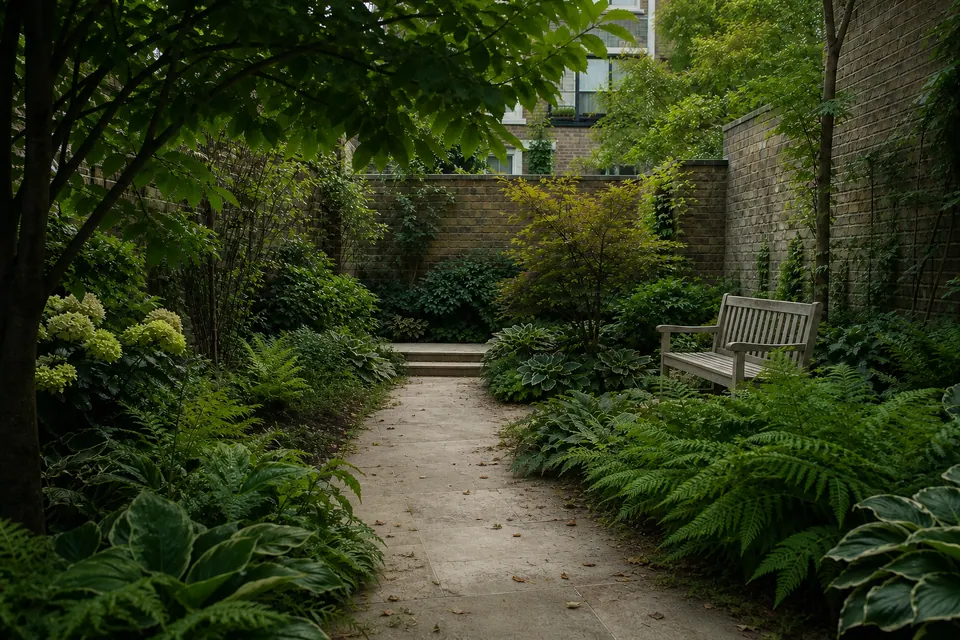
The example contains planting worth distinguishing from debris.
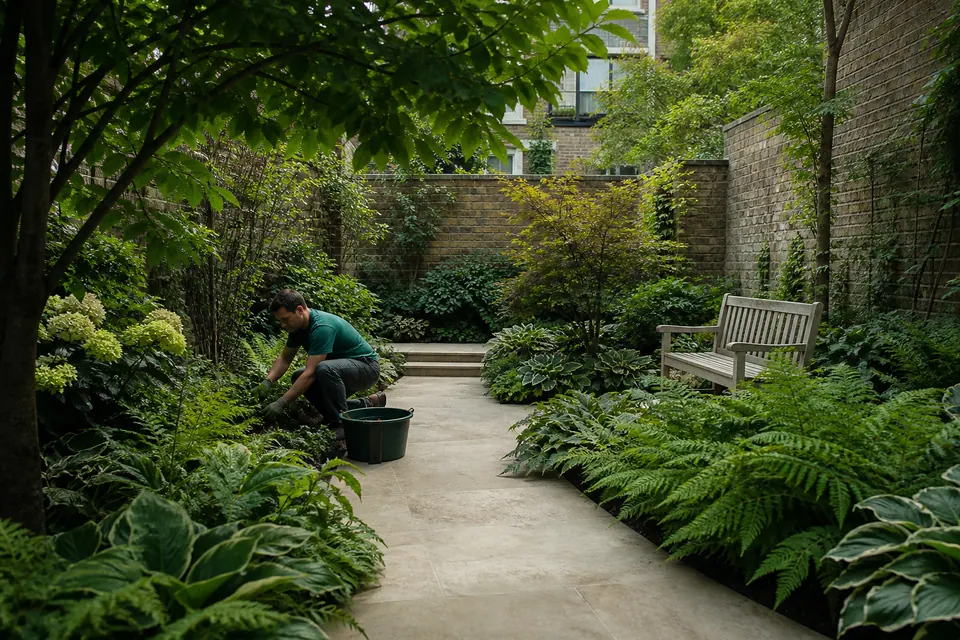
Border care and gathering material preserve the basic arrangement.
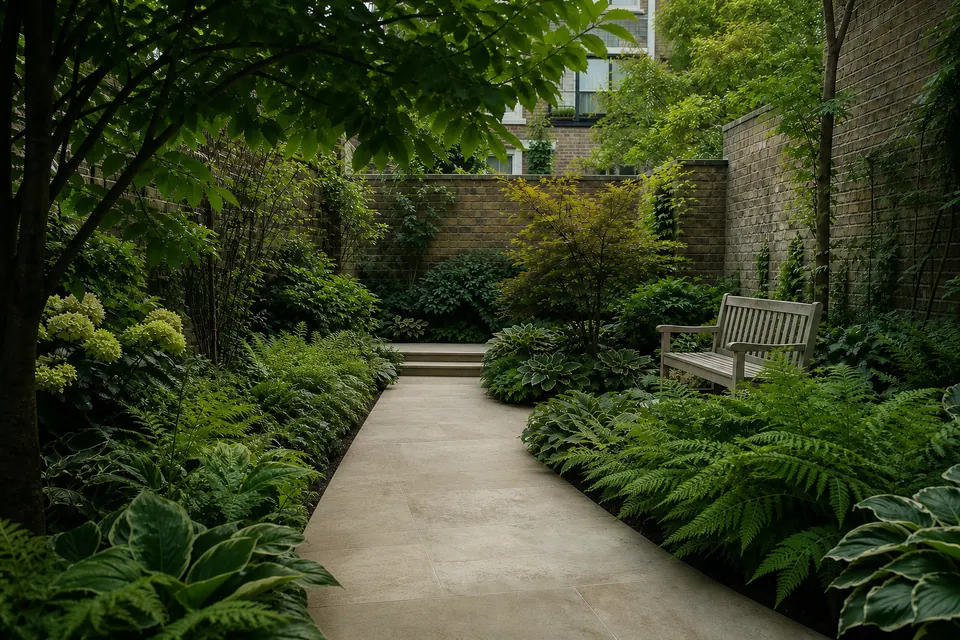
A clearer route is shown without wholesale removal.
THE RETENTION LIST MAY NEED UPDATING
Plant identity and condition should be considered alongside your recorded intentions.
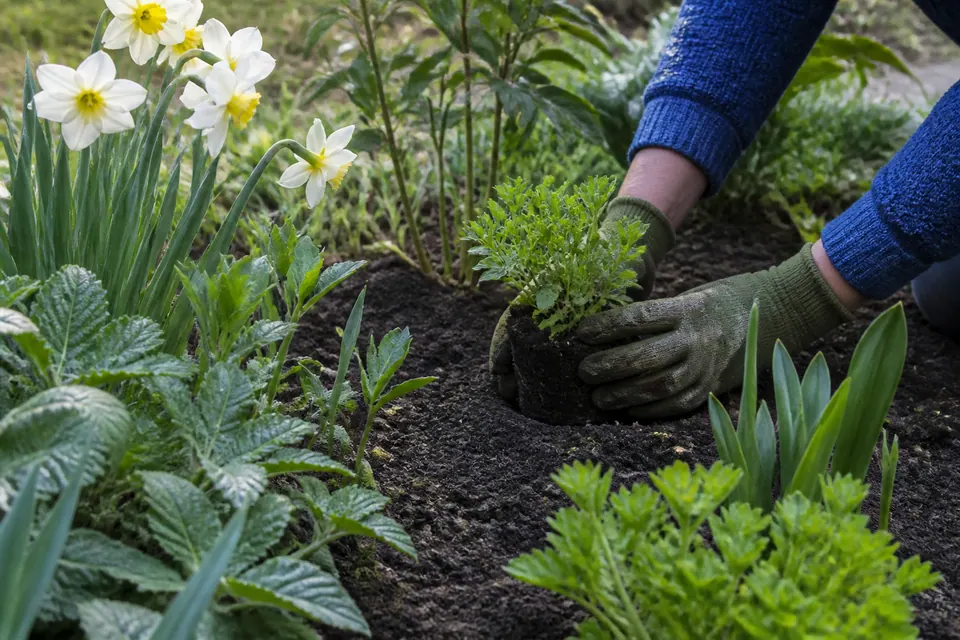
Mark wanted emerging plants before weeding.
Distinguish intrusive growth from the retained plant itself.
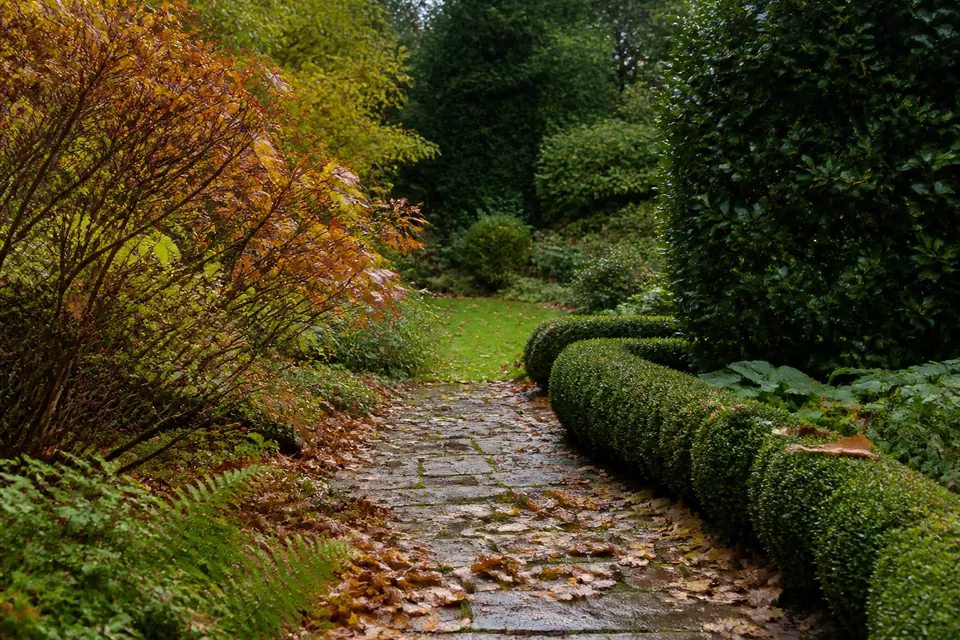
Agree which standing material should remain during tidying.
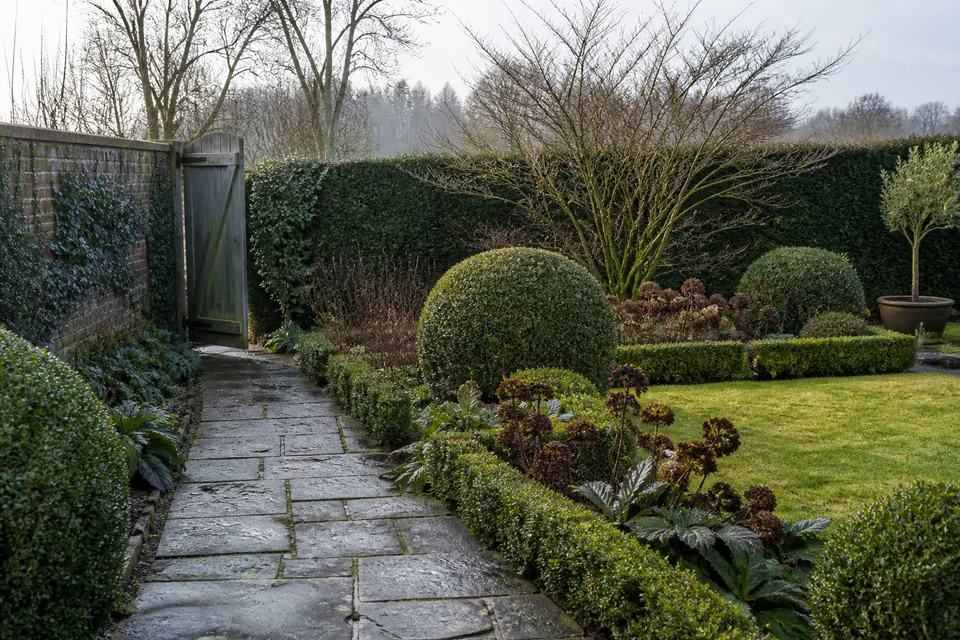
Do not assume dormant-looking areas are empty or unwanted.
MAKE THE DECISIONS EXPLICIT
| Service | Decision involved | Attention to specify |
|---|---|---|
| Garden maintenance | Keep and maintain selected areas | Weeding around recorded retained plants |
| Lawn care | Cut within the marked grass area | Suitable mowing and specified edges |
| Hedges & shrubs | Retain shrubs with suitable attention | Agreed shaping rather than assumed removal |
| Garden clearance | Remove the explicitly listed contents | Bounded clearance with exclusions recorded |
THE REMOVAL LIST SHAPES THE QUOTE
Send labelled photographs and distinguish retention, attention and removal. Confirm materials and handling before accepting the scope.
The light-clearance guide covers its assessed category, not unlimited removal of every object in a photographed area.
See clearance pricing| Service | Decisions supporting assessment | Guide |
|---|---|---|
| Routine garden maintenance | Retained areas and selected upkeep | Quote after assessment |
| Lawn mowing & edging | Included grass boundary and equipment route | Quote after assessment |
| Hedge & shrub trimming | Shaping limits for retained shrubs | Quote from photographs / assessment |
| Small green-waste collection | Listed green contents and collection quantity | From £40 |
| Light garden clearance | Authorised removal section and disposal contents | Typically £100–£300 |
| Large overgrown garden | Extent and density within the agreed clearance boundary | From £500 |
State what stays as clearly as what goes. Unresolved items can then be discussed instead of silently becoming part of removal.
RETENTION CHECK
ONE LIST OR CONTINUING RETENTION NOTES
| Visit choice | One-off gardening | Regular maintenance |
|---|---|---|
| Best for | Completing specifically authorised attention or removal | Maintaining the retained arrangement |
| Frequency | One clearly bounded appointment | A reviewed routine with updated notes |
| Scope | Keep, attend and remove decisions | Recorded retention with additions or changes discussed |
LABEL, DECIDE, CHECK, REVIEW
Identify plants and items consistently.
Separate retention, attention and authorised removal.
Discuss unclear instructions before affected work.
Check retained features and completed tasks separately.
Alesta's routine gardening remains separate from major tree operations, landscaping and specialist treatments or unspecified material removal.
Read how Alesta plans gardening workKINGSTON UPON THAMES / ADDRESS AND AUTHORITY
Check attendance for the full Kingston upon Thames address and explain the entrance. Establish authority over the plants and items included in the brief.
Open Kingston upon Thames in Google Maps ↗KEEP-AND-REMOVE QUESTIONS
Yes. Match each number to a clear keep, attend or remove instruction.
Flag it as uncertain and discuss it before any attention that could remove it.
No. Identify belongings explicitly; appearance should not substitute for a removal decision.
Mark it as retained and explain the authorised work around it.
No blanket removal is implied. Agree appropriate attention and retained material.
Establish the relevant authority before including them in the instruction list.
Provide an updated consolidated version so superseded decisions are not confused with the final brief.
No. They are illustrative scenes, not your property's inventory or an authorised scope.
KINGSTON UPON THAMES / START WITH THE DECISIONS
Send the labelled list and flag unresolved items to discuss a clear gardening scope.
Call about your keep-and-remove briefIllustrations are not Kingston upon Thames inventories or permissions for removal.
