
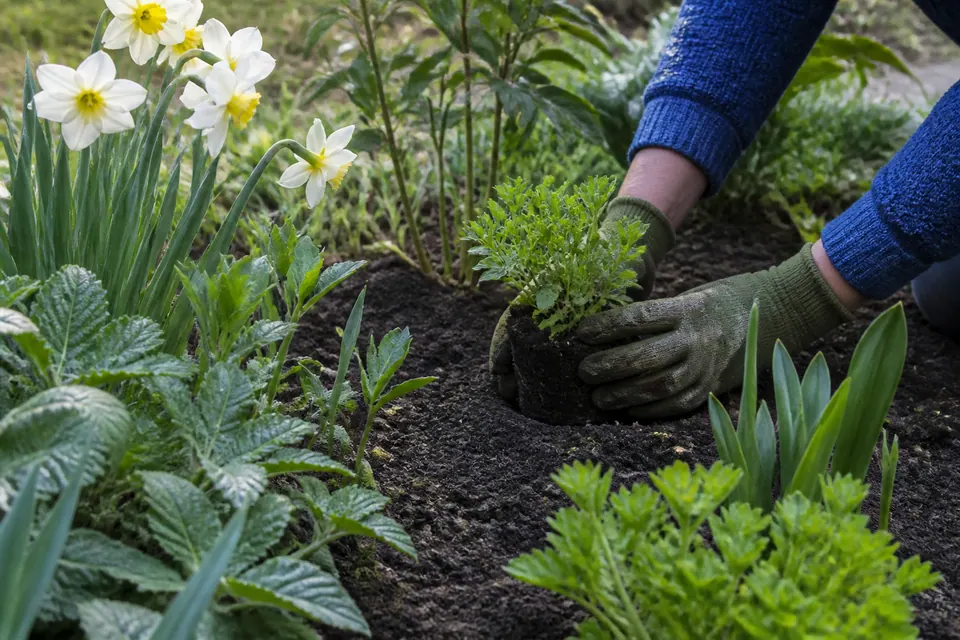
Spring
Emerging growth can clarify why an apparently empty patch should be retained.
Oxford / GARDEN PLANNING
Check attendance at the complete Oxford address before making arrangements. If the planting is unfamiliar, show what you know and mark unresolved decisions so the enquiry distinguishes suitable care from unapproved changes.
A LIVING SPACE, NOT A FIXED CHECKLIST
Unfamiliar planting may look different as the year changes; do not let a seasonal label decide removal.
Emerging growth can clarify why an apparently empty patch should be retained.
Photograph current forms rather than assuming every vigorous stem is unwanted.
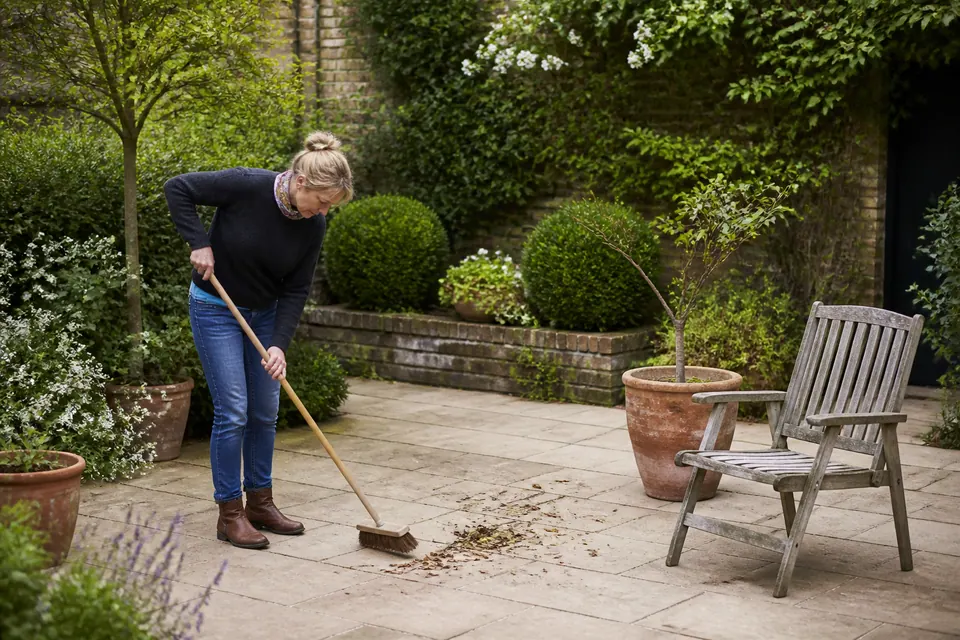
Separate leaf collection from decisions about unknown plants.
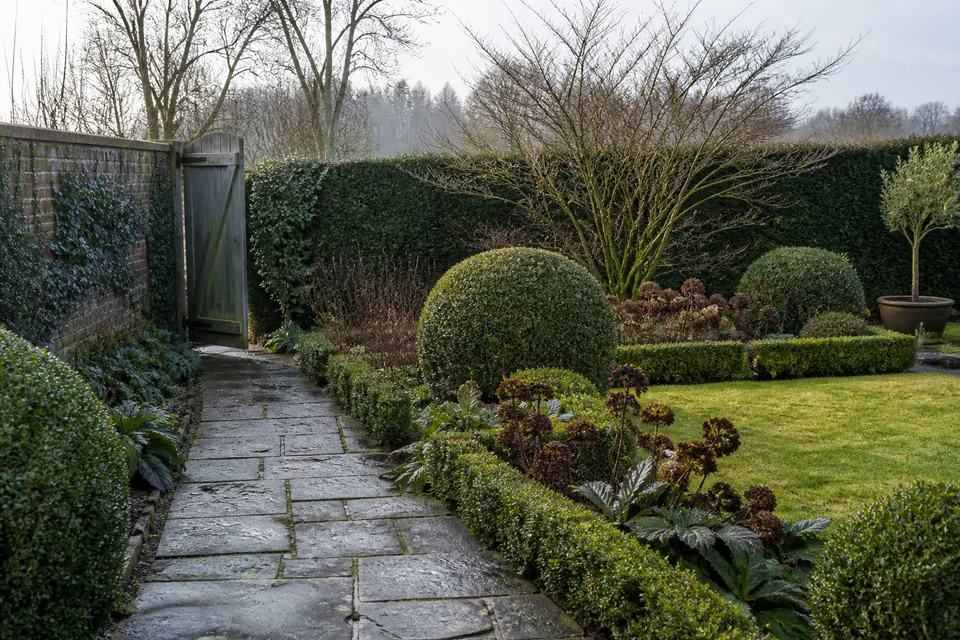
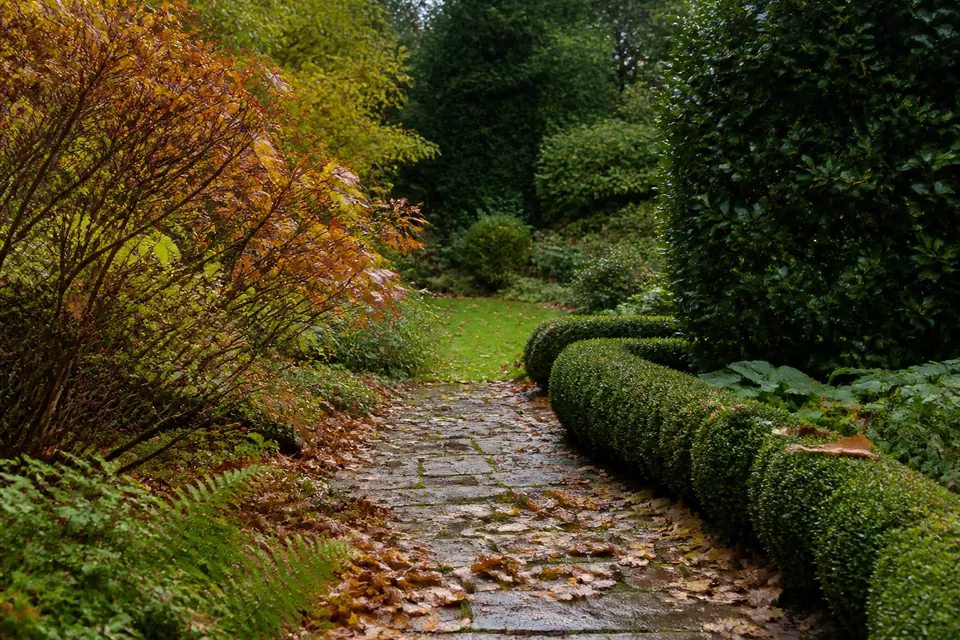
Dormant appearance alone does not establish that a shrub should be cut.
AT A GLANCE
| Service | Best suited for | Typical work |
|---|---|---|
| Garden maintenance | Known routine tasks | Selective care with unresolved planting retained |
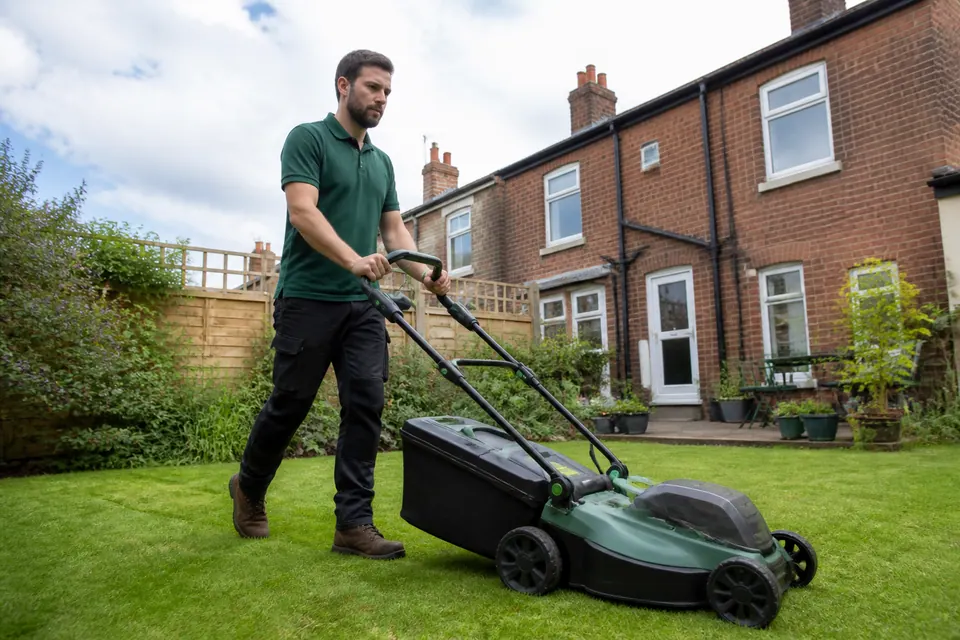
| Lawn care | Clearly identified grass | Suitable mowing within confirmed boundaries |
| Hedges & shrubs | Photographed established planting | Trimming only after appropriate scope review |
| Garden clearance | Known unwanted growth or material | Removal excluding plants awaiting a decision |
READ YOUR GARDEN
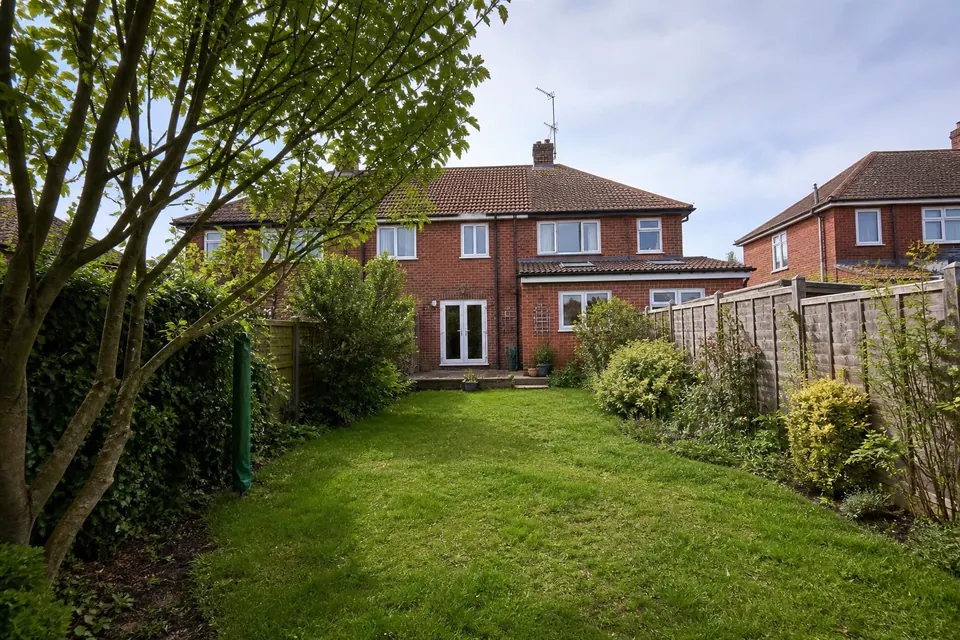
Show the identified grass area and any uncertain edges.
Photograph unfamiliar shrubs with their position in the garden visible.
Mark plants retained pending a decision instead of calling them weeds.
Describe the route without entering obscured or uncertain footing.
Separate known unwanted material from planting still under discussion.
Oxford / YOUR GARDEN BRIEF
If you have inherited or recently encountered planting at an Oxford property, use position labels rather than guessing names. Mark anything that should remain until discussed. Ask first whether the address can be attended. Avoid purchases or removal decisions based on an unconfirmed visit.
PRICE THE WORK, NOT THE POSTCODE
Check the Oxford address first, then describe confirmed tasks and unresolved areas separately.
The light-clearance guide neither confirms Oxford attendance nor authorises removal of unfamiliar planting.
See clearance pricing| Service | Pricing basis | Guide |
|---|---|---|
| Routine garden maintenance | Known priorities and retained uncertain areas | Assessment before any routine-care quote |
| Lawn mowing & edging | Confirmed grass and proposed attention | Lawn scope reviewed if attendance is possible |
| Hedge & shrub trimming | Plant condition and intended change | Trimming assessed before authorisation |
| Small green-waste collection | Listed known material and collection route | From £40 |
| Light garden clearance | Explicit removal list with uncertainty excluded | Typically £100–£300 |
| Large overgrown garden | Density and disposal within agreed limits | From £500 |
Routine gardening is assessed. Published clearance categories remain distinct, with materials, access and disposal requiring agreement; an uncertain plant list should not be treated as a complete specification or fixed local quotation.
QUICK ANSWERS
BUILD A USEFUL BRIEF
A STARTING POINT
Choose a starting category for the clear tasks. Keep identification or retention questions distinct so uncertainty does not become accidental permission to remove planting.
Read the service scope ↗CHOOSE THE WORK
Exclude uncertain plants from an unrestricted removal instruction until retention decisions are clear.
Explore garden clearance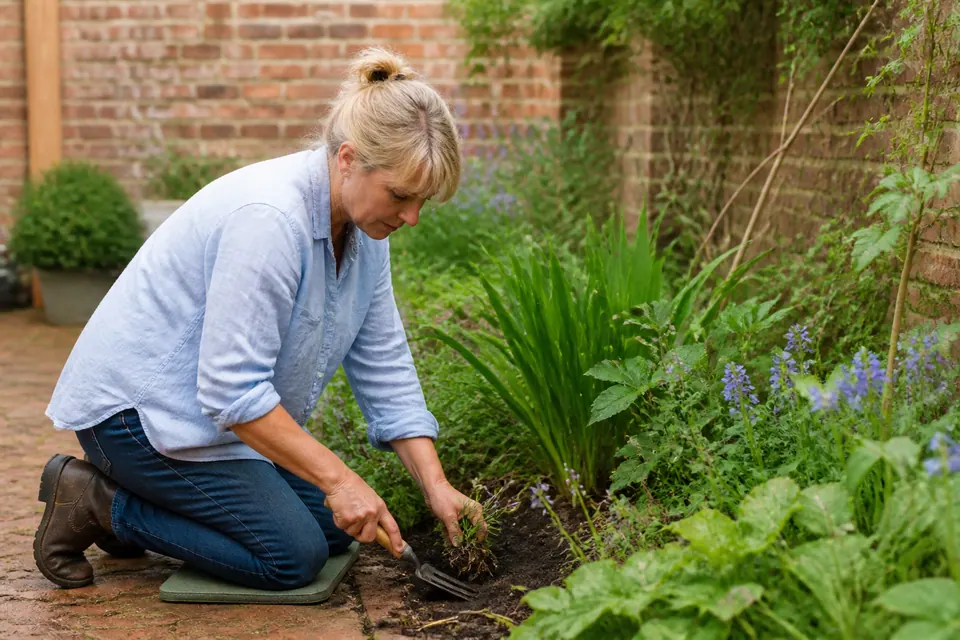
A selective first brief can focus on known upkeep while leaving unfamiliar planting for discussion.
Explore garden maintenanceShow the grass boundary without assuming unfamiliar adjacent growth belongs in the mowing area.
Explore lawn care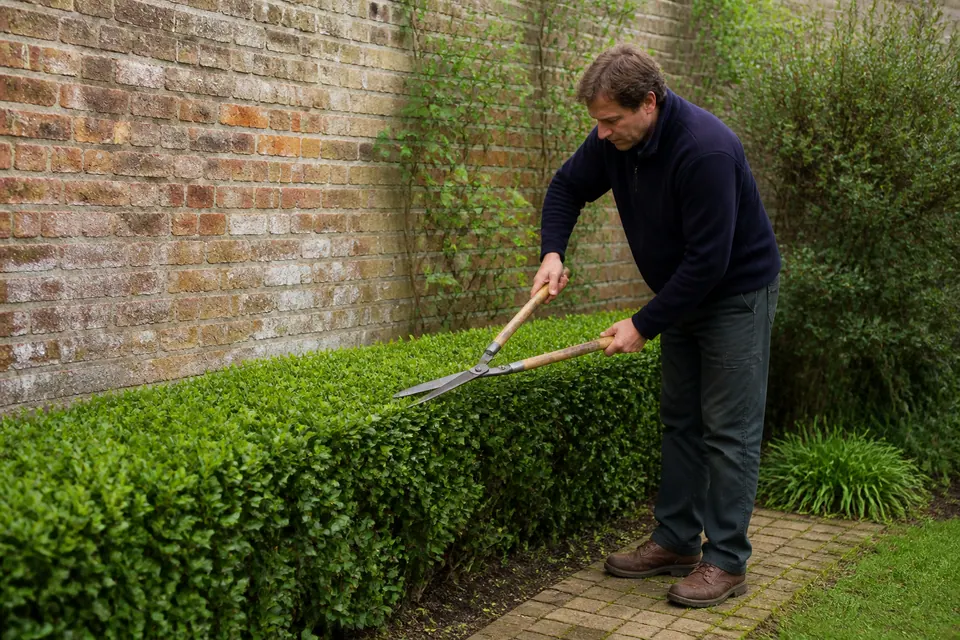
Identify the plant by photograph if its name is unknown, with intended changes left for assessment.
Explore hedges & shrubsHOW THE VISIT COMES TOGETHER
Provide the full address and labelled safe photographs.
If attendance is possible, separate confirmed tasks from undecided plants.
Review actual conditions before agreeing any proposed alteration.
Check the authorised work and keep deferred decisions explicit.
Routine gardening also does not imply specialist identification, treatments, major tree operations or landscaping; requests for additional expertise require separate discussion.
Read how Alesta plans gardening workA RESET OR A ROUTINE?
| Visit choice | One-off gardening | Regular maintenance |
|---|---|---|
| Best for | Known upkeep in a newly understood space | Later care after retention choices are clearer |
| Frequency | One proposed arrangement requiring confirmation | A separate preference, not guaranteed availability |
| Scope | Confirmed tasks and deferred plant decisions | A reviewed list as knowledge of the garden develops |
FROM OVERGROWTH TO EVERYDAY USE
The sequence is illustrative, not an Oxford customer garden assessment.
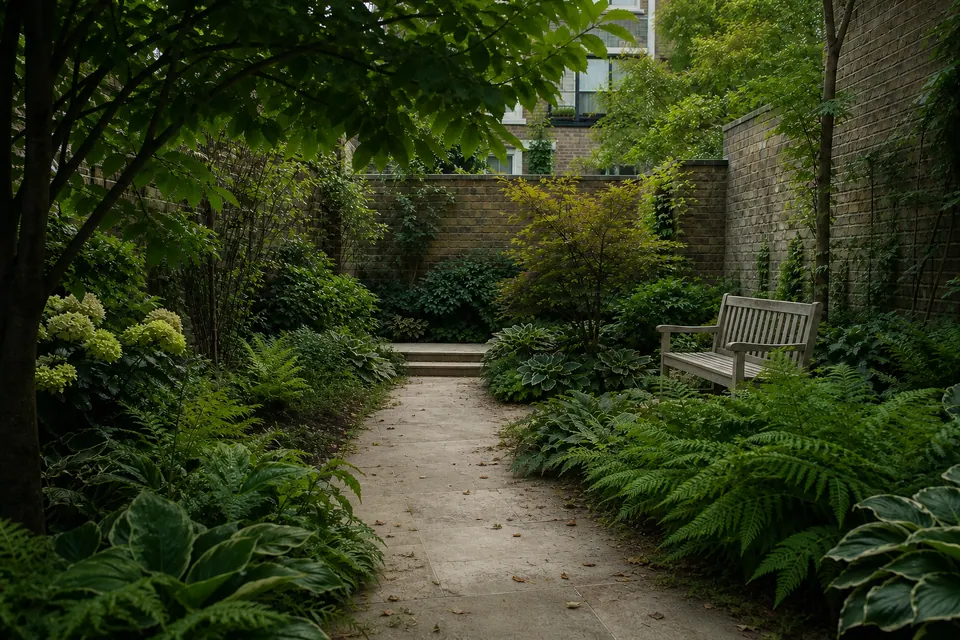
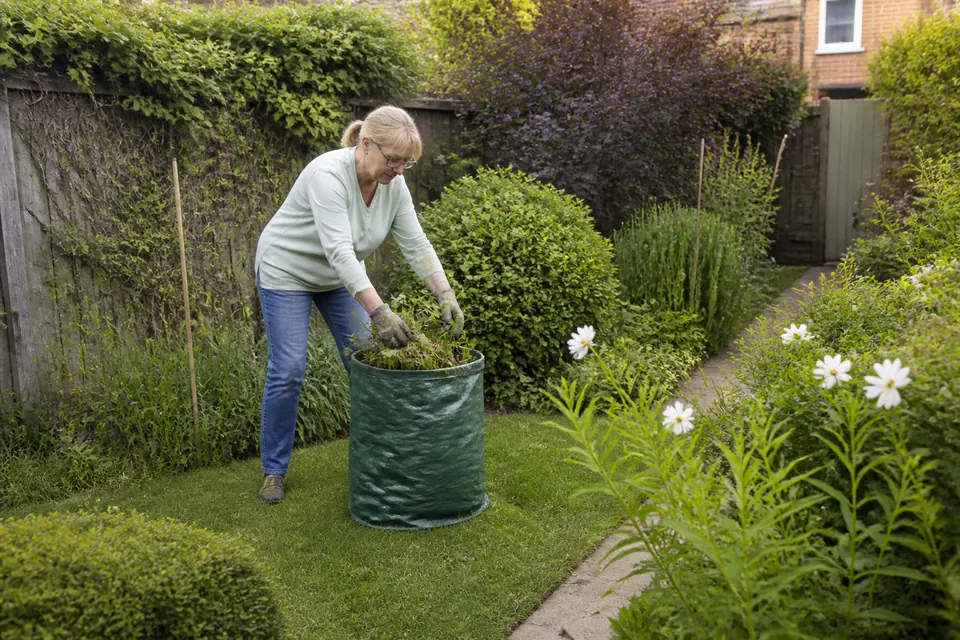
The first scene suggests recording what exists before decisions are made.
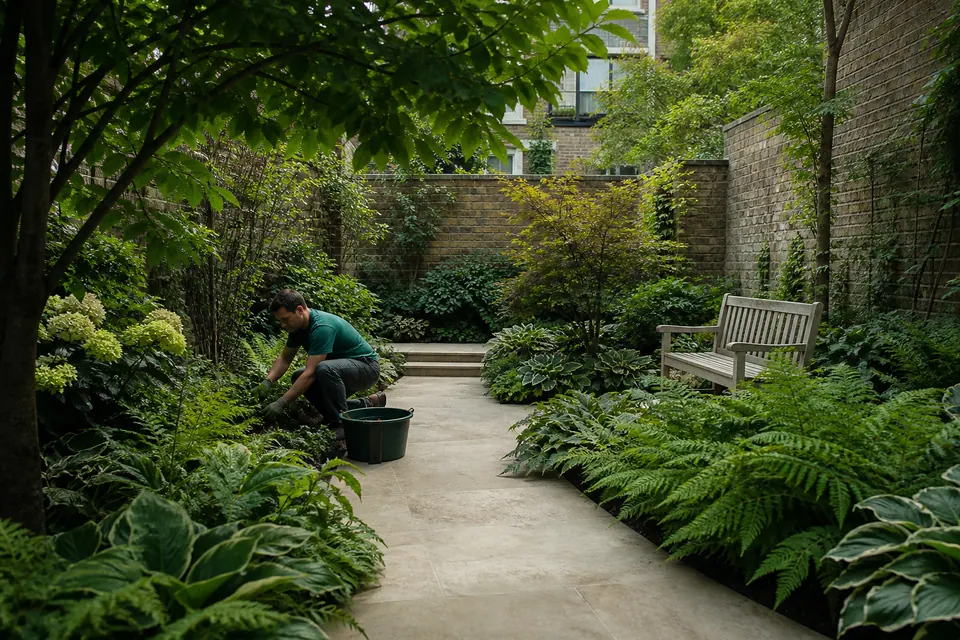
The work view illustrates attention around retained planting.
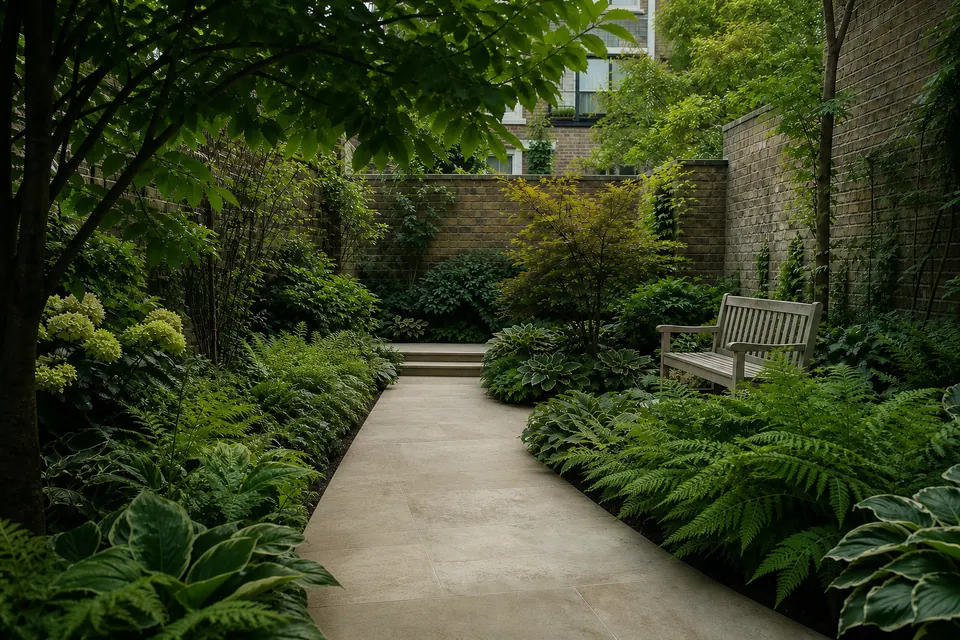
The result cannot establish suitable species care or local attendance.
BEFORE ARRANGING WORK
Use clear position labels and photographs, stating which plants are uncertain and should remain pending discussion.
Not automatically. Distinguish known unwanted material from plants whose retention has not been decided.
Describe confirmed tasks separately so a first enquiry does not rely on authorising every change in the garden.
No comprehensive identification service is established here. Raise the uncertainty without assuming specialist expertise or a definitive response.
Seasonal appearance alone should not determine removal. Keep uncertain plants or areas outside the authorised clearance scope.
No. They neither verify attendance nor replace assessment of the actual retained areas, access and removal requirements.
Avoid commitments based on assumed attendance. Materials and suitable planting require their own explicit agreement.
Wait for attendance at the complete address and agreement on the known tasks. Keep uncertain plants and material purchases outside assumptions about the visit.
Oxford / LOCATION CONTEXT
Provide the complete Oxford address and labelled photographs of the known and uncertain areas. Confirm attendance before making removal decisions or purchasing materials around an assumed garden assessment.
Open Oxford in Google Maps ↗Oxford / NEXT STEP
Ask whether your Oxford property can be attended. Describe clear tasks and mark unresolved planting before coordinating materials or making changes.
Call to check attendance and the planting briefScenes are illustrative, not Oxford customer records or plant-identification evidence.
