
Uxbridge / GARDEN PLANNING
Selective Garden Tidying in Uxbridge
Not everything behind an untidy border belongs in the same removal pile. Decide what is staying, what needs attention and what should leave before describing the finish you want.
- Number uncertain plants rather than guessing their names
- Keep stored objects outside the vegetation list
- Choose the first area you want to recover
- Record what should remain after the tidy
QUICK ANSWERS
Answers before deciding what should go
- Is identifying every plant necessary?
- No. Mark an uncertain plant and explain that it should stay until its treatment is agreed; a photograph is better than a guessed name.
- What does selective maintenance cover?
- It can combine suitable border attention, edges and seasonal tidying around retained features. Major alterations need a separate discussion.
- Can I start with just one section?
- Yes, describe that section precisely. Keep the remainder outside the requested scope rather than relying on a vague time limit.
- When does regular care become relevant?
- After the initial needs are understood, discuss the recurring tasks you want maintained. A reset does not automatically establish a continuing arrangement.
- Are stored objects treated as green waste?
- No. Timber, furniture and other stored items need an explicit description and a check of the appropriate service; green-cutting collection is different.
- Must a recovered area be cut on a fixed cycle?
- No fixed interval is assumed. Growth, use and the plants retained should inform any proposed routine.
- Can grass cutting follow an initial tidy?
- Both can form part of an assessed brief, provided the sequence and reachable grass area are clear. Do not assume one automatically includes the other.
Uxbridge / YOUR GARDEN BRIEF
A keep list is as useful as a task list
When taking over an Uxbridge property or returning to a neglected outdoor space, it can be difficult to distinguish wanted planting from unwanted growth. Photograph the whole area before moving things. Number uncertain plants and ask for them to be left pending agreement. Old pots, timber and stored household items need a separate list: they are not automatically covered by a request to gather green cuttings. A clear inventory makes a selective tidy possible without implying a complete clearance.
Assess: growth needing attention
Separate: items awaiting removal
READ YOUR GARDEN
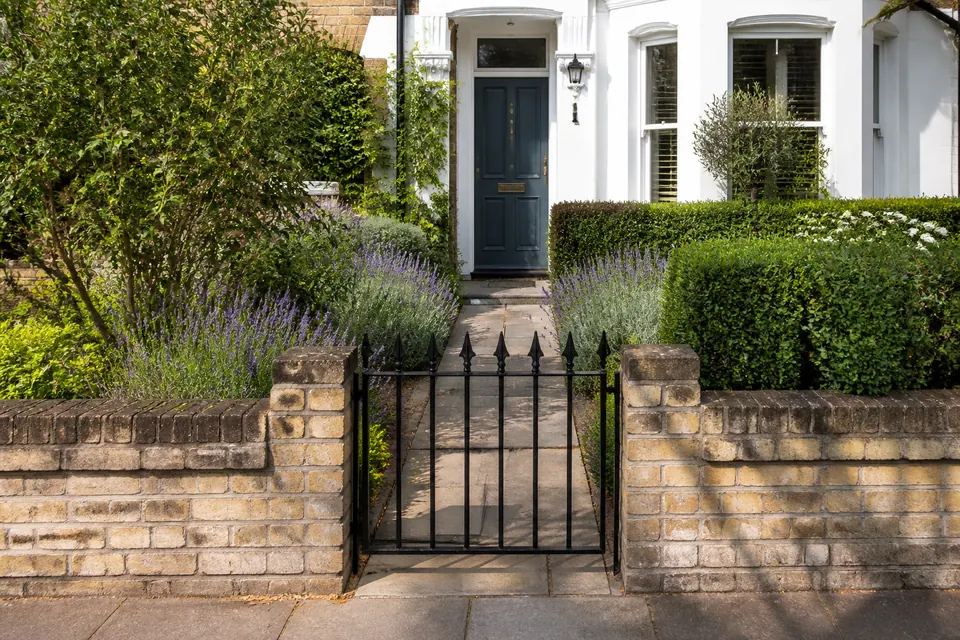
Separate the surfaces from what is on them
Lawn & edges
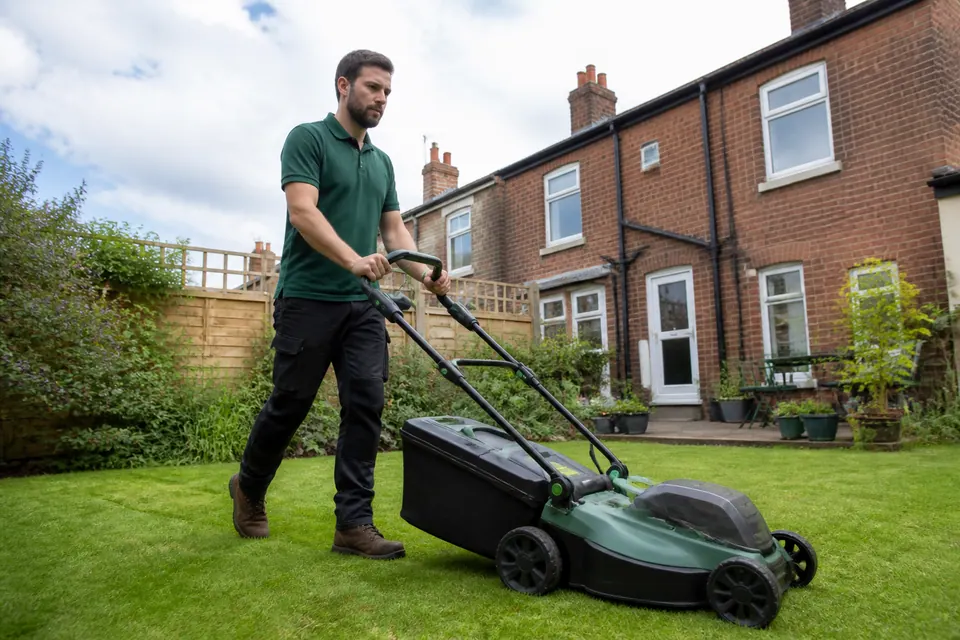
Describe the exposed grass and anything lying on it before arranging mowing.
Hedges & shrubs
Mark a retained hedge even when unwanted growth surrounds its base.
Borders & containers
Flag plants whose identity or ownership is uncertain; do not include them in a general removal request.
Paths & paved areas
Distinguish a path needing a practical tidy from paving needing repairs or a separate wash.
Cuttings & green waste
List fresh cuttings, existing bags and non-green objects as different categories.
CHOOSE THE WORK
Choose care or clearance for each area
Hedges & shrubs
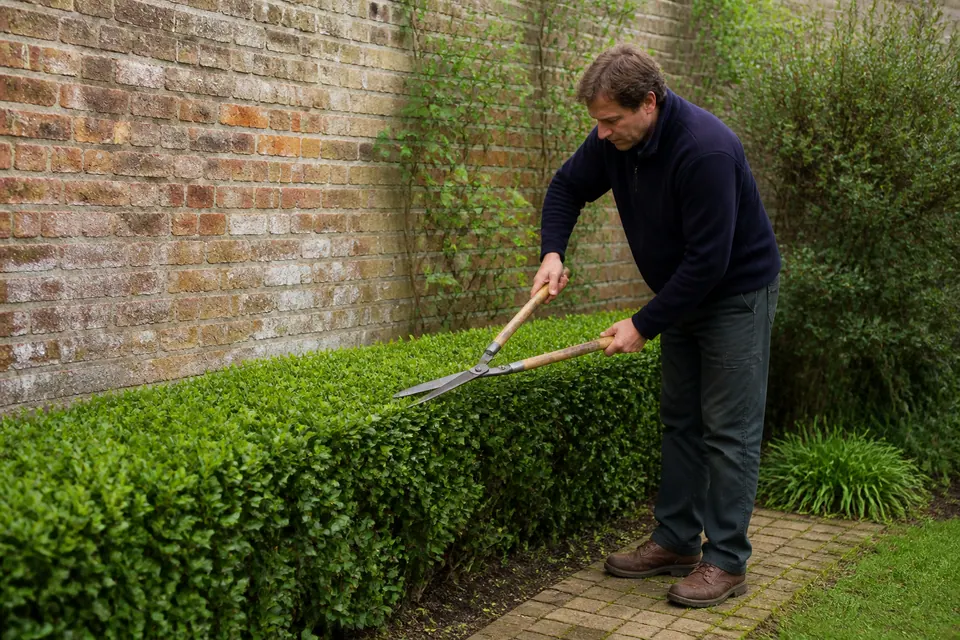
Identify the boundary planting to retain before discussing a suitable trim.
Explore hedges & shrubs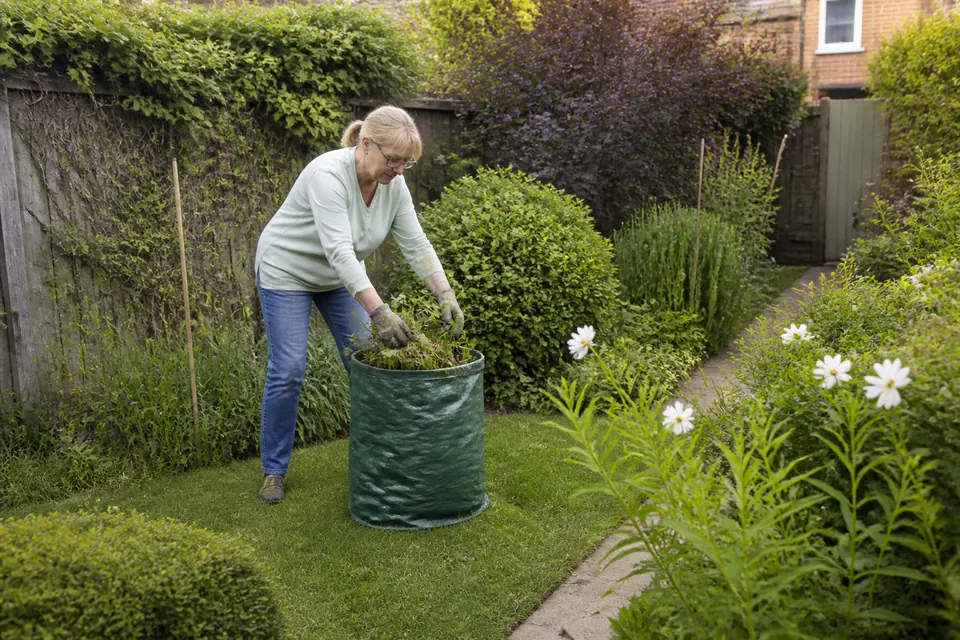
Garden clearance
Use a removal list for unwanted vegetation; specify other material separately.
Explore garden clearance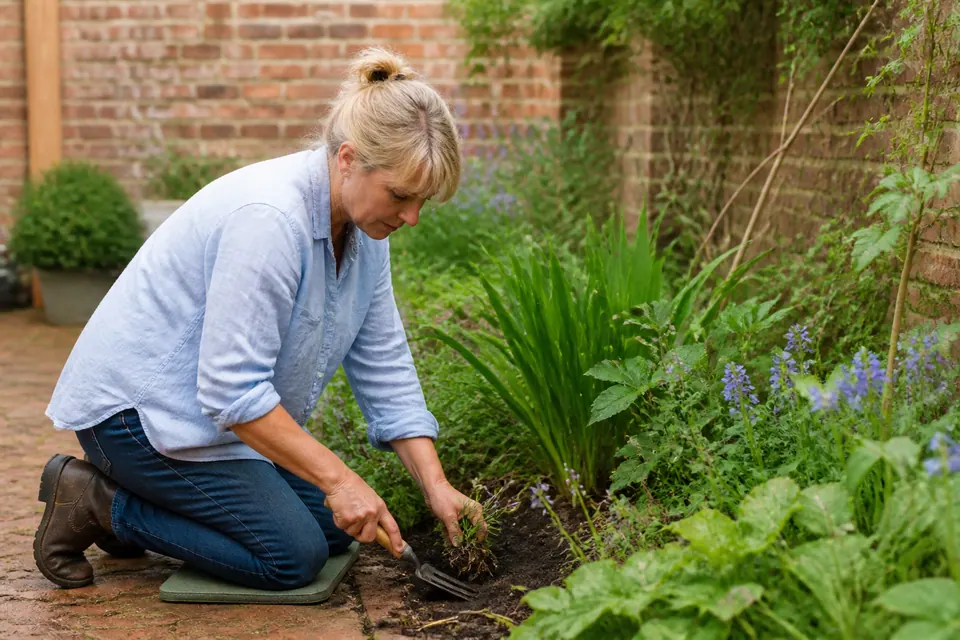
Garden maintenance
Selective care can address beds and edges while leaving nominated planting in place.
Explore garden maintenance- Work
- Selective tidying, grass care and assessed cutting
- Spaces
- Areas where the owner can identify retained features
- Visits
- A defined recovery visit, with upkeep discussed afterwards
- Area
- Uxbridge address and entrance to be confirmed
- Price
- Condition, removal categories and carrying requirements
A LIVING SPACE, NOT A FIXED CHECKLIST
Revisit the list as the seasons change
A list made in one season may need revisiting when planting becomes easier to identify. Suitable tasks remain dependent on condition.
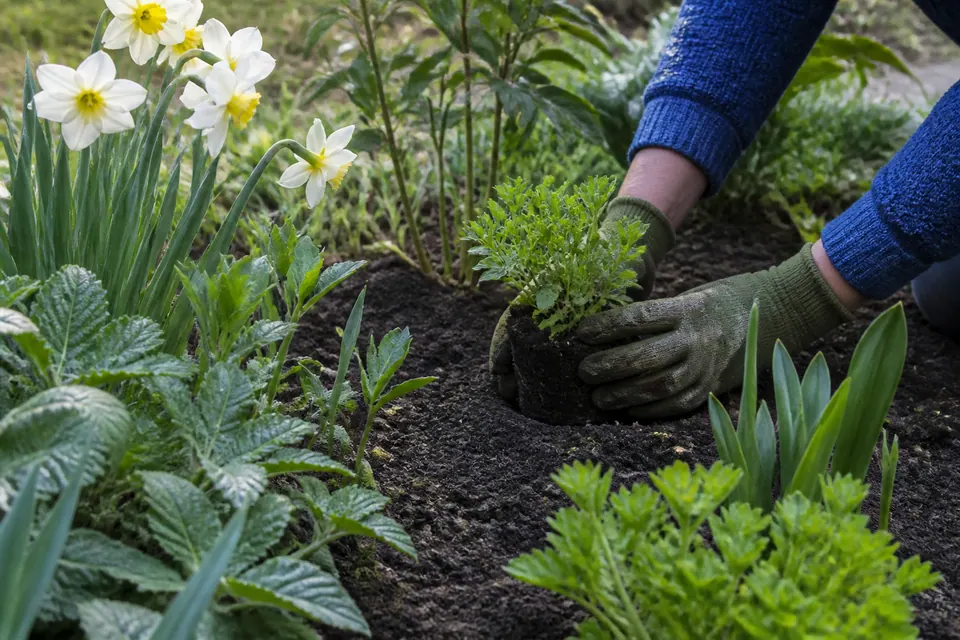
Spring
Review emerging plants before classifying growth as unwanted; discuss suitable weeding and planting tasks.
Summer
Describe the usable grass area and surrounding growth before agreeing a mowing priority.
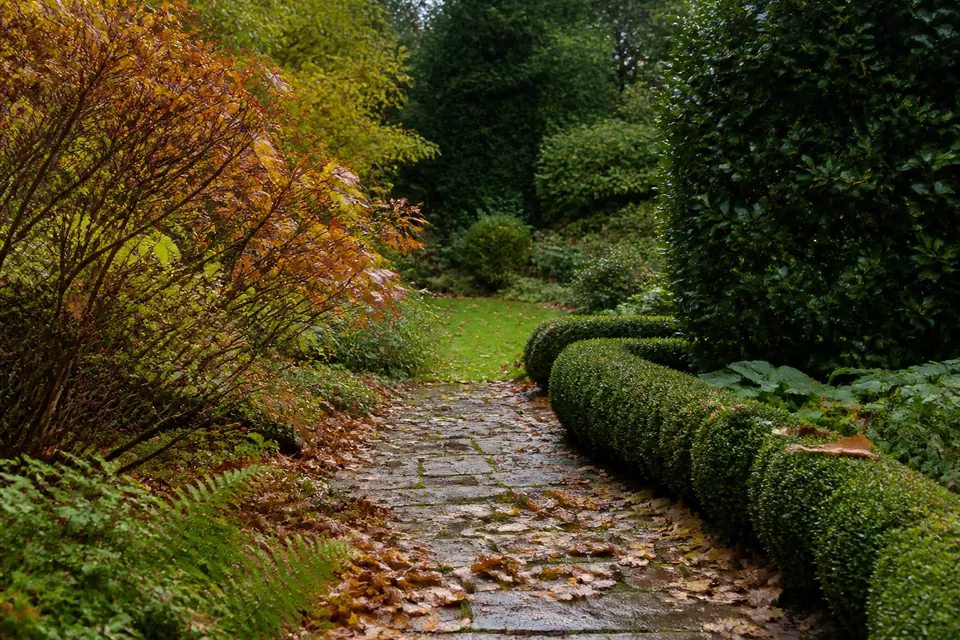
Autumn
Separate fallen leaves from objects already stored outdoors when requesting a seasonal tidy.
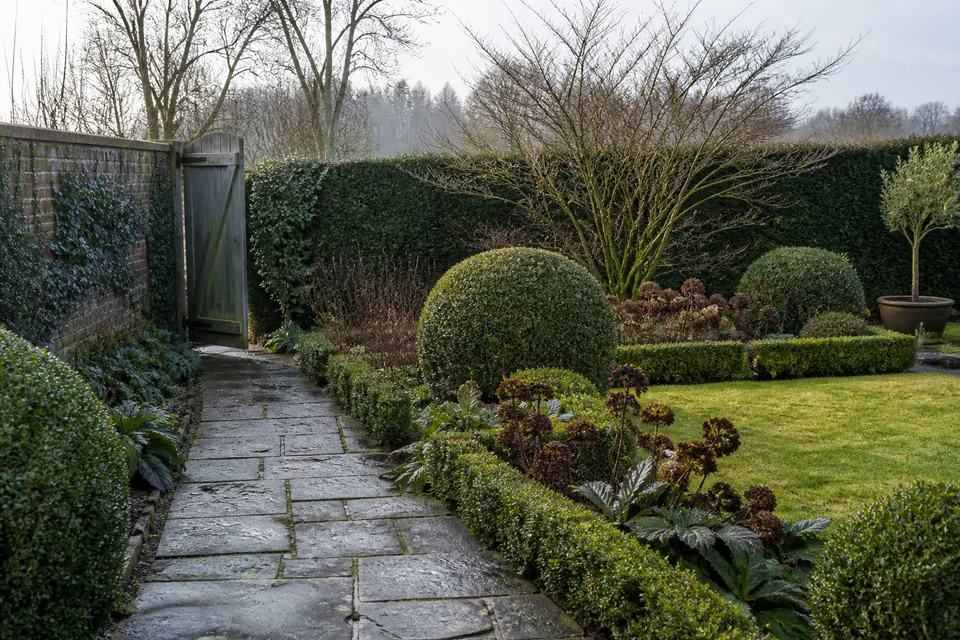
Winter
Use clearer views of boundaries to discuss future priorities, without assuming winter makes every cut appropriate.
PRICE THE WORK, NOT THE POSTCODE
Price the agreed removal, not an assumed clear-out
ROUTINE GARDEN CAREAn assessed scope,
An assessed scope,
not a blanket clearance.
Photographs should show both retained features and the material you want removed. A mixed area cannot be priced accurately from its length alone.
LIGHT GARDEN CLEARANCE£100–£300
The light-clearance guide describes that service category. It does not set the price of identifying or maintaining a densely planted bed.
See clearance pricing| Service | Pricing basis | Guide |
|---|---|---|
| Routine garden maintenance | Selectivity, planted density and priorities | Assessment of the named tasks |
| Lawn mowing & edging | Grass footprint and obstructions | Assessed mowing requirement |
| Hedge & shrub trimming | Retained dimensions and working sides | Photograph-based assessment |
| Small green-waste collection | Agreed green material and loading route | From £40 |
| Light garden clearance | Specified growth and disposal needs | Typically £100–£300 |
| Large overgrown garden | Extent and density of the nominated area | From £500 |
Why a mixed area needs a closer look
Sorting a mixed request may reveal several separate jobs. Carrying distance, the quantity to leave onsite and materials requested for later planting can change the scope. Confirm the total once those decisions are made.
HOW THE VISIT COMES TOGETHER
From photographs to a selective brief
Record the starting point
Take wide photographs before altering the scene, then add close views of uncertain planting and stored material.
Resolve the uncertain items
Agree the retained features, nominated tasks and waste categories. Resolve ambiguity before accepting the brief.
Check the agreed boundaries
The proposed work still needs to suit the condition found; unseen obstacles can affect the practical sequence.
Review the retained space
Review the completed priorities and distinguish any later tasks from the original appointment.
A defined finish is more useful than “everything gone”
Alesta’s published gardening scope does not turn a tidy into unrestricted removal, landscaping or tree surgery. Ask what the agreed finish includes and which material, if any, leaves the property.
Read how Alesta plans gardening workBUILD A USEFUL BRIEF
What is preventing you from using the space?
A STARTING POINT
Garden maintenance
A selective maintenance enquiry begins with retained features and the surrounding tasks. Use clearance for an agreed removal scope, not as a substitute for deciding what should stay.
Read the service scope ↗AT A GLANCE
Different instructions lead to different work
| Service | Best suited for | Typical work |
|---|---|---|
| Garden maintenance | Retained beds and edges | Agreed weeds and seasonal debris handled around wanted planting |
| Lawn care | Identified grass area | Mowing and edging once the reachable footprint is understood |
| Hedges & shrubs | Boundary plants that will remain | Suitable shaping within the approved limits, not automatic removal |
| Garden clearance | A clearly nominated clearance section | Specified unwanted growth and agreed waste categories addressed together |
A RESET OR A ROUTINE?
Recovery first, upkeep by agreement
| Visit choice | One-off gardening | Regular maintenance |
|---|---|---|
| Best for | One nominated section brought towards an agreed usable finish | Repeated attention to the retained lawn, beds or boundaries |
| Frequency | An initial appointment with explicit limits | A separately agreed arrangement after the starting needs are known |
| Scope | A keep list and a removal list | A reviewed list of recurring maintenance tasks |
FROM OVERGROWTH TO EVERYDAY USE
An example of tidying without starting over
This illustrated courtyard sequence shows limited tidying. It is neither an Uxbridge case study nor a guarantee that your own starting conditions can produce the same finish.
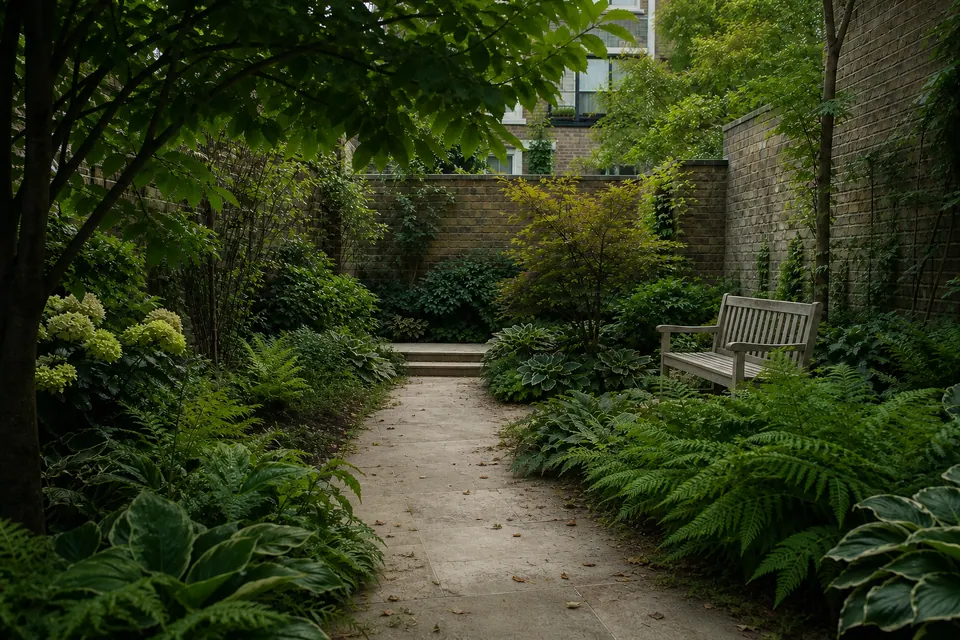
Before
Loose debris and indistinct edges obscure the route, while useful planting remains present.
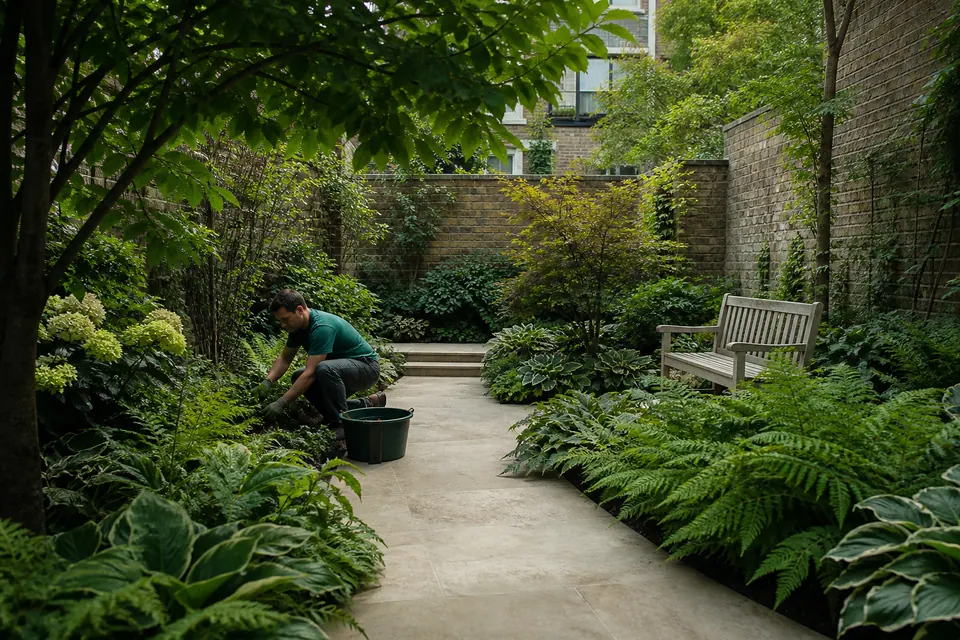
Garden work
The illustration concentrates on border attention and gathering loose material rather than removing the whole garden.
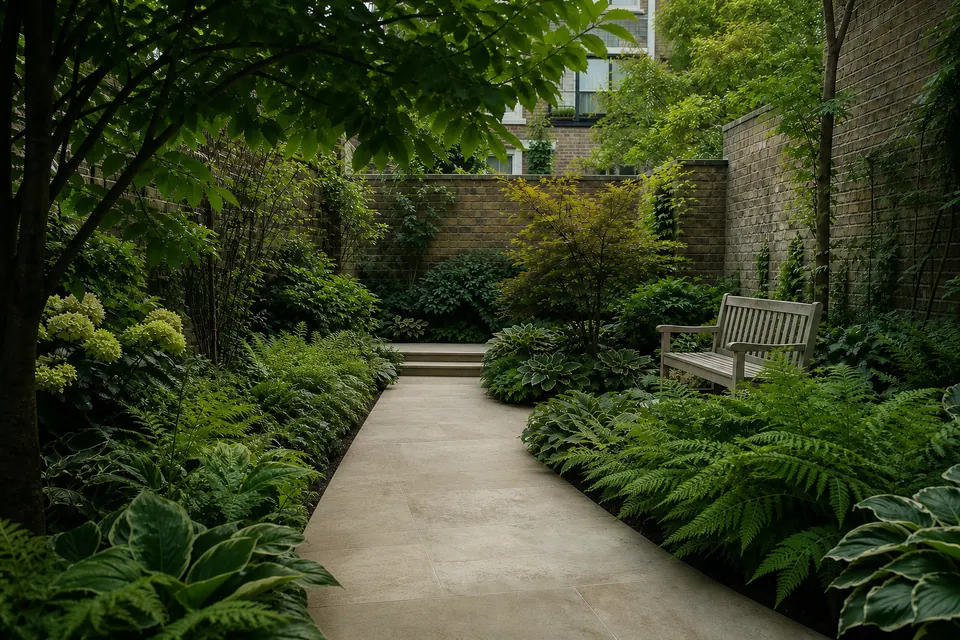
Result
The path becomes easier to read, with the original structure and valued planting still visible.
Uxbridge / LOCATION CONTEXT
Show the entrance used for the tidy
Include the full Uxbridge address and the entrance that reaches the nominated area. Show gates or passages that affect carrying, and confirm attendance before making access arrangements.
Open Uxbridge in Google Maps ↗Gardening services near Uxbridge
BEFORE ARRANGING WORK
Questions about keeping and clearing
What should I do with a plant I cannot identify?
Mark its position and say it must remain until an appropriate decision has been agreed. Uncertainty is not an instruction to remove it.
Can an old pot stay even if it looks unused?
Yes. Put it on the keep list and show its position so it is not confused with items you want taken away.
Does clearance include the timber beside my shed?
Describe that timber separately and ask which service is appropriate. A green-waste or vegetation brief does not automatically cover it.
Can I request a path through the area rather than a complete reset?
Explain the route and the surrounding features to retain. A limited usable outcome may be discussed without clearing every part of the space.
Should I move everything before sending photographs?
Wide views of the starting condition are useful. Ask what preparation is needed before moving items that affect the assessment.
What if the boundary hedge belongs to someone else?
Do not authorise changes on the assumption that it is yours to manage. Establish permission and the permitted working area first.
Are new plants included after unwanted growth is cleared?
Not automatically. Plant supply and planting tasks must be discussed and included explicitly if wanted.
Can the quote rely on a picture from last year?
Use recent photographs where possible. Growth and stored material may have changed enough to make an older view misleading.
Uxbridge / NEXT STEP
Ready to make the keep list clear?
Bring a photograph with the retained features marked. We can discuss the requested gardening without treating the entire space as disposable.
Talk through the keep listIllustrative garden scenes; not photographs of Alesta customer jobs.
