
Walthamstow / GARDEN PLANNING
Walthamstow Garden Care for Valued Planting
An overfull border is not necessarily an unwanted border. For garden care in Walthamstow, explain which plants and informal features you enjoy before asking for weeds, spent growth or obstructing branches to be addressed.
- Mark the planting you want to keep
- Identify uncertain growth before removal
- Choose selective tidying over a blanket cut
- Describe the border's intended character
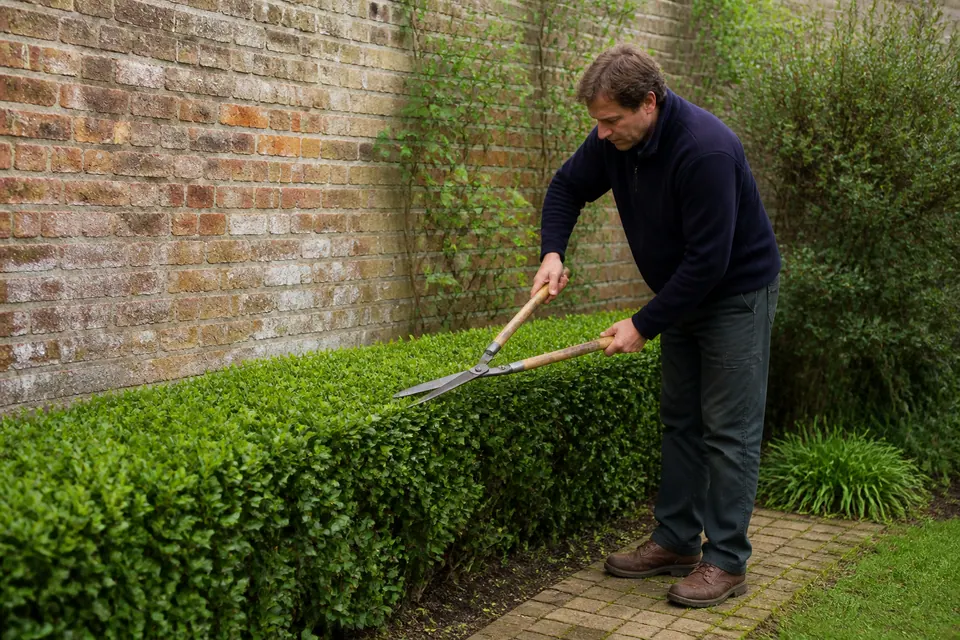 GARDEN CARE / Walthamstow
QUICK ANSWERS
Useful distinctions before any cutting
- Must I know every plant name?
- No. Clear photographs and position labels can make an uncertain plant part of the discussion.
- Can a border remain informal?
- Describe that preference explicitly so tidiness is not interpreted as a uniform clipped appearance.
- Should every seedling be removed?
- Do not assume so; identify wanted or uncertain growth before finalising a weeding brief.
- Can screening remain after trimming?
- Explain the screening role and ask which plant-appropriate changes are feasible.
- What belongs on the keep list?
- Named plants, marked groups and any deliberately retained patch all help define the boundary.
- Is clearance the only route?
- Where selective upkeep is sufficient, a maintenance assessment may be the better starting discussion.
- Can planting changes wait?
- Keep replacement planting outside the immediate brief if your first aim is understanding the existing garden.
Walthamstow / YOUR GARDEN BRIEF
A keep list can be as useful as a job list
If your Walthamstow garden contains planting you inherited or cannot confidently name, photographs can start a discussion without committing you to its removal. Mark treasured plants by position and explain why particular growth matters. A border used for screening may need a different brief from one you want opened up. Avoid describing either simply as a mess when the desired outcome is selective care.
02 / Identify uncertain growth before removal
03 / Choose selective tidying over a blanket cut
READ YOUR GARDEN
Record what belongs in each part of the garden
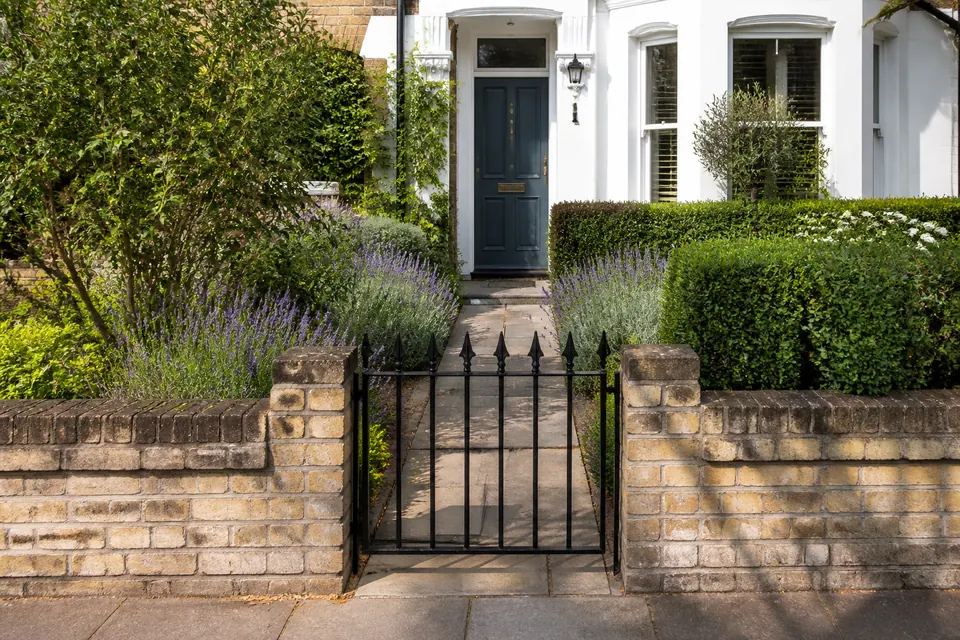
Lawn & edges
Show grass boundaries clearly where they meet planted or deliberately informal areas that should remain outside the cut.
Hedges & shrubs
Highlight individual shrubs you value, including their screening role, rather than asking for one uniform reduction everywhere.
Borders & containers
Use labelled photographs for plants to retain and mark uncertain growth for discussion before anyone removes it.
Paths & paved areas
Distinguish a route that must be clear from nearby growth you are happy to leave in place.
Cuttings & green waste
Identify unwanted material separately; valued plants should not enter the waste plan merely because they look untidy.
CHOOSE THE WORK
Choose help that respects the retained planting
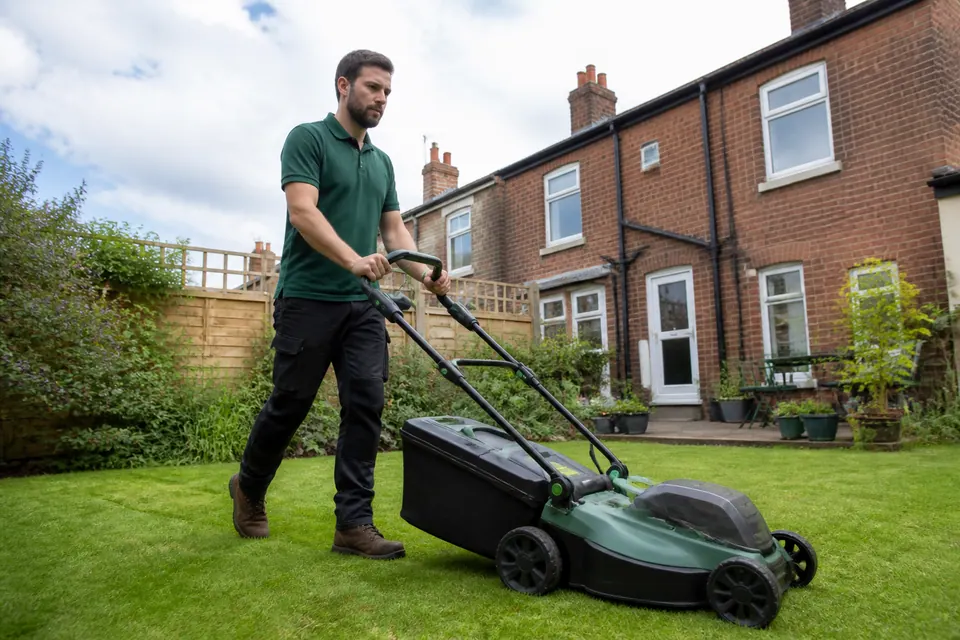
Lawn care
Define where grass should end without treating adjacent self-seeded or planted areas as part of the mowing brief.
Explore lawn careHedges & shrubs
Describe the role of a shrub before requesting reduction; screening and flowering interest may influence the discussion.
Explore hedges & shrubs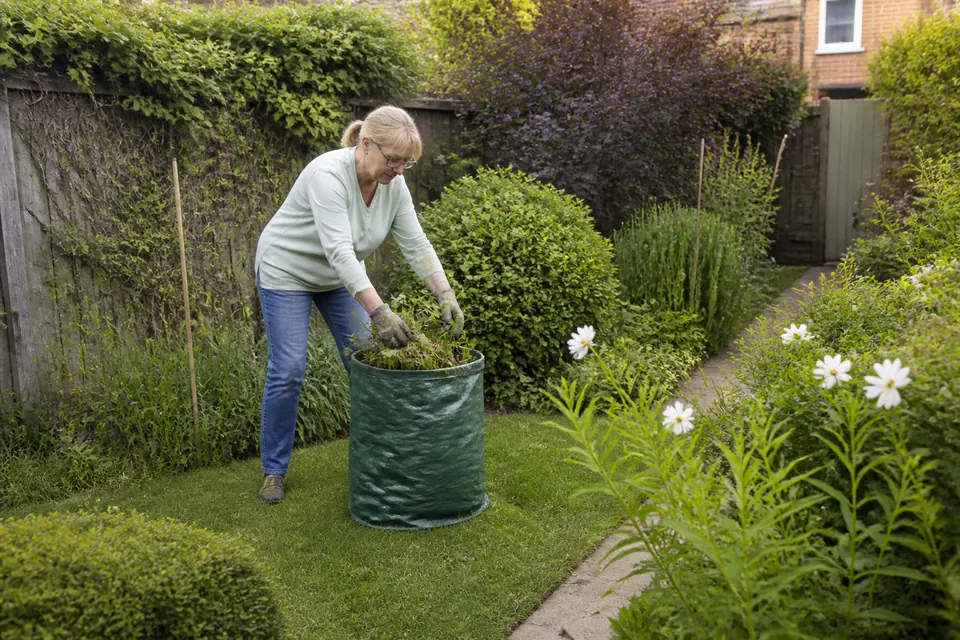
Garden clearance
A keep-and-remove list is essential if worthwhile plants remain among the overgrowth. Clearance need not mean removing everything green.
Explore garden clearance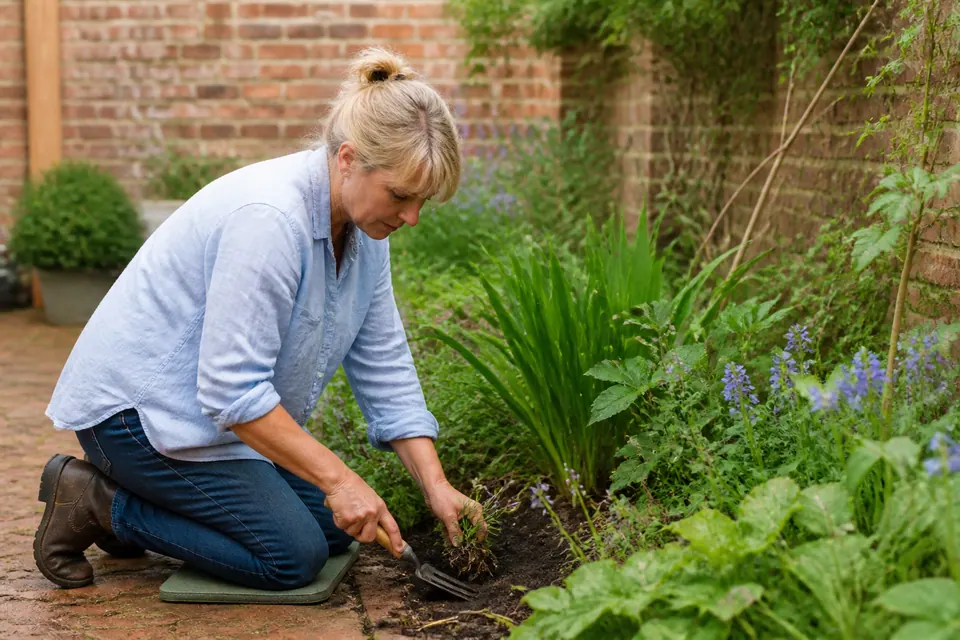
Garden maintenance
Selective weeding and suitable light pruning can support an existing garden without imposing an entirely different planting scheme.
Explore garden maintenance- Work
- Lawns, borders, shrubs and seasonal tasks
- Spaces
- Private and authorised shared outdoor areas
- Visits
- One-off or an agreed recurring plan
- Area
- Walthamstow; confirm attendance for your address
- Price
- Based on the work, condition and access
A LIVING SPACE, NOT A FIXED CHECKLIST
Do not judge every plant at the same moment
Plant appearance changes through the year. A seasonal tidy should allow for species and condition rather than applying one cutting rule to every stem.
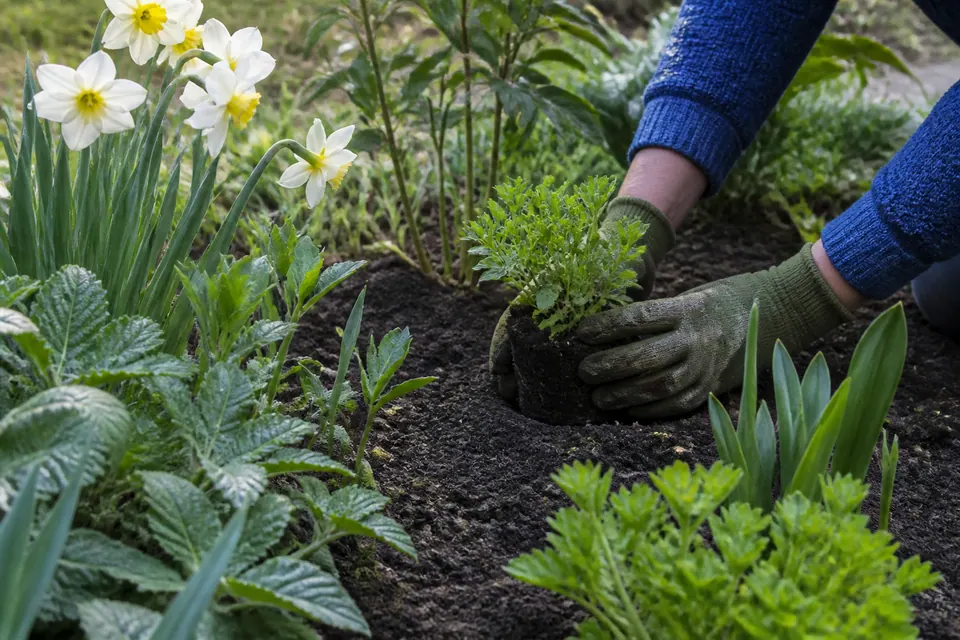
Spring
Emerging growth can help clarify what is present, making a fresh photograph useful before agreeing removal.
Summer
Review whether vigorous growth is unwanted or simply needs a suitable, limited intervention around the garden's use.
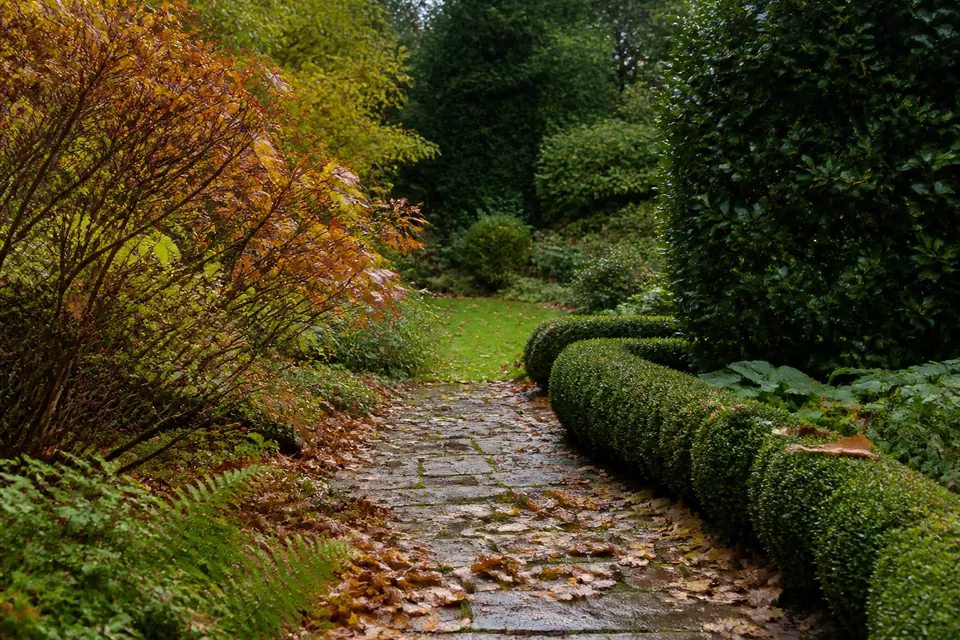
Autumn
Decide which spent material belongs in the tidy and which areas need a more considered seasonal approach.
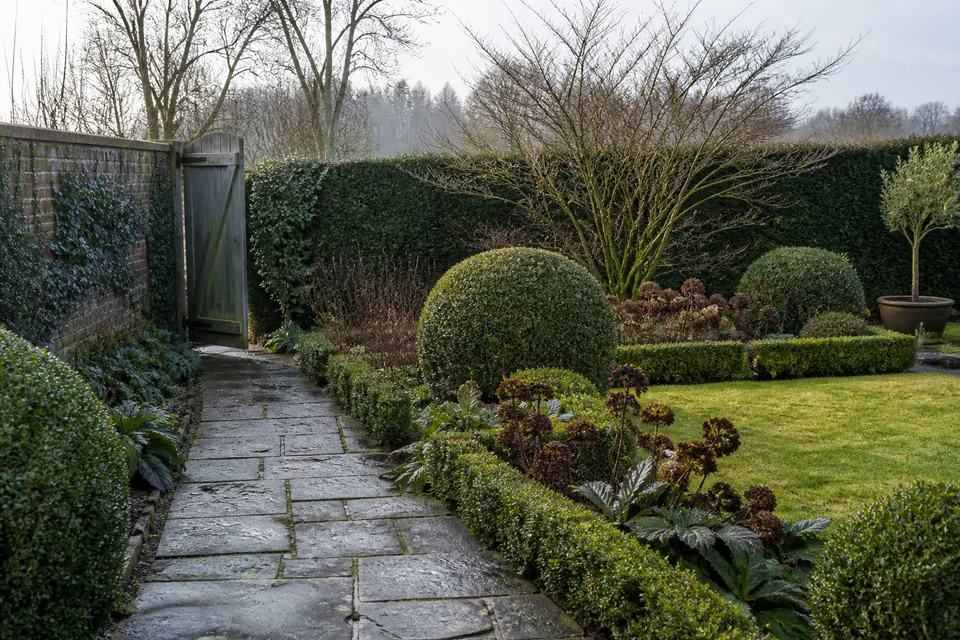
Winter
Visible structure can support planning, but unsuitable ground and plant-specific cutting limits still take precedence.
PRICE THE WORK, NOT THE POSTCODE
Price selective attention, not indiscriminate removal
ROUTINE GARDEN CAREQuoted for
Quoted for
your task list.
Explain the retained plants and uncertain areas with your photographs. Routine care is quoted after the requirements are understood, rather than from a fixed hourly promise.
LIGHT GARDEN CLEARANCE£100–£300
Light clearance typically falls within this published guide, but selective work among retained planting still needs its own assessment.
See clearance pricing| Service | Pricing basis | Guide |
|---|---|---|
| Routine garden maintenance | Selective priorities and the areas deliberately retained | Garden-specific assessment before a total |
| Lawn mowing & edging | Defined grass outline and its current condition | Lawn quotation following scope review |
| Hedge & shrub trimming | Plant identity, intended outline and safe reach | Photographs or assessment inform the trimming quote |
| Small green-waste collection | Listed green material and collection access | From £40 |
| Light garden clearance | Agreed removal around plants being kept | Typically £100–£300 |
| Large overgrown garden | Overgrowth extent and the retention requirements | From £500 |
What changes the cost?
Density alone does not describe a border-care task. The distinction between wanted and unwanted growth, the space to work, necessary materials and the final waste arrangement all help define what the quote should cover.
HOW THE VISIT COMES TOGETHER
Make the retention decisions visible
Show the space
Send labelled border photographs with an overview showing where each close-up belongs in the garden.
Agree the brief
Agree what can be removed, what must remain and what needs further discussion before action.
Check on arrival
Revisit uncertain identifications and inspect plant condition rather than relying solely on an earlier photograph.
Work, tidy, review
Review the retained areas and record any decisions postponed for more suitable conditions or another assessment.
Know what is included.
Selective maintenance does not authorise major tree work, landscaping or specialist treatment. Explain those ambitions separately, and do not treat a general request for tidiness as permission for wholesale alteration of valued planting.
Read how Alesta plans gardening workBUILD A USEFUL BRIEF
Is the problem unwanted growth or lost definition?
A STARTING POINT
Garden maintenance
The starting category can help organise an enquiry, but the important detail is selective intent. Say whether the garden needs clearer boundaries, removal of known weeds or assessment of unfamiliar plants.
Read the service scope ↗AT A GLANCE
Match the intervention to the planting decision
| Service | Best suited for | Typical work |
|---|---|---|
| Garden maintenance | An established garden whose character should remain | Selective bed care and suitable light pruning |
| Lawn care | A defined grass area beside retained growth | Mowing and edging within the agreed outline |
| Hedges & shrubs | Plants needing a considered size or shape review | Trimming assessed by species, reach and season |
| Garden clearance | Known unwanted growth around identified keepers | Removal guided by a clear retention list |
A RESET OR A ROUTINE?
Choose a review point as well as a visit type
| Visit choice | One-off gardening | Regular maintenance |
|---|---|---|
| Best for | A selective catch-up in a known section | Continued care of the existing planting |
| Frequency | One agreed intervention with clear limits | A plan reconsidered as plants develop |
| Scope | A dated keep-and-remove brief | An evolving record of retained plants and priorities |
FROM OVERGROWTH TO EVERYDAY USE
Retaining a garden while restoring order
The illustrated sequence shows an approach to selective attention, not a Walthamstow case history or proof of an outcome for your planting.
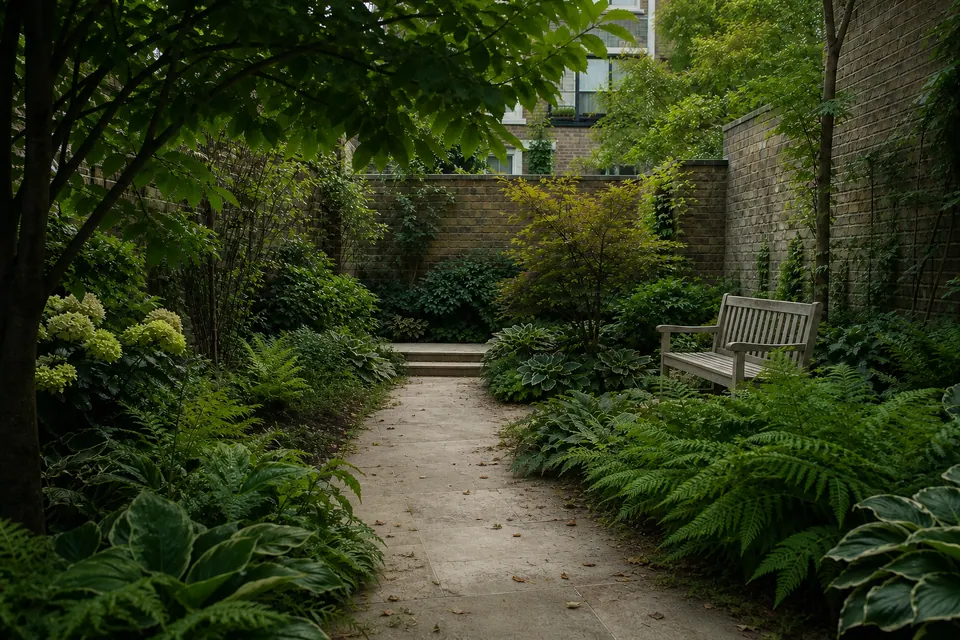
Before
A cluttered view can hide plants worth keeping, so identification belongs before the removal decision.
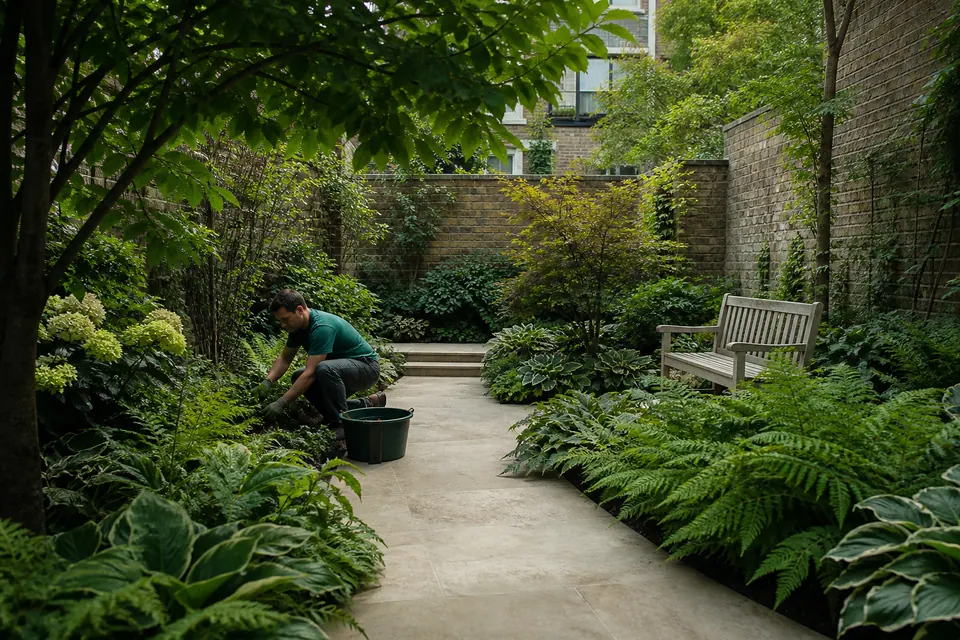
Garden work
Working beside existing borders illustrates the difference between tending a garden and emptying it.
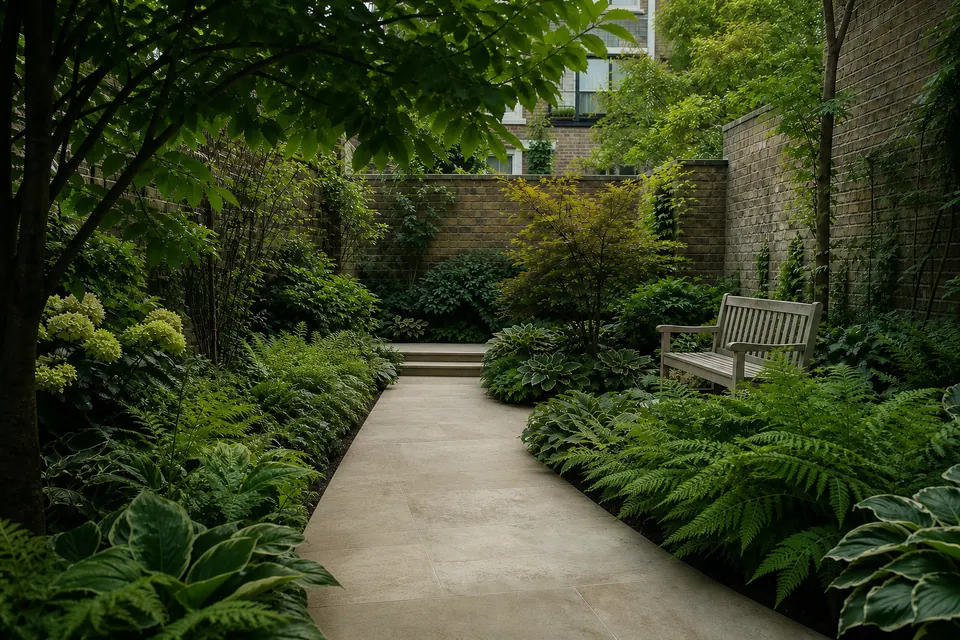
Result
Discuss a usable route and retained planting as separate goals rather than copying an image wholesale.
Walthamstow / LOCATION CONTEXT
Confirm the address and retained planting brief
Include the complete Walthamstow address with your labelled planting photographs. Explain the authorised entrance and any shared permissions, then check attendance before making decisions based on a proposed visit.
Open Walthamstow in Google Maps ↗Gardening services near Walthamstow
BEFORE ARRANGING WORK
Keeping valued plants: questions for the enquiry
How can I mark a valued plant without knowing its name?
Use a photograph with a clear position reference, such as beside a particular pot or fence panel. State that it must remain until its identity and care needs are discussed.
Will a general tidy remove self-seeded plants?
It should follow the agreed brief, not an assumption that every self-seeded plant is unwanted. Point out any you wish to preserve before weeding or clearance begins.
Can I ask for a less formal-looking result?
Yes. Explain which edges need definition and which planted areas should retain a looser character. This gives the discussion a more useful goal than asking for everything to look neat.
What if I cannot decide whether a shrub should stay?
Keep that decision separate from authorised removal. Ask about assessment and appropriate options rather than including the shrub in an unrestricted clearance instruction.
Does selective clearance have a fixed price?
No. The published clearance guides do not replace a property-specific quote. Explain retained planting, growth density, access and disposal so the actual requirements can be reviewed.
Can all the shrubs be shortened in one seasonal visit?
Not automatically. Species, condition, safe access and suitable timing differ. Active nests also constrain work, so a broad seasonal request cannot establish that every plant may be cut.
Should I buy replacement plants before the tidy?
Wait until the retained layout and proposed planting are agreed. Materials and supply arrangements require confirmation; a tidy does not itself establish what new plants will suit the space.
How do I check attendance for selective care in Walthamstow?
Send the full address, retained-plant labels and the intended tasks. Wait for attendance and scope confirmation before arranging materials or relying on a date.
Walthamstow / NEXT STEP
Tell us what makes this garden yours
Start with the plants you want preserved, then list the parts you want improved. Include the Walthamstow address and current views so attendance and the selective brief can be assessed.
Call to explain what should stayThe gardening pictures are illustrative scenes, not photographs offered as evidence of Alesta customer projects.
