
How should I identify a gutter run?
Describe the building part, elevation and level, for example the upper rear channel or the lower porch edge. Add the nearest outlet or corner if known, without assuming that it explains the problem.
Rainwater routes · access · clear scope
A main eaves run, porch and later addition can each drain independently, so a whole-house request may still leave room for misunderstanding. Gutter cleaning in Purley removes leaves, loose moss, silt and ordinary debris from the accessible channels agreed. Reachable outlet mouths can be included when stated; defective parts, concealed downpipes, underground drainage and specialist access require separate assessment.
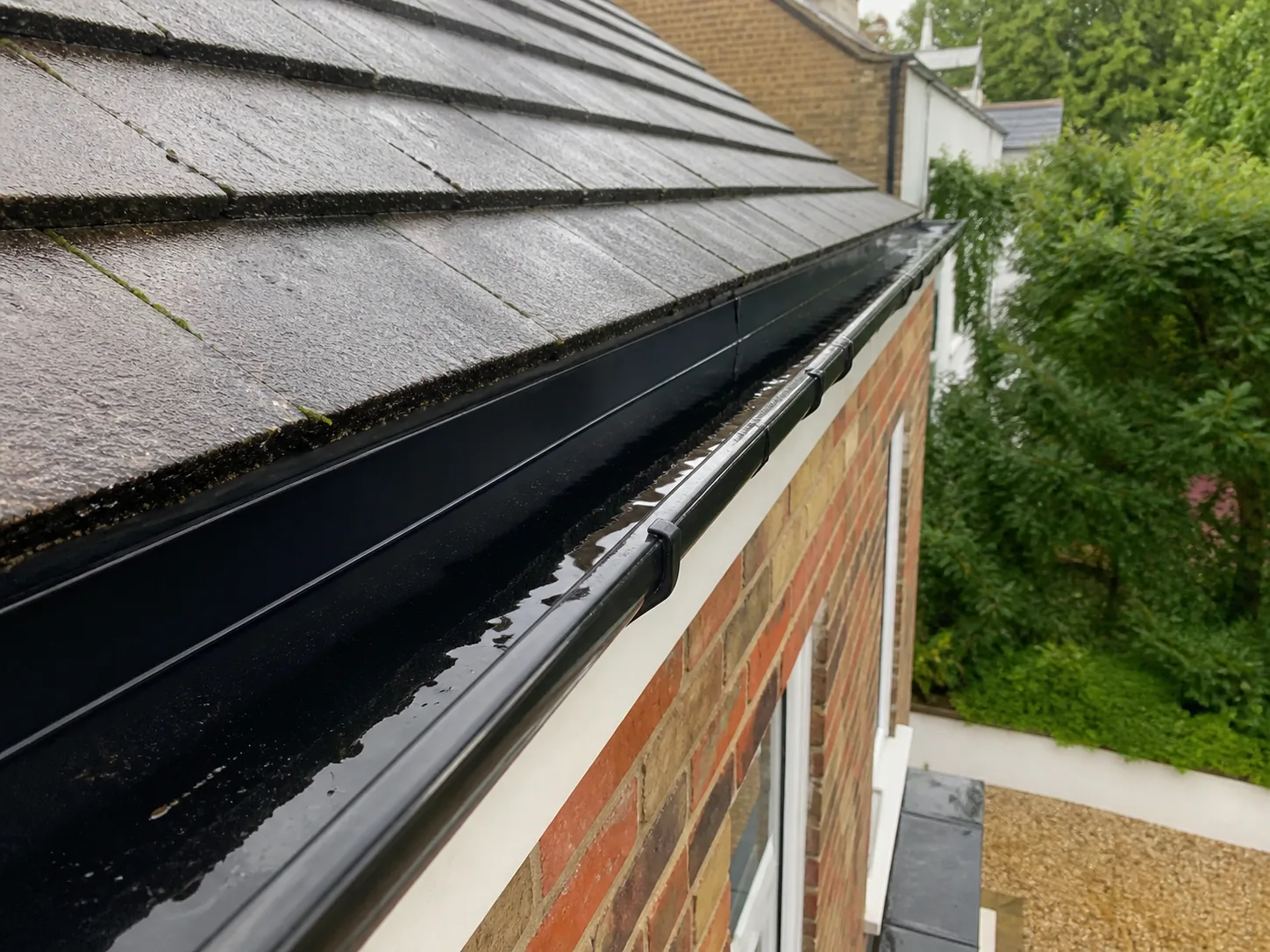
Quick answers
Describe the building part, elevation and level, for example the upper rear channel or the lower porch edge. Add the nearest outlet or corner if known, without assuming that it explains the problem.
Only when its channels are expressly requested and accepted. A garage creates a separate roof edge, even if attached, so state which sides need clearing and describe the route around it.
Leaves, loose moss, silt, seeds, grit and small natural fragments inside an agreed accessible channel are typical. Fixed growth, roof-surface work, damaged components and unusual materials need separate consideration.
No. A reachable outlet mouth can be included when it belongs to a selected run and is stated in the agreement. Other openings and anything concealed inside a pipe are not automatic.
It can carry its own gutter and may sit beneath another channel that also needs attention. Describing both helps avoid overlooking one section and allows access to be considered for each level.
No. Removing accumulated material may prevent water backing up around the joint, but it does not reseal or reconnect the fitting. A loose, split or failed component requires a repair assessment.
Local property context
A Purley property may have one continuous upper channel, several short lower runs or an addition with its own rainwater route. The arrangement at the address matters more than a label such as detached, terrace or flat. When enquiring, identify the front, rear and side elevations that need attention, then add any porch, bay, garage or extension only if present. This practical description reveals whether the request covers one connected length or several independent sections without making assumptions about the building.
Separate runs can behave differently even when they sit close together. A lower channel beneath a roof junction might collect loose moss, while an upper edge carries mostly leaves and fine sediment. An outlet serving one section says nothing certain about the condition of another. Agreeing the channels by elevation and level keeps routine clearance clear. It also makes it easier to distinguish an omitted run from a cleared gutter that still leaks because a fitting, alignment problem or concealed restriction needs further attention.
Each roof edge has its own approach. A lower structure, narrow route, enclosed courtyard, uneven ground or neighbouring boundary may affect one channel without affecting another. Suitability is assessed at the address, and no access method is promised in advance.
| Property situation | Access or gutter consideration |
|---|---|
| House with a porch or projecting bay | The short lower channel is a separate roof edge and should be requested if it needs clearing. |
| Home with an added rear room | Its gutter may drain independently and the structure can affect the approach to the original eaves above. |
| Property with an attached garage | The garage run needs its own scope even where it meets the house wall. |
| Converted or jointly managed building | Responsibility, permission and the precise shared channels should be agreed before a booking. |
Common causes
Material need not form a solid plug to reduce capacity. A shallow bed of silt, scattered leaves and loose moss can occupy useful channel space, particularly around a corner or outlet. The visit covers ordinary deposits within the accessible sections named beforehand.
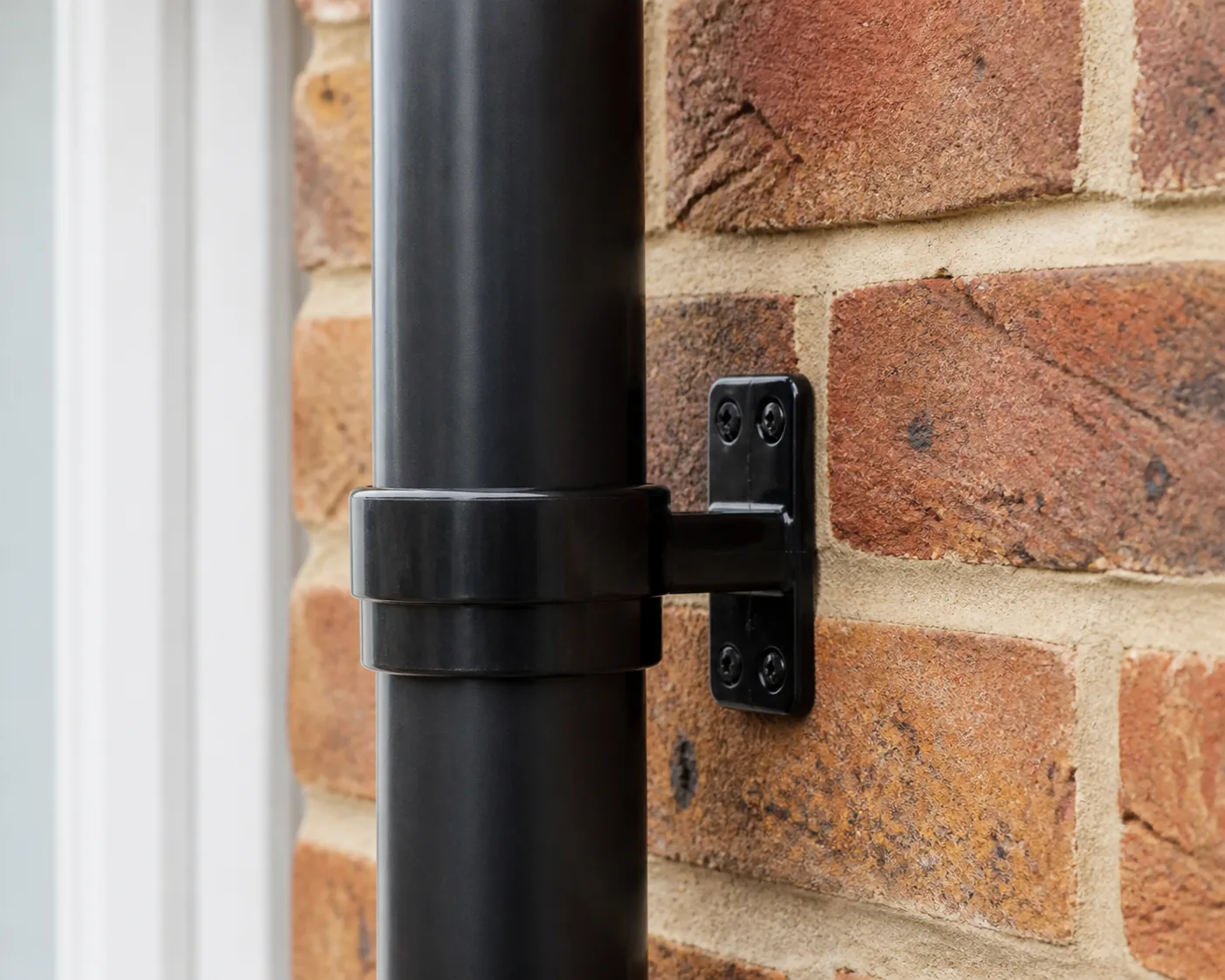
Wet leaves can settle into layers and slow water moving towards an outlet.
Loose roof moss can collect in the channel and hold other material in place.
Small twigs can bridge narrow points and trap lighter debris behind them.
Loose surface material may wash down from the roof during wet weather.
Older material can become dense and reduce the channel available for runoff.
Fine deposits can gather beneath larger debris and close to an outlet.
Structured service guide
| Part of the property | Included when agreed | Boundary to remember |
|---|---|---|
| Main eaves channel | Clear accessible everyday deposits | Only the named elevations |
| Porch, bay or addition | Treat as a selected separate run | Not implied by booking the house |
| Reachable outlet mouth | Remove loose matter where specified | Pipe interior remains separate |
| Below-ground drainage | No work within routine cleaning | Requires its own assessment |
Structured service guide
| What is noticed | Useful cleaning action | What cleaning cannot do |
|---|---|---|
| Silt and moss narrowing a channel | Remove the loose accumulation | Repair damaged guttering |
| Water escaping through a split end | Clear nearby debris if requested | Restore the broken fitting |
| Empty section holding a puddle | Confirm material is absent | Correct fall or supports |
| Open outlet with continuing backup | Keep the exposed mouth clear | Clear a concealed restriction |
Structured service guide
| Detail supplied | Why it matters |
|---|---|
| Number of independent channels | Shows how many sections need attention |
| Length and level of every chosen run | Defines the overall cleaning task |
| Route beneath each roof edge | Allows access to be considered separately |
| Spread and depth of loose material | Indicates the amount of clearing involved |
Structured service guide
| If the address has | Clarify before confirming scope |
|---|---|
| A porch or bay | Whether its lower channel is required |
| A rear addition | Whether both the new run and upper eaves are requested |
| An attached garage | Which garage edges should be included |
| Shared exterior drainage | Who can authorise the relevant communal work |
A clear service sequence
Seasonal context
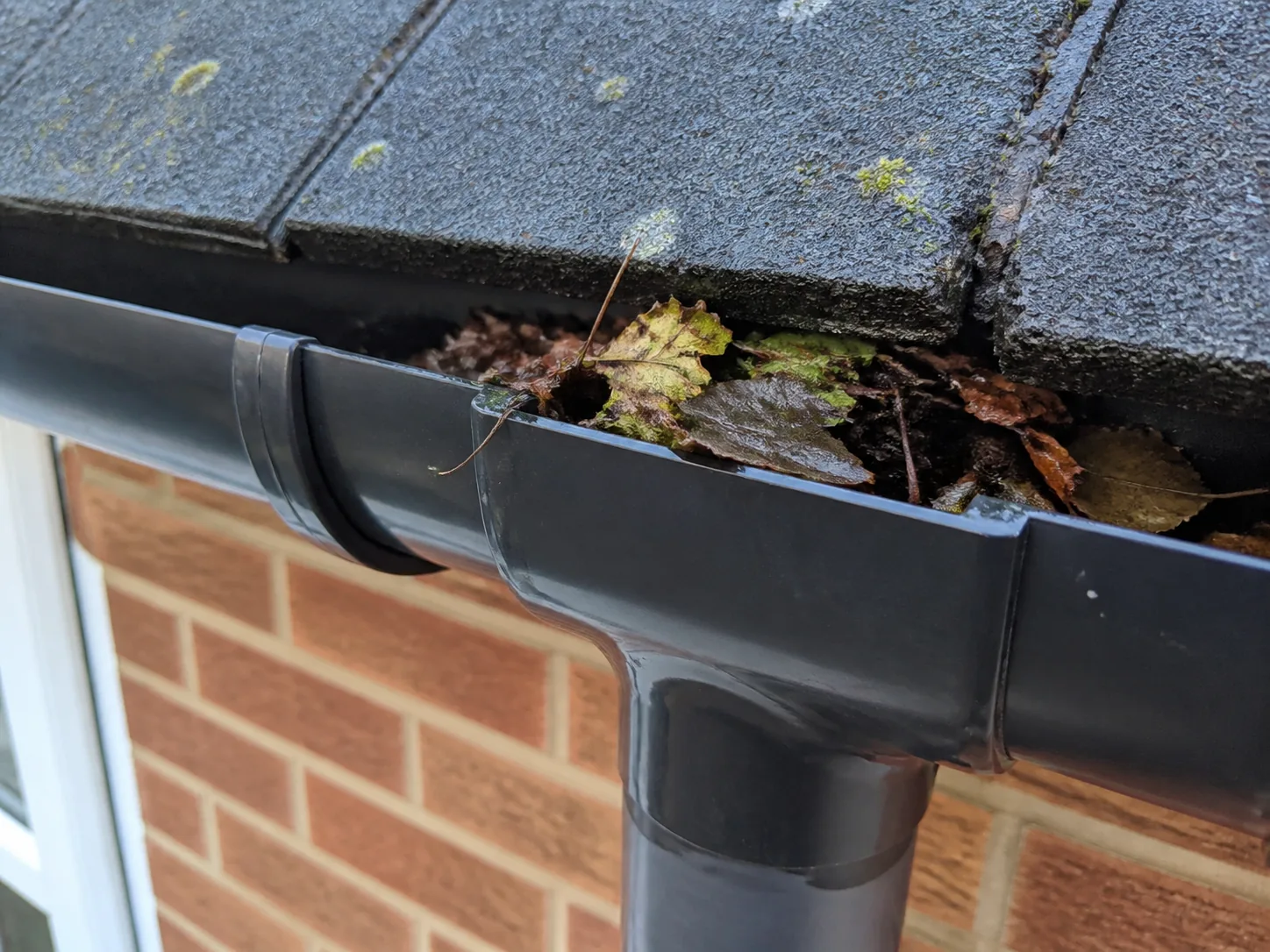
Leaf fall can create a noticeable surge, yet seeds, grit and fragments of roof moss may gather at other times. Different elevations can also collect at different rates. Future checks should follow the building's own history of build-up and overflow.
Nearby trees, roof moss, gutter shape and exposure can all affect how quickly material accumulates. A visible symptom is more useful than applying one fixed timetable to every address.
Purley service area
Nearby gutter-cleaning pages
Before booking
The agreed service clears leaves, loose moss, silt and similar routine deposits from selected accessible channels. Reachable outlet mouths are covered only when specified. Repairs, hidden pipework, underground drains, roof cleaning and excluded elevations remain outside that scope.
Not necessarily. A porch, bay or addition may have a channel at another level with a separate outlet. Identify each roof edge visible at the address so the agreement does not rely on the broad description of front or rear alone.
That run can be considered without assuming the lower channels need the same work. Report where water crosses the edge and whether debris is visible. Access and the eventual cause still need checking for that particular section.
It can be considered when its position, length and approach are described. Inclusion depends on conditions at the property and the agreed scope. The addition may also change access to an older channel directly above or beside it.
The channel may have insufficient fall, altered supports or an outlet arrangement that cleaning cannot change. Clearing creates space by removing loose material; it does not realign components or establish the condition of the concealed drainage route.
No. Removing material from a reachable mouth deals only with that exposed point. A restriction can sit farther inside the pipe or below ground, so continued backing up calls for a separate assessment of the downstream route.
Possibly, provided the person arranging the visit has authority and the communal section is clearly defined. Access through shared areas may also need agreement. Occupying one flat does not by itself confirm responsibility for the exterior rainwater goods.
Only the sections expressly listed and accepted are covered. Photographs can help explain the arrangement, but they may not show ground conditions, boundaries or obstacles. The written scope should still name the required building parts, elevations and levels.
The quote considers their total extent, separate levels, access routes and quantity of material rather than length alone. Several small channels can require individual set-up and outlet checks, so they should all be identified before the price is settled.
Use what the individual roof edges have collected before, together with nearby planting, roof condition and any recurring overflow. Because separate runs can fill differently, an observed need at one level does not impose a fixed timetable on the others.
Discuss the actual roofline
A quotation reflects the chosen runs, their combined length and levels, the practical approach to each, and how deposits are distributed. Extra roof edges add scope even when short. Component repairs, internal pipe restrictions and underground drainage are assessed as different work.
