
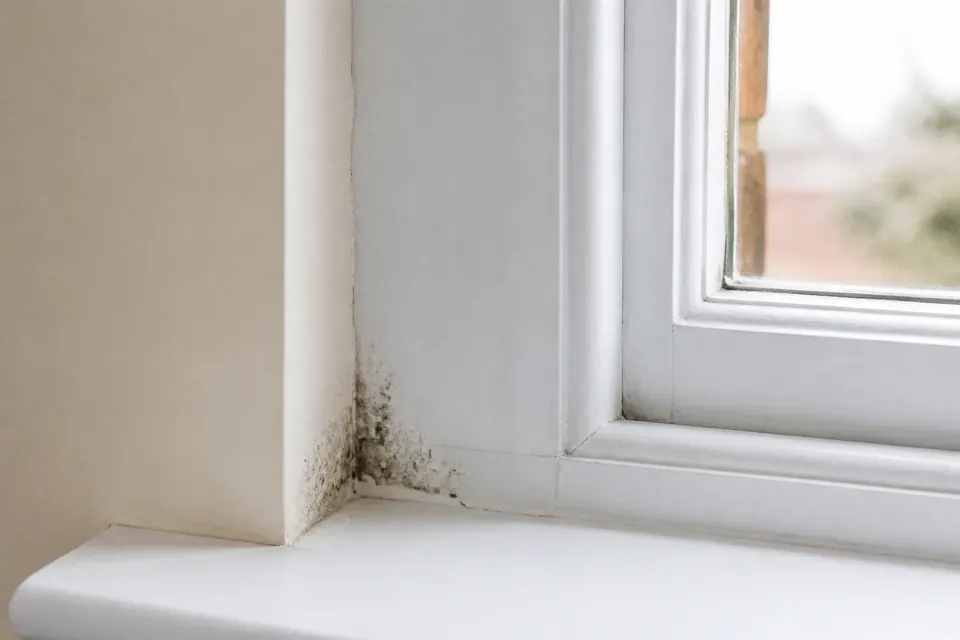
A wall near a window
State whether the confirmed repair concerned the opening or another item. The position of the mark should not rewrite the repair history.
NEW MALDEN / BETWEEN REPAIR AND SURFACE WORK
Finishing the repair and agreeing the wall treatment are separate milestones.
If a New Malden wall remains marked after a leak was repaired, bring the confirmed repair details to the enquiry. Describe what is visible now and whether its outline or material condition is changing. Do not use the repair date alone as proof of readiness: the remaining surface and any outstanding moisture question still need consideration.
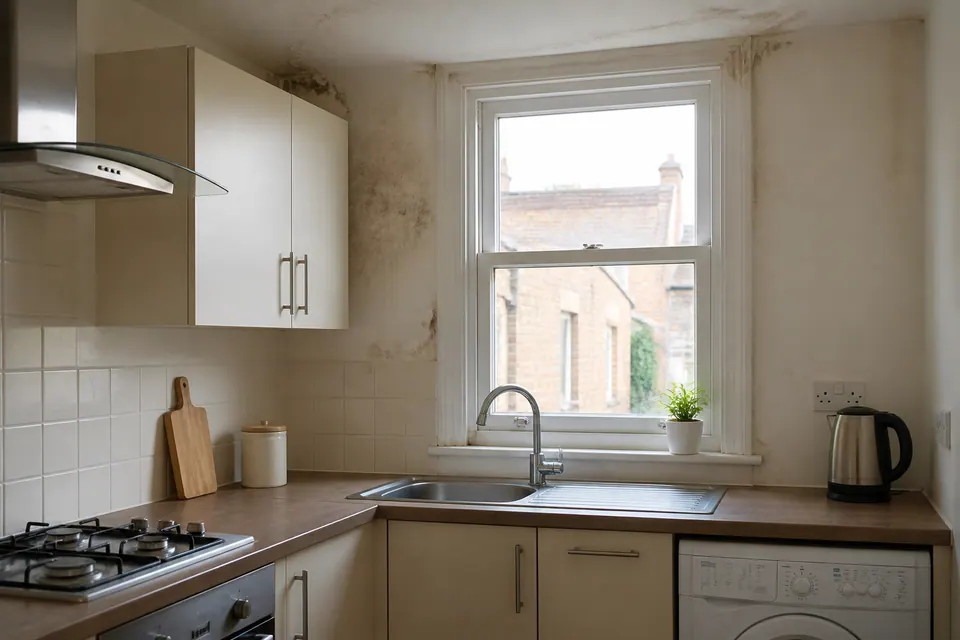
Confirmed work · current wall · open questions
01 / LOCATE THE ISSUE
Keep the repaired item, affected finish and any new observation distinguishable in the enquiry.
State whether the confirmed repair concerned the opening or another item. The position of the mark should not rewrite the repair history.
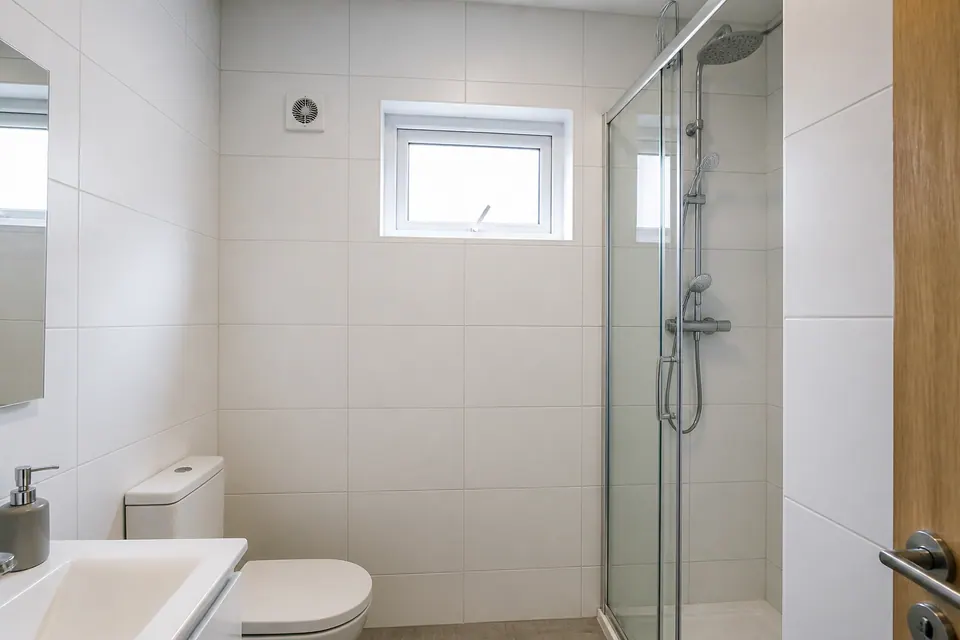
Identify the exposed coating separately from seals or fittings that were repaired. They may represent different work items.
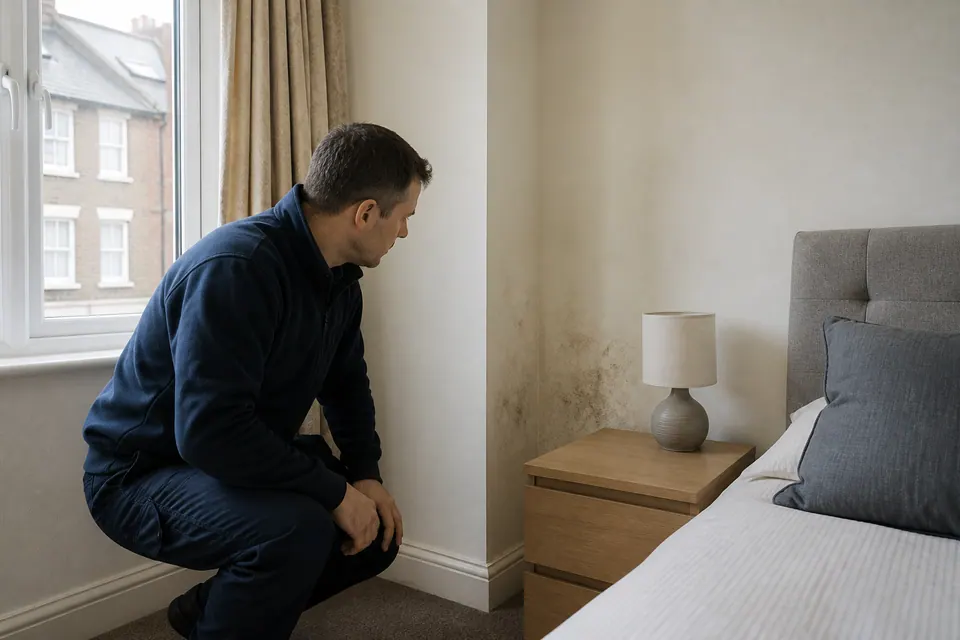
Show the current wall and furniture access. Any sleeping-space arrangement belongs in the new appointment discussion.
A repaired pipe or appliance and the adjacent wall have different records. Share both without assuming the finish is ready.
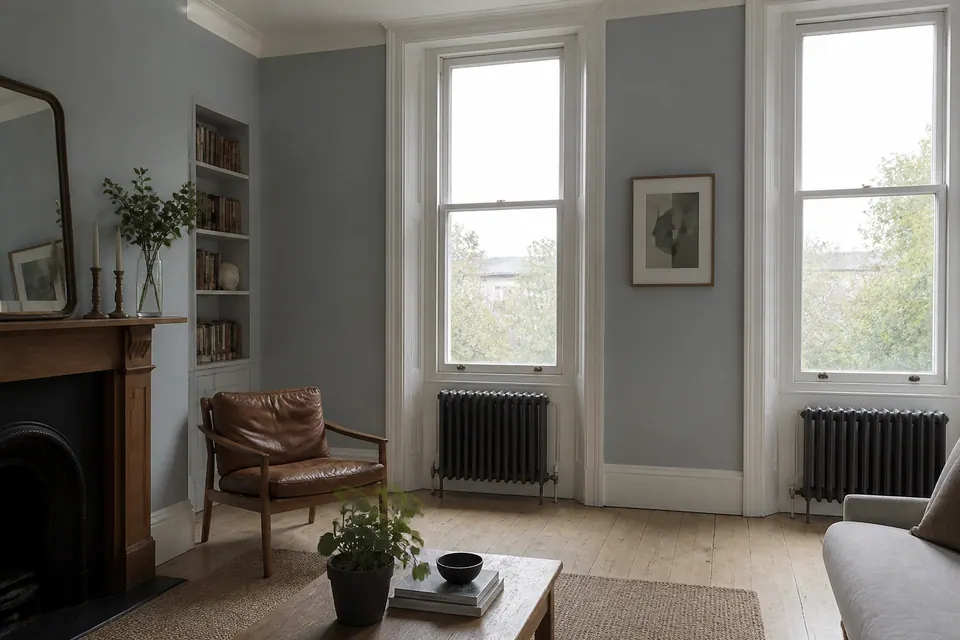
Locate the remaining marks in a wider view and say whether they changed after the documented repair.
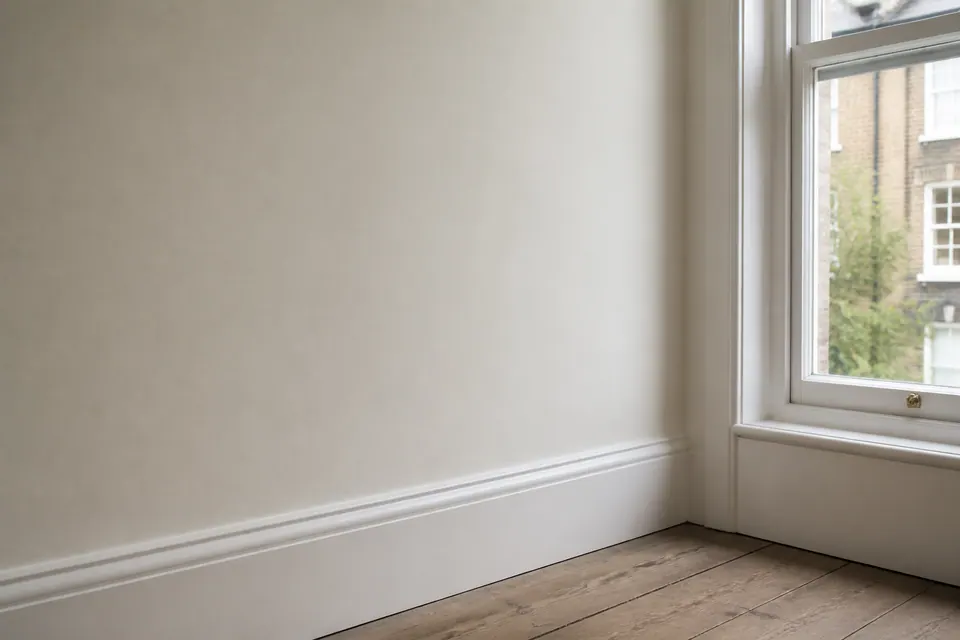
Describe visible damage and any uncertain substrate without probing or removing material for the enquiry.
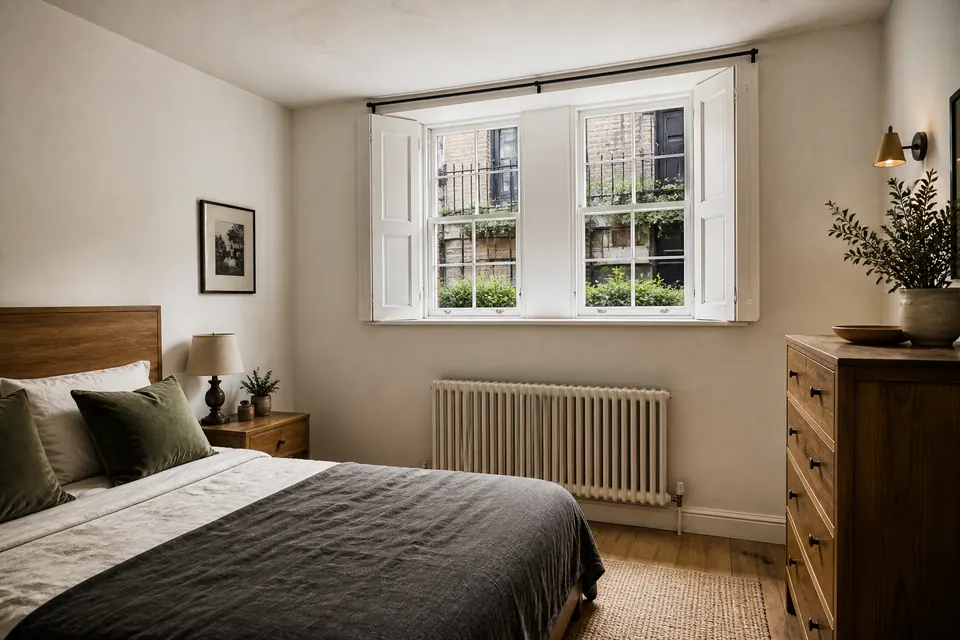
Explain where the view ends. Repair access to one item does not establish that every concealed surface was assessed.
The wall can require further assessment even when the repair itself is documented as complete.
New Malden / ACCESS & PEOPLE
It should identify what was repaired, without expanding the claim to unrelated surfaces.
Dated photographs and visible changes describe the condition now needing attention.
Ask what needs assessment before treatment or reinstatement can be agreed.
Share any changed outline or fresh water after the repair with the booking contact, keeping dates clear.
Provide established repair information and any outstanding instructions rather than summarising all work as complete.
A surface that needs replacement or decoration should remain a separate agreed item, not an assumed consequence of treatment.
New Malden / THE PROPERTY BRIEF
A completed job description can explain the repair without deciding the condition of the wall.
Share what was fixed and when, along with any relevant findings or instructions. Then describe the exposed finish independently: current marks, visible deterioration and any new wetting. Where drying status or concealed condition is unknown, leave it open. This helps coordinate the next assessment without making one trade’s completion date stand in for another decision.
04 / WHEN IT COMES BACK
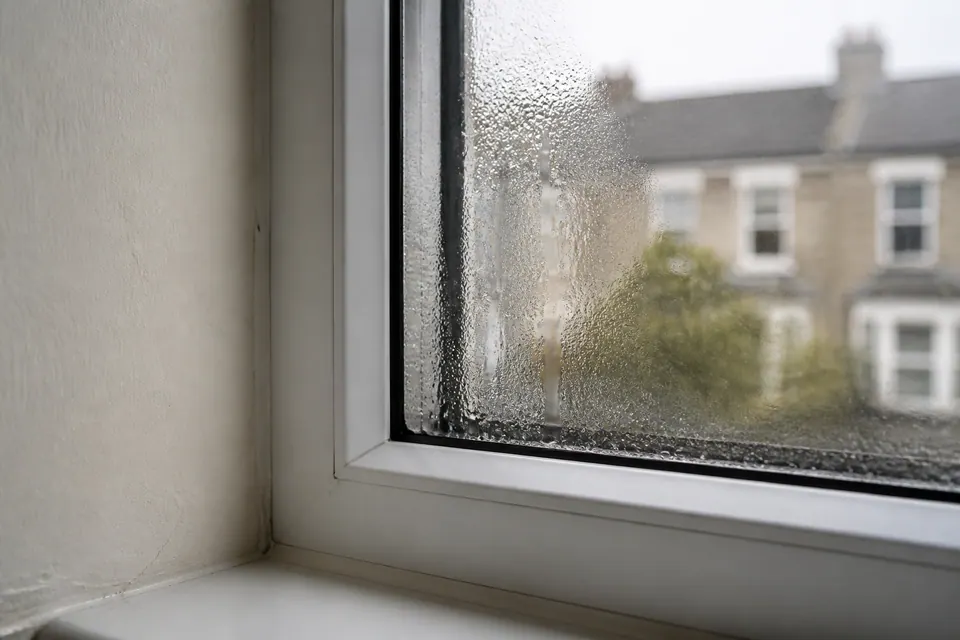
Keep the repair date and treatment date separate. Record the location and nature of the new observation, including water actually seen.
Further growth or material deterioration may require reassessment. It should not automatically be attributed to a failed repair or solved by repeating surface work without reviewing the evidence.
A clear chronology helps distinguish what was present after repair from what changed after treatment.
05 / A CONTROLLED APPROACH
Read the confirmed repair details alongside the present wall condition.
Clarify what remains uncertain and the practical requirements for the proposed surface work.
Carry out the agreed mould-removal scope without implying verification of unrelated repair work.
Clarify return instructions and any further moisture, material or reinstatement decision.
Each work item should remain traceable to its own scope.
Retain the repair record and current wall photographs together.
Identify the material and extent actually included.
Compare later changes with the relevant repair and treatment dates rather than a single combined milestone.
Illustrated stages do not certify a repaired system or a completed customer restoration.
06 / QUOTATION, NOT GUESSWORK
The quotation should identify suitable treatment separately from the completed repair and any unfinished material work. Recurring, extensive or complex conditions need assessment.
Review the main treatment service ↗| Current situation | How it is considered | Information needed |
|---|---|---|
| Small suitable exposed patch | Photos may support a quotation | Present finish and reach |
| Repeat or multiple affected areas | Assessment establishes treatment scope | Post-repair changes and locations |
| Damaged material or complex damp | Specialist quotation may be necessary | Outstanding conditions and repair records |
Confirm the total for the named next step. Completion of another job does not make its excluded surface work part of this quotation.
07 / SEPARATE THE QUESTIONS
A leak repair, remaining moisture and affected finish can require separate evidence. Keep the handover accurate.
| Information | Useful role | Limit |
|---|---|---|
| Completed repair description | Identifies the work already done | Does not confirm the whole wall’s present condition |
| Post-repair photograph | Shows the current visible finish | Does not verify concealed dryness |
| New wetting observation | A reason to raise an outstanding question | Does not by itself identify why it occurred |
| Unchanged stain | A location to compare over time | Does not alone confirm mould or readiness |
Any unresolved investigation, drying, replacement or decoration should remain a separate item in the plan.
The repair history informs the enquiry; it should not be presented as a guarantee about treatment suitability.
| Decision | Surface-treatment enquiry | Repair or moisture enquiry |
|---|---|---|
| Present target | The suitable exposed affected material | Outstanding wetness or the repaired system |
| Evidence needed | Current condition and accessible extent | Confirmed work and relevant findings |
| Not assumed | That a repaired leak restores damaged finishes | That a wall photograph verifies the repair |
| Next agreement | Named treatment work and instructions | Any further investigation or making good |
08 / ROOM-BY-ROOM CONTEXT
Describe the repaired item and current painted or sealed surface as distinct parts of the enquiry.
Include the present wall finish and arrangements for reaching it around furniture.
Share confirmed plumbing or appliance work without assuming the adjoining material has been reinstated.
Use a wider view to locate residual marks and any change after the repair.
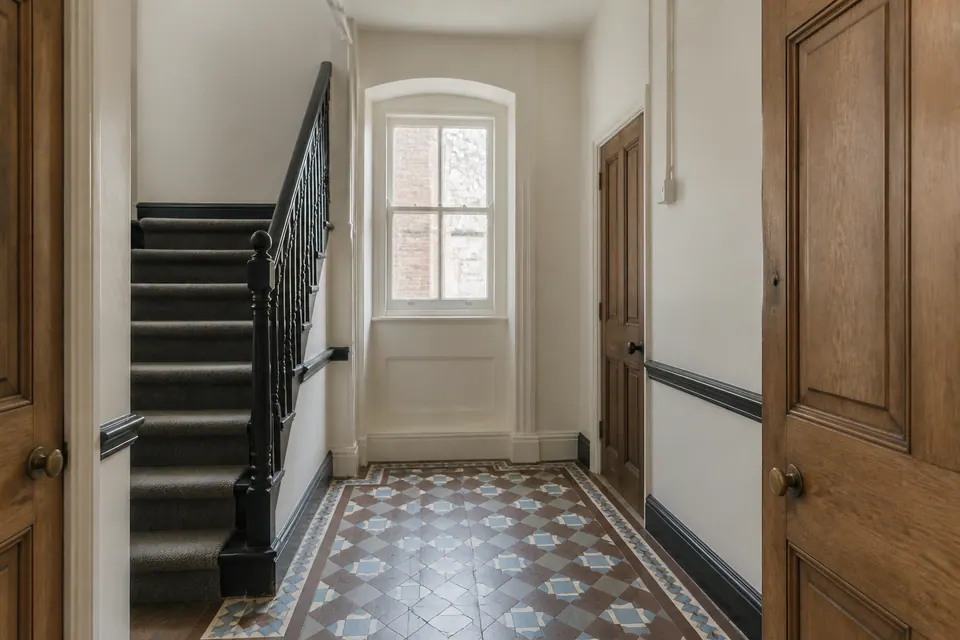
Confirm whether the affected wall is shared and who can authorise the new work.
Keep known water history and unresolved material questions clear rather than relying on a general repair statement.
09 / DIRECT ANSWERS
No. Present material condition and any outstanding moisture questions still need consideration.
The actual item and work completed, with relevant findings or instructions where available.
They can show visible condition but should not be treated as verification of concealed dryness.
Provide dated views and describe the change without diagnosing the source yourself.
No. Identify suspected growth separately from general discolouration.
Repair, replacement and decoration require explicit separate agreement.
Ask for instructions once the proposed work and material suitability have been considered.
Yes. A documented repair does not eliminate every question about the remaining surface.
New Malden / PLAN THE APPOINTMENT
Confirm availability for the New Malden postcode before scheduling the next work around other appointments.
Explain entry and any fittings or furniture that restrict the route to the wall.
Load the area map.
New Malden / BEFORE BOOKING
The repair record is useful without being asked to prove more than it does.
Describe the actual repair where known and share relevant findings, while keeping the current wall condition separate.
Provide what exists and state the gaps rather than inventing details about testing or drying.
A photograph cannot verify concealed condition, so appearance alone should not be used as readiness confirmation.
Yes. Use dated views with the wall location identifiable and describe the observed change.
Do not assume that. The agreed mould-removal scope concerns its named surfaces and does not certify unrelated repairs.
No. Keep staining and suspected mould distinct in the enquiry.
Only separately agreed work should be expected; replacement is not automatic surface treatment.
Clarify the remaining material and moisture questions before treating decoration as the next settled step.
Separate repair and treatment records, plus dated views showing the same wall location.
NEW MALDEN / DEFINE THE NEXT STEP
Send the postcode, current photographs and confirmed work information. Make any outstanding moisture or material question explicit.
Property scenes are illustrative, not evidence of customer repair completion or treatment results.
