
Known components
Identify what you can reliably name and leave uncertain construction details open.
WORCESTER PARK / WHERE MATERIALS MEET
A small window edge can contain several different surfaces.
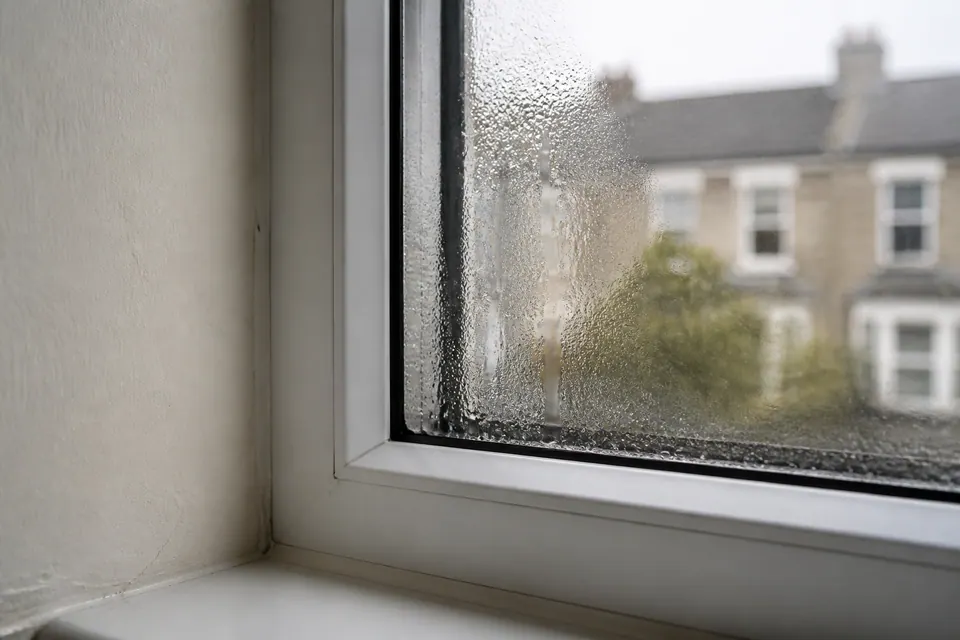
If marks cross a Worcester Park window surround, show the frame, reveal and adjoining wall individually. Timber, another frame material, painted plaster and a wall covering may need different consideration. The enquiry should identify the finish on each part rather than treat the whole opening as one uniform treatment area.
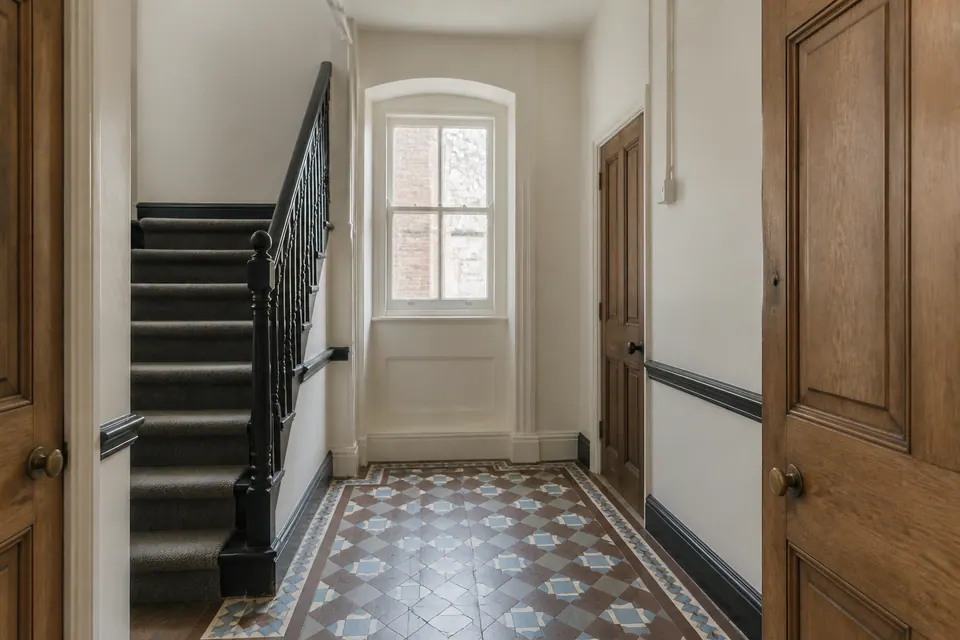
Frame · reveal · coating · covering
Worcester Park / ACCESS & PEOPLE
Identify what you can reliably name and leave uncertain construction details open.
Show damage and staining separately from suspected growth.
Check that each included surface is named and repair items are not silently assumed.
You do not need to identify every material technically; accurate photographs and stated uncertainty are useful.
Frame or seal repairs may provide context, but do not establish the condition of adjoining wall finishes.
Ask what treatment can address and what appearance or damage may need another decision.
02 / LOCATE THE ISSUE
A similar-looking mark on another material is a separate item to consider.
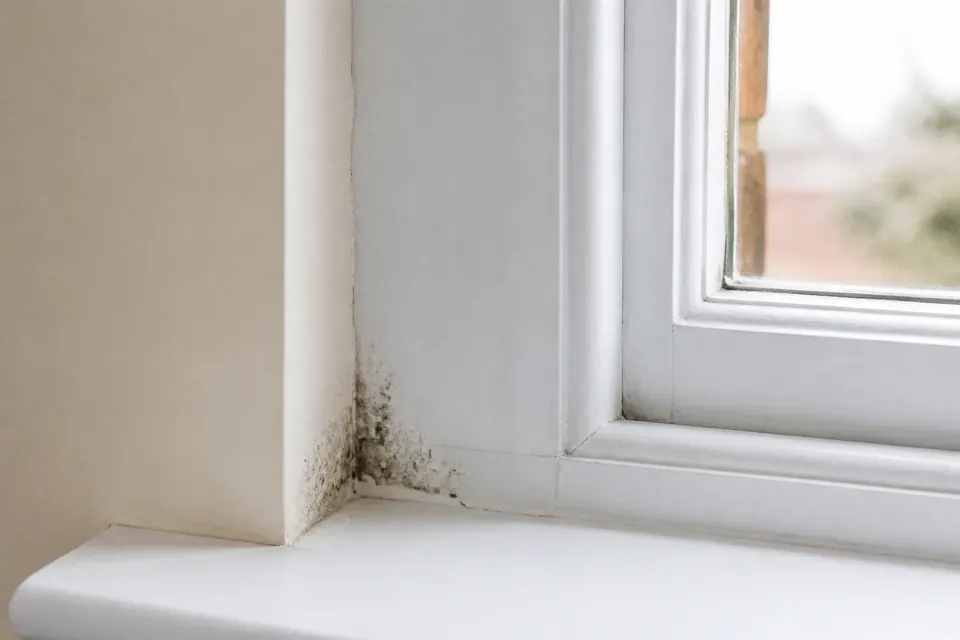
Keep frame, reveal and adjoining wall recognisable in the wider view. Do not label the entire opening as timber if only the frame is known.
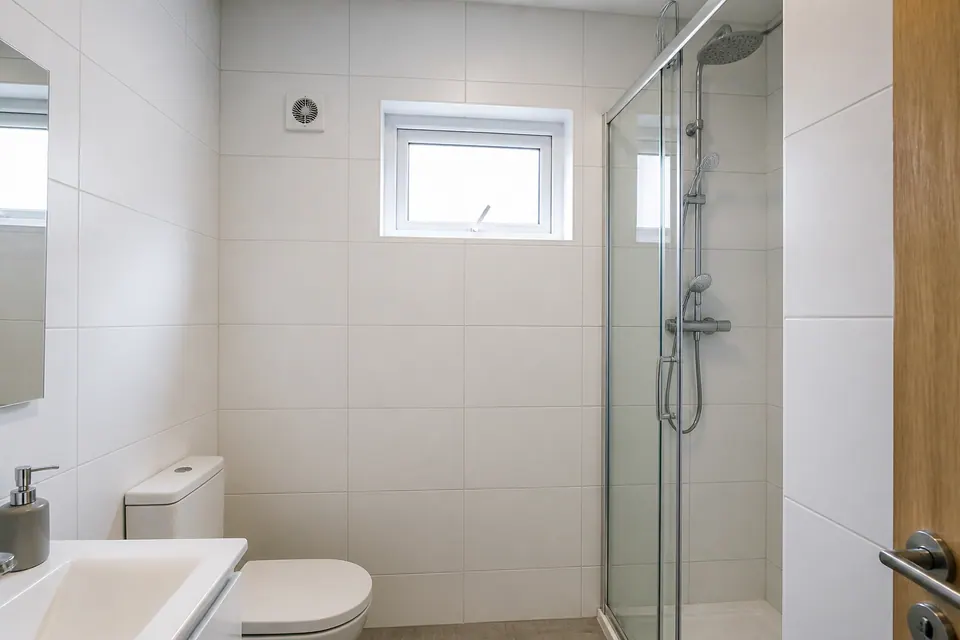
Paint, grout and flexible seals can meet within a short distance. Name them separately just as you would at a window.
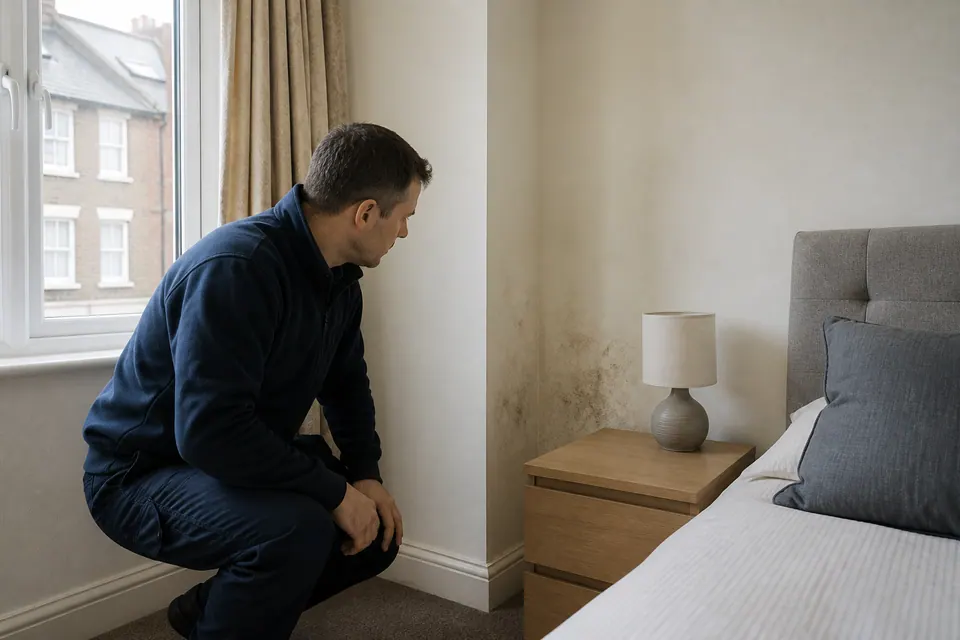
Include furniture clearance and the wall finish, without assuming furnishings receive the same treatment as the surround.
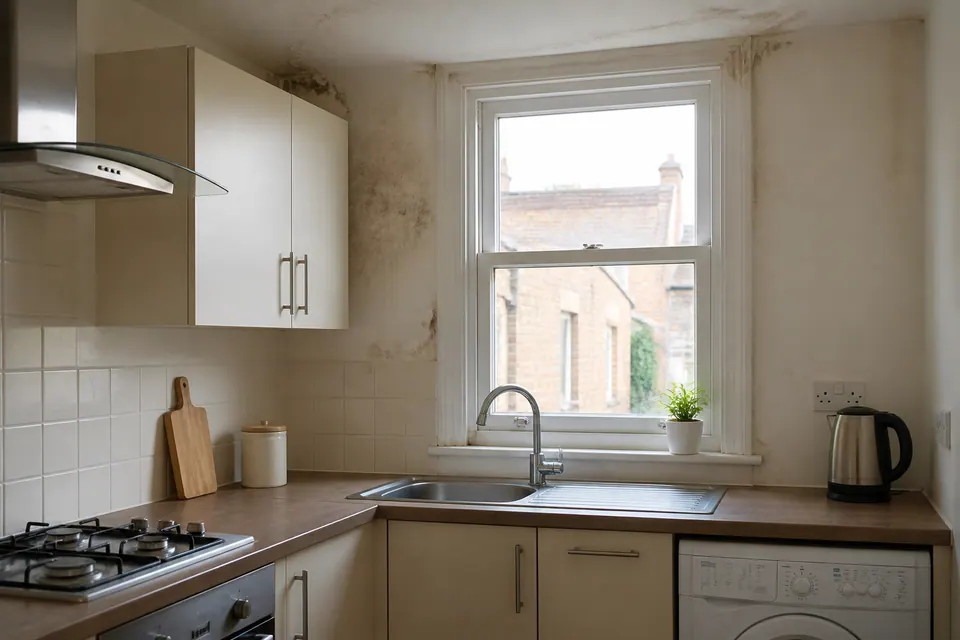
Show fixed units that restrict reach and distinguish the exposed surface from nearby fittings.
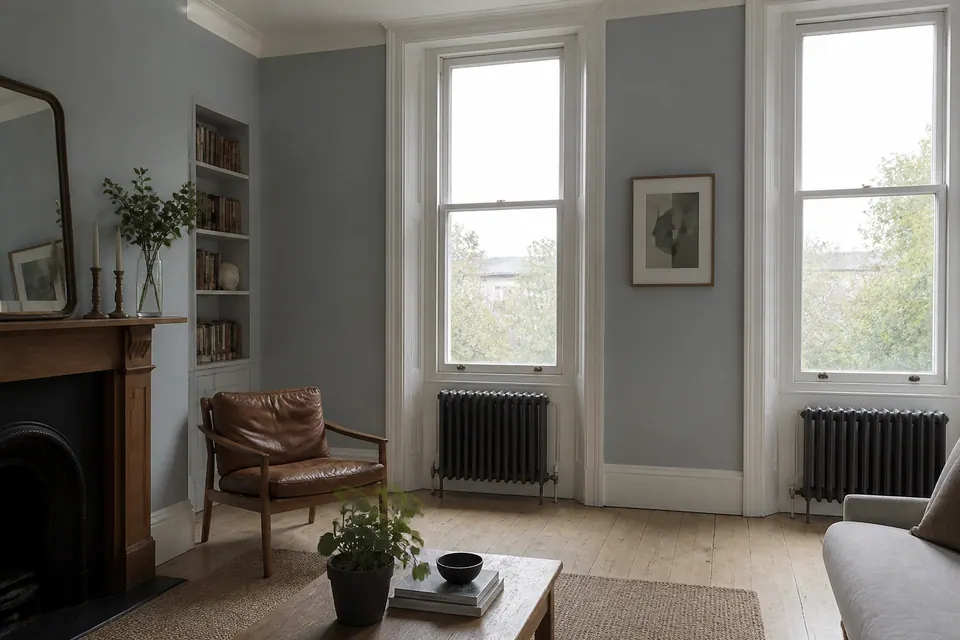
Identify coverings or decorated finishes around the opening and describe any visible damage.
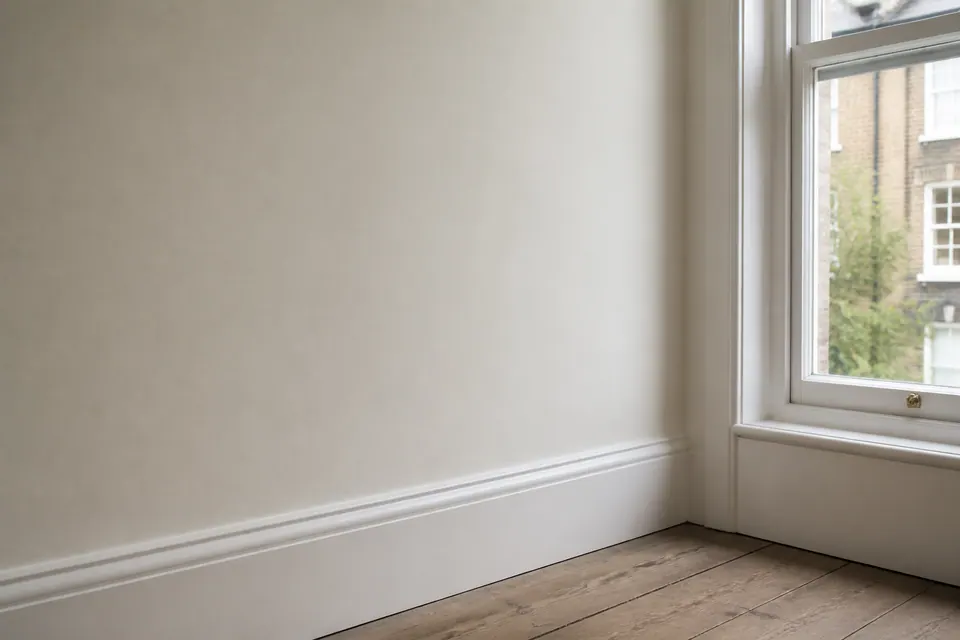
A mark continuing beyond the reveal may cross into another coating or substrate. State uncertainty rather than testing by scraping.
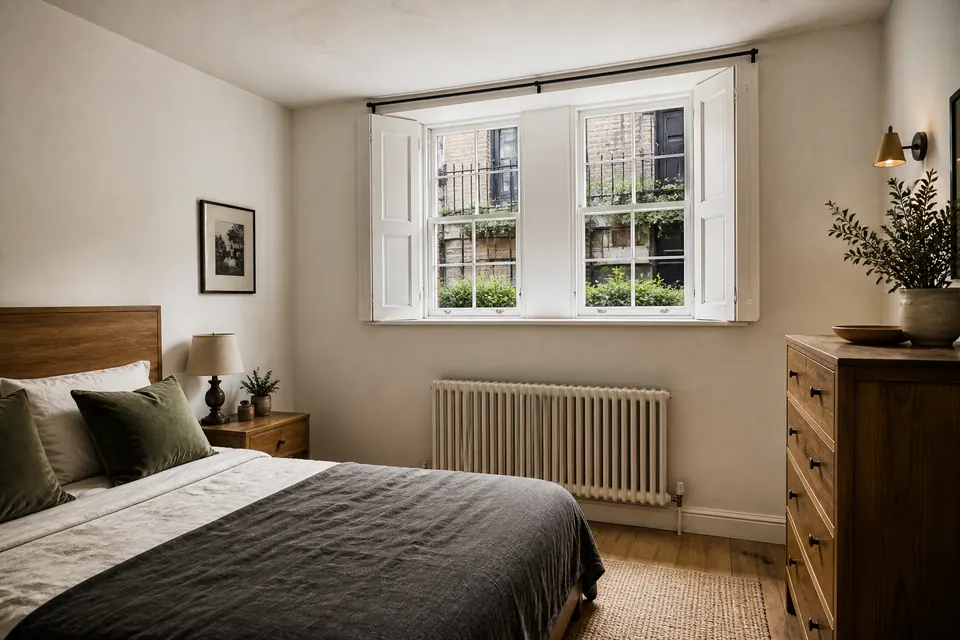
Explain where a fitting obscures the material boundary. Leave hidden portions unconfirmed.
Neither matching colour nor physical contact proves that different materials need identical treatment.
03 / SEPARATE THE QUESTIONS
The window’s components help define the surface enquiry. They do not by themselves explain why moisture is present.
| Observed detail | What it clarifies | What not to assume |
|---|---|---|
| Timber frame identified | A material to consider individually | That adjacent plaster has the same suitability |
| Marked reveal coating | The exposed finish carrying the mark | The condition behind that coating |
| Damaged seal or edge | A separate repair question | That treatment reinstates it |
| Water on one component | A located wetting observation | That it proves the source for the whole opening |
Repairing a seal, replacing damaged material and restoring decoration remain separate work unless explicitly agreed.
One follows the visible materials; the other may need a different investigation.
| Question | Mould-removal consideration | Moisture or repair consideration |
|---|---|---|
| Where? | The named affected exposed material | The part where wetting or damage is observed |
| Evidence | Clear boundary and finish photographs | Known events and relevant repair history |
| Limit | Suitability is not transferred between materials | Position does not identify a confirmed source |
| Agreement | Appropriate work for the included surfaces | Any separate repair or investigation |
Worcester Park / THE PROPERTY BRIEF
The line where two materials meet is useful to show in the photograph.
Start with the full window, then show the affected frame, reveal or adjoining wall without cutting out their boundaries. State which material is known and which is uncertain. Note damaged paint, seals or coverings separately from suspected growth. This supports a treatment scope that names suitable surfaces without promising the same result on every part of the opening.
05 / QUOTATION, NOT GUESSWORK
The number of windows does not define the treatment. A quote needs the affected extent, different finishes and practical reach.
See the main mould-removal scope ↗| Condition | How it is considered | Information to provide |
|---|---|---|
| Small suitable accessible area | Photos may support quotation | Named material and clear extent |
| Several or recurring affected parts | Assessment to establish the work | Component-by-component record |
| Damaged material or complex damp | Specialist quotation may be needed | Repair questions and current finish |
Confirm the total and named components. A window reference should not imply treatment or restoration of every adjoining material.
06 / DIRECT ANSWERS
Describe it together for context, but identify the constituent materials so the scope can be specific.
Say so and provide clear views rather than guessing at its construction.
Not necessarily. Material and condition need separate consideration.
Do not assume repair is included in surface treatment; raise it as a separate item.
Discuss appearance limitations rather than expecting every component to look newly restored.
No. Describe what is visible and leave concealed material unknown pending assessment.
Only explicitly agreed work should be expected. Treatment is not a general repair service for the opening.
Report the observation without deciding the source from position alone.
07 / A CONTROLLED APPROACH
Review the opening in context and distinguish the exposed finishes carrying marks.
Clarify furniture or fixed obstacles and preparation without scraping or dismantling for the enquiry.
Apply the agreed work to confirmed appropriate materials without assuming identical treatment throughout.
Explain relevant instructions and any separate damage, staining or moisture decision.
A component-level scope helps later photographs relate to the actual work.
Retain a wider view and the separate affected-material images.
Keep included components distinct from repairs and excluded finishes.
Identify which material changed rather than referring only to the window as a whole.
Illustrations describe treatment stages, not verified restoration of customer window components.
08 / ROOM-BY-ROOM CONTEXT
Keep paint, grout and seals separate, even when the affected areas touch.
Identify the opening’s finishes and furniture clearance without extending the scope to belongings.
Show the exposed surround and fixed obstacles; nearby fittings are not automatically part of the work.
Describe painted or covered wall areas adjoining the frame, including any visible damage.
Name the affected finish and confirm permission where access is shared.
Give the known water history independently of the visible frame and wall materials.
09 / WHEN IT COMES BACK
Identify the material and whether it was included before. Growth on an adjoining surface should not automatically be reported as recurrence on the treated component.
Record any water actually seen and changes to the finish. Continuing moisture or damage may require further assessment beyond repeating the same surface work.
Frame, reveal and adjoining wall describe different places and help make a follow-up precise.
Worcester Park / PLAN THE APPOINTMENT
Confirm availability for the Worcester Park postcode before arranging the visit.
Mention floor level, the height of the affected opening and obstacles restricting reach.
Load the area map.
Worcester Park / BEFORE BOOKING
The enquiry can stay accurate even where a material is unknown.
Only state what you know. Clear photographs are preferable to an invented material description.
It locates each component and makes the close-ups easier to interpret.
That depends on their material and condition; do not assume suitability transfers between them.
Do not strip a covering for the enquiry. Show its visible condition and ask about preparation.
Raise them separately and confirm any repair explicitly rather than assuming it follows from treatment.
Discuss finish limitations beforehand; treatment should not be presented as guaranteed cosmetic restoration.
No. Record the water and timing without using location alone as a diagnosis.
Describe the obstruction and ask about clearance before moving heavy or apparently affected items.
Name the component and whether it was included in the earlier scope, with a wider view for location.
WORCESTER PARK / FOLLOW THE SURFACE BOUNDARIES
Send the postcode, a full-window view and separate images of the affected materials. Keep damage and unknown construction details clear.
Window and room illustrations are not customer treatment or component-restoration photographs.
