
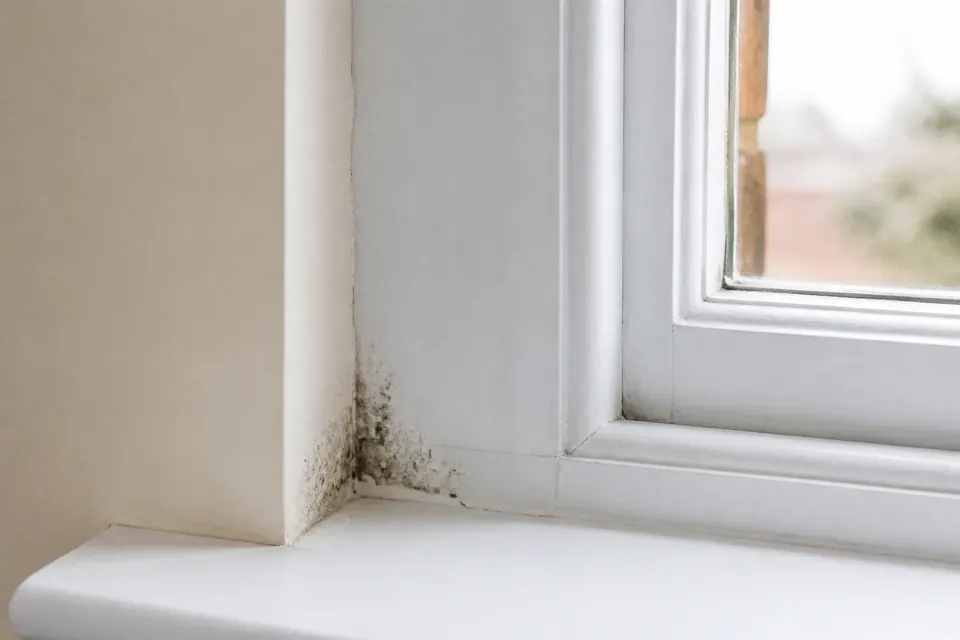
At the window
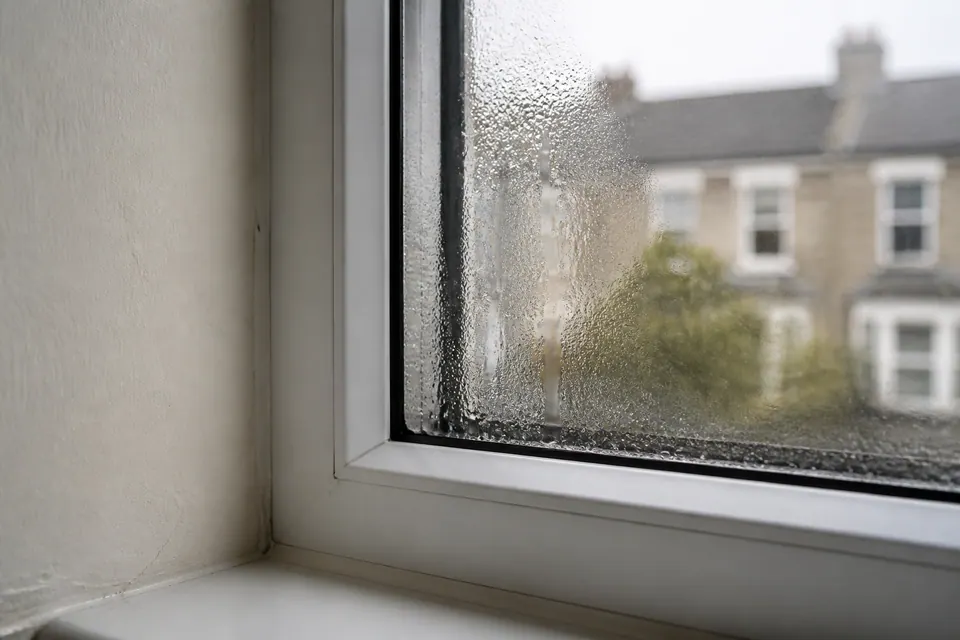
Identify frame and reveal separately. Check whether the earlier record named either surface before calling the mark a recurrence.
SOUTHGATE / UNDERSTAND THE EARLIER WORK
An earlier visit is useful history, not a complete explanation.
If bathroom marks need attention after previous work in Southgate, begin with what is actually known about that visit. The date, named surfaces and instructions can help, even when the method is unknown. Show the current condition and distinguish returning marks from areas that may never have been included.
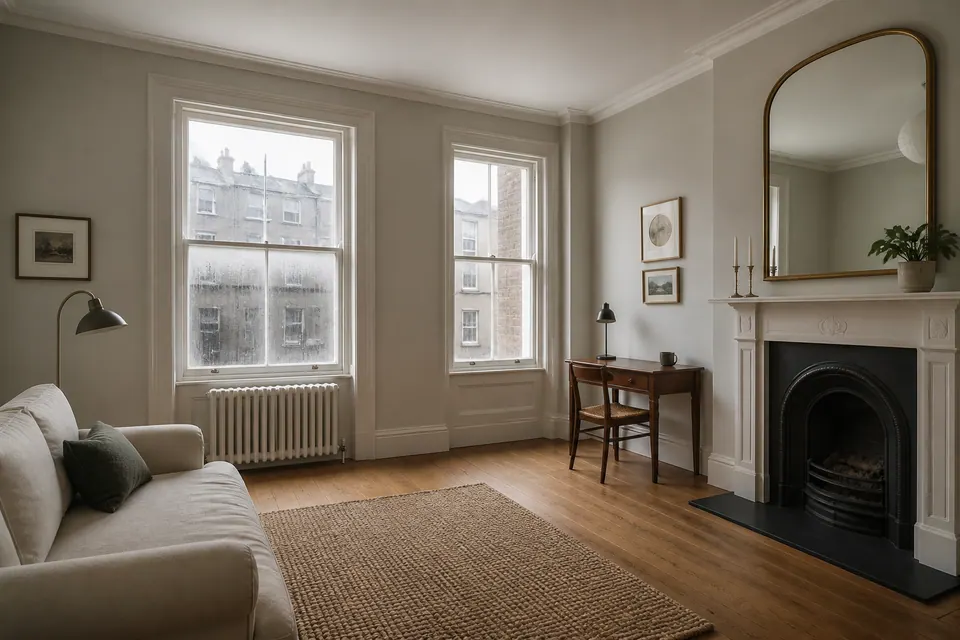
Work record · surface location · present finish
01 / LOCATE THE ISSUE
A previous room-level description should not replace a current material-by-material view.
Identify frame and reveal separately. Check whether the earlier record named either surface before calling the mark a recurrence.
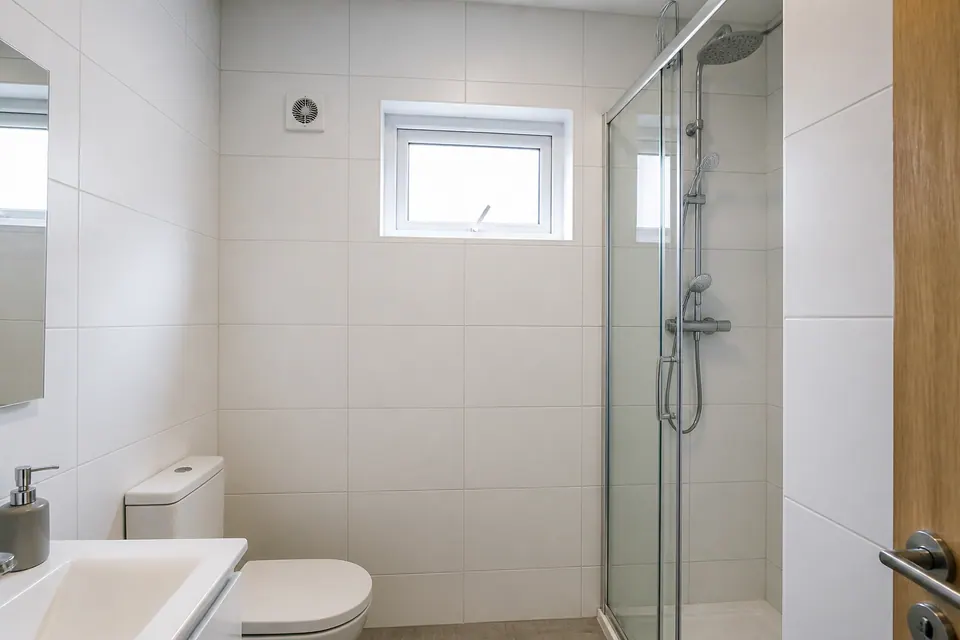
Show paint, grout and seals as distinct materials. A treatment of one does not imply inclusion of the others.
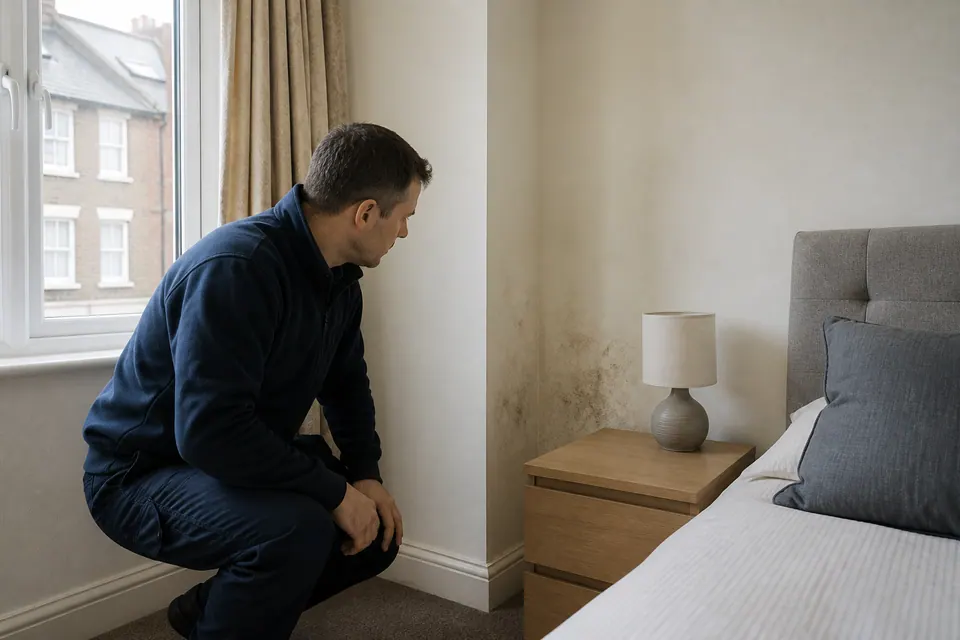
If marks also appear outside the bathroom, create a separate location record rather than extending the previous scope.
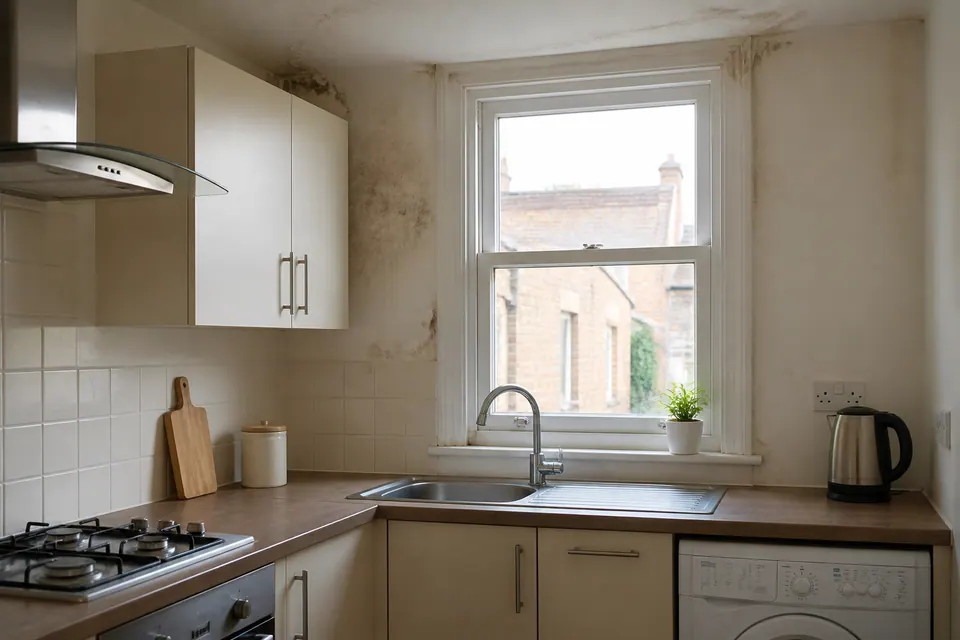
Describe their own history and current condition; unrelated earlier bathroom work cannot establish their suitability.
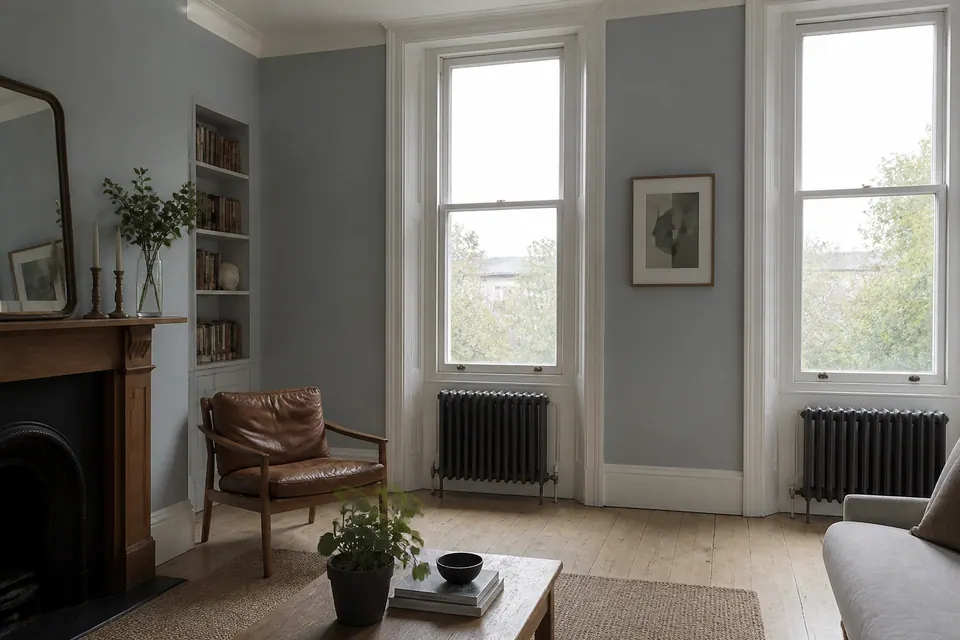
A newly visible mark needs its own material and access description, even if another room was treated before.
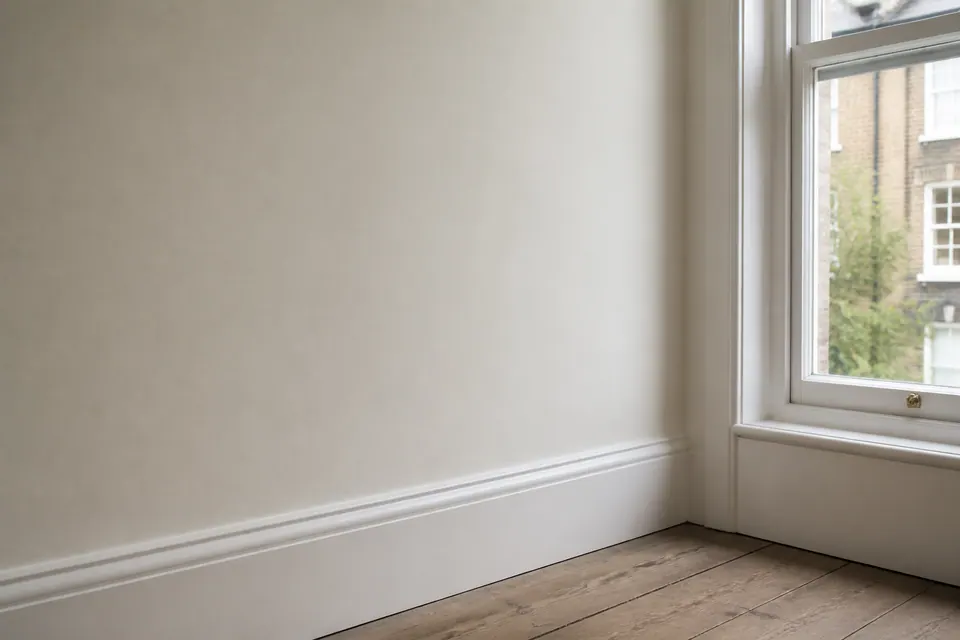
State whether the ceiling was named in the earlier work and show its present finish from an accessible position.
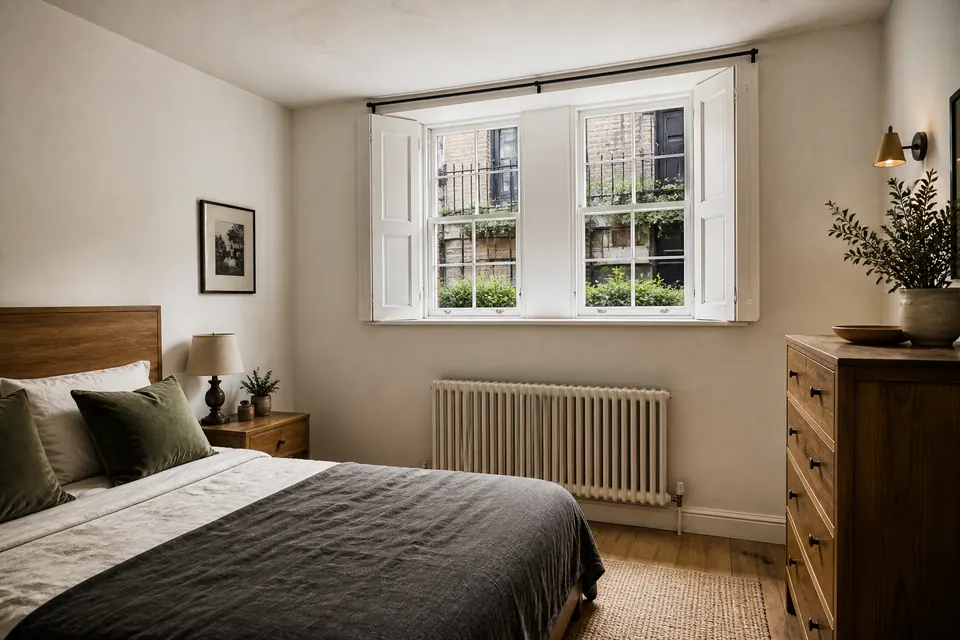
Explain what is currently visible and what remains concealed. Do not assume an old visit inspected hidden backing.
Keep gaps in the history explicit. They are better resolved through assessment than through invented certainty.
Southgate / THE PROPERTY BRIEF
“The bathroom was treated” may describe a much smaller area than the room itself.
Look for a description of the surfaces included and any preparation or return instructions supplied. If those details are unavailable, say so and provide the current photographs instead. Avoid guessing at products or methods. The next assessment should review the finish now present and whether the marks occupy the earlier area, an adjoining material or a new location.
03 / SEPARATE THE QUESTIONS
The earlier scope, present growth and current wetting observations answer different questions. Keep all three clear.
| Available record | What it establishes | What it does not establish |
|---|---|---|
| Appointment date | When work was arranged or undertaken | The exact material treated without a scope |
| Named surface | An area to compare with current photographs | The condition of every nearby surface |
| Written instructions | Guidance associated with that work | A confirmed explanation for later marks |
| Unknown method | A gap to state honestly | Permission to guess which product was used |
Material damage or unresolved moisture may require a different decision from the earlier surface treatment.
Neither should be rewritten to fit a conclusion about why the bathroom changed.
| Point | Earlier surface work | Current moisture or repair issue |
|---|---|---|
| Evidence | The named area and available instructions | Water observations and known repair history |
| Present review | Whether the same finish remains suitable | Whether an unresolved condition needs assessment |
| Limit | An appointment does not imply every surface was included | Recurrence alone does not identify the source |
| Next agreement | A new explicit treatment scope | Any separate investigation or repair |
04 / DIRECT ANSWERS
Say it is unknown. Provide available records and current photographs instead of guessing at products.
Not necessarily. Look for the named scope and keep unlisted areas unconfirmed.
Locate it relative to the earlier area and describe the material now carrying the mark.
Seek advice based on the current condition; do not mix products or assume the previous method remains appropriate.
Yes. State whether the present coating differs from the one involved in the earlier work.
Share them, but obtain the applicable guidance for the newly agreed work.
Only work explicitly agreed should be assumed; moisture repair and reinstatement remain separate decisions.
No permanent outcome should be assumed where relevant moisture conditions remain unresolved.
05 / QUOTATION, NOT GUESSWORK
An earlier price or scope should not automatically be carried forward. Returning marks need assessment of present extent, material and any outstanding questions.
Check the main mould-removal service ↗| Situation now | How it is considered | Relevant detail |
|---|---|---|
| Small new suitable exposed area | Photographs may support a quote | Material and accessible extent |
| Returning or multiple marks | Assessment before defining work | Earlier scope and current comparison |
| Damaged material or complex damp | Specialist quotation may be required | Changed finish and unresolved conditions |
Confirm the total, included surfaces and instructions for this work, without assuming the earlier agreement applies unchanged.
06 / A CONTROLLED APPROACH
Review the available history and identify where the present marks sit.
Agree access, preparation and room use based on the current bathroom, not an old assumption.
Carry out the newly agreed surface work without silently expanding it to other finishes.
Explain applicable return instructions and remaining moisture or repair questions.
A clear scope now can reduce uncertainty in any later enquiry.
Keep old paperwork with current location photographs.
Identify included surfaces and any exclusions explicitly.
Retain the new instructions separately from earlier guidance.
The illustrations describe stages, not proof of earlier or completed customer treatment.
07 / WHEN IT COMES BACK
Locate it against the newly agreed area and state whether the coating or surrounding conditions changed. A new surface should not automatically be called a failure of earlier work.
Continued moisture can allow further growth. Keep actual observations and relevant records available for reassessment instead of applying an assumed explanation.
Different appointments may cover different surfaces and instructions; combining them can obscure what was done.
08 / ROOM-BY-ROOM CONTEXT
Compare the current materials with those actually named in the previous work.
Provide a separate condition and access record if it is now affected.
Its finishes and water history require their own description rather than the bathroom’s history.
Identify any new patch and furnishings restricting access to it.
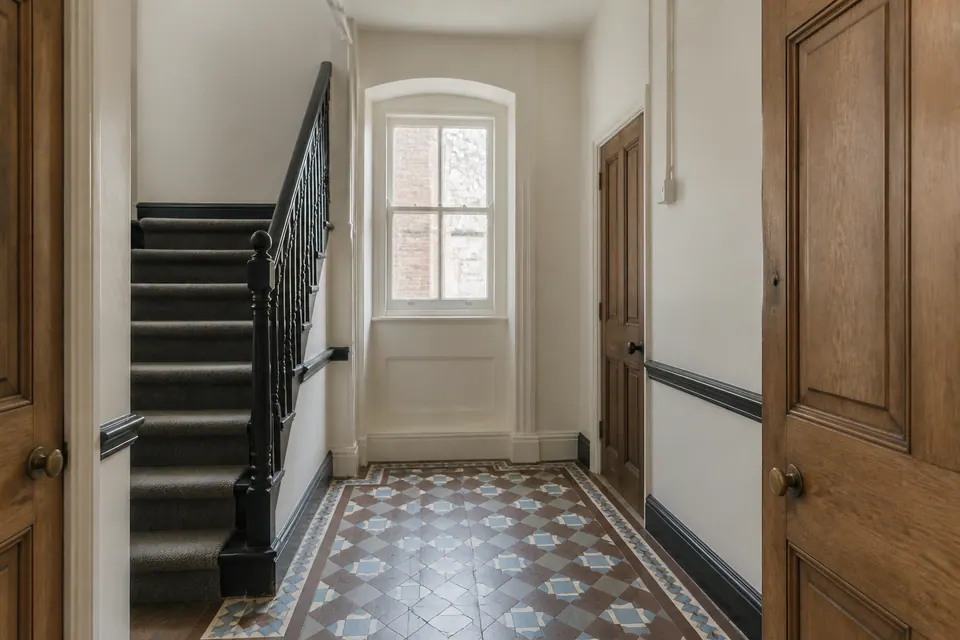
Check whether it was ever included and whether current access needs shared permission.
State its own known conditions without treating an earlier bathroom visit as a property-wide assessment.
Southgate / ACCESS & PEOPLE
May have the scope or instructions that identify what was actually agreed.
Can describe changes in the finish and practical room use since then.
Should bring these facts together while keeping unknown details open.
Current photographs and room-use constraints matter even where the earlier paperwork is incomplete.
Provide relevant records rather than a broad assertion that every bathroom surface was previously treated.
Review present material and moisture questions before treating repetition of the old appointment as the answer.
Southgate / PLAN THE APPOINTMENT
Confirm availability using the Southgate postcode before planning another appointment.
Mention current building access and bathroom restrictions, even if a previous visit took place.
Load the area map.
Southgate / BEFORE BOOKING
Incomplete records can still support an honest, practical enquiry.
Give the approximate date and what you reliably know, then focus on the current condition.
No. Keep it unknown unless documented; do not guess from smell or appearance.
Yes. Identify its material and location separately from the previously named surface.
It can. Mention redecoration and show the coating now present.
Obtain guidance for the current agreed work rather than assuming earlier instructions still apply.
Follow the applicable return guidance for the new work; immediate reuse is not guaranteed.
No. Record wetting observations and leave the cause for appropriate assessment.
The current extent, material and scope need confirmation; do not assume an old quotation carries forward.
The named scope, date and instructions, with photographs that identify the included areas.
SOUTHGATE / BRING THE HISTORY, KEEP THE GAPS HONEST
Send the postcode, current photographs and any relevant previous instructions. Explain what is known and what remains uncertain.
Bathroom illustrations are not records of previous customer appointments or treatment results.
