
A bedroom with a freestanding wardrobe
Describe the current gap and whether heavy movement would be needed. Do not promise preparation that cannot safely be arranged.
North Finchley / BEDROOM AND STORAGE
The wall, the wardrobe and its contents are different parts of the enquiry.
If spotting appears beside bedroom storage, describe which surface is marked and what remains hidden. Do not assume a quotation for the wall also covers furniture, fabrics or every stored item. A clear account helps establish suitable work without asking you to empty or dismantle the room first.
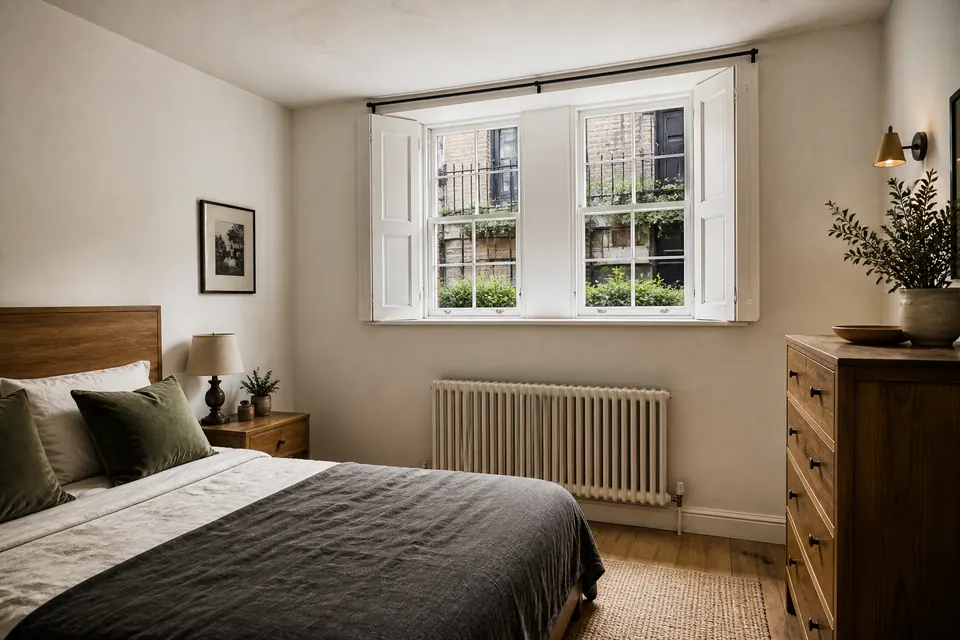
Building surface · furniture · belongings
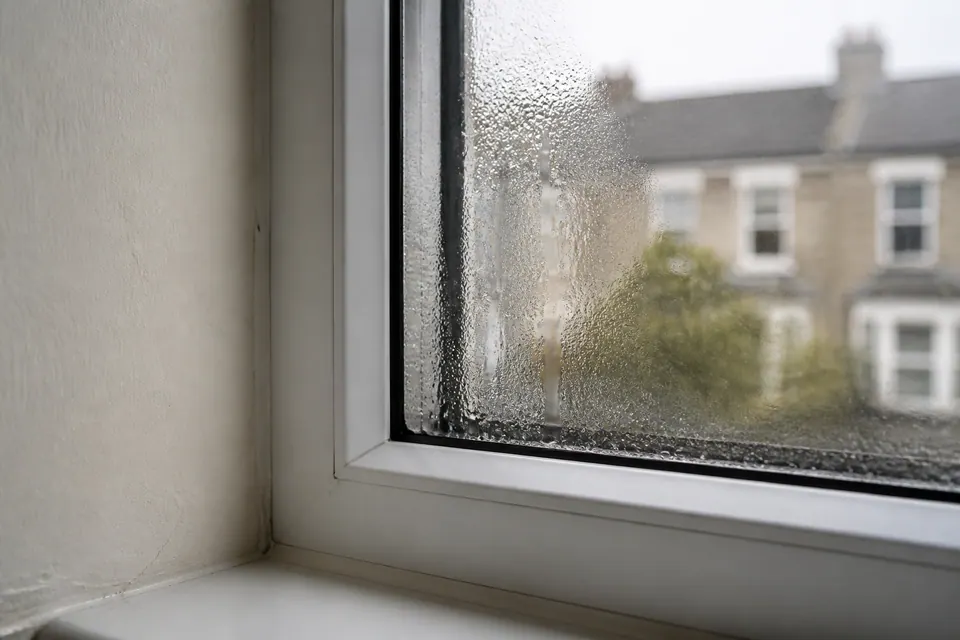
01 / WHEN IT COMES BACK
Record whether it is on the same wall face or on a different material. Keep the location identifiable even if the furniture has moved. Include earlier treatment, decoration and known water events as separate facts rather than a single statement that the room was done.
Continuing moisture can allow growth to return. Repeated marks should not automatically lead to the same clearance exercise without consideration of the present condition and any unresolved source.
A dated wider view can help distinguish the original wall position from a newly noticed mark on furniture or another room edge.
North Finchley / ACCESS & PEOPLE
Describe the current gap and whether heavy movement would be needed. Do not promise preparation that cannot safely be arranged.
Identify fixed panels and the limited view. Work behind them or replacement of their materials is not automatically included.
Make sure the agreed preparation is communicated clearly. Belongings should not be moved or included on another person’s assumptions.
Identify the marked surface and observations you actually have. A technical cause or responsibility decision is not required to report it.
Keep the included surfaces and preparation instructions with the booking, especially if someone else will provide entry.
Separate furniture replacement, redecoration and building repairs from the surface-treatment enquiry.
03 / DIRECT ANSWERS
Do not assume it. Identify concerns about belongings separately and ask what can be considered rather than relying on their presence in a photograph.
Not automatically. Describe the obstruction and ask what preparation is appropriate for the proposed work.
Say that the view is limited. A wider image may help locate the concern, but do not dismantle the unit to supply certainty.
Photographs may support a quotation for a suitable accessible area. Multiple positions, recurrence or damaged material may need assessment or a specialist quotation.
No. It is useful layout information, not a complete moisture diagnosis.
Painting over the concern is not a substitute for appropriate treatment and consideration of moisture. Clarify preparation before altering the finish.
Replacement is not automatically part of mould removal. Describe the damage and clarify any separate material work.
Follow the instructions for the actual treatment and preparation. Do not assume immediate return or a standard waiting period.
04 / A CONTROLLED APPROACH
Review the visible face, its condition and the distinction between the building surface and nearby storage.
Clarify what needs to be accessible and who can arrange it safely. Heavy or fixed units should not be treated as routine loose belongings.
The assessed scope defines the surface work. Other materials or newly revealed positions need clarification rather than automatic inclusion.
Keep any moisture considerations, belongings concerns and repair requirements distinct so the next steps are understandable.
An illustrated clean room does not mean every object in that room forms part of a treatment.
Locate the actual marked face.
Follow the agreed clearance instructions.
Treat the included accessible surface.
These illustrations explain the sequence; they do not document a customer’s bedroom or promise treatment of stored possessions.
North Finchley / THE PROPERTY BRIEF
One marked corner does not describe every possession.
Start with a wider image of the position and a detail of the visible concern. Explain whether storage is freestanding or fitted and what preparation you can realistically arrange. If several household members use the room or its cupboards, ensure that any agreed instructions reach the people who need to act on them.
North Finchley / PLAN THE APPOINTMENT
Send the postcode and describe the marked position, storage arrangement and normal access to the room when asking about a visit.
Agree the scope and practical preparation before emptying cupboards, moving heavy furniture or arranging separate replacement work.
Load the area map.
07 / QUOTATION, NOT GUESSWORK
Explain the visible building surface and raise any furniture or belongings question separately. A room name is not an inventory, and a small-patch quotation should not be interpreted as covering every object stored nearby.
Check how the main service defines treatment scope ↗| What is described | How it may be considered | What needs separate agreement |
|---|---|---|
| Small suitable exposed wall area | Photographic quotation may be possible | Furniture and personal belongings |
| Several positions or repeated growth | Assessment of the actual extent | Any added or concealed area |
| Damaged layers or complex moisture | Specialist quotation where required | Repairs and material replacement |
Confirm what is included before clearing the room. Separate questions about contents should receive a clear answer rather than become assumptions about the price.
08 / SEPARATE THE QUESTIONS
The position of storage is useful context, but it does not prove why a mark developed. Record actual observations and known events without assigning a cause to every object nearby.
| What is visible | Helpful distinction | What remains to assess |
|---|---|---|
| Spots on an exposed wall strip | Wall rather than wardrobe backing | Extent and suitable treatment |
| A mark on a storage panel | Furniture rather than building fabric | Material suitability and separate scope |
| Belongings obscuring a corner | Unseen rather than confirmed affected | What access is required |
| A patch noticed after unpacking | Discovery rather than known onset | Earlier condition and moisture context |
A duvet, book or storage box shown near a marked wall is not automatically part of the treatment request. Mention concerns about belongings explicitly so the response can distinguish them from the building surface.
A surface may need suitable treatment while the surrounding moisture conditions require further consideration.
| Question | Mould | Damp |
|---|---|---|
| Condition | Possible fungal patches on a particular material | Excess water in the material or environment |
| Observable detail | Location and visible dimensions | Wetness, staining or relevant history |
| Important limitation | Unseen contents are not a confirmed extent | Location alone does not identify the source |
| Useful next step | Assess the actual suitable surface | Clarify any investigation or repair requirement |
09 / LOCATE THE ISSUE
A photograph beside storage can show several materials at once. Explain which one concerns you so furniture and belongings do not become an assumed part of a wall-treatment request.
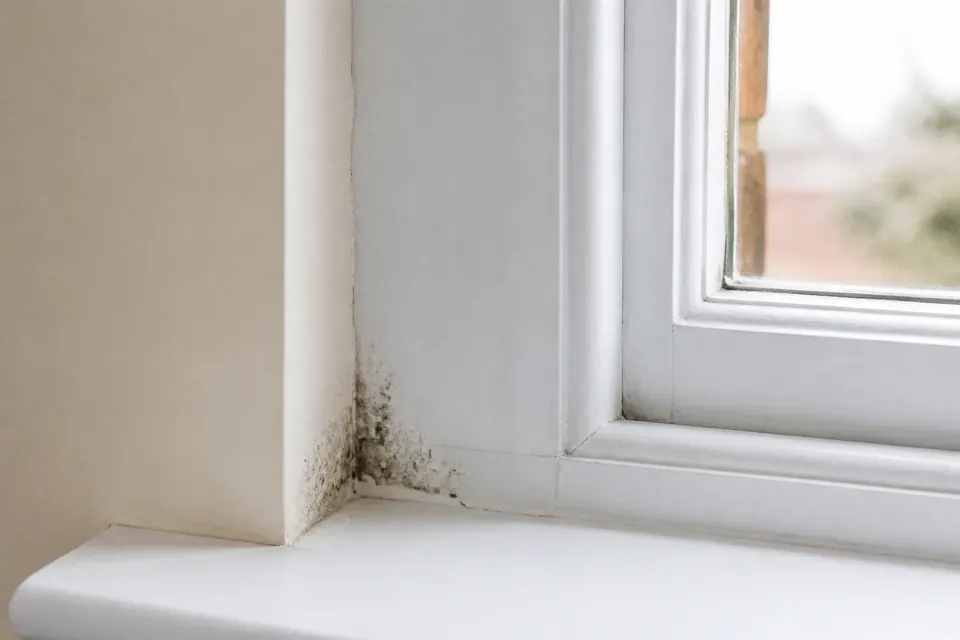
Show the marked reveal or wall separately from curtains, blinds and nearby storage. Their presence in the image does not mean they need or are included in the same work.
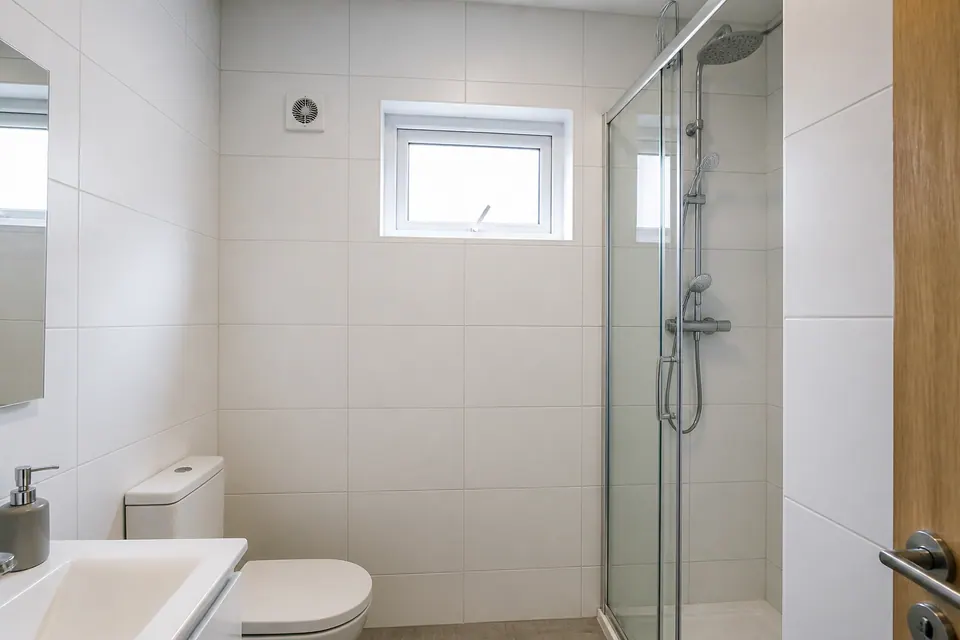
Distinguish the room finish from a cabinet lining or stored objects. Different materials should not be grouped into a single treatment promise.
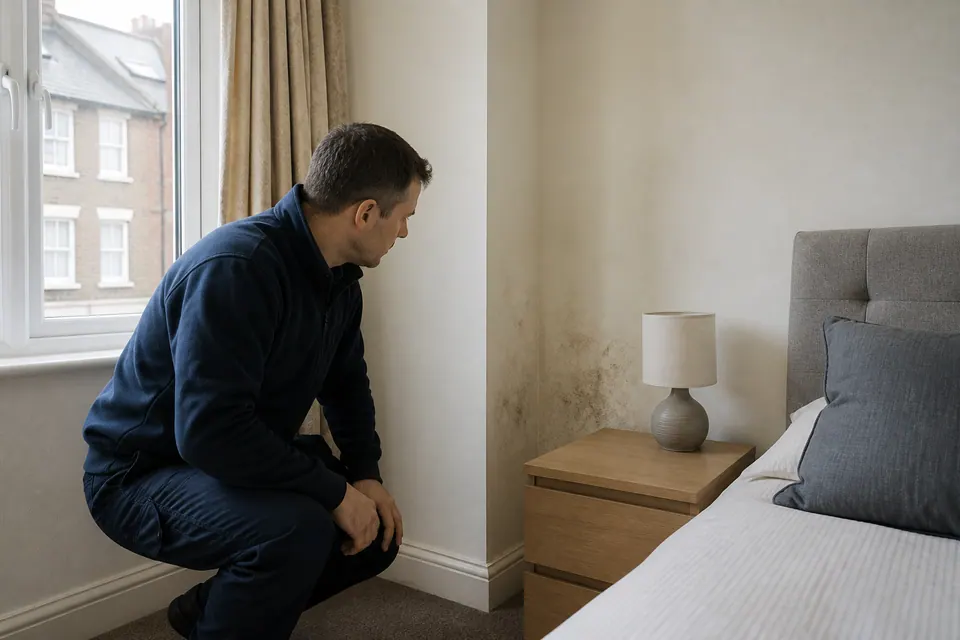
Describe the visible wall strip and whether the backing of the unit is also marked. Do not pull a heavy wardrobe away just to establish an unseen boundary.
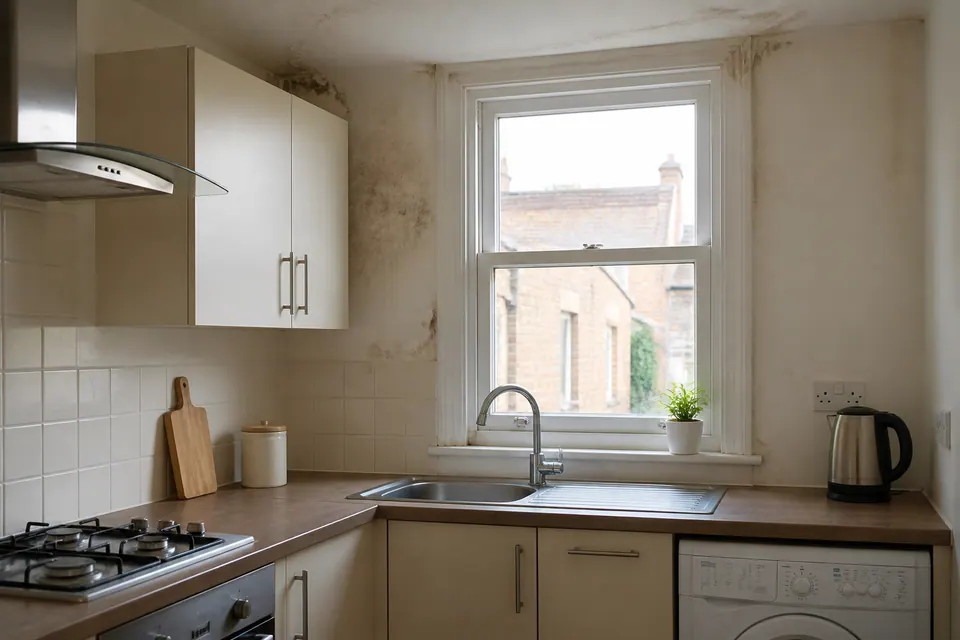
Identify the exposed building face or panel. Fitted storage and concealed surfaces need an explicit access discussion rather than assumed dismantling.
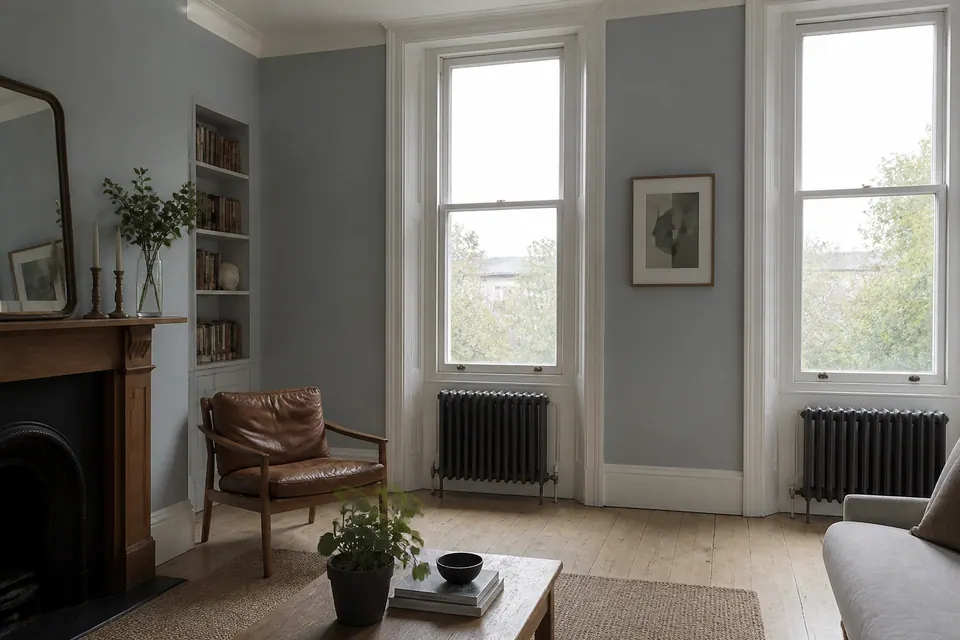
Point out whether the concern is on the wall, the shelf or an object resting there. A room-wide label can obscure those differences.
Use a normal floor-level view and describe the position. Reaching above tall units should not require improvised climbing for the enquiry.
Explain what can be seen and whether its lining material is known. The hidden building wall should not be described as affected without evidence.
The first enquiry can contain limits and unanswered questions. It does not require a complete inventory or an intrusive inspection of the furniture.
10 / ROOM-BY-ROOM CONTEXT
Distinguish the cabinet interior from the surrounding wall finish.
Name the wall, backing panel or belongings that concern you.
Separate fitted panels from the exposed building surface.
Identify the marked face rather than all objects on the shelving.
Clarify access and authorisation before including communal storage positions.
Describe actual moisture observations without assuming stored items explain the condition.
North Finchley / BEFORE BOOKING
Clear up the material and preparation questions first.
A wider view can explain the layout. Add a detail of the mark where it can be obtained without unsafe movement.
No such inclusion should be assumed. State any concern about bedding or other belongings separately.
Explain that the wall cannot currently be seen. Do not label it affected or dismantle the unit solely for the enquiry.
Wait until the preparation is clear so unnecessary or unsuitable movement is not arranged.
Provide reliable information if available, but do not invent a specification. Describe uncertainty where the material is unknown.
Identify each position and its material rather than sending one image as if it represents the whole bedroom.
That suitability cannot be assumed. Describe the damage and clarify whether separate replacement or another decision is needed.
It does not provide a permanent guarantee. Any continuing moisture or other unresolved conditions may still require attention.
Identify it as a different material and position. Clear distinctions make a follow-up more useful than one general room description.
North Finchley / NAME THE AFFECTED MATERIAL
Send the postcode, current views and a short description of the storage arrangement. Ask what preparation and suitable work can be considered before changing the room.
The bedroom and interior images are illustrative, not evidence of completed customer treatments or a service for every item shown.
