
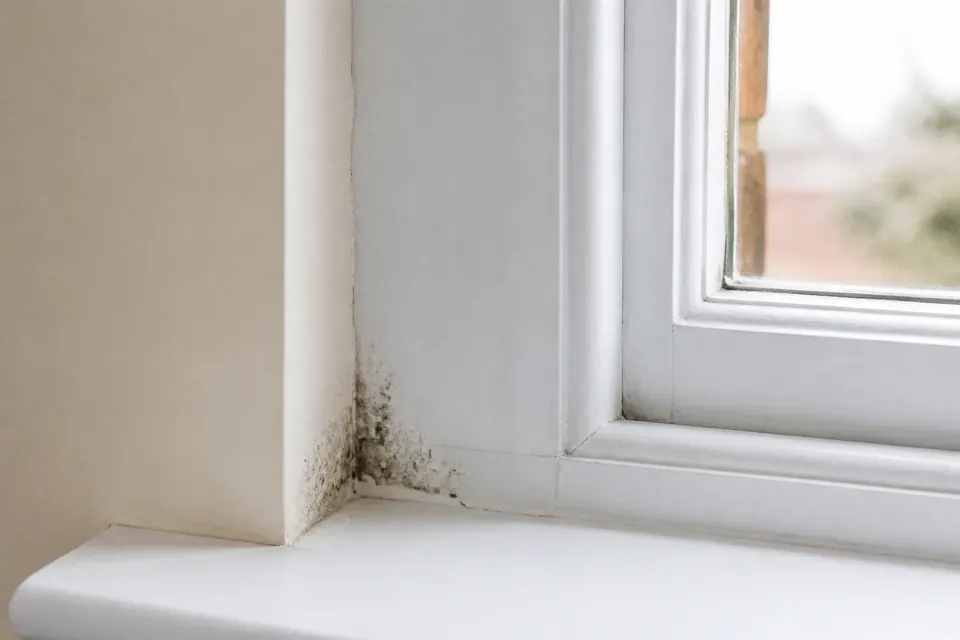
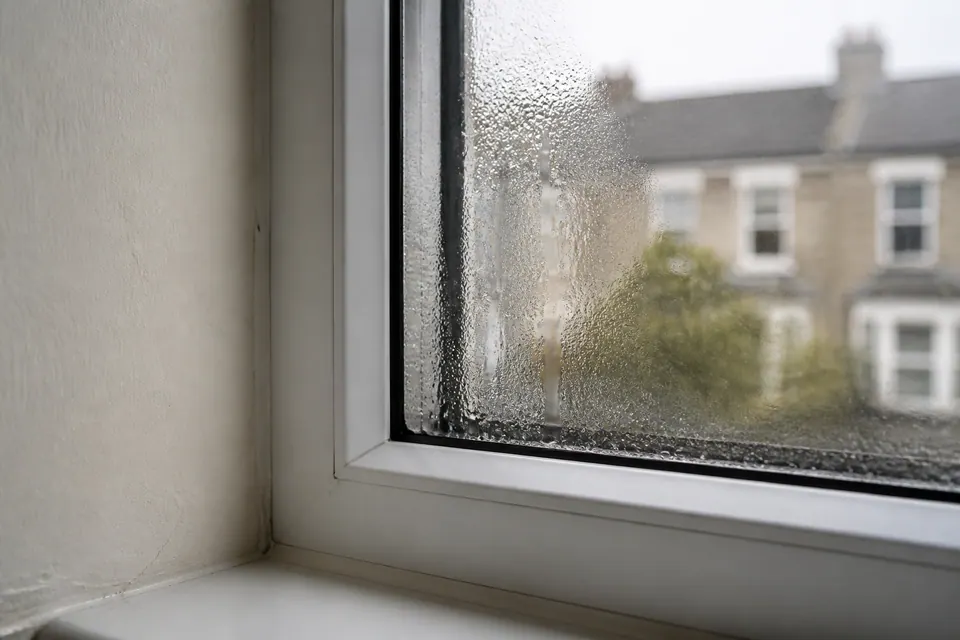
The same window, the same reference
Keep the frame edge or sill in each comparison image so the position can be recognised. State when moisture on the glass was observed separately from the dates of marks on the reveal.
Stevenage / PROPERTY CONDITION
A useful history does not need a guessed diagnosis.
When a patch has appeared several times, the intervals and intervening work matter. Bring the dated evidence to a Stevenage mould-removal enquiry, keeping remembered details distinct from records. Confirm postcode availability before arranging attendance or repeating an earlier treatment.
Dates · intervening work · current condition
01 / SEPARATE THE QUESTIONS
A return after a particular event may be relevant, but timing alone does not establish cause. Describe the event and the visible change separately so assessment can consider both without being steered by an unsupported conclusion.
| Visible issue | Possible contributing factor | What may need checking |
|---|---|---|
| Window marks in several dated views | A moisture condition may be recurring | Compare reliable observations of the glass, frame and reveal |
| Bathroom spotting after recorded maintenance | Repeated wetness may still be relevant | Clarify what equipment work was actually completed and what is observed now |
| A wall change following a water event | Past or continuing moisture may matter | Review repair records alongside present material condition |
| A similar outline after repainting | A contributor may remain unresolved | Separate decoration from treatment and any source investigation |
Surface treatment and work on a moisture source remain separate. A record of plumbing, ventilation or decoration should be read for its actual scope, not as certification that every contributing condition was addressed.
Growth and excess moisture describe related but different conditions. Preserve the wording of reports while clarifying whether they refer to a visible finish or a source requiring investigation.
| Question | Mould | Damp |
|---|---|---|
| The subject of the record | Fungal growth on a surface | Excess moisture affecting material or its surroundings |
| Useful supporting detail | The location and outline shown at each date | Confirmed wetness, water events or repair findings |
| The relationship to consider | Growth may return where contributing moisture persists | Continuing moisture can support renewed growth |
| The decision now | Review suitability and extent of current surface work | Determine whether further source assessment is needed |
02 / LOCATE THE ISSUE
Use the selector to organise the history by room. A recurring mark in one setting should not be attributed to another simply because the photographs look similar.
Keep the frame edge or sill in each comparison image so the position can be recognised. State when moisture on the glass was observed separately from the dates of marks on the reveal.
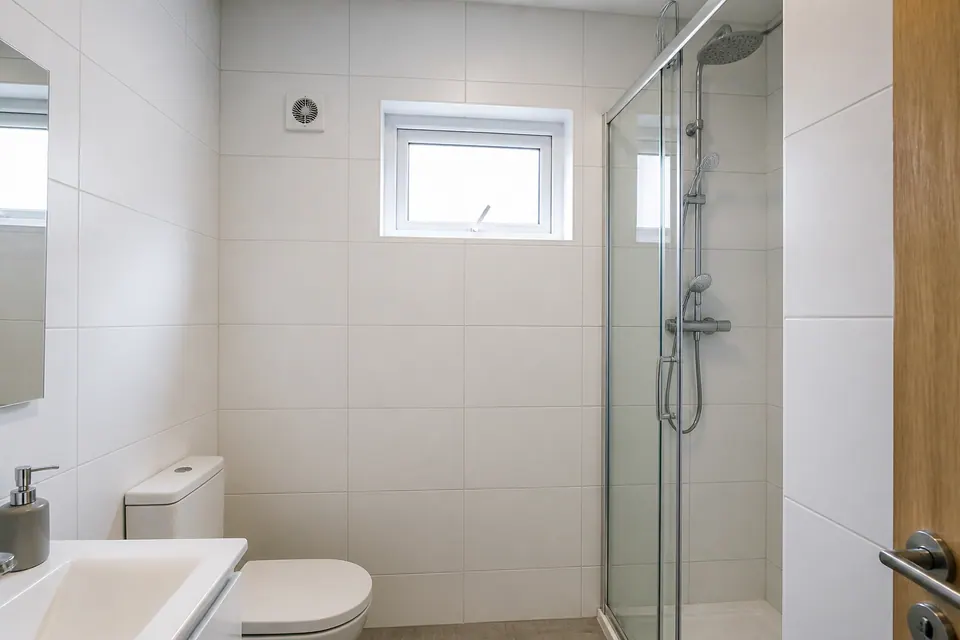
Explain any known maintenance or change in use between appearances. A current wet ceiling and an older dry image do not alone prove the reason for recurrence or the performance of an extractor.
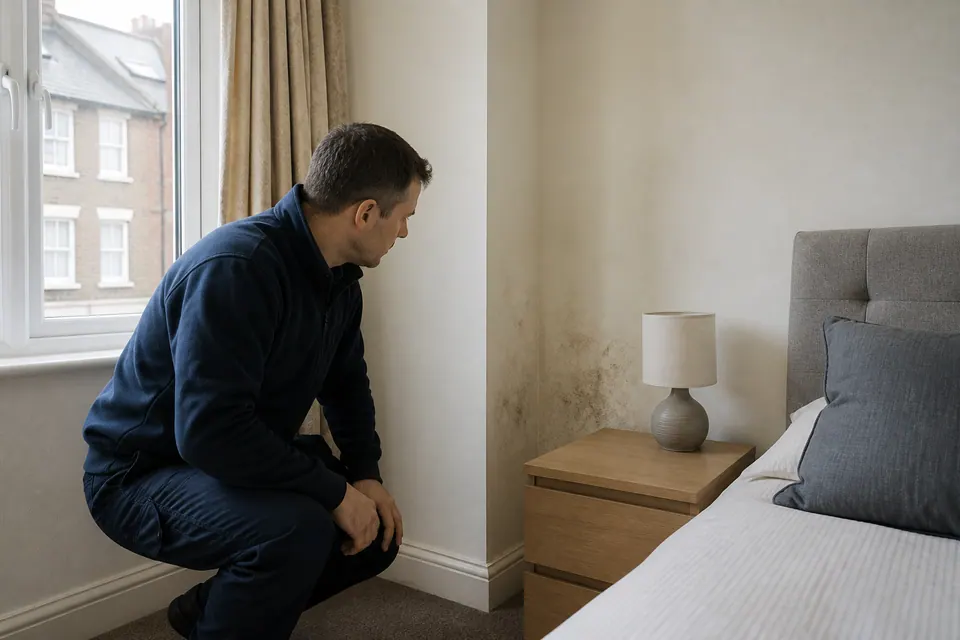
Mention whether the furniture arrangement changed during the recorded period. If the wall was not visible for part of that time, leave that interval uncertain instead of assigning a precise start date.
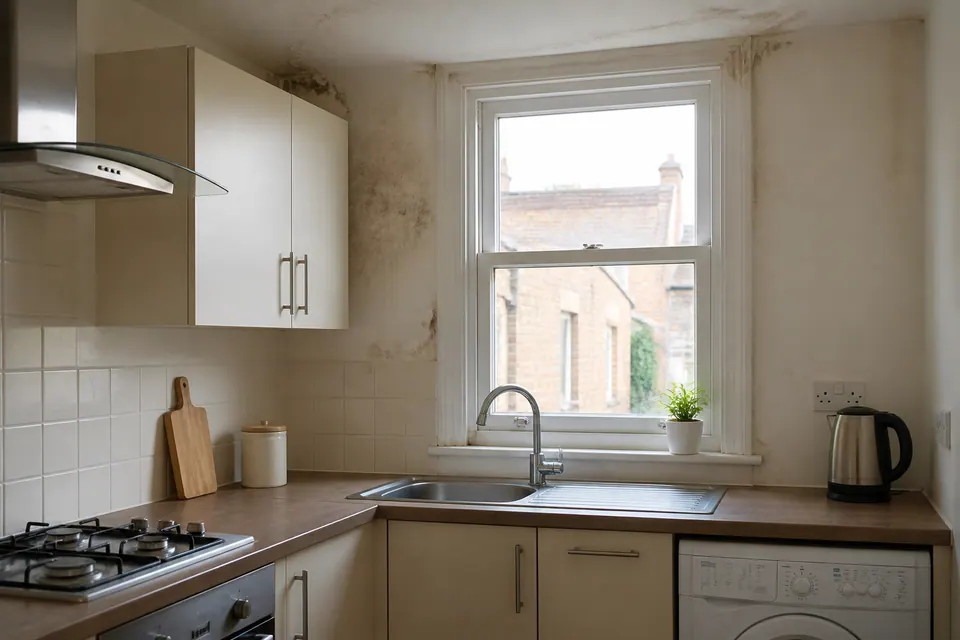
Identify the date and location of confirmed plumbing work without assuming it explains every later image. Distinguish a cabinet finish from the wall in the record so different surfaces are not merged.
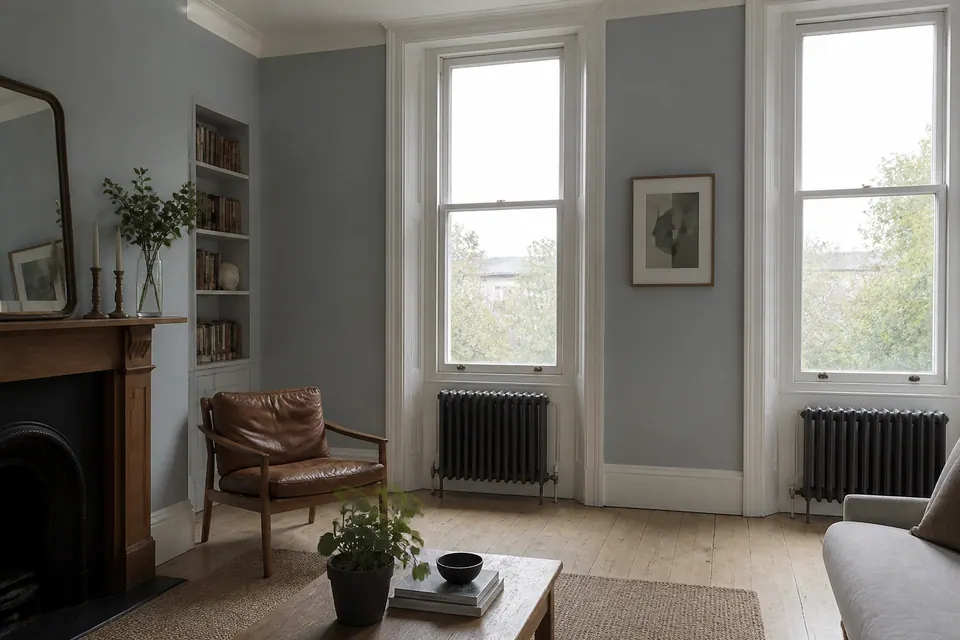
Keep any decorating date with the image sequence and note what preparation is actually known. A new colour can hide an old outline temporarily without establishing that the underlying question was resolved.
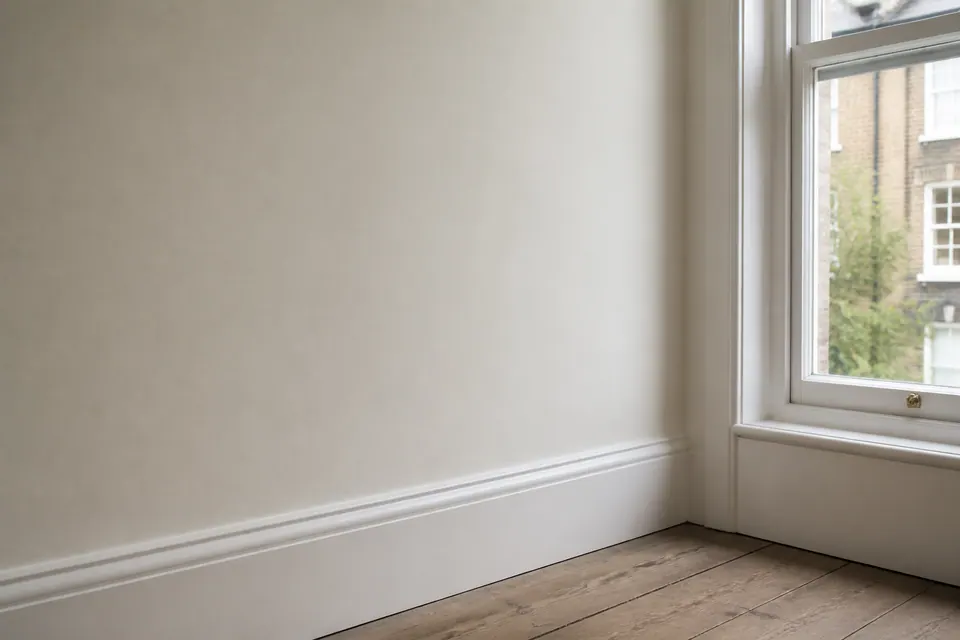
Record peeling, blistering or a change in texture separately from the number or darkness of spots. A finish may require a different scope as its condition changes, even when the marked area stays similar.
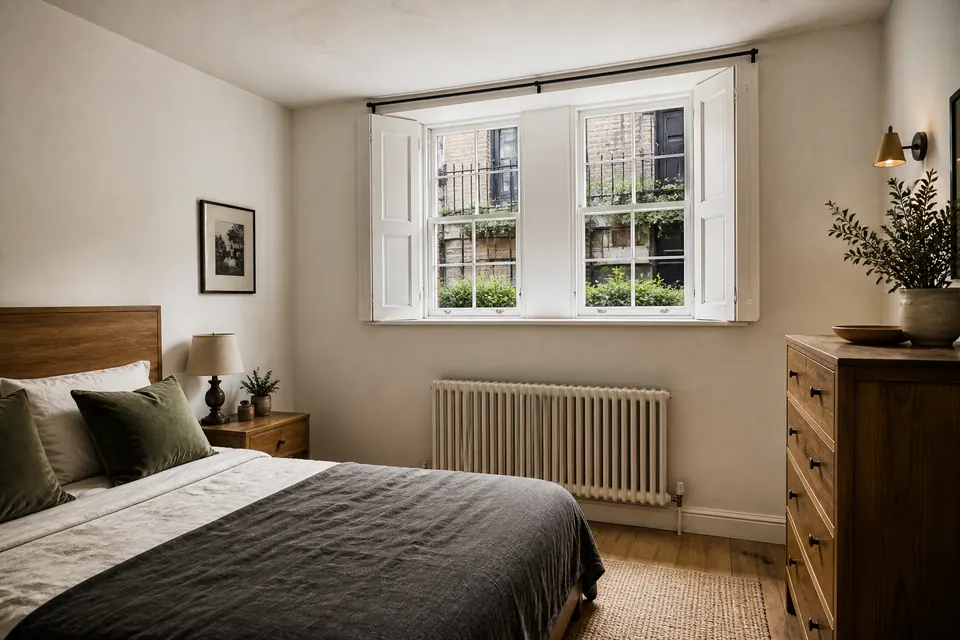
If a cupboard was only opened or cleared occasionally, explain when the surface was seen. Do not turn gaps in observation into a claim that the condition disappeared and returned during those periods.
A timeline can remain useful with missing information. Mark an uncertain date as approximate rather than creating a precise sequence unsupported by the evidence.
Stevenage / THE PROPERTY BRIEF
Do not simply repeat the previous booking.
Send the full Stevenage postcode with a short sequence of appearances and known work. Ask about availability and whether the present condition needs assessment. Earlier treatment information can help, but it does not establish that the same area, method or preparation remains appropriate now.
04 / A CONTROLLED APPROACH
Consider dated observations alongside the present surface. Identify what has changed since earlier work and which parts of the history are reliable enough to inform the scope.
Agree preparation for the current arrangement, not the room as it appeared in an old photograph. Pass on any previous product information before adding another treatment.
Carry out suitable work within the newly agreed boundary. Earlier treatment does not make every present material appropriate for the same approach.
Explain what to record afterwards and which unresolved moisture questions need separate attention. Keep return instructions distinct from a general expectation that recurrence has been permanently prevented.
The stages illustrate a review process rather than a promise that one more visit closes every question in a long history.
Retain the date and source of the initial evidence.
Apply the scope agreed for the present finish.
Record the result without rewriting the earlier timeline.
The schematic is not a customer case record. Any future change should be described with new observations rather than assumed to have the same explanation as an earlier patch.
05 / QUOTATION, NOT GUESSWORK
A previous price should not be treated as the current scope. Small accessible areas may be considered from photographs, while recurring or more complex concerns can need assessment. Provide the sequence of work and the condition now visible so a proposed quotation addresses today’s question.
See the main mould-removal service ↗| Scope | Quotation basis | Evidence for the present proposal |
|---|---|---|
| A suitable, clearly defined accessible area | Photographic review may support pricing | Identify current dimensions rather than using an old estimate |
| Repeated appearances after earlier work | Assessment informs a new scope | Supply reliable dates and distinguish recorded work from recollection |
| Deteriorating material or unresolved damp concerns | Specialist quotation may be required | Explain what has changed in the substrate or repair position |
Confirm the new total and exclusions. An earlier invoice is useful history, not a standing agreement that repeated work, repair or redecoration is included indefinitely.
06 / WHEN IT COMES BACK
Write the sequence in plain terms: a dated image, known work, the next observation and the present condition. Do not use the appearance of the mark to fill an unrecorded period or infer exactly when a hidden change occurred.
Recurring growth can be associated with continuing moisture, but the timeline alone does not establish which contributor remains. Condensation, leakage, retained moisture or another condition may require further assessment beyond surface removal.
A repeated outline does not by itself prove that an earlier treatment failed or that a repair was unsuitable. It identifies a question to review alongside the current finish and the work actually recorded.
Stevenage / ACCESS & PEOPLE
Provide firsthand observations and explain gaps when the room was not occupied or the wall was obscured. A clear account of uncertainty is preferable to a confident but reconstructed timeline.
Share the work description as supplied, with its date. Do not interpret a brief invoice as proof that all moisture contributors were investigated or that a particular unlisted method was used.
Keep the source of each item clear when combining tenant photographs, maintenance reports and agent correspondence. Distinguish what was proposed from what was confirmed complete.
A tenant can label their own images and pass on records without deciding whether earlier work was at fault. Permissions and practical access still need to be agreed for a new visit.
A landlord can identify completed repairs and provide the occupant contact. Avoid merging separate visits into a single claim that the property was fully resolved at a particular date.
A homeowner should ask what the current finish needs rather than ordering an identical repeat by default. A change in material or accessible extent can matter even where the room is unchanged.
08 / ROOM-BY-ROOM CONTEXT
Attach bathroom-maintenance information to the correct room and date. Do not assume an extractor visit explains all subsequent changes to ceiling paint or another finish.
State when a bedroom wall was obscured by furniture, because the absence of a photograph is not evidence that the area was unaffected during that interval.
For kitchen records, distinguish cabinet marks from wall changes after a plumbing event. Different surfaces and work dates should remain identifiable in the enquiry.
Keep decorating dates with living-room images. A fresh coating can change appearance, so the record should not rely only on whether the same colour or outline remains visible.
Shared-area reports may come from another contact. Attribute them clearly and avoid applying a finding about a communal space automatically to the private dwelling.
A lower-ground room’s record should include reliable water history where available. A long sequence of photographs alone does not establish the source or suitability of the current material.
09 / DIRECT ANSWERS
Not automatically. Extent, material, preparation and access may have changed, and recurrence can require a different assessment. Ask for a current scope rather than assuming an old quotation remains applicable.
It may change appearance without addressing growth or moisture. Review the present condition before another decorative step and keep any known preparation from the earlier painting in the history.
A return raises a question but does not prove a specific failure. The current finish, ongoing conditions and the actual scope of earlier work need to be considered together.
Do not assume it will. Ask for the proposed duration after the present area and method have been reviewed, allowing for preparation and separate work that may differ from the earlier arrangement.
Ask for instructions applicable to the newly agreed approach. Old guidance may relate to a different method or room condition and should not silently replace current advice.
Yes, if it identifies the work and date. Supply it without adding assumptions about unlisted checks, and describe the bathroom finish as it is now.
Use the same fixed feature and retain the capture dates. Describe moisture observed on the pane separately from the outline on the reveal rather than assuming one proves the other’s cause.
It confirms the work described, not every possible moisture contributor. Further investigation, replacement or another repair should remain separate from the surface-treatment scope where relevant.
Stevenage / PLAN THE APPOINTMENT
Confirm availability for the complete Stevenage postcode before arranging attendance. Send the present photograph first, followed by the labelled history, so the enquiry starts with the current condition.
Identify the contact who can answer questions about current access and the person holding any earlier work records.
View the Stevenage area map.
Stevenage / BEFORE BOOKING
Use existing records to make the enquiry specific while leaving unsupported conclusions out of the account.
Give the month as an approximation. Distinguish that recollection from the date of the earliest photograph rather than inventing a precise day to make the timeline look complete.
Yes, where it relates to the area. Share the description as written and avoid assuming it covers checks or methods that are not listed.
No. Keep existing photographs and the present condition. Do not disturb growth or repeat cleaning merely to demonstrate a before-and-after sequence.
It can affect a photograph’s appearance. Compare the outline against a fixed room feature and explain any known change in viewpoint before describing the difference as spreading.
Mention the period of non-use and any gap in observation. Do not assume the absence of a record means the surface was clear throughout that interval.
Provide known names or records without guessing. Ask for preparation advice before using anything else, and do not mix products in an attempt to prevent another return.
Explain the earlier work, but ask what is suitable for the current finish. Changes in damage, extent or circumstances may mean a repeat instruction is not the right starting point.
The enquiry does not determine legal responsibility or prove fault. Its purpose is to describe the evidence and define an appropriate present assessment and work scope.
Ask which observations and changes should be reported, retaining dates and the same room reference. Keep treatment instructions and separate repair information together without treating either as a guarantee against recurrence.
A PROPERTY-SPECIFIC NEXT STEP
Send the postcode, current view and a short record of earlier appearances and known work. Leave uncertain details labelled so the next decision rests on the evidence available.
Illustrations on this page do not form a dated customer treatment history or prove an outcome from earlier work.
