
An owner coordinating trades
List the known tasks and contacts without assuming they form one contract. Clarify the sequence before assigning a surface-treatment date.
Hemel Hempstead / TWO DISTINCT WORK QUESTIONS
What can be treated, and what still needs investigating?
A visible patch can lead to a surface-removal request and an unresolved building question at the same time. For Hemel Hempstead, identify both clearly and confirm postcode availability before assuming one appointment covers the whole problem.
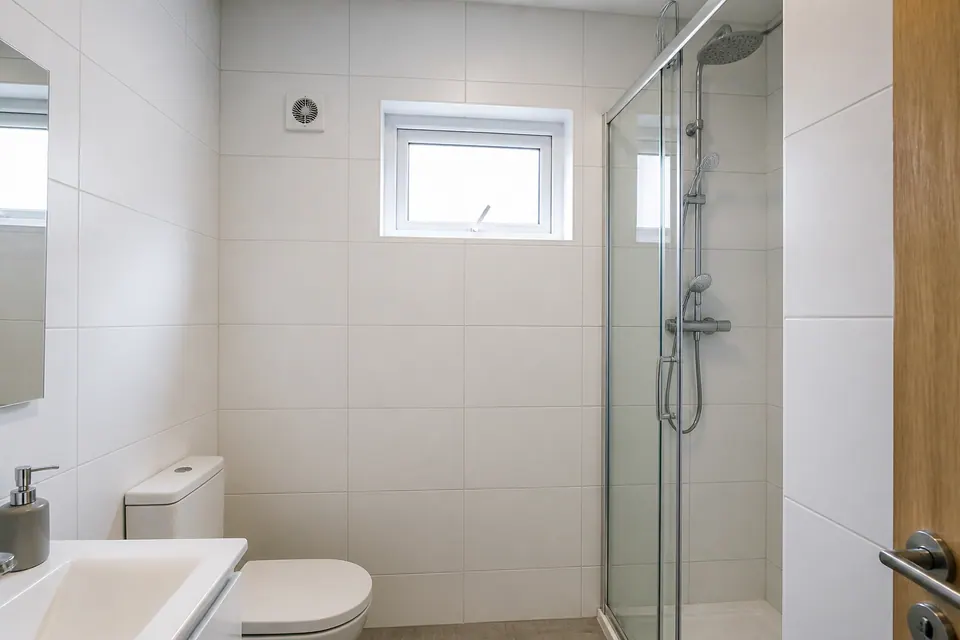
Visible finish · unresolved issue · agreed next step
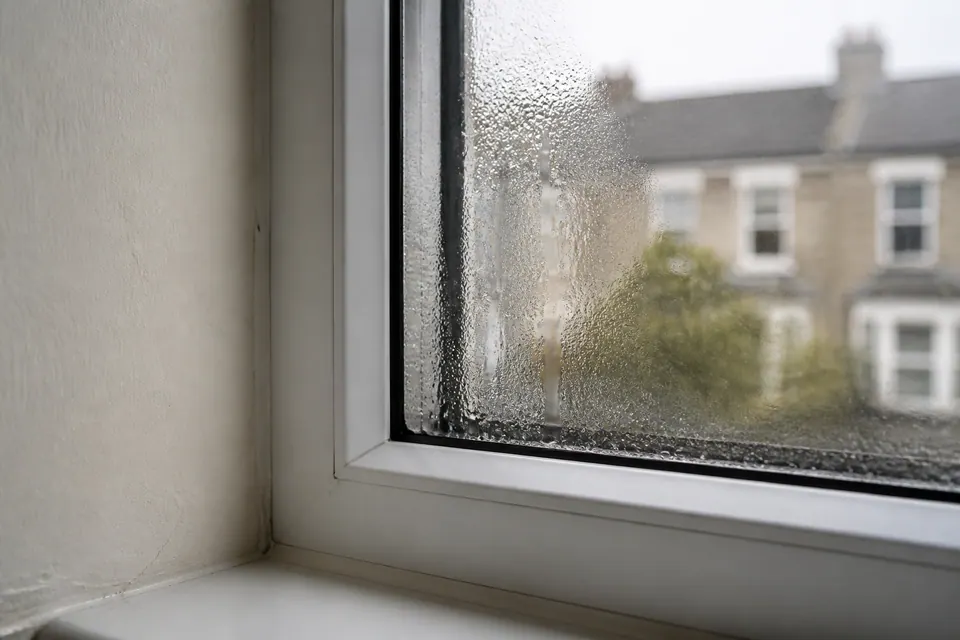
01 / WHEN IT COMES BACK
If growth returns, record the interval and whether any separate moisture work actually took place. Distinguish a proposed repair from one confirmed as completed.
The history can help frame assessment, but recurrence alone does not identify the cause or prove that every earlier task was ineffective. Keep the present surface and building questions separate.
It shows what the previous visit covered and prevents a surface appointment from being remembered as an unperformed structural repair.
Hemel Hempstead / ACCESS & PEOPLE
List the known tasks and contacts without assuming they form one contract. Clarify the sequence before assigning a surface-treatment date.
Provide available records relevant to the actual room. A general repair request does not establish the current moisture condition.
Describe deterioration honestly. Replacement or restoration may be separate from treatment of suitable visible growth.
Share observations and existing information with the authorised contact. Do not use this page to determine legal repair responsibility.
Keep occupant evidence, removal scope and separate building work connected but distinct. Confirm who will arrange any prerequisites.
Ask which immediate question can be addressed and which requires another specialist. Avoid purchasing a surface service on the assumption it is a complete damp remedy.
03 / DIRECT ANSWERS
Yes, explain the uncertainty immediately. The appropriate next step may depend on assessment rather than booking a surface visit on an assumed repair status.
No. It can hide current evidence without resolving growth, moisture or damage. Decoration is a separate decision after the condition is understood.
Continuing moisture may contribute, but the cause needs assessment. Record the history instead of assuming another identical application will settle every issue.
Discuss the unresolved concern first. The suitable sequence and scope may depend on information or work outside the removal appointment.
Instructions depend on the actual work being arranged. Obtain guidance for each agreed activity rather than transferring assumptions between services.
Not automatically. Identify the ventilation question separately and confirm any servicing or upgrade work through its own scope.
No such repair should be assumed. The accessible growth and the frame issue are distinct matters to be agreed.
Do not assume a structural survey or concealed investigation is included. Ask exactly what assessment and limitations apply.
04 / A CONTROLLED APPROACH
Identify the suitable accessible surfaces and note unresolved water or material questions. Do not turn an uncertainty into a confirmed diagnosis.
Clarify what information or separate work is needed before the proposed method. Arrange room preparation only for the accepted scope.
Carry out the suitable surface work described in the proposal. Additional repair or concealed investigation requires another explicit decision.
Record what was addressed and what still needs another assessment or trade. Avoid a broad claim that the whole moisture problem is solved.
The sequence separates completed surface work from unresolved building questions.
Keep growth evidence beside, not merged with, water uncertainty.
Do not silently add structural or repair tasks.
Identify separate actions without promising their outcome.
The drawings illustrate work boundaries, not customer results or a guarantee that every moisture cause has been corrected.
Hemel Hempstead / THE PROPERTY BRIEF
Do not let one quotation stand for every task.
For a Hemel Hempstead property, confirm availability using the full postcode. List the affected rooms and describe any known water issue that remains unresolved. Ask which suitable finishes can be considered for removal and which concerns need another investigation, repair or material decision before an appropriate work sequence can be agreed.
Hemel Hempstead / PLAN THE APPOINTMENT
Request confirmation for the full Hemel Hempstead postcode before planning a visit. Send the surface evidence and unresolved water questions so availability and the appropriate next step can be discussed together.
The map supplies town context only. It does not guarantee coverage, identify a local office or confirm a structural service.
Load the town map if it helps explain the location.
07 / QUOTATION, NOT GUESSWORK
For Hemel Hempstead, confirm address availability and provide the visible-area evidence alongside unresolved water information. A surface price should not be interpreted as the total cost of diagnosis, repair and decorative reinstatement.
Review the published service boundaries ↗| Concern described | Pricing route | Boundary to confirm |
|---|---|---|
| Small suitable accessible growth | Photographs may support a quote | The accepted finish and extent |
| Multiple or recurring areas | Assessment informs the proposal | Current condition and recurrence evidence |
| Complex damp or damaged material | Specialist quotation may be needed | Investigation, repair or replacement work |
Confirm availability, inclusions and exclusions before booking. A removal quotation should not be presented as an all-inclusive building remedy where other work remains unassessed.
08 / SEPARATE THE QUESTIONS
A useful assessment can clarify the surface question without automatically undertaking structural diagnosis or repair.
| Visible concern | Related question | Scope to clarify |
|---|---|---|
| Growth around a window | A frame leak is suspected | Surface treatment versus window investigation |
| Bathroom patches | Extraction performance is questioned | Removal versus ventilation work |
| Wall change after a known leak | Repair or drying status is uncertain | Suitable timing and separate plumbing needs |
| Repeated marks on damaged material | The substrate may need replacement | Treatment suitability versus material repair |
Leak correction, damp investigation, ventilation changes and replacement materials require separately agreed work where relevant. Ask for unresolved questions to remain explicit rather than hidden inside a broad promise.
One concerns suitable affected surfaces; the other may concern how moisture reaches or remains in materials.
| Question | Mould | Damp |
|---|---|---|
| What is being considered? | Removal of suitable visible growth | Identification of a moisture condition or source |
| What evidence helps? | Room, material, extent and previous treatment | Known water events and existing investigation |
| What is not automatic? | Restoration of damaged material | Repair of every cause during a surface visit |
| What should be agreed? | Accepted accessible surfaces and limitations | Any separate specialist next step |
09 / LOCATE THE ISSUE
Choose the setting and describe the visible surface first. Then state any separate water or building concern without merging it into an assumed treatment task.
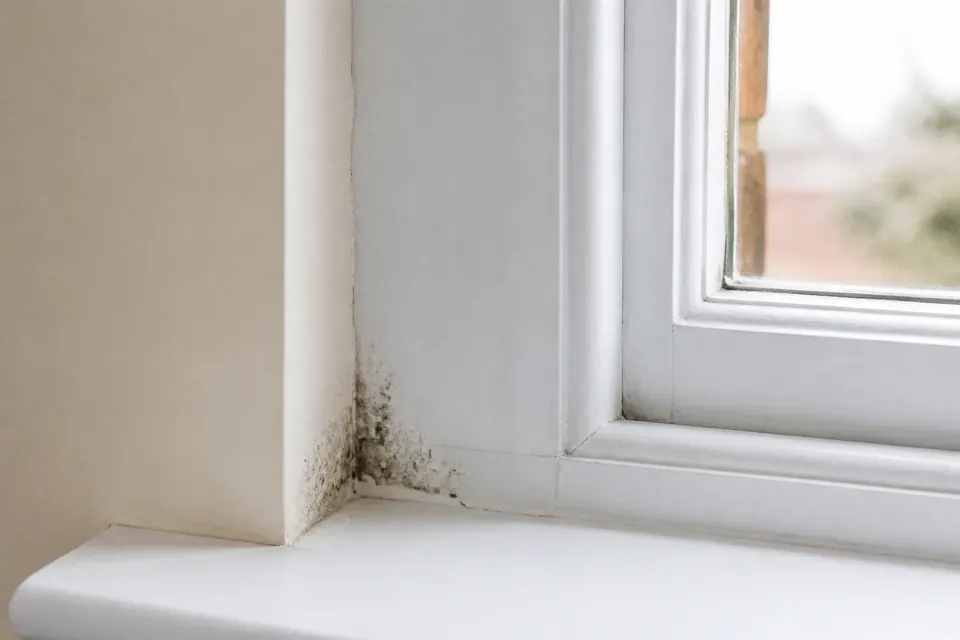
Identify the finish and observed extent. A suspected frame leak should be a separate question, supported by actual water observations where available.
Describe the affected material and any known ventilation information independently. Surface treatment should not be taken as servicing or upgrading extraction.
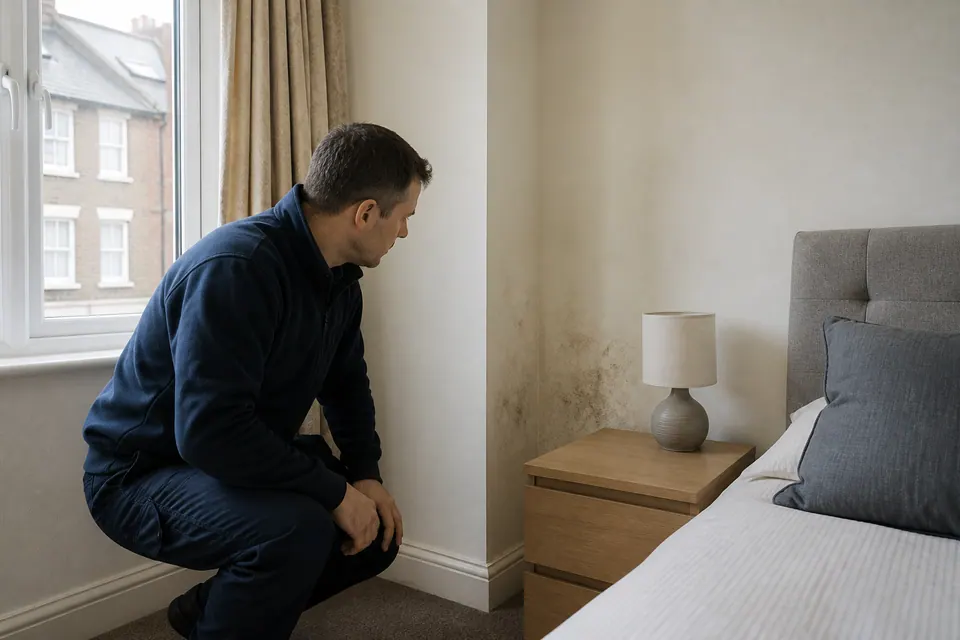
Show the wall and furniture context without selecting a damp type. Any building-fabric concern needs its own assessment boundary.
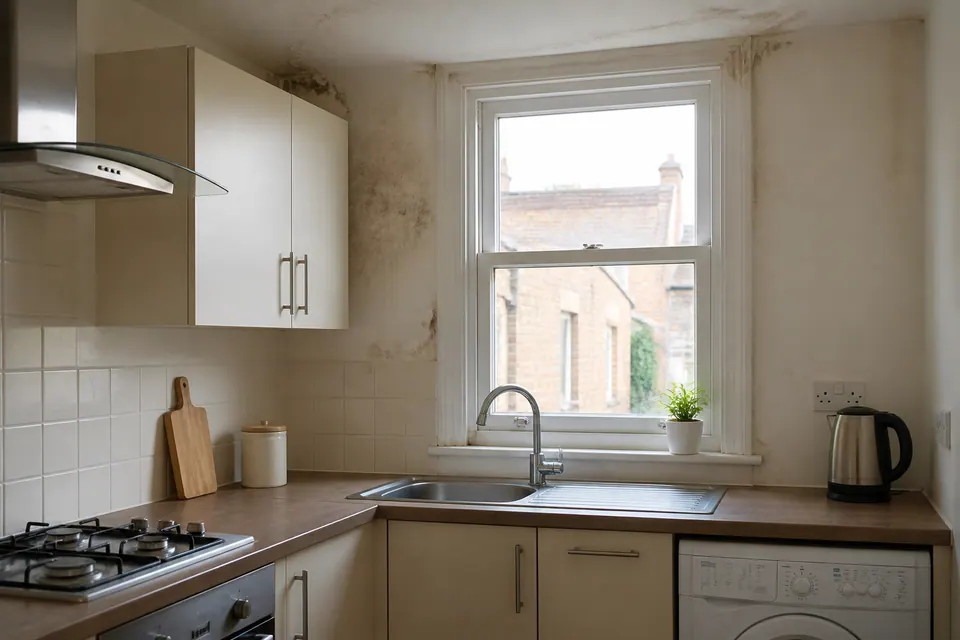
Give the current repair status and visible material condition. A removal enquiry cannot establish that plumbing has been repaired or that drying is complete.
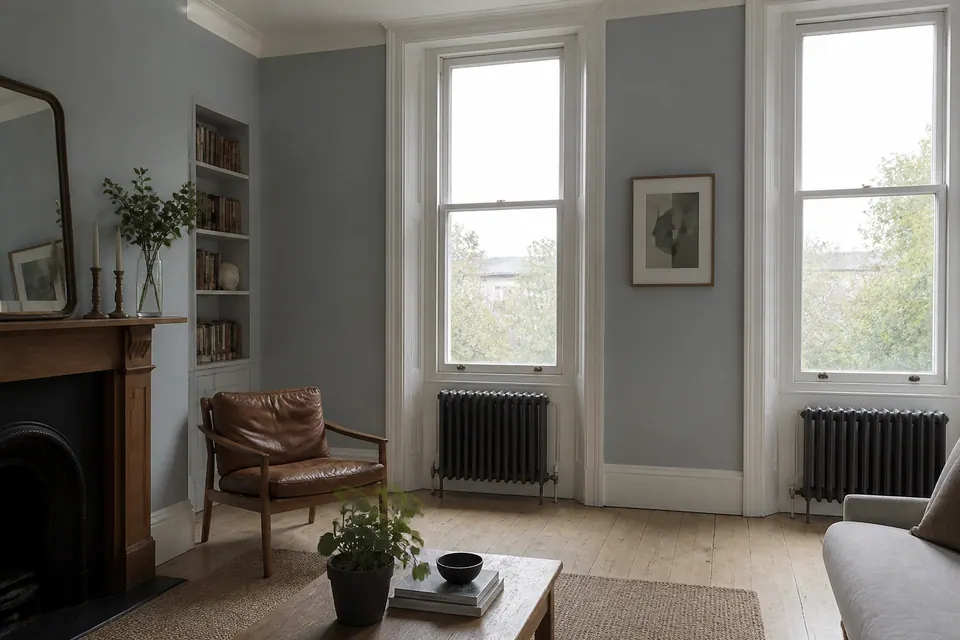
Distinguish residual appearance from a recent change. The appropriate surface outcome and the unresolved moisture question may not be the same task.
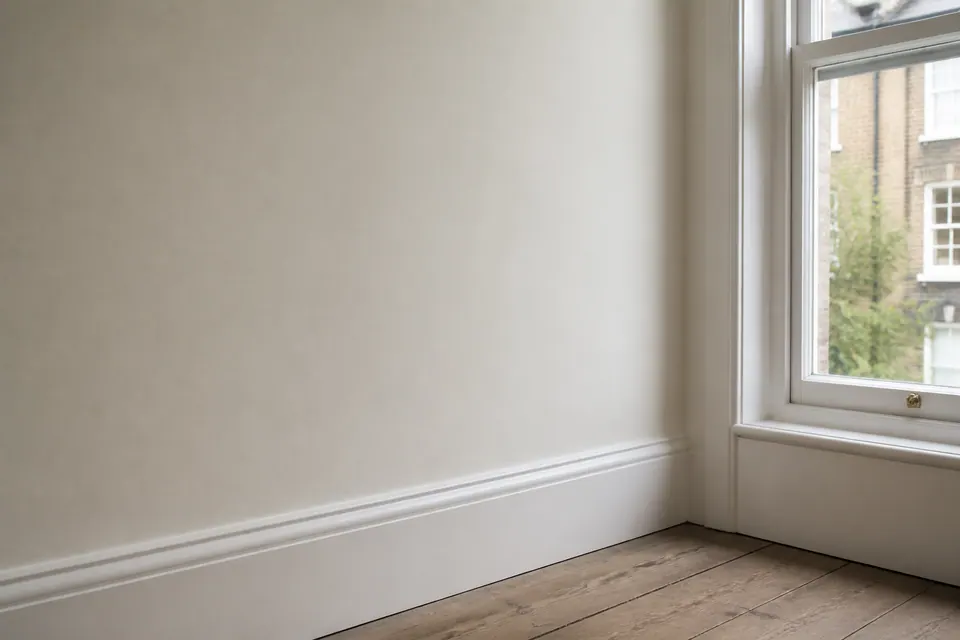
Report loose or wet-looking finish without probing it. Material replacement or concealed investigation may be outside suitable surface removal.
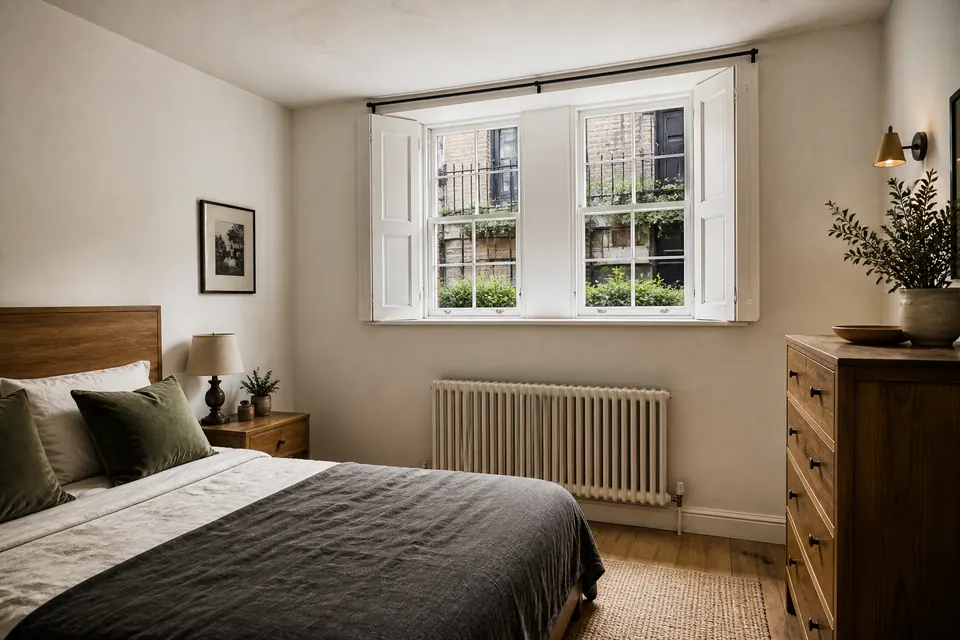
State what can be seen and what is only suspected behind a covering. Do not count concealed concerns as an assessed treatment area.
Separating the questions does not diagnose the cause. It makes the limits of a proposed surface visit easier to understand.
10 / ROOM-BY-ROOM CONTEXT
Separate growth on the finish from extraction, plumbing or material-replacement concerns. None should be assumed included automatically.
Describe the visible area and any known water history. An external-wall position does not by itself establish a structural diagnosis.
State confirmed leak status and the current finish. Surface removal does not certify plumbing or completed drying.
Distinguish old staining from current change and proposed decorative work. Each may need a different decision.
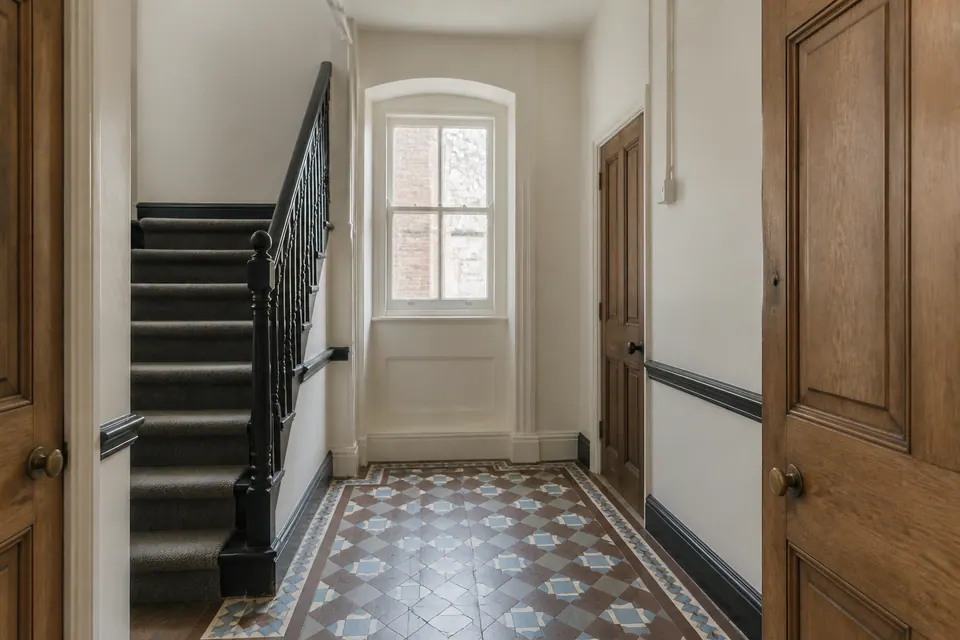
Identify authorisation and any building-level concern. A private surface visit does not automatically include shared systems.
Give the level and known history without assigning a damp type. Persistent wet or concealed material can require a separate assessment.
Hemel Hempstead / BEFORE BOOKING
Clarify what the removal proposal covers without assuming it answers every building question.
Yes. Supply visible evidence and known history, clearly stating what is uncertain. Ask which assessment is appropriate rather than choosing a diagnosis yourself.
No. Availability must be checked using the full Hemel Hempstead postcode before a visit or preparation is assumed.
Do not assume that. Ask what assessment is included and whether structural or concealed investigation requires another specialist.
State that clearly before booking. An unresolved water issue can affect the appropriate sequence and suitability of surface work.
Relevant available information can help, but do not invent or commission a report merely to complete an enquiry field. Identify its date and scope.
Replacement is not automatic. Describe the damage and request explicit confirmation of any separate material work.
No such conclusion follows by itself. The scope may concern visible growth while another moisture question remains unresolved.
No. Request clear inclusions and separate costs where relevant rather than interpreting a surface quote as an all-inclusive remedy.
Keep the agreed scope and applicable guidance with the surface record. It helps distinguish completed treatment from any further actions still outstanding.
CLARIFY THE TWO WORK QUESTIONS
Send the postcode, affected-surface photographs and known water information. Confirm availability and ask which next step belongs to treatment versus another specialist scope.
The property scenes are illustrative and do not establish customer outcomes or completed moisture repairs.
