
BALHAM · READ THE RUG IN ZONES
Balham Rug Cleaning Built Around Family Routines
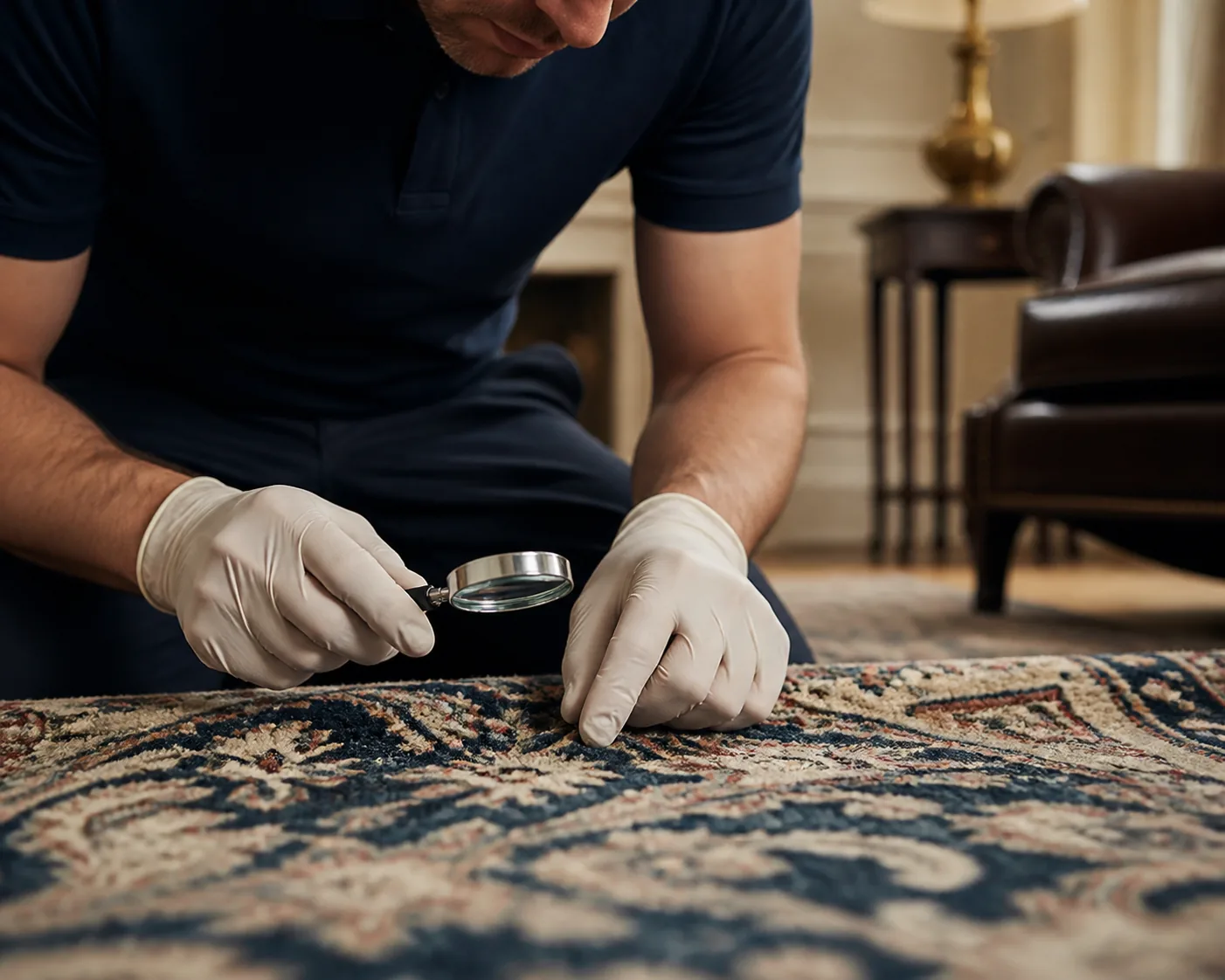
A dining end, play corner and quieter border rarely age at the same pace. Divide the rug into meaningful areas so the quotation reflects what is happening across the textile, not one isolated close-up.
- Photograph every zone in daylight where possible
- Show pile direction and the complete outer edge
- Record meal, play and pet routines that explain the pattern
- Choose an appointment window around school runs or home working
BALHAM DAILY PATTERNS
Describe when and where the textile works hardest
A family-room rug may extend beneath a dining table while its open end becomes a play space. A single stain photograph misses chair abrasion, repeated crumbs and the clean comparison area along the wall.
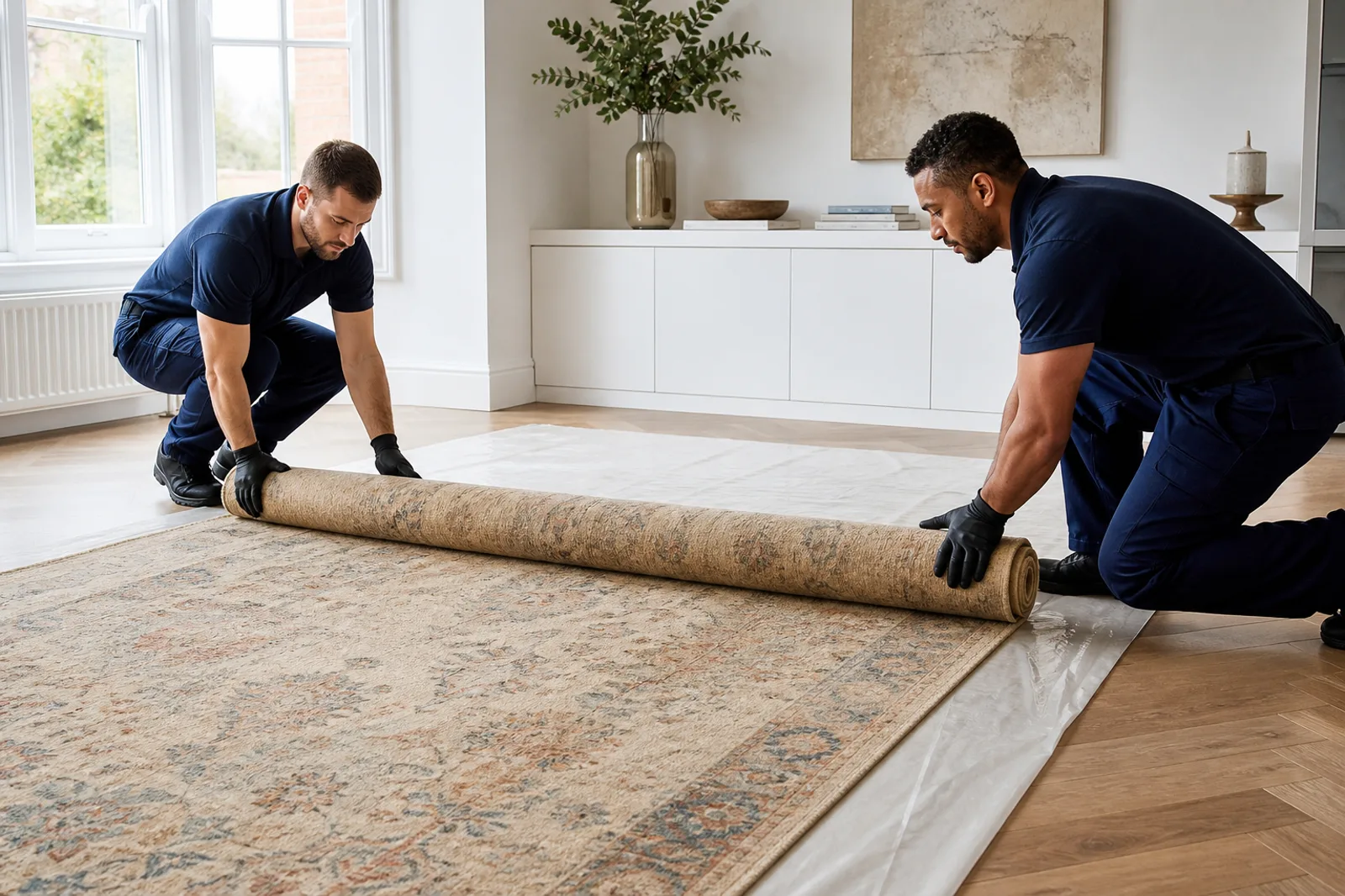
Sketch three simple zones. Give each area a name and photograph it from the same direction. The set helps distinguish gradual household change from one-off incidents.
Plan the appointment around the room’s real timetable. A safe cleared area and realistic return-to-use window matter as much as the doorway width.
Balham zone inventory
Plan: Draw the rug as a rectangle and label each section.
Size: Add exact overall measurements.
Table: Count feet that normally rest on the textile.
Chairs: Show repeated wheel or leg movement.
Play: Name paint, glue or sensory products used nearby.
Animals: Mark sleeping and accident areas separately.
Sun: Identify the edge nearest glazing.
Texture: Compare compressed and sheltered pile.
Border: Photograph curling, looseness or pulled yarn.
Label: Capture wording without interpreting it.
Calendar: State the room’s quietest period.
Return: Allow for item-specific placement advice.
MAKE A ZONE MAP
Record repeated use separately from isolated events
The result is a description for assessment, not a diagnosis.
COMPARE BEFORE INTERPRETING
A sheltered edge can reveal the baseline
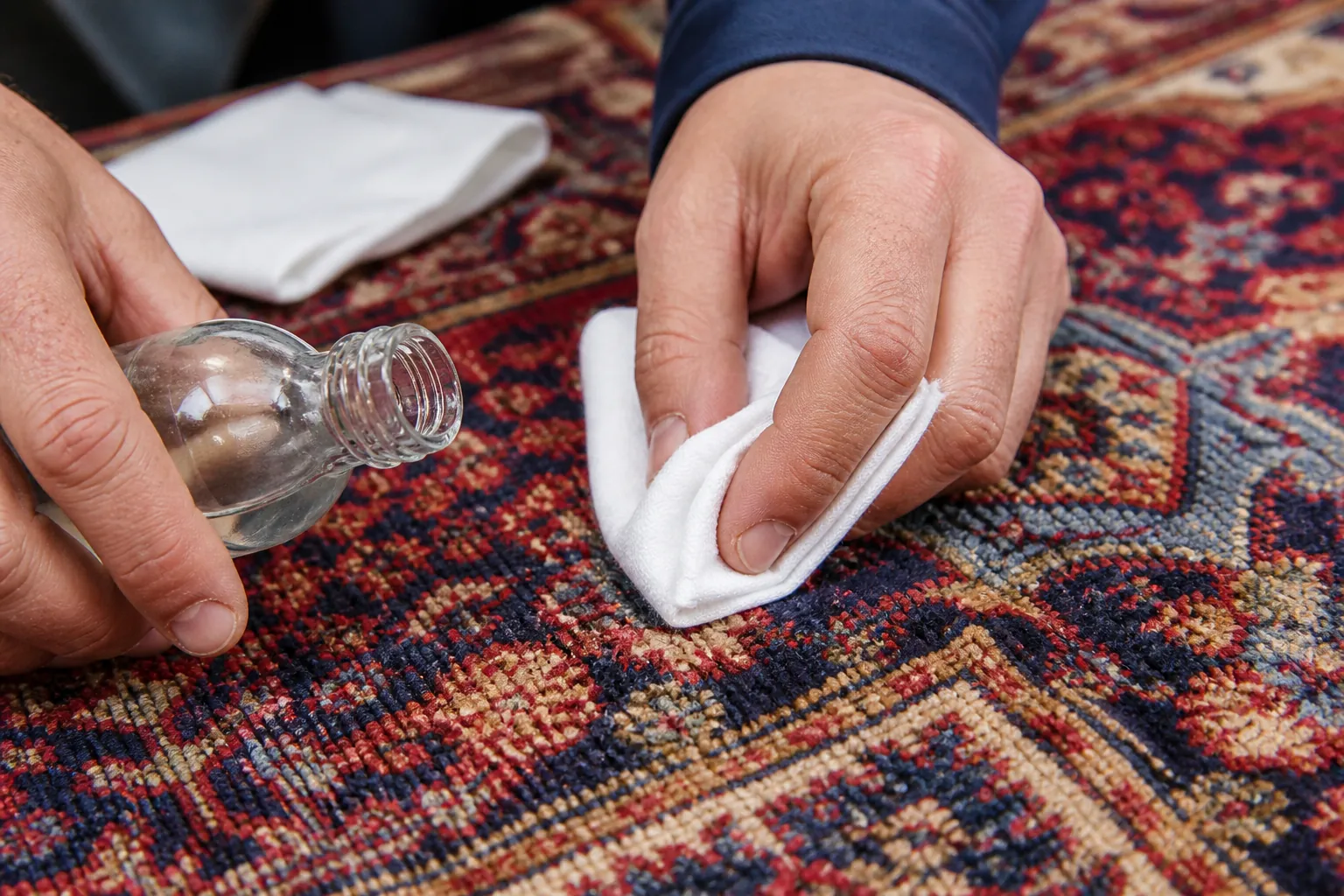
Texture and colour comparisons help frame sensible questions about residue, wear and light exposure.
Repeated contact
Chair feet and walking compress yarn over time.
Reference texture
A protected edge may show the earlier pile character.
Specific event
Date and substance improve the treatment history.
Window influence
Sun-related colour change is not surface dirt.
A ZONED REVIEW
Keep comparisons intact through the sequence
The assessor follows the map while checking construction and realistic limits.
- 01
Divide
Name functional areas
- 02
Compare
Check busy and sheltered pile
- 03
Trace
Link incidents to dates
- 04
Inspect
Read edges and foundation
- 05
Plan
Select suitable boundaries
- 06
Evaluate
Review each mapped area
- 07
Schedule
Set family-use guidance
BALHAM MEASUREMENT BANDS
Overall area anchors the estimate
Zone complexity does not replace measurements; construction, access and agreed scope still affect the quote.
ASSEMBLE THE ZONE PACK
Give every photograph a clear purpose
- Balham postcode
- Overall length and width
- Simple labelled zone sketch
- Dining-end view
- Quiet comparison edge
- Incident close-up
- Backing and manufacturer label
- Household treatment history
- Available low-use time
Reading the pattern
Why compare two areas?
It makes gradual texture or colour variation easier to describe.
Why include routines?
Repeated use can explain a pattern that one image cannot.
Why retain a sketch?
It gives every close photograph an unambiguous location.
Why name the quiet period?
Scheduling and handover should fit actual family use.
BALHAM FAMILY-RUG FAQ
Questions raised by multi-use rooms
Does every zone receive the same treatment?
The whole construction must be considered, while local conditions may receive specific attention.
Can chair flattening be removed?
Some appearance change is physical wear and may remain.
Should toys be visible in the first photograph?
A normal room view can help explain use; clear items only when preparation is agreed.
What should I say about craft stains?
Name the material and approximate date, and keep any packaging.
Is the window edge useful?
Yes, especially when assessing possible light-related shade change.
Can the children use the rug after the appointment?
Follow the specific return-to-use guidance provided at handover.
Does a pet area always require odour work?
No; report what is observed and let the scope follow assessment.
Why photograph beneath the table?
It captures protected pile, chair contact and hidden incidents.
Do the guide bands include every complication?
No; they begin the estimate before condition and construction are confirmed.
Can another household service count toward £68?
Compatible work may count if it is included in the agreed booking.
MAP IT BEFORE MOVING IT
Show how your Balham rug changes across the room
Zone photographs connect daily use with the condition being assessed.
