
DULWICH VILLAGE · CARE BEGINS WITH OBSERVATION
Professional Rug Care in Dulwich Village with Assessment First
A rug chosen for a period room deserves more than a standard cleaning recipe. We learn how the piece was made, where it lives and what has changed before suggesting work.
- Photograph the rug in its normal setting
- Measure the woven body without tassels
- Capture corners, underside, label and repairs
- Mention gates, landings and parking restrictions
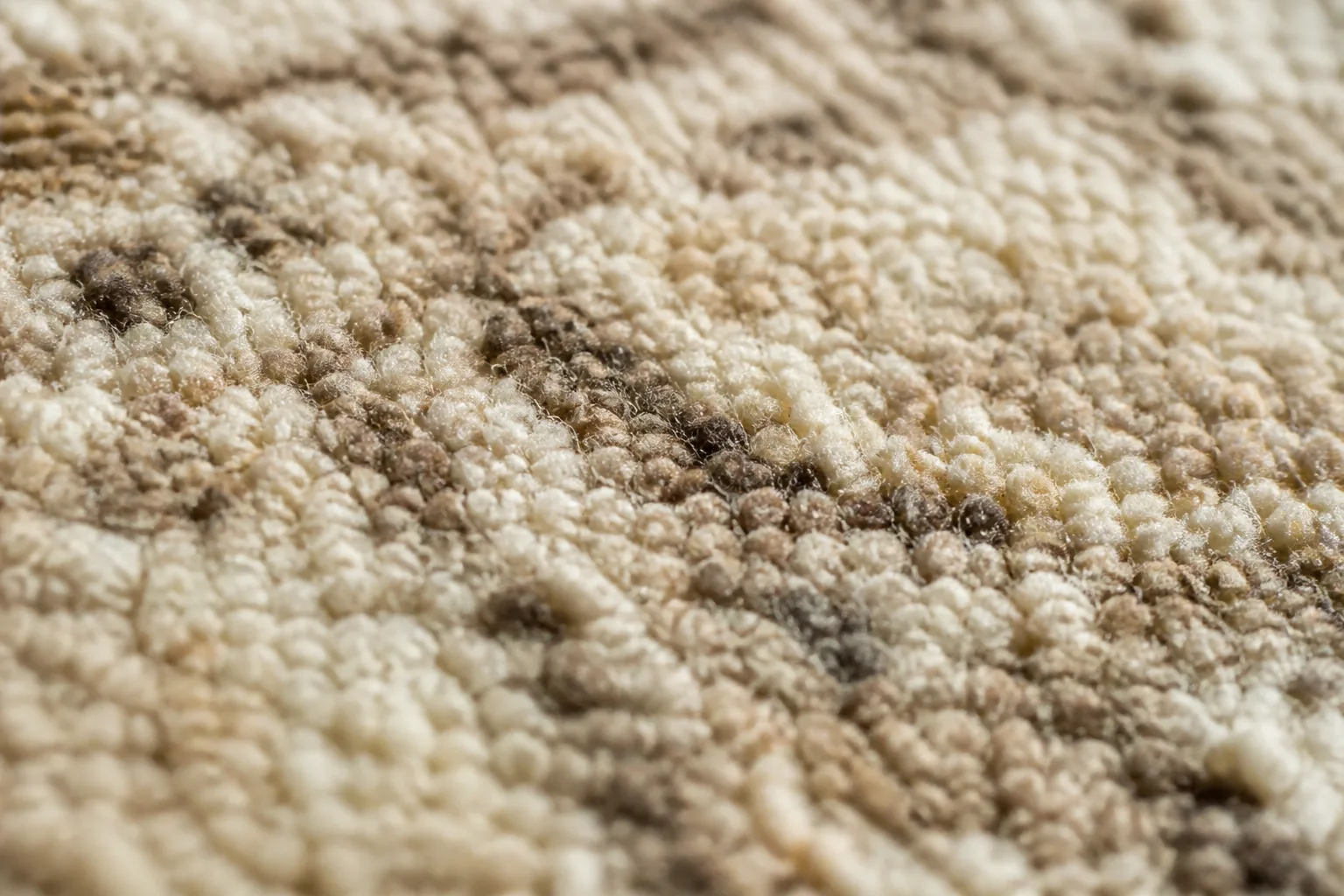
TELL US WHAT YOU SEE
Describe the piece without guessing
These prompts capture clues; a technician resolves uncertainty.
ROOM AND ROUTE
Period interiors shape the handling plan
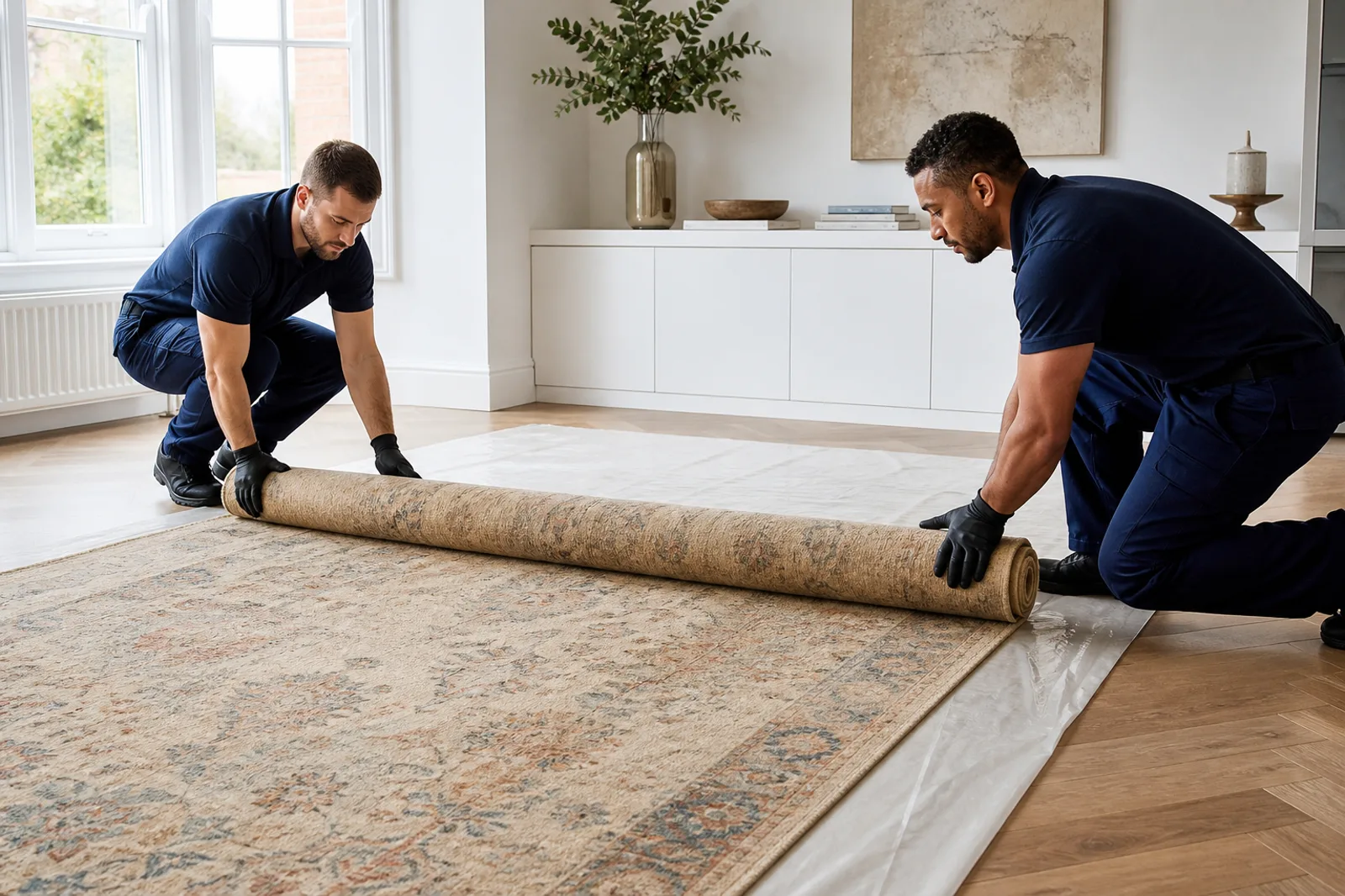
A dining rug may sit beneath a heavy table with polished boards around it and tight turns towards the street. We establish what can move, how the textile can be lifted and where it can remain safely.
Village example. A wide image shows furniture, fireplace and exposed floor. Detail shots document the affected patch within that wider context.
Name any bottle, hired machine or earlier contractor involved. Treatment history can explain altered texture or shade.
Dulwich Village rug notes
Identity: Treat it as an individual furnishing.
Measurements: Give widest woven dimensions.
Concern: Locate it on the overview.
Fibre clue: Photograph label wording.
Palette: Include pale and saturated shades.
Structure: Show pile and underside.
Perimeter: Record loose binding or lost tassels.
Alterations: Isolate darns and patches.
Past care: List remembered treatments.
Smell: Explain when it is strongest.
Collection: Describe room-to-vehicle movement.
Base: Note surfaces needing protection.
Ventilation: Say whether windows open.
Placement: Wait for clearance before repositioning.
Limit: Distinguish soil from deterioration.
Aim: Agree realistic improvement.
READING THE SURFACE
Wear can imitate dirt
Flattened yarn reflects light differently; fading, residue and old spills also alter tone. Viewing from several directions separates removable material from lasting change.
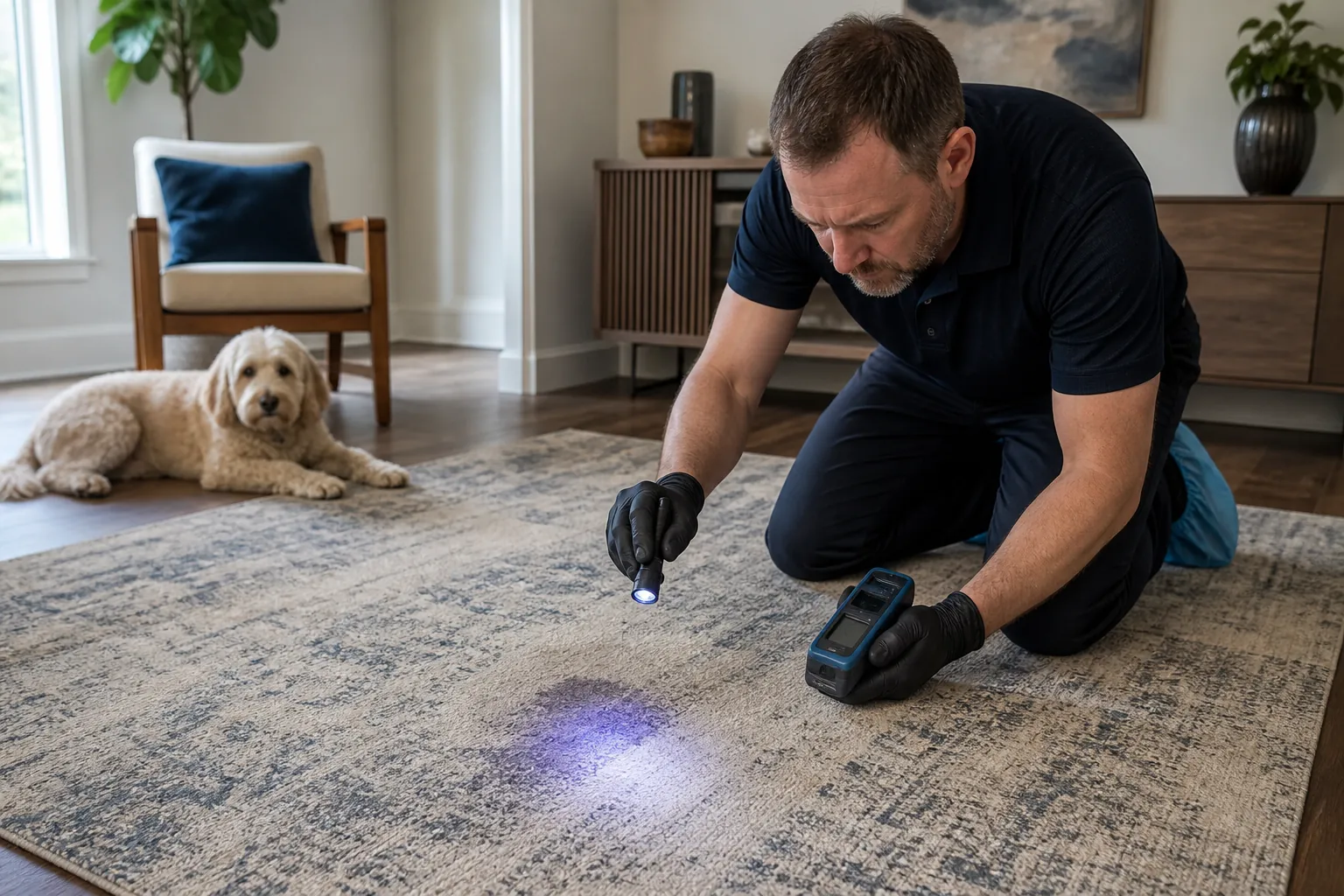
WHEN ODOUR LINGERS
The source may lie below the face
Pet liquid can pass into the foundation, pad or timber. Explain frequency and previous remedies so reachable contamination can be addressed honestly.
- Date first noticed
- Odour on the underside
- Disinfectant or spotter applied
- Visible yarn or dye changes
WHAT TO SEND
A compact brief prevents uncertainty
Accurate evidence enables better questions before travel.
- SE21 address area
- Woven length and width
- Whole-room view
- Affected-zone details
- Borders and ends
- Underside and tags
- Cleaning attempts
- Overlapping furniture
- Vehicle access
Points at the outset
Do pictures decide the method?
No; they guide discussion while physical checks may change recommendations.
Can cleaning restore worn colour?
It cannot replace missing dye or yarn.
How long will drying take?
Advice follows density, foundation, weather and airflow.
Must I empty the room?
Not always; identify heavy items so preparation can be agreed.
SURVEY TO RETURN
A measured route for valued textiles
Each stage responds to the findings before it.
- 01
Document
Photograph condition and weak areas
- 02
Test
Check construction and colour response
- 03
Dust
Release suitable dry particles
- 04
Treat
Choose compatible chemistry
- 05
Dry
Maintain support and airflow
- 06
Finish
Review pile, borders and ends
- 07
Return
Explain room placement
DULWICH VILLAGE PRICE INDICATIONS
Dimensions establish the first figure
Fragility, build, contamination, access and specialist attention qualify the eventual quotation.
BEYOND THE LABEL
Four characteristics guide care
Nominally similar wool rugs may differ because their palettes, foundations and repairs are unlike.
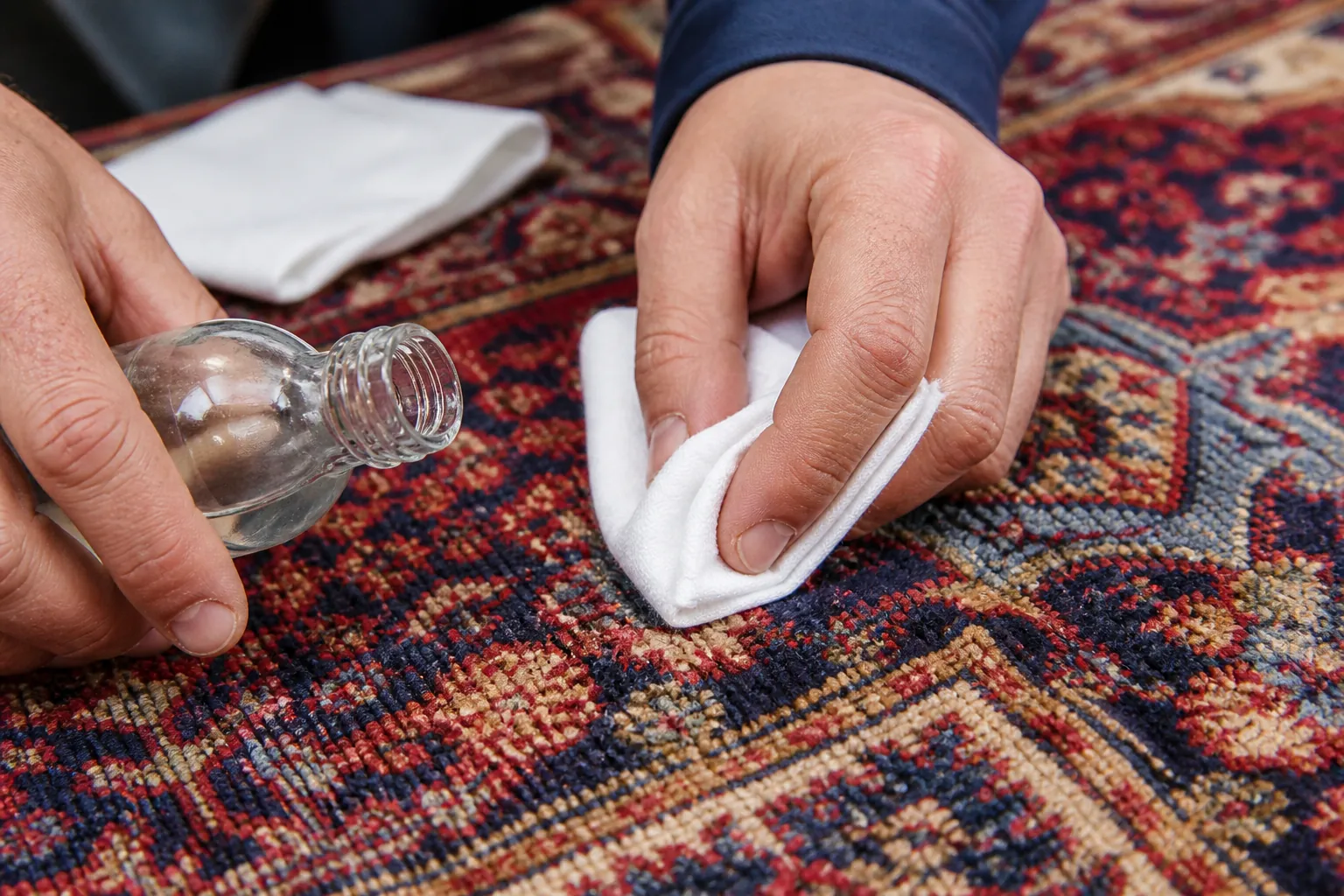
Yarn character
Absorbency affects suitable choices.
Shade security
Checks reveal colour movement risk.
Internal support
The base governs moisture tolerance.
Repairs and ageing
Fragile work requires boundaries.
DULWICH VILLAGE RUG FAQ
Answers for confident planning
Which pictures come first?
Start with the room, then face, reverse, ends, label and concern.
Can you handle an unlabelled antique?
Potentially, with careful identification and testing.
Why mention wooden flooring?
Movement and moisture must not endanger it.
Will pet smell always disappear?
Depth, age and affected layers determine achievable improvement.
What if a repair appears lighter?
Unlike yarn or fading may remain visually different.
May I use bicarbonate first?
Please avoid powder and report anything already applied.
Do fringes count in area?
No; measure the woven body and list tassel length separately.
Can it stay under my table?
We first need the furniture’s size and weight.
What changes the estimate?
Construction, condition, specialist work and difficult access can qualify it.
How does the £68 minimum apply?
It covers an eligible visit; suitable combined work may contribute.
BEGIN WITH YOUR RUG’S STORY
Show its setting, character and concern
A few accurate details begin a constructive conversation.
