
COULSDON · DESCRIBE THE TEXTILE BEFORE CHOOSING A ROUTE.
Rug Stain and Odour Assessment in Coulsdon
Rugs in Coulsdon deserve a brief built around the actual textile, not a postcode template. We connect measurements, construction clues, soil at the kitchen-side edge and pile compression, and the route through family semis, new-build apartments and homes near the valley roads before defining a sensible care scope.
- Photograph a large wool-blend rug in an open-plan room, including its complete outline and its position in the room
- Keep soil at the kitchen-side edge and pile compression separate from normal loose dust when describing the priority
- Add close views of the reverse, label, edge finish and any previous repairs
- Explain steep drives, compact halls and kerbside collection points so handling can be planned before the Coulsdon appointment
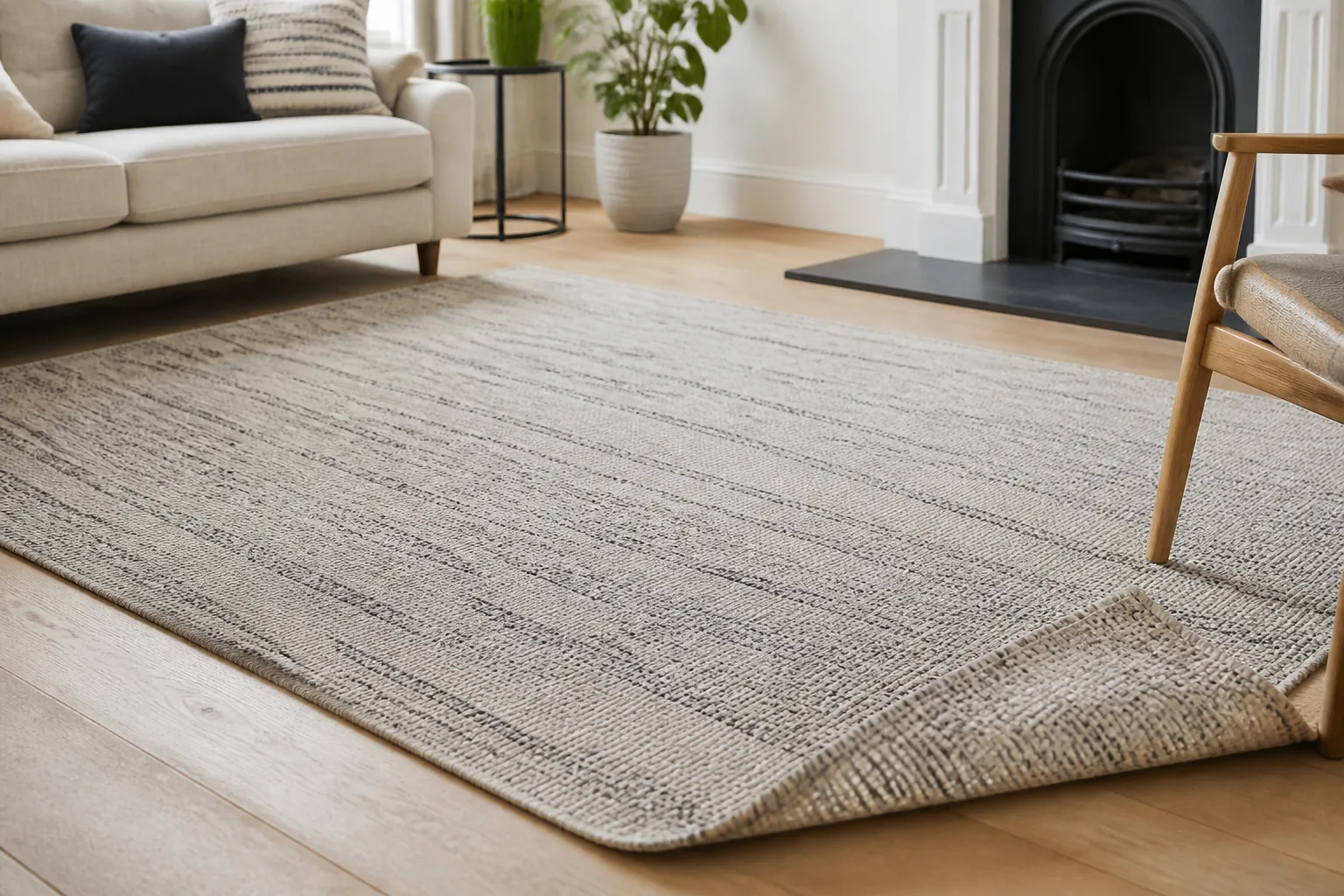
DESCRIBE THE COULSDON RUG
Assemble a room-specific evidence card
Use these prompts to organise what can actually be seen in the Coulsdon room. The result supports a conversation; it is neither a diagnosis nor a treatment instruction.
COULSDON · A PRACTICAL LOCAL BRIEF
The textile, access route and room all affect the plan
Family semis, new-build apartments and homes near the valley roads create very different working conditions. For Coulsdon, we ask where the rug lies, what rests on it, how it can be carried, and whether an undisturbed drying position is available. Those facts sit alongside fibre, dye and construction evidence; they do not decide a method on their own.
A realistic Coulsdon enquiry. Picture a large wool-blend rug in an open-plan room. The owner records soil at the kitchen-side edge and pile compression, measures the full textile and photographs it in daylight. We also note steep drives, compact halls and kerbside collection points. This gives the quotation a real object, a defined concern and an honest route into the property.
Why the room record matters. The rug currently meets luxury vinyl tile. A reverse image, edge close-up and view of nearby furniture help separate textile condition from effects associated with the supporting floor. Any earlier product is named rather than repeated, and unknown fibre or dye behaviour stays marked as unknown until assessed.
A room-to-van record for Coulsdon
First frame. Stand far enough back to show the entire rug, its kitchen-facing side and furniture that prevents an easy roll.
Cooking edge. Mark where grease and crumbs meet the pile; this band may behave differently from the centre.
Floor protection. Luxury vinyl tile needs a clean, dry placement area while the textile is moved.
Thresholds. Count tight turns to the front door and give the narrowest hall measurement, steps and parking distance.
Colour clues. Compare the exposed field with a section normally hidden beneath furniture in indirect daylight.
Edge condition. Record loose binding, pulled yarn and curled corners before handling begins.
Household history. Name spotters, powders or hire machines previously used, even if the brand is forgotten.
Measurements. Give longest and widest points in centimetres; list fringe separately.
Compression. Photograph flattened lanes from two directions; pile lay is not automatically a stain.
Outcome language. Removable soil, possible mark improvement and permanent wear remain separate.
Working space. Confirm whether chairs can leave the room; larger items need a separate agreement.
Underside. A reverse view can reveal backing, adhesive, old labels and areas that should not be folded.
Drying location. Identify a ventilated, traffic-free position that will not trap moisture against flooring.
Placement. Furniture returns only when rug and supporting surface are ready for weight.
Collection decision. Rolled size, weight and access determine whether the handling route is practical.
Written scope. The quotation names the rug, agreed work and exclusions for a checkable handover.

READ THE CHANGE BEFORE TREATING IT
Coulsdon photographs should distinguish soil from damage
Soil at the kitchen-side edge and pile compression may involve loose particles, transferred material, altered dye, crushed pile or permanent fibre wear. These categories can look similar in a phone image but carry different outcome limits. We document the unaffected field as well as the priority area so improvement can be judged against a fair reference.

ODOUR, DEPTH AND PRODUCT HISTORY
A smell is evidence, not a diagnosis
For Coulsdon, describe where an odour is strongest, when it appears and whether liquid may have reached the foundation, backing or luxury vinyl tile. List every powder, spray, detergent or machine already used. This protects the next assessment from hidden residue and prevents an unsupported promise.
- Map the affected area on both face and reverse
- Check the floor separately after lifting is agreed
- Record contamination age and repeat incidents
- Set expectations only after construction is understood
FOUR LIMITS TO CHECK
Coulsdon handling starts below the visible surface
The pile is only one part of a large wool-blend rug in an open-plan room. Foundation, dyes and edge attachments can change what is practical.

How quickly yarn takes moisture
A tentative fibre identification guides what must be tested next.
Contrast within the design
Photograph pale and saturated motifs without flash distortion.
What supports the pile
Backing and foundation influence rolling, recovery and drying.
Corners under greatest strain
Loose yarn and old mending define areas needing gentler movement.
SEVEN CHECKPOINTS FOR COULSDON
Move from room survey to a controlled handback
Room logistics keeps soil at the kitchen-side edge and pile compression in context while construction and room conditions set the safe boundaries.
-
01
Frame the room
Capture the cooking edge, traffic lane and clear rolling space
-
02
Read the build
Check label, face yarn, backing and bound perimeter
-
03
Release grit
Reduce accessible particles without grinding them into pile
-
04
Prioritise
Give the kitchen-side band its separately agreed attention
-
05
Balance moisture
Use a recovery level suited to fibre and foundation
-
06
Reset pile
Review compressed pathways from more than one angle
-
07
Protect the floor
Confirm drying position and the timing of furniture replacement
COULSDON SIZE GUIDE
Area is the starting point, not the whole quotation
These current guide figures preserve a simple size reference. The confirmed amount can also reflect fibre, construction, soil at the kitchen-side edge and pile compression, access through family semis, new-build apartments and homes near the valley roads, and any optional work that is discussed and accepted.
BUILD A USEFUL COULSDON QUOTE PACK
Send nine facts that prevent guesswork
Keep the room view, dimensions and concern in one message. This makes access and textile questions easier to separate.
- Coulsdon postcode and preferred contact details
- Length measured along the longest edge
- Width at the widest point
- A square-on photograph of the complete rug
- Close-ups and reverse views of soil at the kitchen-side edge and pile compression
- Label, fibre information or “unknown”
- Fringe, binding and repair photographs
- Names of products previously applied
- Notes on steep drives, compact halls and kerbside collection points
Four points before booking in Coulsdon
Is every dark patch removable?
No. Soil may lift, while abrasion, dye loss or pile-direction shading can remain because they are changes to the textile.
Are valuable or hand-knotted pieces automatically accepted?
They are considered individually. Construction, colour stability, repairs and present condition decide whether a safe scope can be offered.
Why is there no fixed drying promise?
Coulsdon room conditions, fibre absorbency, pile depth and the chosen moisture level all influence the handover.
What happens to furniture?
We agree the preparation and return plan for this room; heavy items should not be replaced until the rug is ready.
COULSDON RUG QUESTIONS
Coulsdon answers for an open-plan room
What should the first Coulsdon photograph show?
Include the whole large wool-blend rug in an open-plan room and enough surrounding floor to show scale, furniture and the walking route.
Does soil at the kitchen-side edge and pile compression mean the rug needs one particular treatment?
No. That description begins the assessment; fibre, dyes, foundation and residue still need to be considered before a route is chosen.
Why mention luxury vinyl tile beneath the rug?
The support may hold moisture, transfer colour or impose placement limits. It is documented separately and is not treated as part of the rug by assumption.
Which access details matter in Coulsdon?
Tell us about steep drives, compact halls and kerbside collection points, along with the rug’s rolled dimensions and anything that narrows the carrying path.
Does a flattened route mean the fibres are stained?
Not necessarily. Directional pile and compression change reflected light, so we compare views before classifying the appearance.
Should the kitchen-side edge be sprayed before inspection?
Leave it unchanged. Tell us about earlier products and send a broad view plus a close photograph.
How is drying time estimated for this Coulsdon rug?
It follows fibre absorbency, pile density, backing, treatment, room temperature and airflow. A fixed postcode-based duration would be misleading.
What if the rug is too large to lift for a reverse photo?
Do not strain or drag it. Note the obstacle and supply visible label or corner evidence; handling can then be planned.
Why record the narrow hallway?
The rolled diameter and turning space can change labour and whether the proposed route is safe.
How does the £68 minimum visit charge apply in Coulsdon?
It is the current visit minimum. Eligible combined work may contribute only after the booked scope and address have been confirmed.
A CLEARER COULSDON START
Share the rug, the concern and the route into the room
Measurements and honest photographs give us a better basis for fibre-aware advice and a scoped quotation.
