
EPSOM · FAMILY ROOMS, GARDEN DUST AND PRACTICAL ACCESS
Rug Cleaning Planned Around Epsom Family Life
A rug beside the garden doors lives differently from one under a seldom-used dining table. Our Epsom brief starts with how the room works: muddy journeys after the Common, children crossing the same path, chair movement and the available place for undisturbed drying.
- Mark the main walking lane rather than describing the whole rug as equally soiled
- Photograph daylight changes from both pile directions
- Measure the clear route past bannisters, doors and fixed furniture
- Keep garden soil, drink marks and worn fibres as separate observations
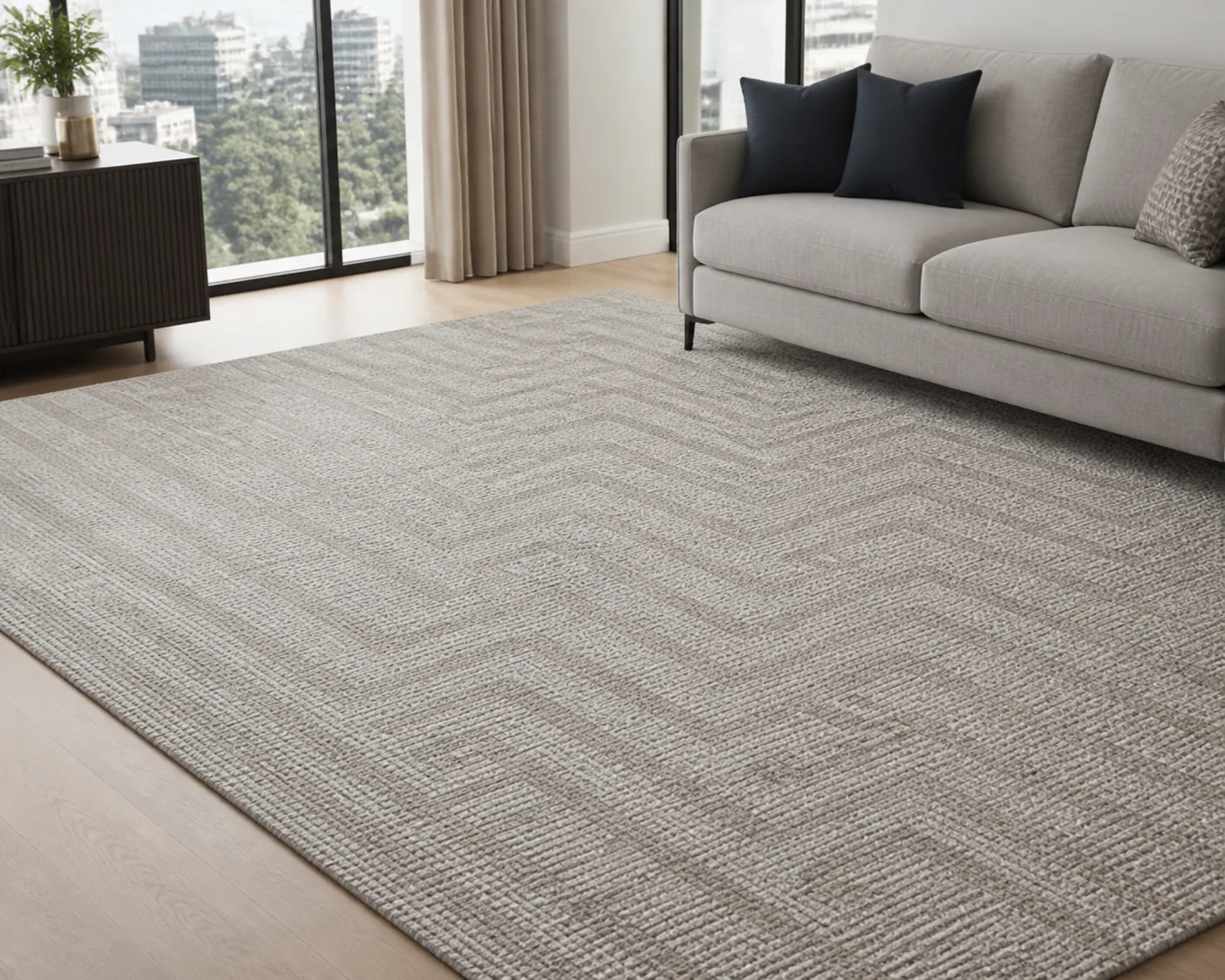
MAKE THE OBSERVATIONS USEFUL
The Epsom household map
Build the request around movement through the room. Select what is known, leave uncertain fibre information open, and use photographs to show where everyday traffic actually lands.
QUESTIONS FROM AN EPSOM FAMILY ROOM
Clear answers before the visit is shaped
Why map the walking route?
It shows whether the visible change follows use, an entrance or a single incident, which gives the assessment better context.
Do garden doors alter the plan?
They can explain grit and damp transfer. We record the route, but still assess the textile itself before choosing any method.
Can pile shading look like a mark?
Yes. A directional pile may appear lighter or darker as the viewing angle changes, so photographs from opposing directions are valuable.
Should dining chairs be removed first?
Small movable pieces may be cleared, while heavy or awkward furniture is discussed when the scope is agreed.
What if the fibre label is missing?
Write “unknown” and include face, reverse and edge photographs. A missing label should never be replaced by a confident guess.
Will an old drink mark disappear?
No outcome can be promised from age and appearance alone. Composition, previous products and physical fibre change all affect the limit.
How long must the room stay clear?
The answer follows construction, retained moisture, ventilation and conditions on the day rather than a standard Epsom duration.
Can the supporting floor be cleaned too?
Only if it is separately described and accepted within the booking; rug work does not automatically include the floor below.
What access note is useful?
Include parking limits, doorway width, stairs and the intended carrying route, especially for a large or stiff textile.
How does the £68 minimum work?
It is the current minimum visit charge. Compatible work at the same address counts only after the combined scope is approved.
LOCAL EVIDENCE, NOT POSTCODE FILLER
A home-use record makes the textile easier to understand
Around Epsom Common and the town’s family streets, rugs often connect entrances, garden doors and shared rooms. A useful survey records those connections. It also notes whether dining chairs travel over an edge, a dog settles in one corner, or afternoon sun changes the apparent shade.
A route-shaped example. The darker area begins at patio doors, bends around the sofa and fades before the dining end. That distribution becomes part of the record instead of one broad “dirty rug” label.
The practical boundary. A curled corner and chair abrasion are recorded as condition. Cleaning is not presented as a way to rebuild fibres or flatten structural distortion.
Epsom room-use ledger
Movement. Trace the route from the nearest outside door to the rug.
Reference. Show castors, chair feet and furniture that overlap its border.
Distribution. Record whether gritty soil is strongest near the entrance or across the centre.
Viewpoint. Photograph the same area with and against the pile direction.
History. Name any drink, food or pet event without guessing its chemistry.
Boundary. Keep permanent wear distinct from removable surface matter.
Measure. Measure the rolled length as well as the flat dimensions.
Drying. Identify a ventilated position that will remain free during drying.
Arrival. Mention alarmed gates, permit bays or timed parking before arrival.
Identity. Retain care labels and purchase information where available.
Residue. Do not add another household spray for the sake of the photograph.
Furniture. Agree heavy furniture handling before the visit.
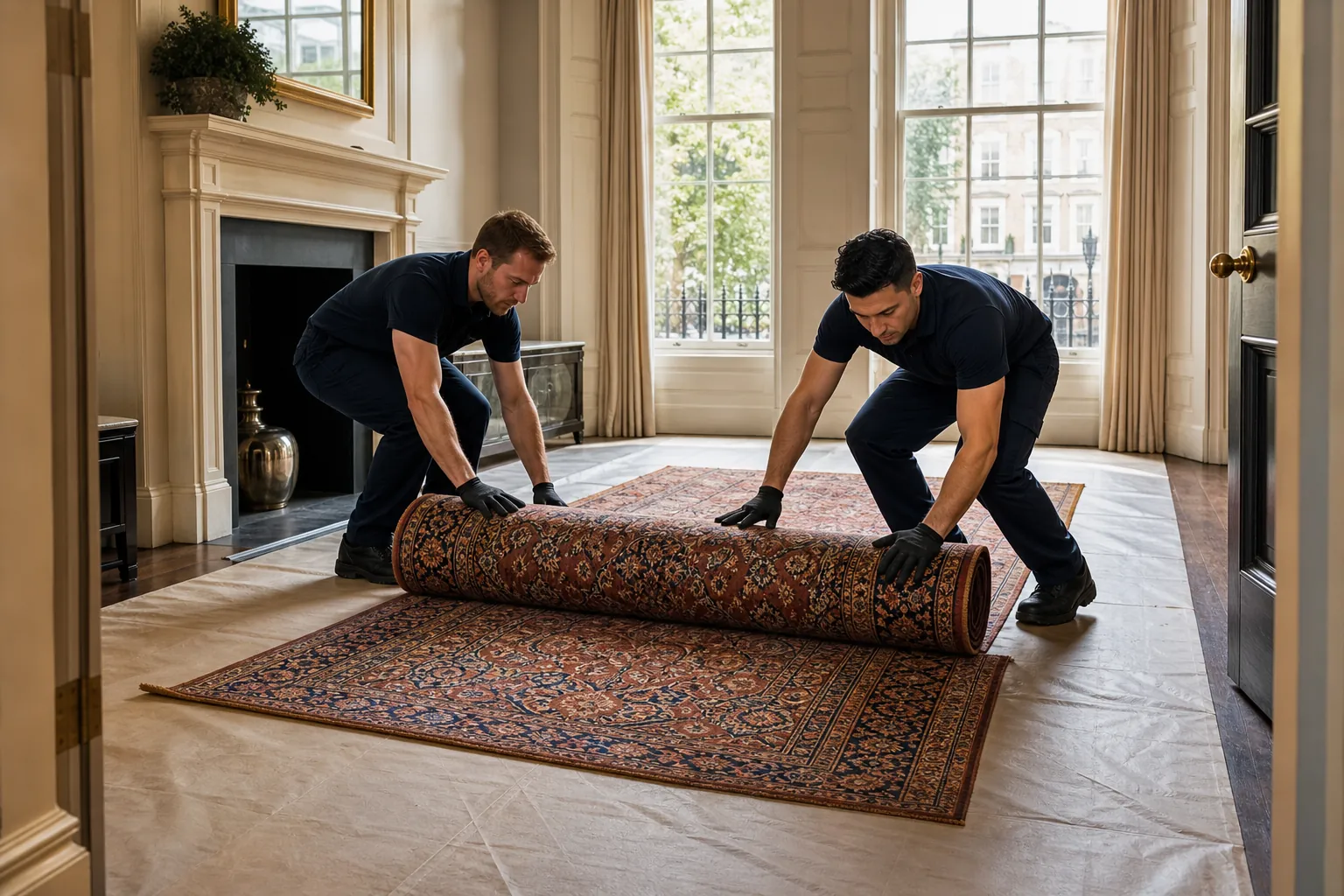
A MEASURED STARTING GUIDE
Four measurements anchor an Epsom estimate
Length and width establish the band; household use explains the rest. Fibre, density, edge weakness, previous products and the carrying route are reviewed before the scope is confirmed.
READ FOUR DIFFERENT SIGNALS
Room behaviour meets fibre behaviour
A family-room record prevents wear, loose soil and pile shading from collapsing into one vague concern.
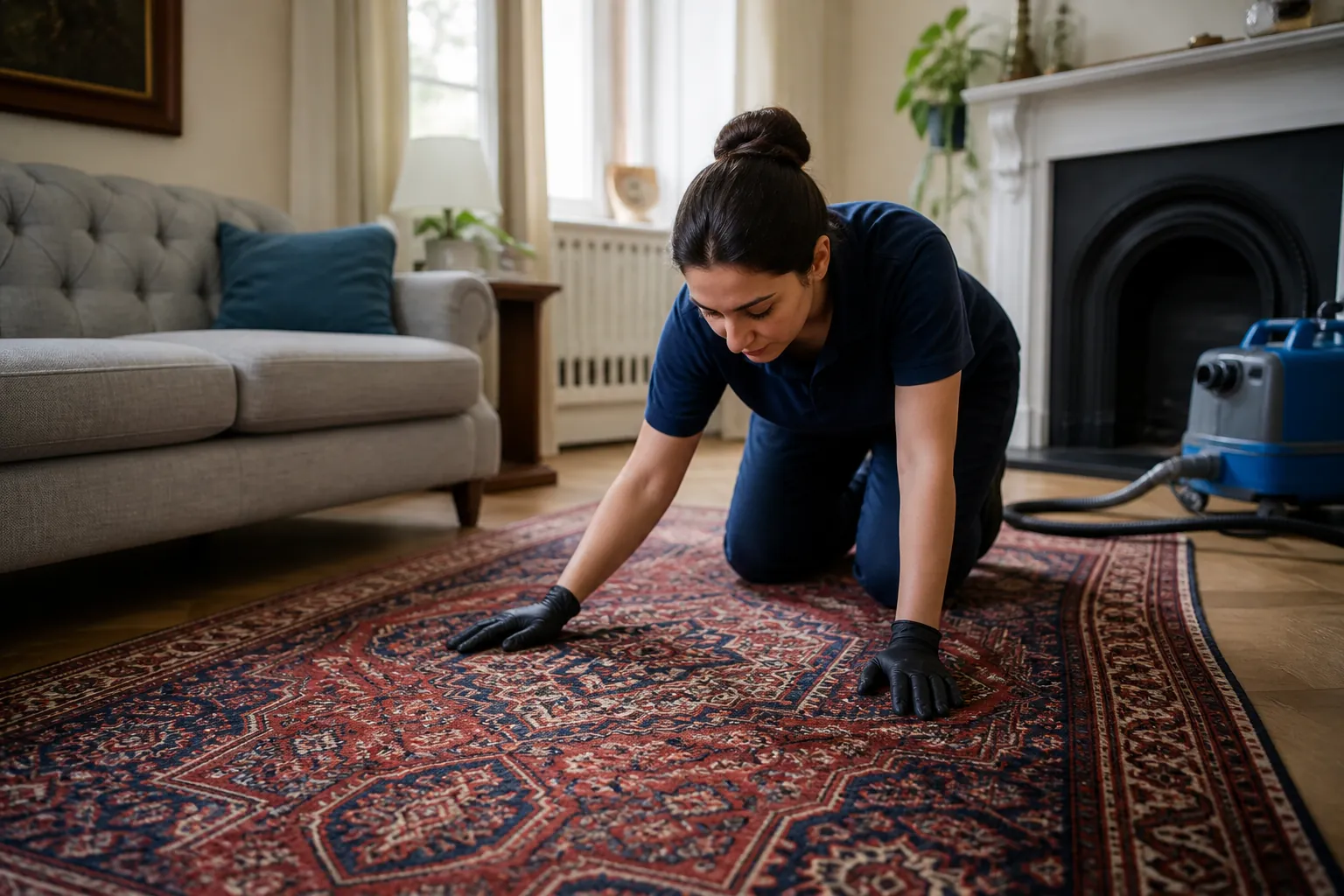
Where feet actually travel
A route-shaped darkening needs different reading from an even tone.
Pile direction and daylight
Two viewing angles help prevent shading being mistaken for a stain.
Chair and doorway contact
Curling or abrasion is logged before any movement.
A safe return position
The plan includes ventilation and furniture clearance.
ASSEMBLE THE REQUEST
Send a room route, not a string of adjectives
The most useful Epsom message pairs measurements with a simple diagram of everyday movement.
- Trace the route from the nearest outside door to the rug.
- Show castors, chair feet and furniture that overlap its border.
- Record whether gritty soil is strongest near the entrance or across the centre.
- Photograph the same area with and against the pile direction.
- Name any drink, food or pet event without guessing its chemistry.
- Keep permanent wear distinct from removable surface matter.
- Measure the rolled length as well as the flat dimensions.
- Identify a ventilated position that will remain free during drying.
- Mention alarmed gates, permit bays or timed parking before arrival.
Before the booking is fixed
Why map the walking route?
It shows whether the visible change follows use, an entrance or a single incident, which gives the assessment better context.
Do garden doors alter the plan?
They can explain grit and damp transfer. We record the route, but still assess the textile itself before choosing any method.
Can pile shading look like a mark?
Yes. A directional pile may appear lighter or darker as the viewing angle changes, so photographs from opposing directions are valuable.
Should dining chairs be removed first?
Small movable pieces may be cleared, while heavy or awkward furniture is discussed when the scope is agreed.
A SEQUENCE WITH A REASON
Seven decisions from traffic map to room reset
Each checkpoint keeps household use visible while the textile sets the technical limit.
- 01
Trace
Follow the room’s real walking pattern
- 02
Measure
Record field, border and rolled dimensions
- 03
Read
Compare face, reverse and pile direction
- 04
Test
Check decisions against fibre and colour
- 05
Clean
Work only inside the agreed boundary
- 06
Dry
Use the prepared ventilated position
- 07
Reset
Return after the textile is genuinely ready
DIRECTIONAL LIGHT CAN MISLEAD
Turn the viewpoint before naming the mark
Velvet-like and cut piles change tone as fibres lean. A photograph towards a window can make a clean area look dark, while the reverse angle can make it disappear. The Epsom record includes both views and still flags any residue that remains visible from each side.
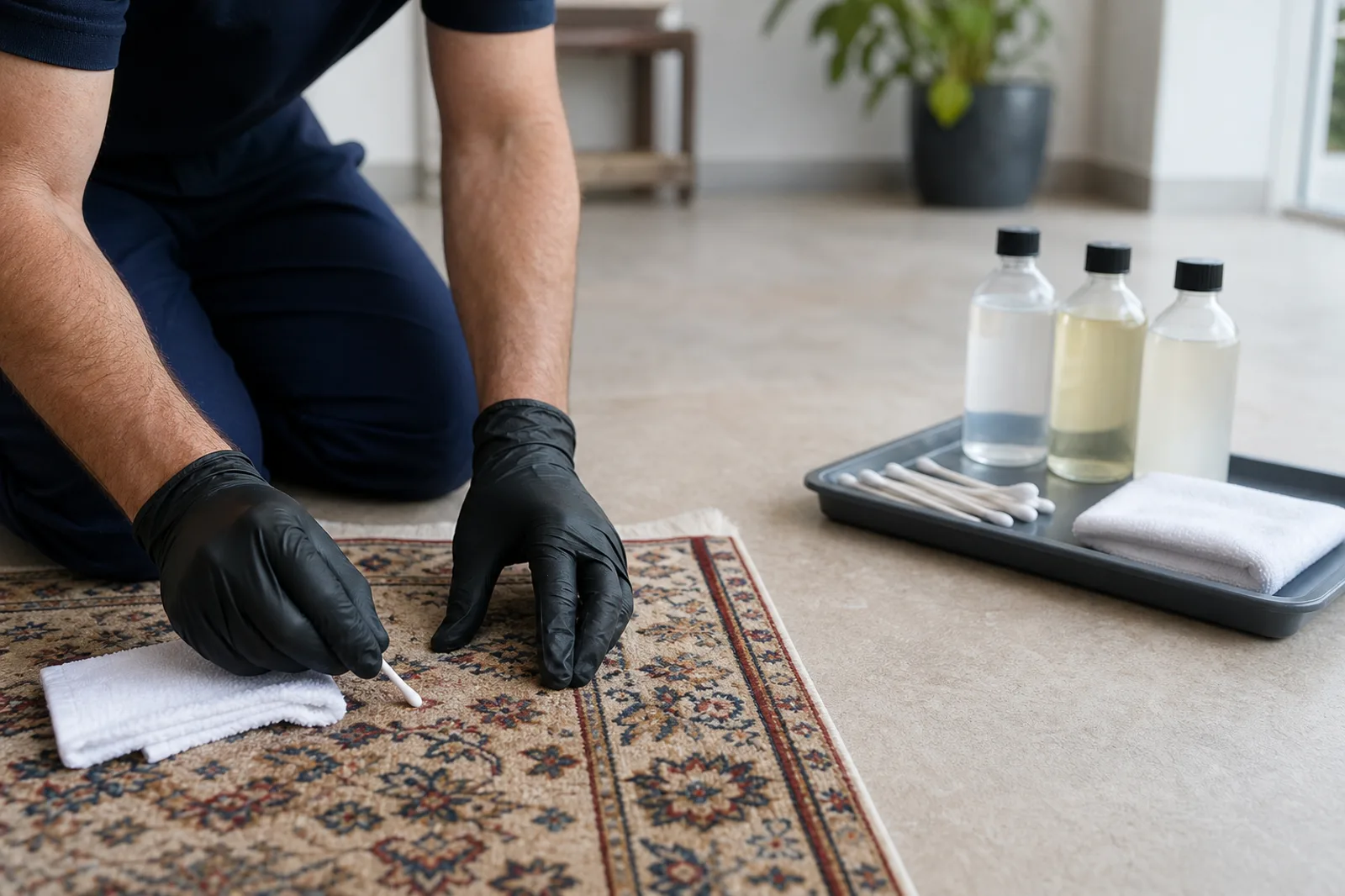
EVERYDAY EVENTS NEED DATES
Separate the spill from the walking lane
A recent drink incident, repeated garden traffic and long-term fibre wear may occupy the same patch. Date the known event, name anything applied and photograph the wider route so separate causes are not turned into one unsupported story.
- Name any drink, food or pet event without guessing its chemistry.
- Keep permanent wear distinct from removable surface matter.
- Measure the rolled length as well as the flat dimensions.
- Identify a ventilated position that will remain free during drying.
BEGIN WITH EVIDENCE
Send the room map with the rug evidence
A measured overview, traffic notes and honest close-ups give the Epsom quotation a sound starting point.
