
ORPINGTON · CARE PLANNED AROUND THE INDIVIDUAL RUG.
Professional Rug Care in Orpington with Assessment First
Every rug carries its own mixture of fibres, dyes, wear and household history. We learn what is actually in your Orpington home before shaping a quotation and care plan around the evidence.
- Photograph the rug in place so its scale is clear
- Give the widest and longest measurements without loose fringe
- Capture corners, borders, underside and any maker’s label
- Tell us how the item can be carried out of the property
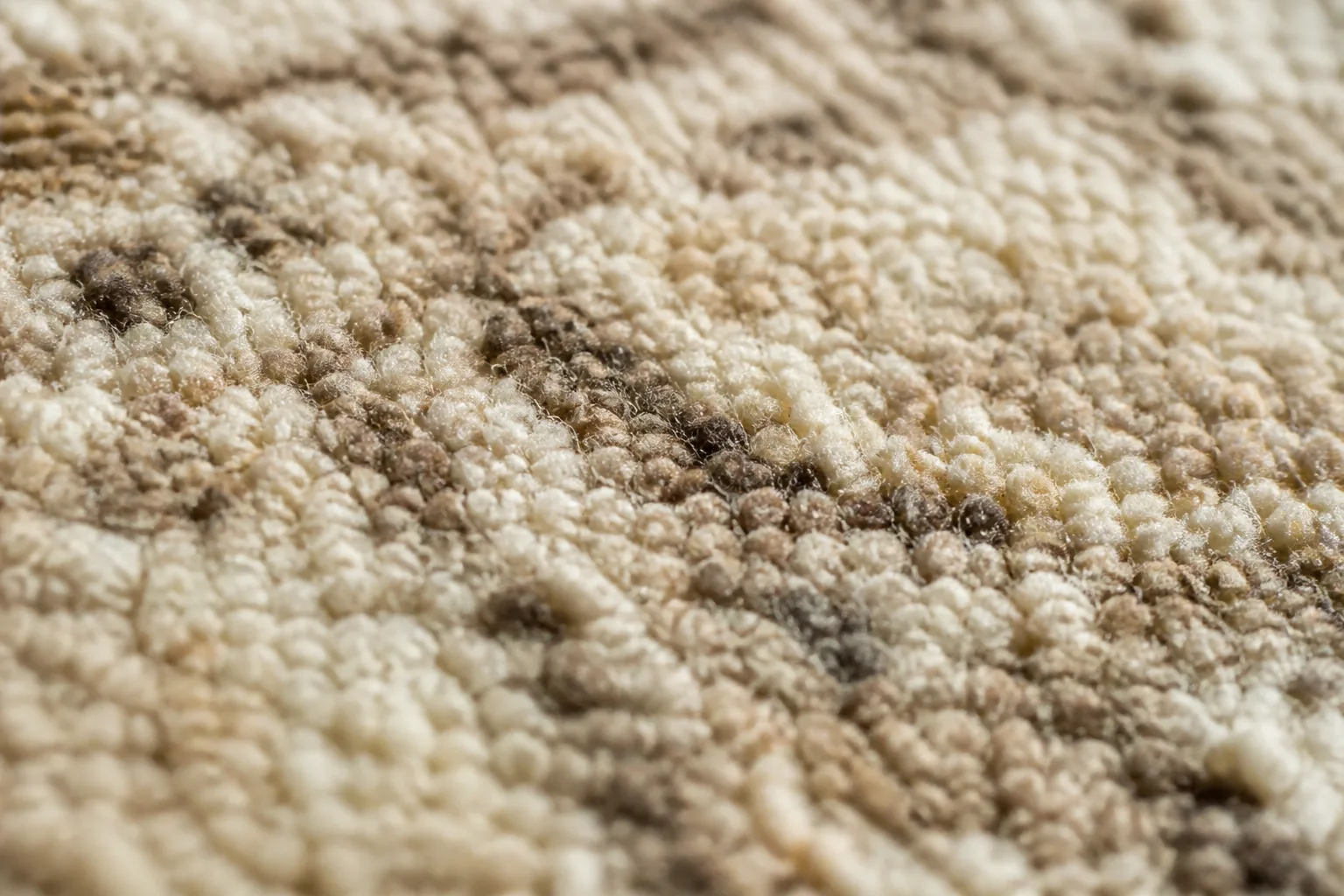
BUILD A USEFUL SNAPSHOT
Choose what you recognise; uncertainty is a valid answer
These selections create a starting note for our team, not an automatic cleaning prescription.
THE PROPERTY CHANGES THE PRACTICAL PLAN
The route from room to vehicle deserves attention
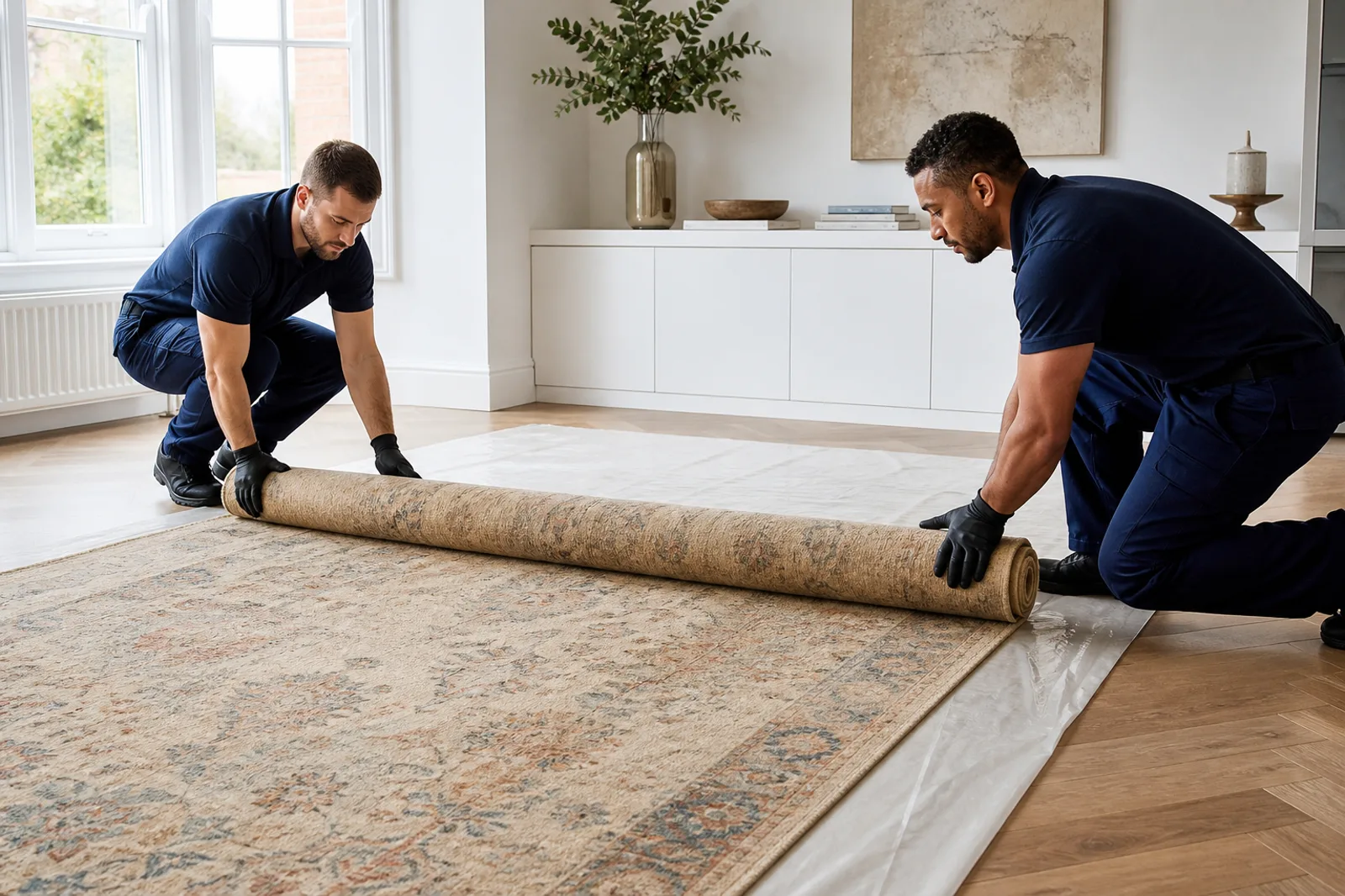
Picture a long wool runner beside a busy hallway, with one edge thinning where feet turn towards the stairs. Treatment is only part of the job: tight corners, a narrow entrance and the protected space available afterwards all affect sensible handling.
A good visual record starts wide. Show the entire runner and nearby furniture. Detailed shots can then reveal the worn margin, stitching and pile direction without losing their location.
If anyone has tried foam, powder, spray or a hired extractor, include it. Even an uncertain recollection is better than presenting the textile as untreated.
Notes for an Orpington rug enquiry
Identity: Treat the runner as one specific household item.
Dimensions: Measure its outermost points in both directions.
Main issue: Locate the worn traffic-side edge in a wide image.
Yarn clues: Photograph the label without relying on it as proof.
Pattern: Point out deep reds, dark borders or pale contrasts.
Manufacture: Note whether knots or machine rows appear beneath.
Perimeter: Include bindings, tassels and lifting stitches.
Underside: Look for patches, guards or discoloured areas.
Past attempts: List household products and equipment used.
Smell: Describe where and when it is most noticeable.
Property: Explain the journey from room to front door.
Contact surface: Tell us what flooring is normally covered.
Aftercare: Flag limited ventilation or shared walkways.
Repositioning: Plan for furniture sitting on the rug.
Requested result: Separate refreshment from a particular concern.
Realistic limit: Lost pile cannot be washed back into existence.
READING A VISIBLE PATCH
Similar appearances can have very different causes
A dull section might be trapped particles, compressed pile, old detergent, faded dye or worn yarn. We compare texture, colour and location before discussing reasonable improvement.
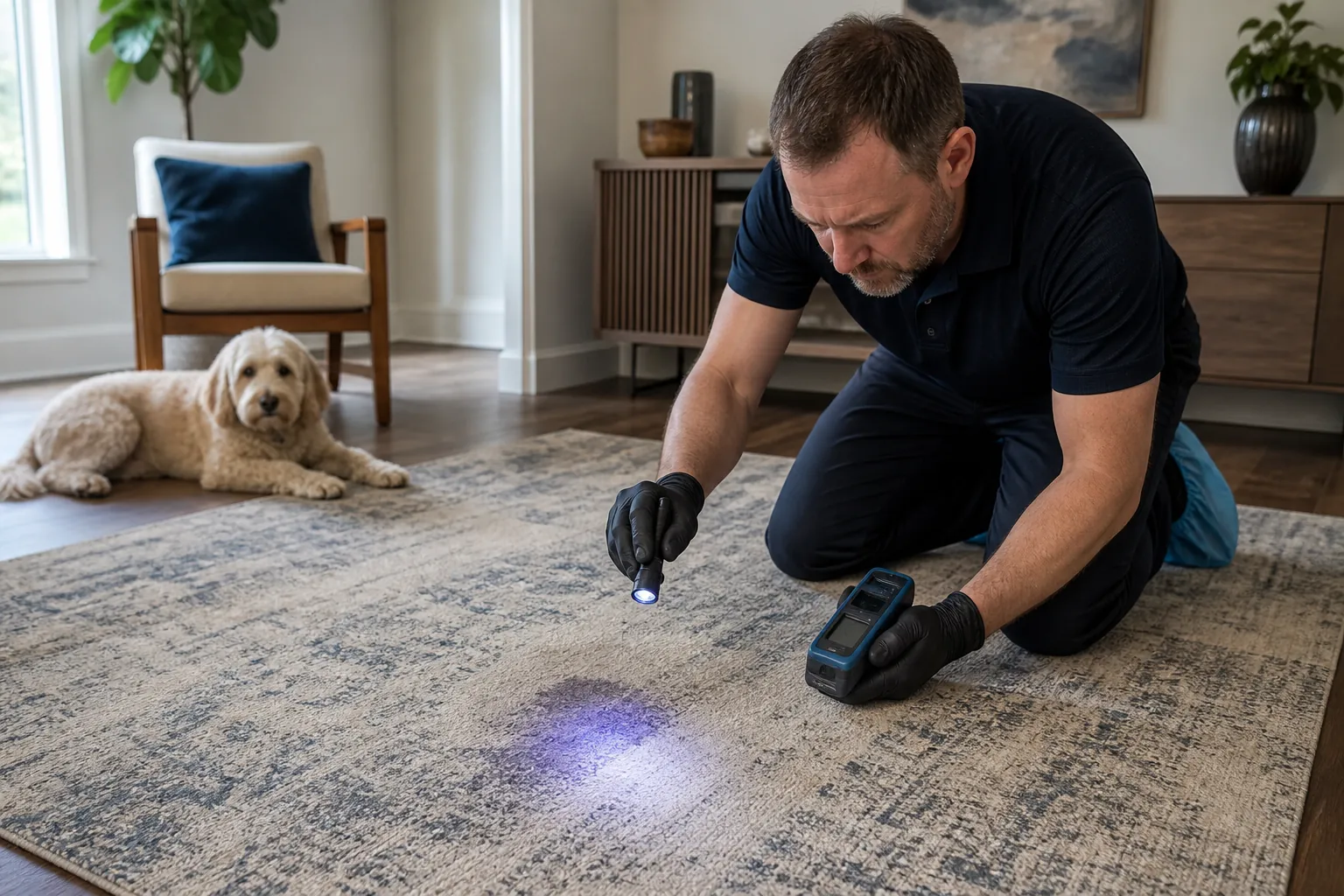
WHEN A SMELL LINGERS
Odour can travel farther than the original spill
Liquid may pass through face yarn into the foundation, underlay or floor. Explain the likely source and anything used afterwards, then pause further home treatment.
- Where the incident began and roughly when
- Whether the reverse or floor became damp
- Which cleaners or deodorising powders were applied
- Any change noticed after the area dried
WHAT TO SEND
A factual brief helps us price the right work
You need no specialist vocabulary. Clear pictures and straightforward observations are enough.
- Your Orpington postcode
- Length and width at the broadest points
- An unobstructed photograph of the whole rug
- A close image of the worn traffic edge
- Both the label and underside
- Loose threads, fringe or earlier repairs
- Known spills and products tried
- Flooring and furniture contact
- Parking and the indoor carrying path
Useful answers before booking
Can you confirm fibre from my photograph?
A picture supplies clues, although touch, construction and colour checks may remain necessary.
Does a dark patch always mean dirt?
No. Flattened yarn, wear and colour change can imitate surface soiling.
Can you promise an exact drying hour?
Yarn depth, backing, ventilation and indoor conditions all influence it.
Should the rug go under furniture immediately?
Use the return guidance supplied after that particular rug’s final review.
FROM FIRST LOOK TO HANDOVER
Seven decisions keep the work tied to evidence
The sequence is adjusted whenever behaviour or condition calls for narrower boundaries.
- 01
Document
Log dimensions, faults and the desired outcome
- 02
Investigate
Study yarn, dyes, backing and vulnerable details
- 03
Lift loose matter
Reduce dry debris using compatible handling
- 04
Address priorities
Work on agreed areas within test limits
- 05
Control the finish
Balance moisture removal with structural care
- 06
Reassess
Check centre, borders, reverse and tassels
- 07
Return with advice
Explain ventilation, placement and daily upkeep
ORPINGTON PRICE INDICATIONS
Size provides the baseline, not the entire scope
Once weave, fragility, condition and access are understood, we can confirm the applicable band and specialist work.
WHAT THE LABEL CANNOT TELL US
Two wool rugs may require different boundaries
Yarn absorbency, colour security, foundation and previous repair work influence what can safely be attempted.
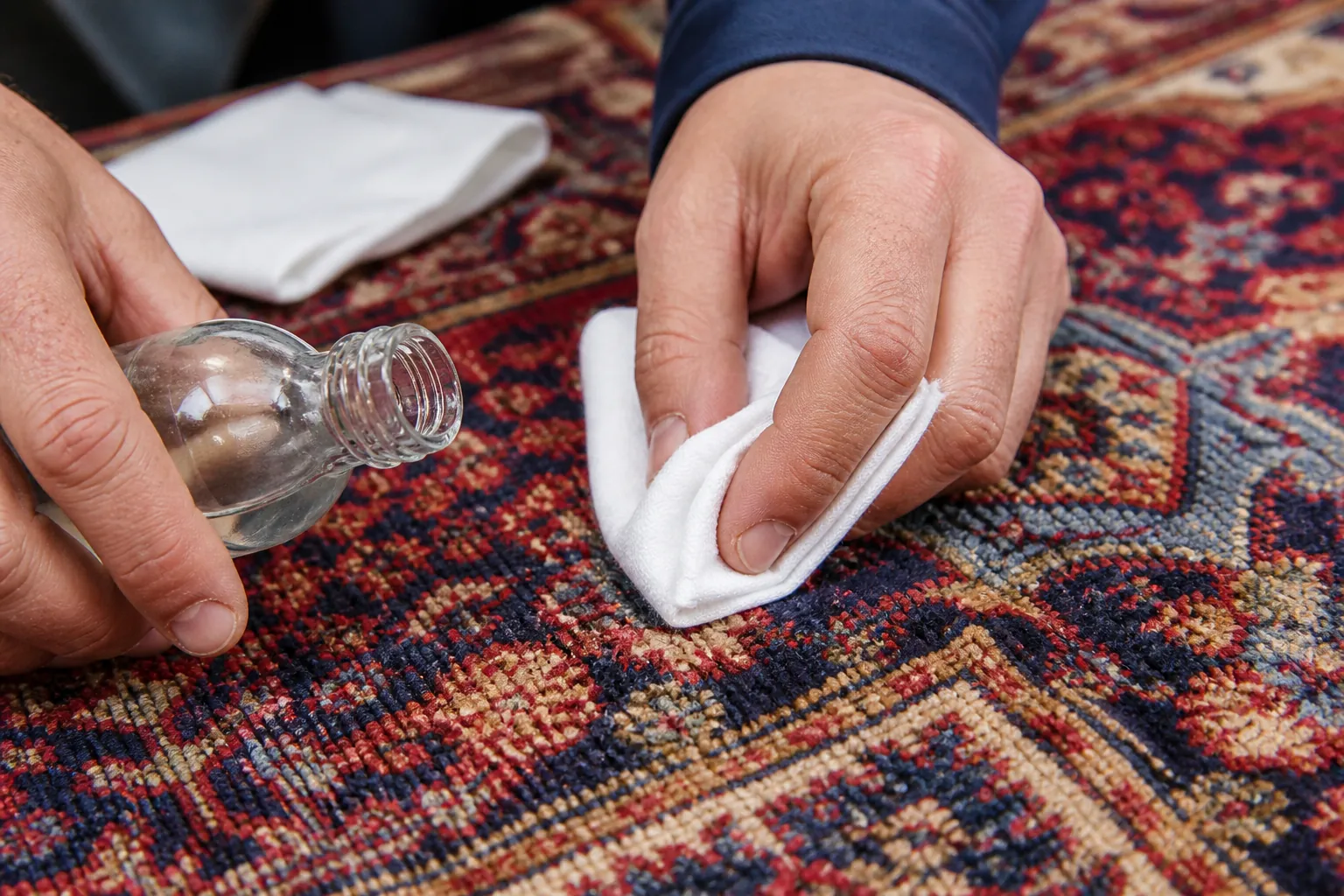
How the yarn reacts
Absorbency and sensitivity define suitable handling.
Whether shades remain stable
Small checks reveal risks within bold patterning.
What supports the face
Underlying build affects movement and moisture decisions.
Where weakness already exists
Repairs and worn borders become known limitations.
ORPINGTON RUG FAQ
Ten practical questions from local households
What should my Orpington enquiry contain?
Send postcode, measurements, whole-item and detailed photographs, treatment history and access notes.
Is a wool runner automatically suitable for one standard method?
No. Dyes, foundation, pile condition and repairs can change the safe approach.
Can cleaning restore the worn hallway edge?
It may remove surrounding soil, but missing or abraded fibre remains physical damage.
Why do you need a picture underneath?
The reverse can expose construction, repairs, labels and evidence of a spill passing through.
What if I cannot remember the stain remover’s name?
Describe its form, colour and timing; an honest partial history still helps.
Could pet odour also be in the flooring?
Yes. Moisture can reach a pad or floor, leaving more than the textile affected.
When is it safe to put a table back?
Follow individual handover instructions, especially where feet could mark damp pile.
Why might drying differ between two Orpington houses?
Room temperature, ventilation, rug thickness and backing produce different conditions.
Will dimensions give me a final price?
They establish a band; fragility, access, contamination and specialist attention can alter scope.
What does the £68 visit minimum mean?
Eligible compatible work may be combined after each requested service is reviewed.
YOUR ORPINGTON RUG, CLEARLY DESCRIBED
Begin with photographs, measurements and the concern in your own words
Those details help us ask better questions and prepare a relevant quotation.
