
WANDSWORTH · PLAN AROUND HOW THE ROOM IS USED
Rug Cleaning in Wandsworth for Hard-Working Rooms
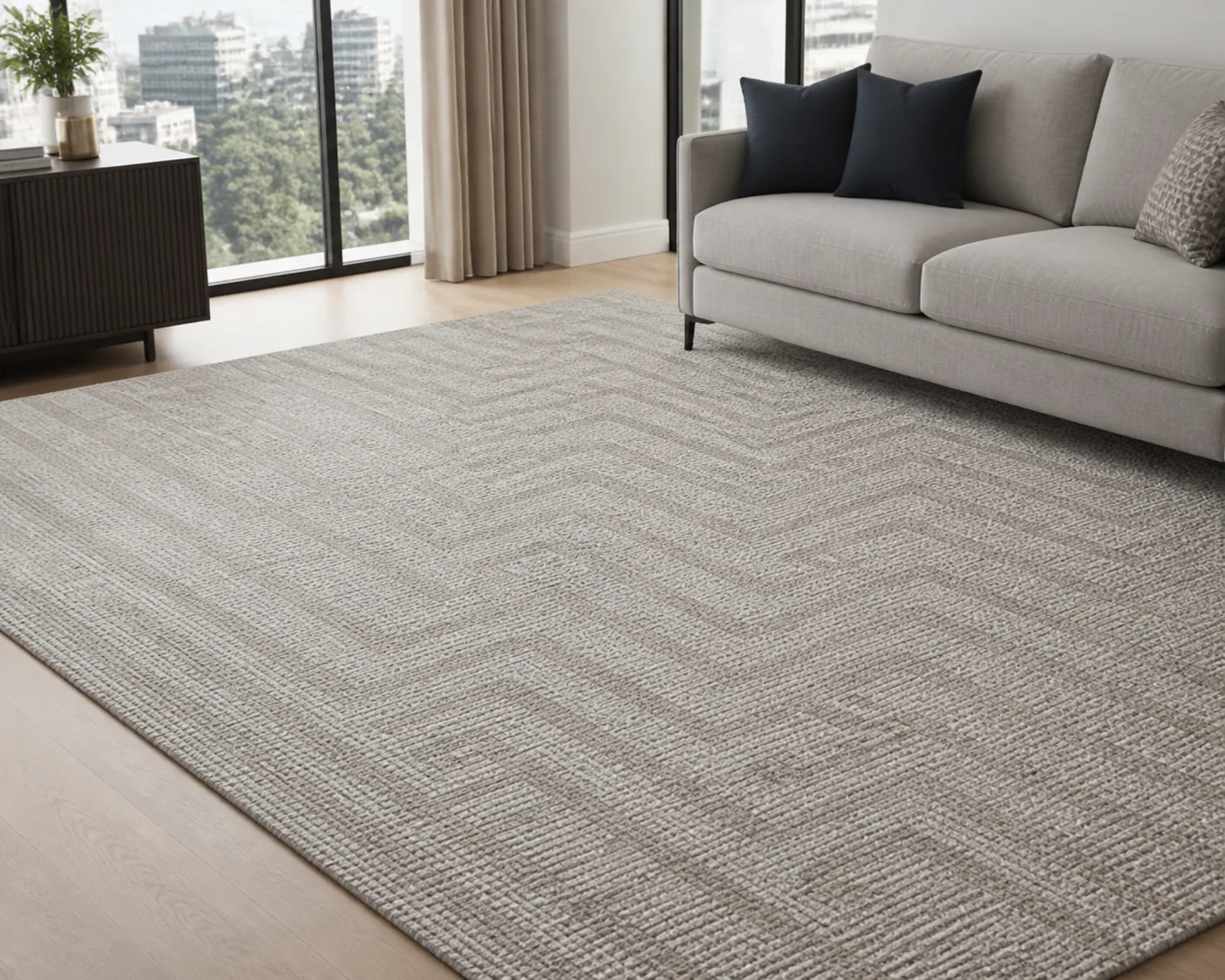
Hall runners and sitting-room rugs collect wear in recognisable routes. Tell us where people cross, where furniture bears weight and whether the rug can be lifted clear. That living-room map is more useful than a generic description of dirt.
- Mark the doorway, chair legs and busiest walking line
- Give the woven size without counting loose tassels
- Photograph a quiet corner beside the most used section
- Explain kerb, communal door and internal carrying turns
MAKE A ROOM-USE SKETCH
Describe where change occurs, not what you think caused it
The selector turns everyday observations into questions for inspection.
A WANDSWORTH CARRYING PLAN
The journey out of the room can set practical limits
A long runner may clear the furniture yet still be awkward at a narrow landing. Measure the tight turn, mention shared entrances and say whether another person can keep the route free. Handling details belong in the quotation rather than being discovered at the door.
Compare like with like. Take one photograph down the full length of the rug. Then photograph the busy lane and a sheltered area from the same height and in similar light.
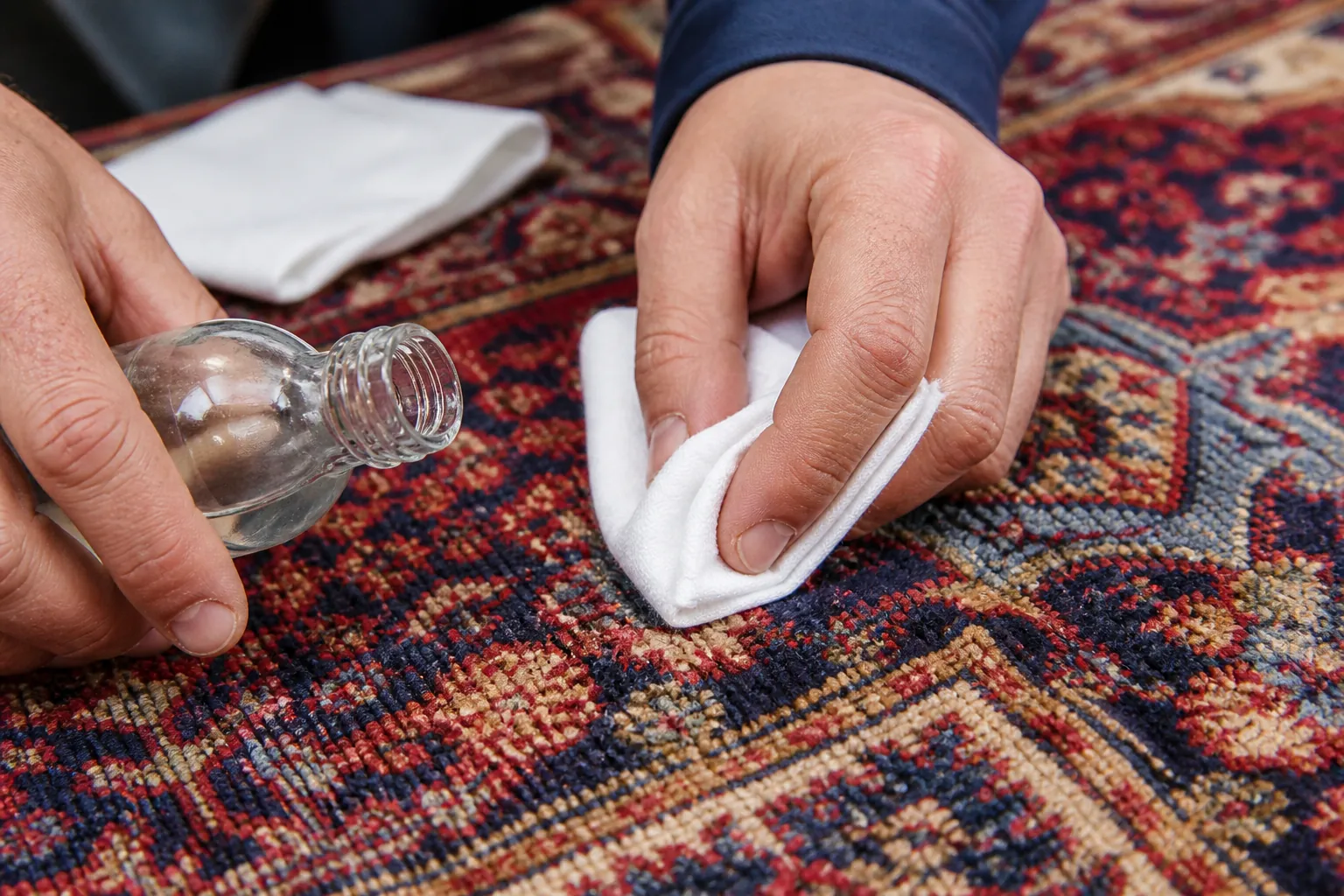
If a household spray was used, keep its name or bottle. A changed patch after home treatment may be residue, altered colour or both; the record should not choose between them.
Traffic-and-access record
Route: Draw the regular path across the rug.
Contrast: Photograph used and sheltered pile together.
Weight: List tables, chairs or cabinets sitting on it.
Edges: Note curling, loose binding or thinning.
Dimensions: Measure the woven body in two directions.
Label: Copy wording rather than interpreting it.
Reverse: Include corners and the busiest zone.
Products: Name every powder, foam or spray tried.
Moisture: Say whether a spill reached the floor.
Timing: Mention when the difference first appeared.
Entry: Explain loading or parking restrictions.
Inside: Count stairs and describe sharp turns.
Ventilation: Identify windows or usable airflow.
Household: Plan around children and animals.
Damage: Separate wear from removable deposits.
Outcome: Keep colour and fibre loss outside promises.

READ THE TRAFFIC PATTERN
Four comparisons can explain more than one close-up
Light, pile direction and physical pressure can imitate soil. A balanced set of views helps distinguish them.
Use contrast
Shows how the room has affected appearance.
Depth clue
Reveals whether change travels through the build.
Visual check
Reduces misleading shadows across the pile.
Wear boundary
Places loose or weakened sections accurately.
CURRENT WANDSWORTH STARTING BANDS
First measure the woven footprint
The final scope can change with construction, condition, carrying difficulty and any separately agreed work.
PILE DIRECTION
Turn the viewpoint before calling a strip dirty
Compressed yarn reflects light differently. Photograph the area from both ends, then note whether brushing changes the shade. That simple observation keeps physical distortion separate from a deposit.
WHAT REACHED THE FLOOR?
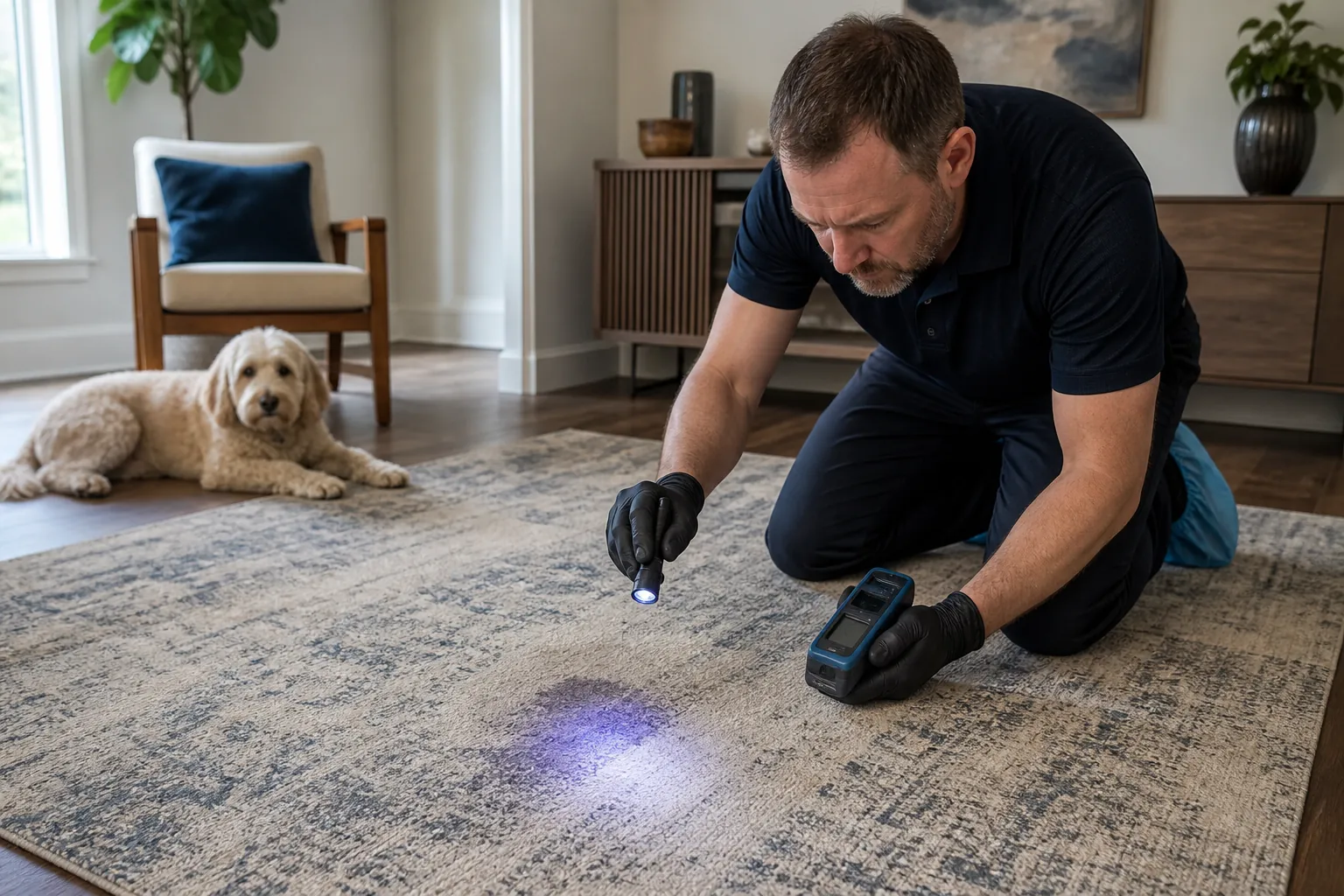
A spill can extend beyond the visible circle
Report the liquid volume, any blotting and whether the underside or underlay became damp. Odour work depends on where material travelled, not only on what remains visible.
- Approximate amount and date
- Face, foundation and supporting surface
- Blotting, rinsing or product already used
- Access to the reverse without unsafe lifting
SEND A ROOM-SPECIFIC BRIEF
Let each photograph answer one practical question
Start wide, then add evidence of use, construction and access.
- Postcode and preferred appointment window
- Woven length and width
- Full room position
- Busy lane beside a quiet comparison
- Label wording and underside
- Loose edges or previous repairs
- Known household products
- Furniture bearing on the rug
- Narrowest carrying point
Useful checks before sending
Should tassels count in the area?
Provide the woven body measurement and record tassel length separately.
Can an even grey lane be wear?
It may combine deposits, abrasion and pile compression, so comparison and inspection matter.
Must the rug be moved first?
No. Show its normal position and do not attempt unsafe lifting.
Can I cover it while it dries?
Follow the item handover; covering can obstruct airflow.
FROM ROOM MAP TO RETURN
A sequence organised around safe movement
Every stage relates the textile to the route, supporting floor and household timetable.
- 01
Locate
Map traffic, furniture and concerns
- 02
Release
Plan safe lifting and clear access
- 03
Compare
Read fibre, pile and sheltered areas
- 04
Choose
Set boundaries from the evidence
- 05
Work
Address the agreed priorities
- 06
Position
Support airflow without foot traffic
- 07
Return
Explain furniture and use timing
WANDSWORTH QUESTIONS
Answers for rugs in active rooms
What is the best first photograph?
A wide view showing the entire rug, doors and furniture establishes how the room works.
Why compare two parts of the pile?
A sheltered section offers a reference for traffic, light and compression.
Can photographs identify wool reliably?
No. A label is helpful, while fibre and dye behaviour may still require direct checks.
Does a dark strip guarantee removable soil?
No. Wear, pile direction and residue can create similar appearances.
Should furniture be dragged away?
No. List immovable pieces and wait for a safe handling plan.
Why mention the communal entrance?
Door controls, booking rules and narrow turns affect how the item can be carried.
Can a home spray change the quotation?
Yes. Product history can affect testing, expectations and the agreed route.
When can the room be used again?
That advice follows the actual build, moisture level and available ventilation.
Is price only a square-metre calculation?
No. Size opens the band; construction, condition, handling and extras refine it.
What does the £68 figure mean?
It is the starting minimum for an eligible visit after the combined scope is checked.
BEGIN WITH THE WAY YOUR ROOM WORKS
Turn a traffic pattern into a useful Wandsworth brief
Measurements, comparison views and access notes give the enquiry a clear foundation.
