
Need earlier
The items that should not disappear into the whole load.
- Selected household boxes for the first return
- Clothes needed before the room changes back
- Small personal equipment requested separately
Brixton / Storage for a Clearly Defined Load
Make a room useful now without losing the things you still want.
Sometimes the immediate need is room to live, work or prepare the home for its next use. A Brixton storage enquiry can begin with selected furniture and household cartons rather than an entire move. Define what leaves, what stays available and what would trigger the return.
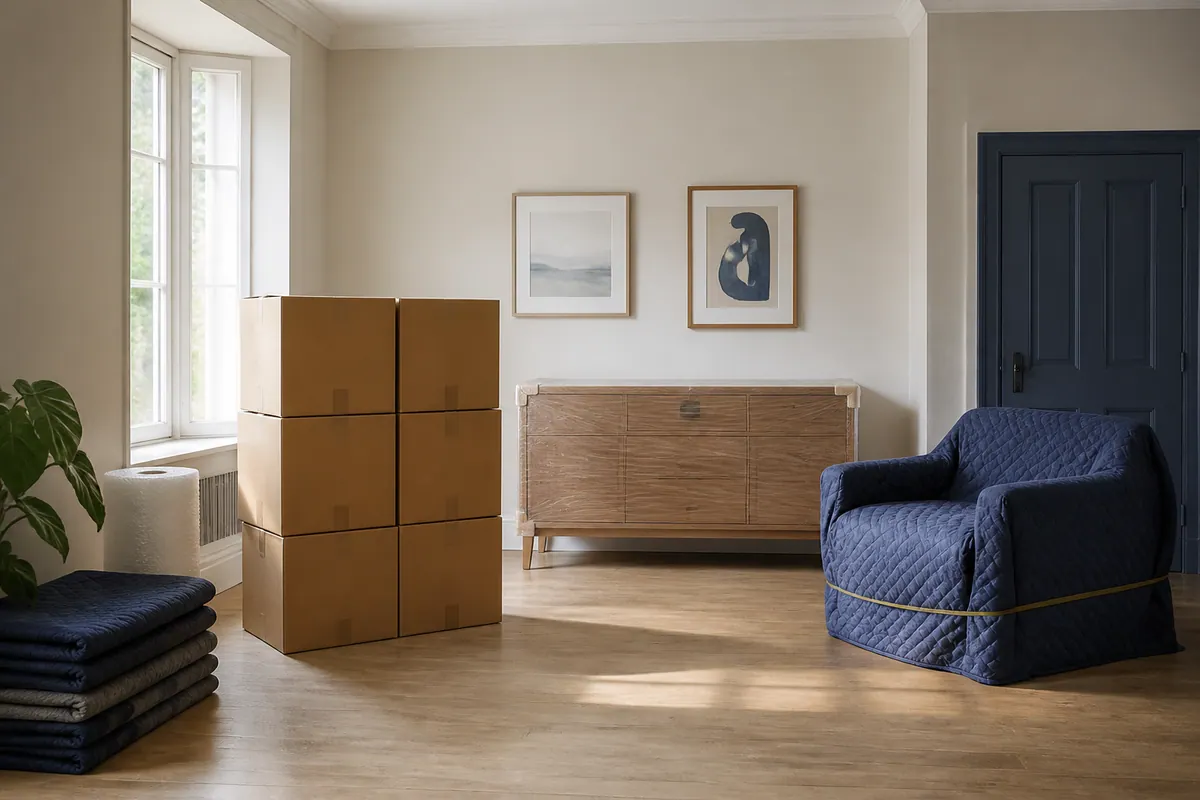
A useful first conversation
Use quantities to define the selected load. Add dimensions for the furniture and state which nearby belongings are excluded, so the enquiry does not expand into a full household clearance.
Plan the return before the departure
The return may not recreate the original layout. Decide which furniture is still wanted in that room and explain any changed destination before arranging release.
Need earlier
Need later
Ask about separate retrieval if a few household items will be needed before the space is ready for furniture.
Identify those early cartons precisely; everyday necessities should already have been kept out of the stored load.
Record delicate surfaces and components so preparation can be discussed for the actual furniture.
Keep the later-return group linked to the room or destination where it will be used.

Brixton, before collection day
Start inside the Brixton property, with the room’s temporary purpose. Clearing a desk area is a different instruction from removing every cupboard’s contents. Identify the pieces preventing that use, then decide which belongings still need to be close at hand.
Your item-list example: A spare table, occasional seating and boxes of retained household goods can each have a separate reference. Record the actual items you intend to store rather than using the example as a package.
Before collection, consider how remaining furniture affects the exit route. Making space in one corner should not create an obstruction elsewhere. Explain any access limits and the expected period before the room changes back.
Plan the route out of your property ↓Keep the move connected
Discuss removal coordination if the room change is part of a wider move.
Assess transport for a smaller retained load from its handling needs.
Request preparation for the cartons and furniture leaving the room.
Arrange a defined furniture journey when the next position is ready.
Alesta customer feedback / Furniture removal & packing
“I used Alesta Services for furniture removal and packing when I moved houses. The team was incredibly careful with my belongings and made the whole process seamless.”
James W. · Existing Alesta review, not a storage testimonial for Brixton.
Choose your starting point
The selector helps separate furniture handling from carton preparation. Use it for the selected room contents, while describing any unusual piece in the notes.
Inventory focus
Pack the proposed household group with clear references. Keep the things needed every day outside it, including essential documents and valuables.
Add this to your inventory ↓
Dimensions before estimates
Floor space gained at home and storage space required are different questions. Furniture shape, protection and suitable placement affect the latter.
List the single bulky piece beside the carton quantity.
Separate furniture from smaller loose household goods.
Explain what remains assembled and what can be prepared differently.
Request assessment for several rooms with mixed contents.
Do not infer a fixed unit from the room’s floor area. Tell the team about fragile or sensitive belongings before assuming they are suitable for the proposed arrangement.
What changes at home?
A room needed for a different household use may require only occasional furniture to leave.
Preparing a room for work can mean keeping everyday items nearby while larger pieces are assessed for storage.
Before moving, clearing selected belongings may help organise the remaining household without setting an early return date.
A shorter period of reduced clutter still needs a clear decision about what you retain and expect back.
Collection is part of the storage plan
Show how the furniture passes the belongings that will remain in the home.
Describe door widths and turns relevant to the largest selected piece.
Explain any stairs between the room and proposed loading point.
Confirm the person providing entry and any building arrangements.
Revisit the route if the temporary room use changes access before delivery.
Flats and apartments: Keep the shared route usable around retained items.Mansion blocks: Confirm entry rather than assuming common-space access.Houses: Describe how the selected furniture leaves occupied rooms.Rental or managed properties: Identify who can approve the limited collection.
One connected arrangement
Identify the pieces that prevent the room’s next use.
Explain how they reach the property’s exit.
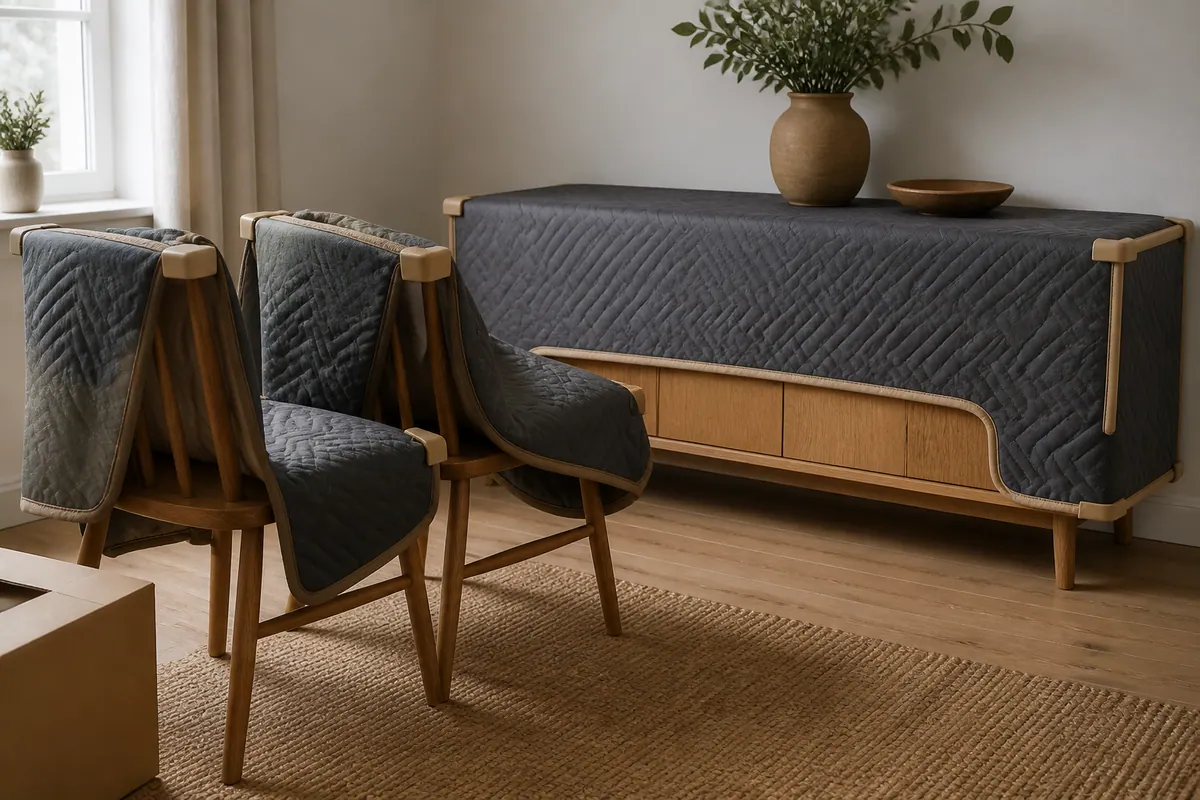
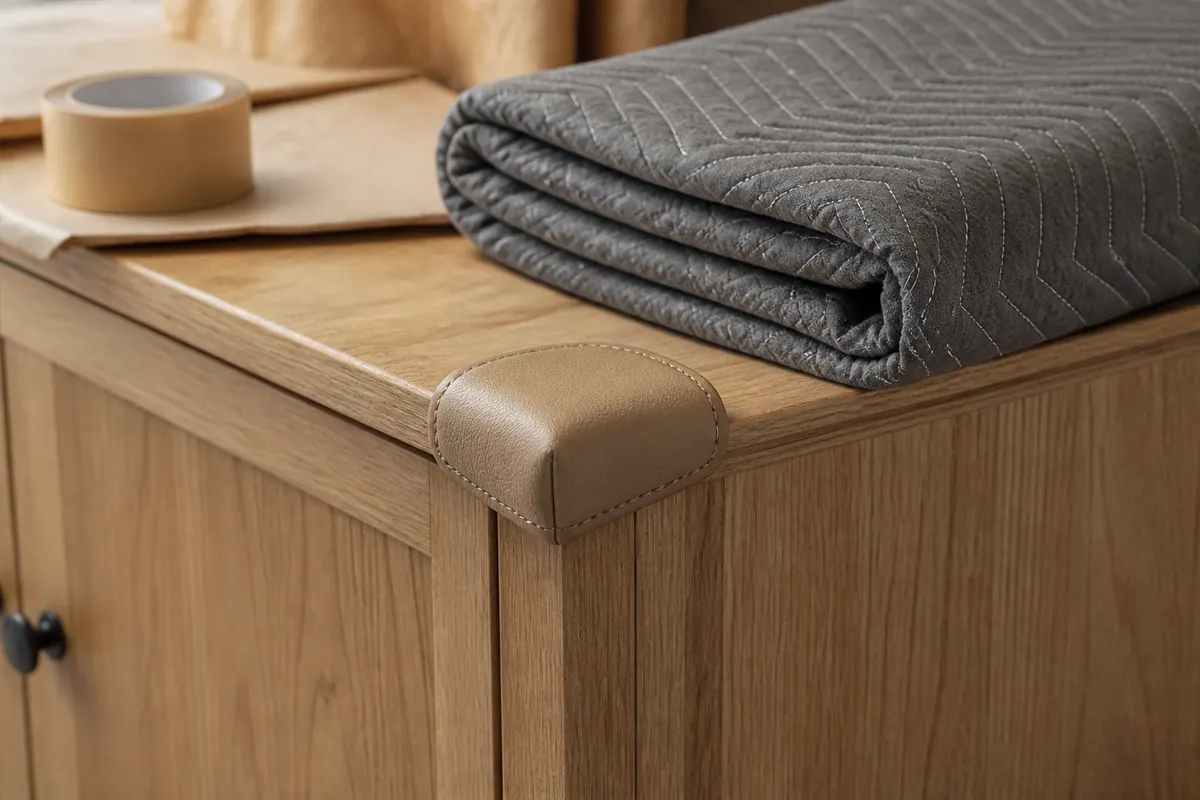
Agree carton preparation and furniture protection.
Release only the belongings on the current list.
Review the proposed period and storage conditions.
Arrange the return when the space can receive the load.

The timetable can change
| Planning point | A shorter gap | A longer arrangement |
|---|---|---|
| Typical purpose | A room needed for a short interval | A temporary use with no firm end |
| Preparation | Prepare for the expected movements | Review protection over the proposed longer term |
| Retrieval | Bring back pieces that have a place | Identify any belongings needed during the wait |
| Duration | Give the likely change-back date | State the uncertainty at quotation stage |
| Quotation | Include the selected clearance scope | Clarify extended storage and extra returns |
Explain what the end of storage depends on. A temporary household arrangement can last longer than expected, so ask about extensions and return notice rather than leaving them implicit.
Scope first. Quote second.
For Brixton, describe the actual furniture and cartons that need to leave. A quotation for selected belongings should distinguish their preparation, transport and storage from unrelated work elsewhere in the home.
| Service scope | Price approach | Main factors |
|---|---|---|
| Volume & access assessment | Review of the selected room contents | Items, measurements and suitability |
| Collection & placement | Collection planned for this load | Property route and requested preparation |
| Ongoing storage | Term-specific storage arrangement | Expected wait and applicable conditions |
| Final retrieval / delivery | Agreed return movement | Destination, released items and notice |
Measurements, access, protection and duration inform the proposal. If the list grows or the return changes, ask how that affects the total before assuming the original scope still applies.
Direct answers before you book
Describe those items individually. The assessment uses the defined load, its preparation and the collection requirements.
List inclusions and exclusions explicitly. Nearby furniture or unpacked cupboards should not be treated as additional instructions.
Set aside daily necessities, essential records and valuables. Identify other likely early needs before packing the storage group.
No. Item dimensions, shape and suitable protection determine the assessment more usefully than the space being cleared.
Explain the changed position and access route before arranging return. The delivery plan needs current information.
Raise that possibility when discussing terms. Partial retrieval may need notice and additional handling or transport charges.
Ask about extensions before booking and communicate revised timing promptly. Continued storage depends on the agreed arrangement.
Discuss which tasks you will complete and which help you are requesting. Materials and labour should be clear in the quotation.
Contact the team beforehand where possible. Additions can affect the assessed load, space and handling and are not automatically included.
Compare the same inventory, preparation, collection, term and return assumptions. An isolated storage charge may omit other work.
No. It creates an email draft for review. Booking and item acceptance require confirmation after the enquiry.
Brixton / Service area
Send the Brixton postcode and explain the selected room’s current use. Read the household service details under Storage Services.
Ask where the proposed storage would take place and what retrieval arrangements apply. Confirm those conditions alongside the household requirements.
A little space. A clear next step.
Send the Brixton furniture list and the room’s temporary purpose. Add the expected timing and any belongings that may need an earlier return.
