
Several rooms moving
Separate the storage inventory from items travelling directly to the next home so the two loads cannot be mistaken.
Croydon / Storage for More Than One Room
Keep the room list useful after the boxes leave.
A Croydon collection involving several rooms needs more than a total count. Use references that remain recognisable when furniture is wrapped and cartons are no longer beside the cupboards they came from.

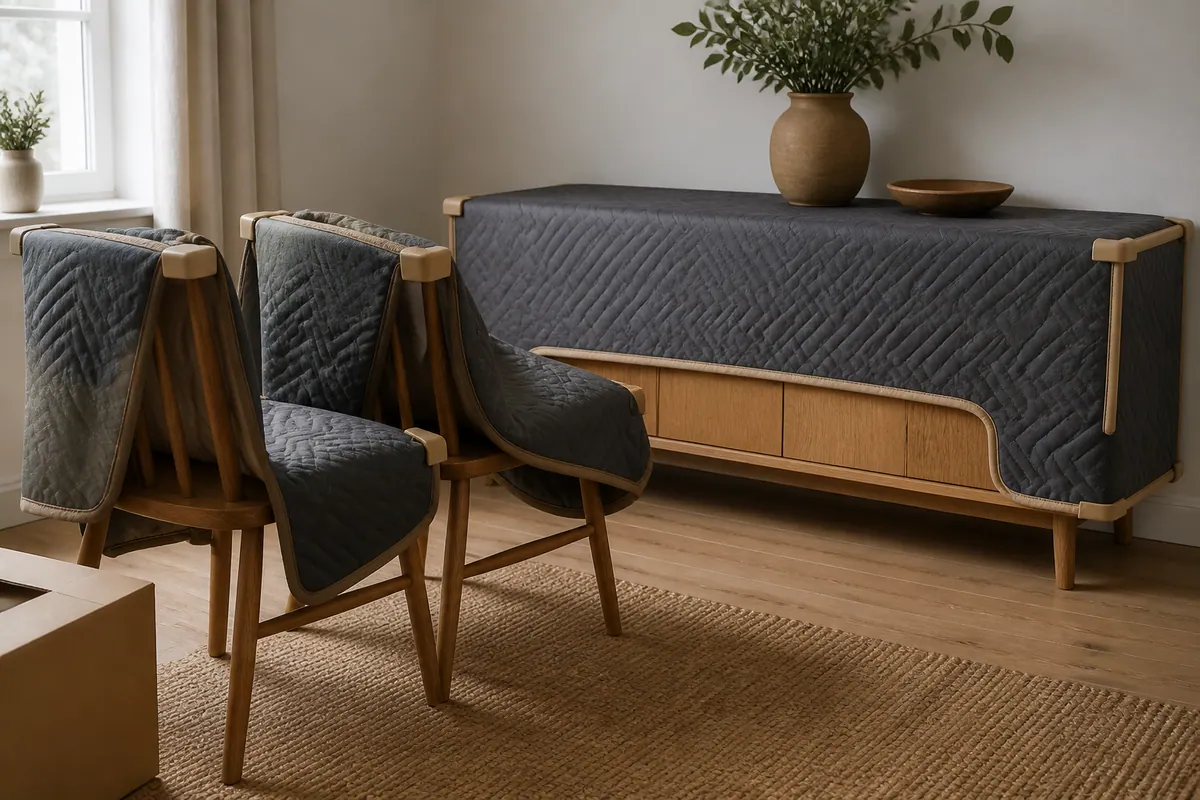
Croydon, before collection day
When several Croydon rooms contribute to storage, the inventory should remain understandable away from the property. Use one reference for a piece throughout its movement, and link room groups without counting the same furniture twice. Add receiving-room notes when the next arrangement becomes clear.
For this enquiry: A bedroom set needs individual-piece details alongside carton quantities. Record each large item’s starting floor and dimensions; a room label is useful organisation but cannot establish storage space or a workable handling route.
Record the original room and floor for each large item. Group the boxes by the order rooms will be set up at the destination.
Plan the route out of your property ↓What changes at home?
Separate the storage inventory from items travelling directly to the next home so the two loads cannot be mistaken.
Mark the rooms being cleared and keep the rest of the household’s everyday belongings outside that scope.
A former bedroom may become a study. Label for the intended destination as well as the original room.
Identify which substantial pieces are definitely staying in your ownership before including them in the assessed volume.
Choose your starting point
Pick a category to check preparation questions, then return to the room list to ensure every intended item has a reference.
Inventory focus
Use one naming system across the household. A carton labelled only ‘miscellaneous’ will be difficult to identify in a later request.
Add this to your inventory ↓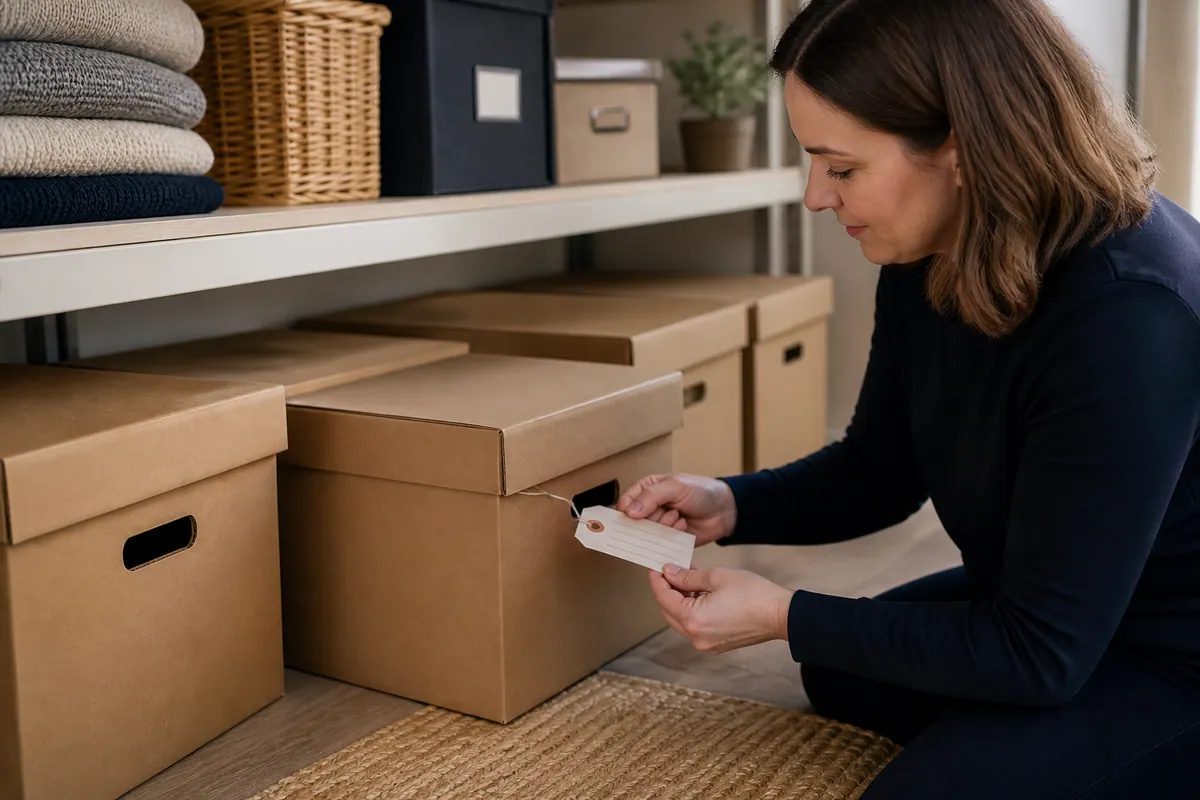
Dimensions before estimates
The number of rooms describes organisation rather than physical volume. Furniture geometry, packed contents and protection determine what needs assessment.
Measure each substantial piece even in a short list.
Count cartons apart from furniture in that room.
Distinguish direct-delivery groups from retained groups.
Request a detailed review if the inventory cannot be captured reliably in simple quantities.
Mention sensitive materials and unusual contents alongside the room reference; general household scope does not confirm their suitability.
A useful first conversation
Enter quantities by type, then add room references and dimensions in the notes. Keep a copy of the final list for the return discussion.
Plan the return before the departure
Decide which room should function first at the destination. Match its furniture and cartons through the inventory rather than relying on memory.
Need earlier
Need later
Partial returns require a confirmed process, notice and possible charges. Keep essential papers and valuables outside the ordinary stored load.
Keep box references consistent between the original list and later requests.
Describe furniture components separately where they could become confused across similar pieces.
Use planned return groups when seasonal needs differ from the final household delivery.
The timetable can change
| Planning point | A shorter gap | A longer arrangement |
|---|---|---|
| Typical purpose | A defined interval between household moves | Contents held while plans develop |
| Preparation | Label for both handling stages | Review protection across the proposed term |
| Retrieval | First delivery organised by useful room | Potential later groups identified early |
| Duration | Specify the intended collection and return | Ask how a revised finish is agreed |
| Quotation | Measure the actual mixed-room load | Allow for storage and separate movements |
Room labels do not grant access rights. Confirm duration, retrieval notice, chosen storage conditions and insurance details in the proposal.
Collection is part of the storage plan
State where each large piece begins; a ground-floor entrance does not describe upstairs furniture handling.
Include steps, gates and the distance between the entrance and proposed loading point.
Record assembled dimensions and loose parts for bedroom and dining furniture independently.
Confirm any entry or lift arrangements once for the complete collection, and note exceptions.
Room references organise the job; they do not replace measurements or establish how furniture will fit through the route.
Flats and apartments: Record the floor for each substantial piece.Mansion blocks: Check common access for the complete load.Houses: Describe internal routes between the rooms.Rental or managed properties: Confirm one final version of the inventory.
One connected arrangement
Reconcile the room lists into one current inventory.
Match large pieces to their starting floors.
Confirm labels, wrapping and any dismantling tasks.
Check the collection against the final references.
Retain the agreed inventory with the storage terms.
Use those references to specify the return groups.
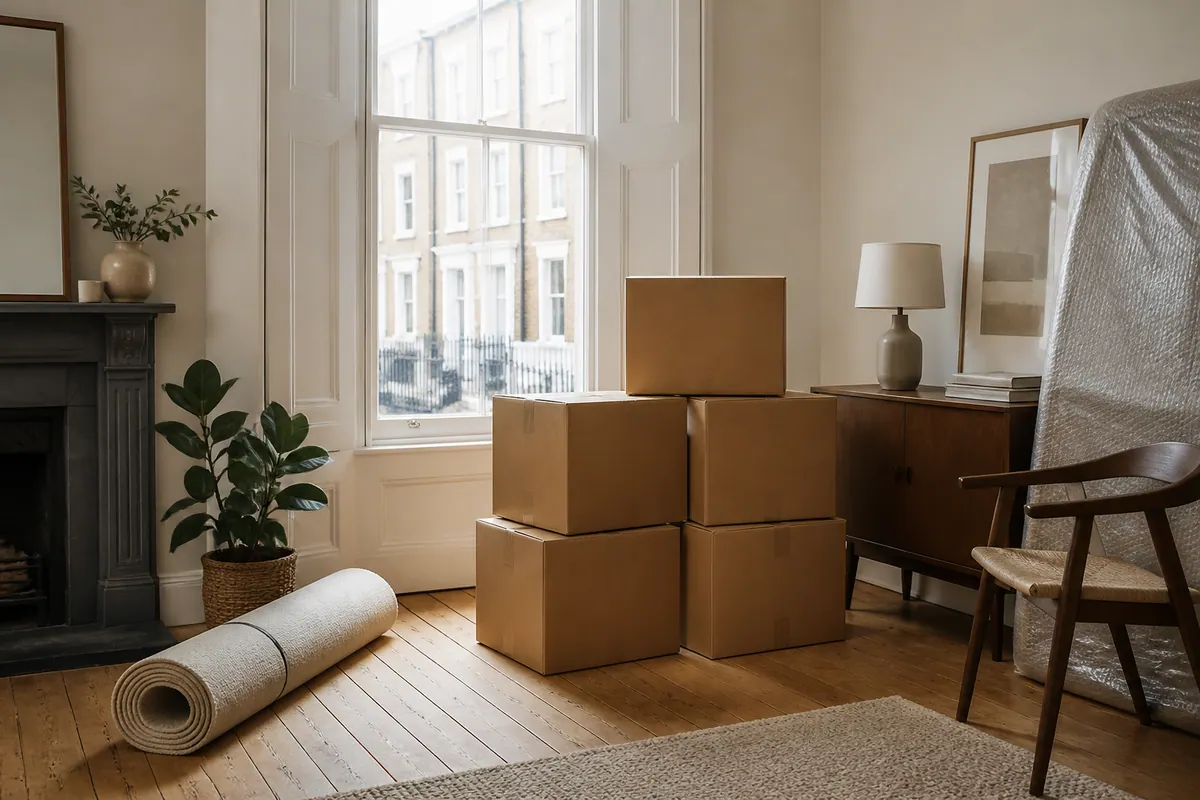
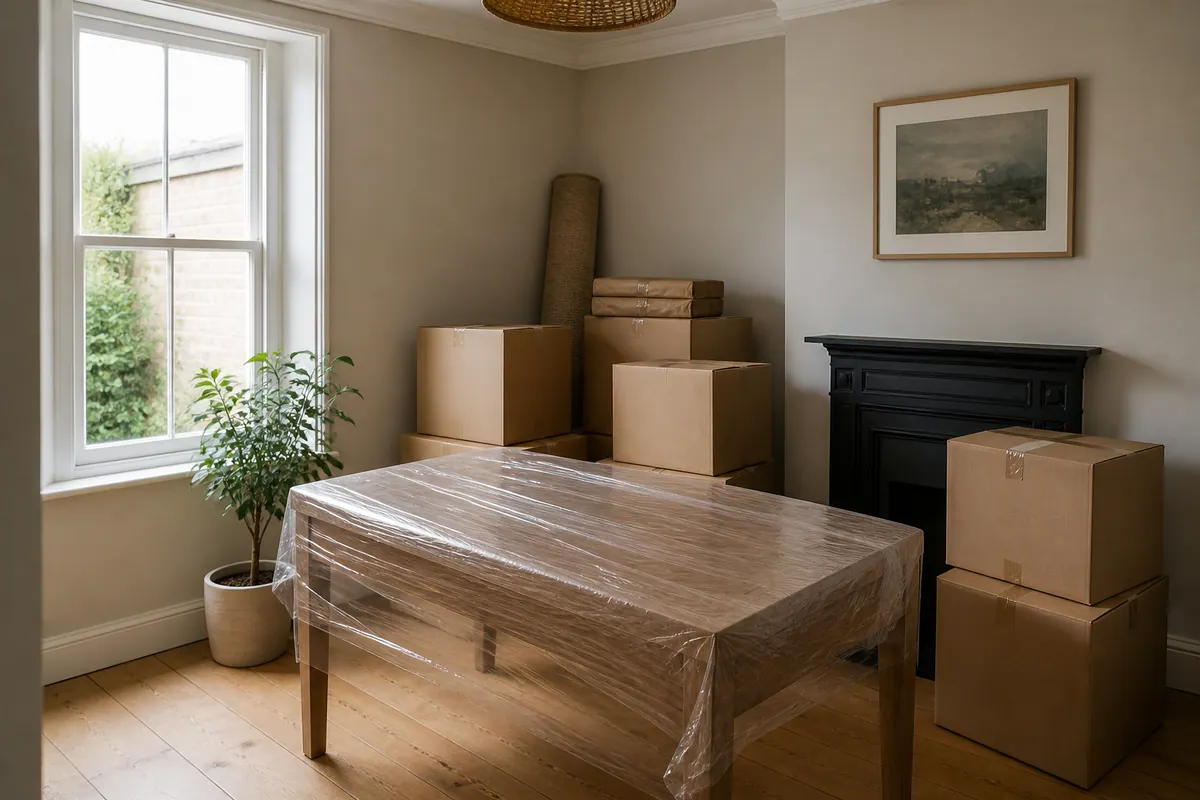
Scope first. Quote second.
The Croydon quotation should use a reconciled inventory rather than overlapping lists from different rooms. Remove duplicates and identify items not entering storage.
| Service scope | Price approach | Main factors |
|---|---|---|
| Volume & access assessment | Room-list assessment | Deduplicated quantities and furniture sizes |
| Collection & placement | Whole-load collection review | Floors, crew, vehicle and preparation |
| Ongoing storage | Proposed period costs | Volume and confirmed conditions |
| Final retrieval / delivery | Return-group quotation | Destination access and selected references |
Quantities, large-piece dimensions, floors, protection and the order of return all influence scope. Ask how ongoing charges differ from the work of collecting and delivering.
Keep the move connected
Link the room-based inventory to a household move with a storage interval.
Discuss a smaller separately identified transport group when appropriate.
Agree a consistent packing and labelling approach before collection.
Arrange the return of named furniture pieces with their destination access details.
Alesta customer feedback / Furniture removal & packing
“I used Alesta Services for furniture removal and packing when I moved houses. The team was incredibly careful with my belongings and made the whole process seamless.”
James W. · Existing Alesta review, not a storage testimonial for Croydon.
Direct answers before you book
List substantial furniture individually and count cartons by room. Use references that remain clear once belongings are wrapped and no longer beside their original furniture.
It is background information, not a storage calculation. The actual furniture, carton sizes, protection and layout requirements need review.
Reconcile the household lists before requesting confirmation. Duplicate descriptions could overstate the load or create uncertainty about what is included.
Both can help when room purposes change. Keep a stable reference linking the original location to the intended destination.
Ask for that group explicitly before booking. Partial handling and delivery depend on the agreed process, notice and charges.
State its starting floor, dimensions and stair or lift route. Do not describe the entire collection as ground-floor because the front entrance is level.
Only if agreed. Identify components and ask about preparation, protection and how fittings will remain associated with the correct piece.
Send a revised version and identify additions before collection. Space, transport and handling may need to be reassessed.
No blanket acceptance applies. Declare unusual, delicate or potentially restricted items and keep valuables and irreplaceable records separately.
Confirm the actual arrangements and any options in the proposed terms. Do not infer cover or facility features from a general service description.
Provide the current inventory, collection address and access, expected duration and return priorities. The email draft is a starting enquiry, not a booking.
Croydon / Service area
Provide the Croydon address and access for the room groups being collected. Read the household scope at Storage Services.
Ask which location and conditions are proposed for the accepted inventory, together with the return procedure.
A little space. A clear next step.
Bring the quantities together, remove duplicates and show which room needs to be usable first when the belongings return.
