
A familiar piece needs inspection
Identify loose and sensitive parts during preparation, instead of assuming they can travel like ordinary cartons.
Forest Hill / Storage with Furniture Handling Notes
A familiar item name can hide important handling details.
A bookcase may have fixed shelves, glass or a loose base that its name does not reveal. Include construction and condition alongside measurements. Known concerns are better raised before collection than discovered when the item is being moved.


Forest Hill, before collection day
A bookcase’s name says little about fixed shelves, fragile panels or an unstable base. Put those relevant details beside its dimensions before collection is considered. For Forest Hill, a measured, condition-noted inventory makes the handling discussion more precise and keeps delicate contents distinct from heavy cartons. Photographs should support the record, not leave the important construction questions for the moment of movement.
Your item-list example: a wooden bookcase, upholstered chair and household cartons. This is an illustration for the enquiry, not a description of a booked job. Record the actual pieces and quantities you want assessed.
Show any fixed shelves or projecting parts that affect the bookcase’s route. Mark fragile contents separately from the heavier book cartons.
Plan the route out of your property ↓What changes at home?
Identify loose and sensitive parts during preparation, instead of assuming they can travel like ordinary cartons.
Room work may expose construction issues that should be recorded before the furniture leaves.
Keep retained pieces separate from furniture being replaced, especially where their condition differs.
Identify occasional-use cartons without mixing delicate contents into heavy book groups.
Choose your starting point
Add construction details that affect handling. Two similar-sized bookcases may have different requirements.
Inventory focus
Record carton sizes and separate heavy books from fragile contents. Keep essential records outside ordinary storage, and connect delicate-item notes to the matching inventory references.
Add this to your inventory ↓
Dimensions before estimates
A fragile panel or irregular base may require protection beyond the outer silhouette. Explain it before estimating space.
Measure pieces with construction and condition recorded.
Identify fixed shelves and parts that remain rigid.
Keep delicate contents distinct from heavier room groups.
Assess materials, protective needs and the complete furniture list.
A furniture name is not a suitability decision. Explain sensitive materials, loose construction or unusual contents before acceptance.
A useful first conversation
Give measurements and concise relevant notes. Photographs should clarify the same references rather than replace written detail.
Plan the return before the departure
Separate fragile contents from book cartons in the record and discuss retrieval of the intended group.
Need earlier
Need later
Keep essentials and irreplaceable records separately. Condition notes help planning, not access rights; confirm partial release procedures, notice and charges before needing a fragile group early.
Keep delicate-group references distinct from heavy book cartons.
Declare fragile panels and never let them support other loads.
Identify likely-use groups without obscuring handling differences.
The timetable can change
| Planning point | A shorter gap | A longer arrangement |
|---|---|---|
| Typical purpose | Furniture awaiting a short household change | Condition-sensitive pieces retained for later use |
| Preparation | Prepare according to construction and condition | Review materials against the anticipated waiting time |
| Retrieval | Identify the referenced pieces returning | Separate fragile groups needing an earlier request |
| Duration | Agree scope against the declared condition | Revisit suitability if the period changes |
| Quotation | Construction notes, preparation and route | Suitable conditions, time and handling requirements |
State expected duration and sensitivity. Suitability of the proposed conditions needs confirmation without assumed environmental features.
Collection is part of the storage plan
A decorative top or rigid shelf edge may affect a narrow turn. Identify what is genuinely removable.
Check the collection point alongside the handling needs of the declared furniture.
Show fixed shelves, tops and projections where they meet narrow turns.
Arrange entry with the condition and preparation notes available for the accepted load.
Show any fixed shelves or projecting parts that affect the bookcase’s route.
Flats and apartments: describe rigid furniture through the shared path. Mansion blocks: check lift and entry limits against fixed components. Houses: identify stair turns relevant to delicate pieces. Rental or managed properties: confirm who can identify the condition-noted inventory.
One connected arrangement
List construction, show the route and agree preparation. Do not save a relevant handling question for collection day.
Assess rigid projections and the actual route together.
Agree protection for declared construction and condition concerns.
Use the assessed item record during handover.
Confirm conditions appropriate to the declared materials.
Request referenced pieces with preparation and receiving details clear.
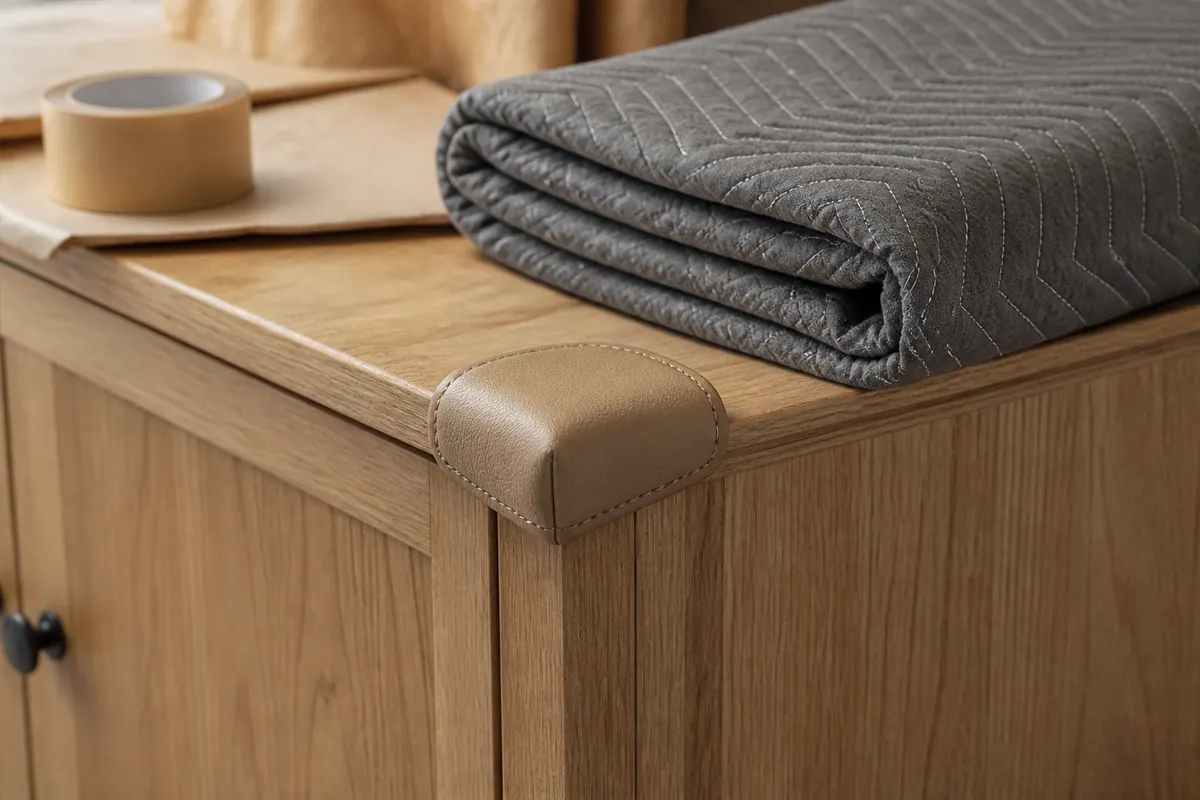
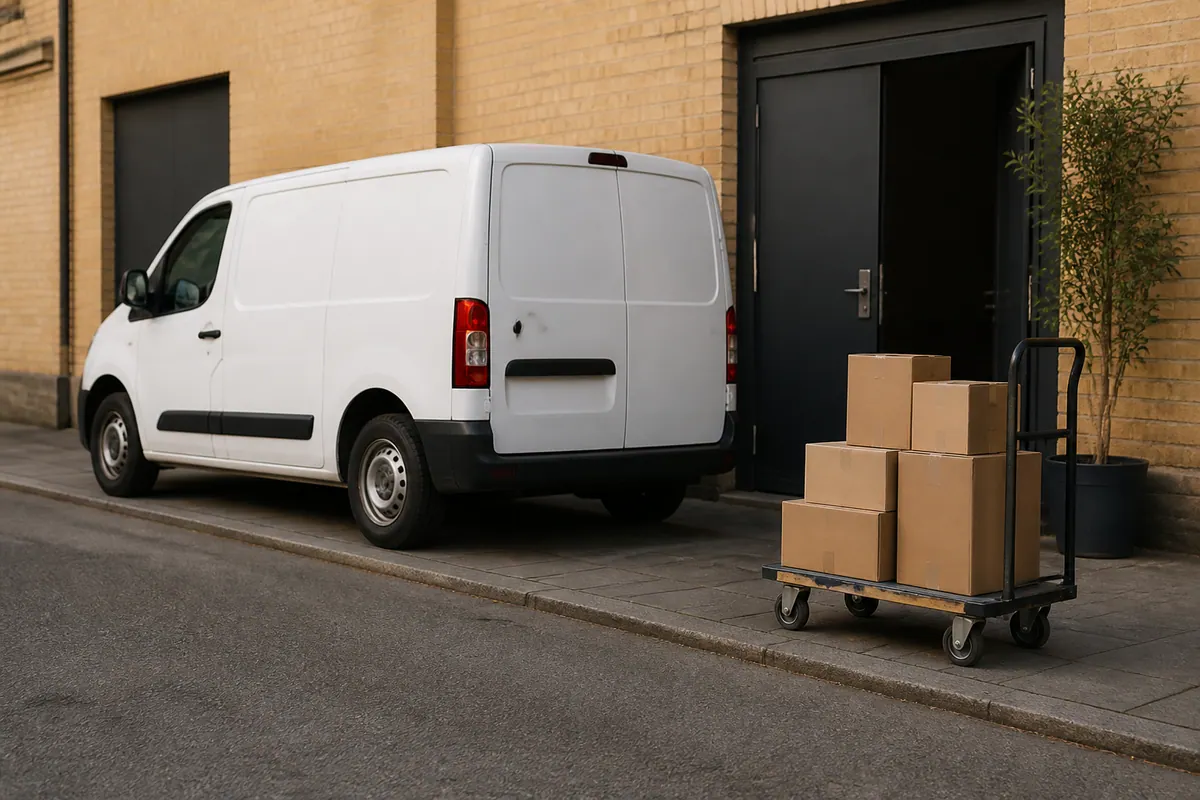
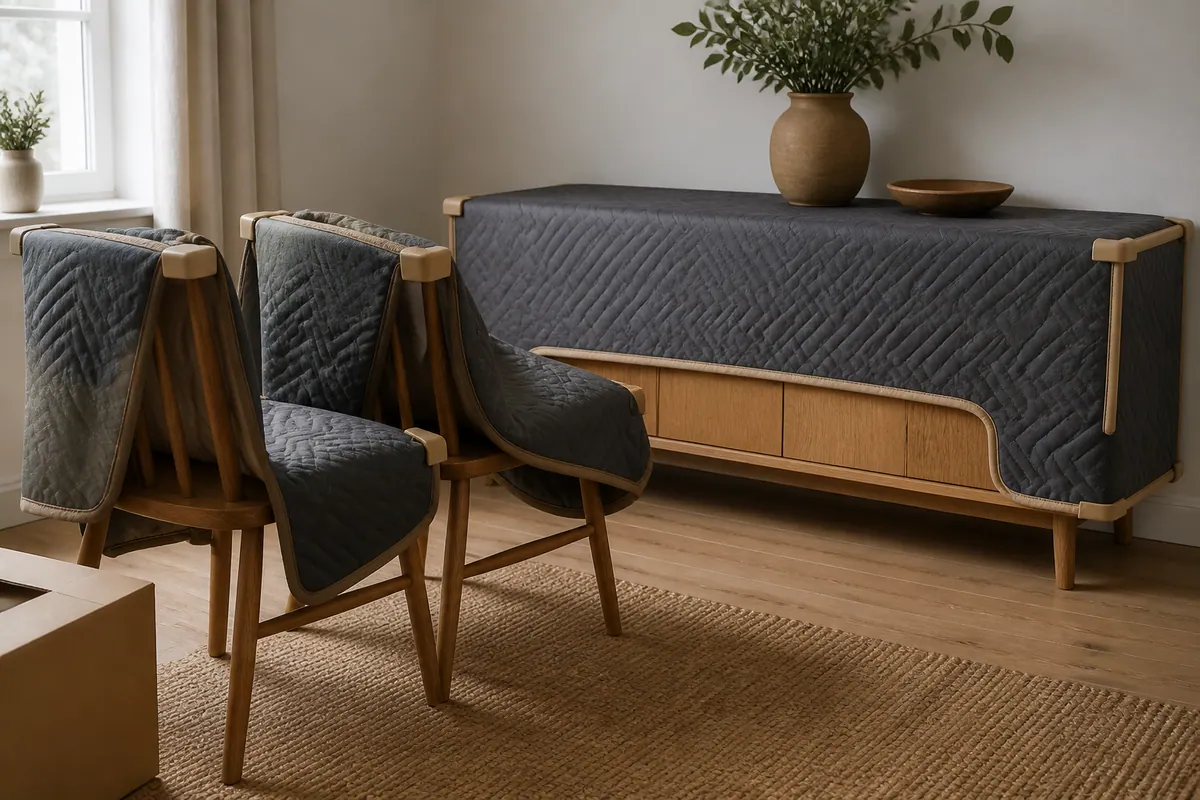
Scope first. Quote second.
Condition, preparation and access matter alongside dimensions. A generic item description can omit work affecting the assessment.
| Service scope | Price approach | Main factors |
|---|---|---|
| Volume & access assessment | Condition-noted inventory assessed | Rigid dimensions, finishes and fragile components |
| Collection & placement | Handling concerns reviewed before movement | Route constraints and item-specific protection |
| Ongoing storage | Period and suitable conditions quoted | Materials and planned retrieval requirements |
| Final retrieval / delivery | Referenced furniture release agreed | Condition notes, destination and notice |
Construction and condition can alter protection and handling beyond measurements. Confirm suitable conditions, term, facility costs, insurance and the later route explicitly.
Keep the move connected
Describe the parts concerned when discussing packing. Different furniture does not necessarily need identical preparation.
Explain furniture-specific handling even for a limited transport load.
Request materials for the actual delicate components identified.
Discuss return with the same condition and component references.
Alesta customer feedback / Furniture removal & packing
“I used Alesta Services for furniture removal and packing when I moved houses. The team was incredibly careful with my belongings and made the whole process seamless.”
James W. · Existing Alesta review, not a storage testimonial for Forest Hill.
Direct answers before you book
Dimensions, construction, condition and loose, fragile or projecting components.
Yes; explain which parts remain rigid.
They can support the written record and preparation discussion.
Keep their different requirements distinguishable in the inventory.
No; it raises a concern for suitability assessment.
Agree required materials and preparation explicitly.
Describe construction and request assessment rather than assuming removal is appropriate or included.
Ask about the proposed solution against declared materials and duration.
Relevant doors, turns and the piece’s fixed projections.
Discuss notice, procedure and additional costs for that group.
A measured list with condition, route and preparation questions plus likely duration.
Forest Hill / Service area
Share your Forest Hill postcode, floor, building entry arrangements and intended collection point. For the full household scope, visit Storage Services.
Share floor and route privately; local context cannot answer item-specific suitability questions.
A little space. A clear next step.
Measurements, construction and condition form a useful brief with duration and return requirements.
