
Keys handed back first
If departure cannot move, identify the last workable collection date and explain which return details remain unresolved.
Putney / Storage for a Delayed Return Address
You can know what needs to leave before you know where it will return.
Start your Putney enquiry with the departure address and a definite list of belongings. An undecided destination belongs in the brief as an open question, to be confirmed when your plans settle.

What changes at home?
If departure cannot move, identify the last workable collection date and explain which return details remain unresolved.
Record the items preventing the room from being prepared; belongings still serving the household may need to remain.
Separate pieces definitely being retained from furniture whose ownership or future use has not been decided.
List early-return cartons by reference so a request does not become a search through an entire household inventory.
Collection is part of the storage plan
A table’s width matters alongside the staircase turn. Send both measurements rather than just the property’s floor number.
Describe the proposed stopping point and any known restrictions without promising a space you cannot reserve.
Show projecting legs, fixed shelves and door clearances when photographing a bulky piece for assessment.
Name the person providing entry if you will already have left, and confirm their availability privately.
The eventual destination needs its own access review once known; collection measurements cannot stand in for that address.
Flats and apartments: Describe your floor and shared exit.Mansion blocks: Check who controls lift and loading arrangements.Houses: Include the full internal and outdoor carry.Rental or managed properties: Identify an authorised person if you leave first.
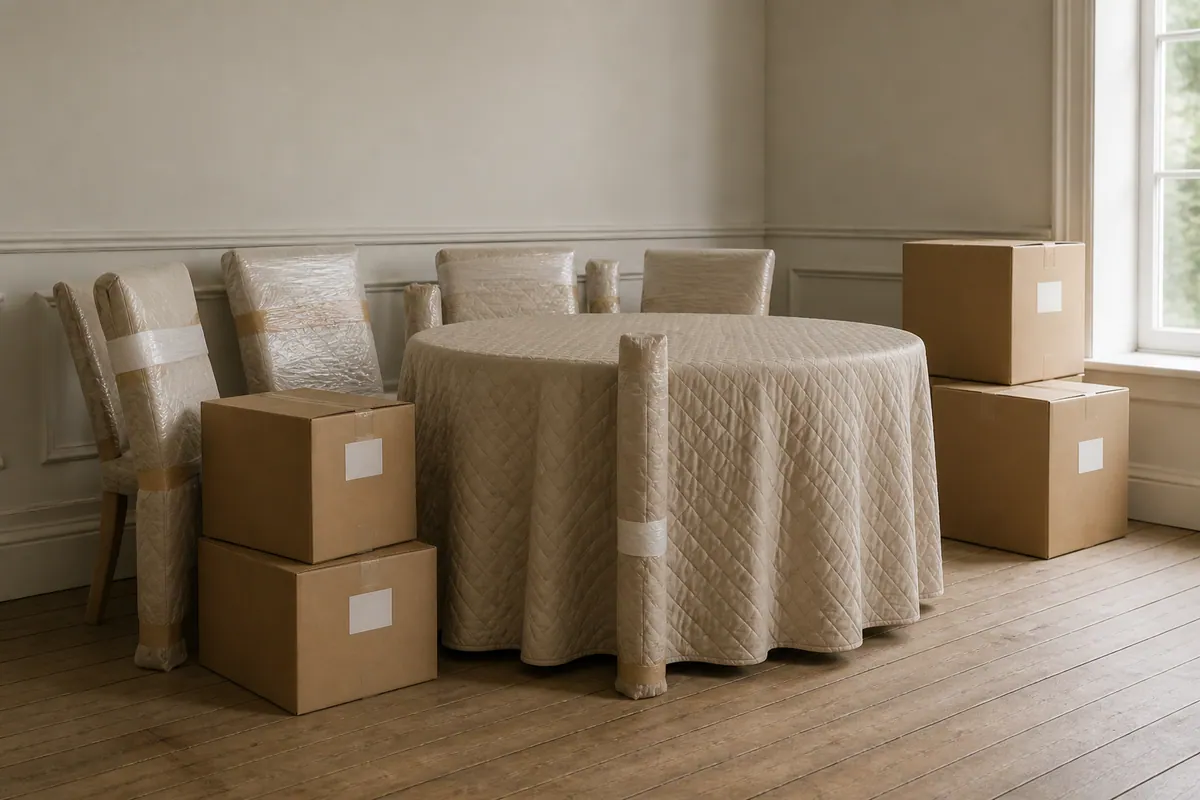
Putney, before collection day
You do not need to manufacture an onward address to describe a Putney collection. Establish the actual contents, departure access and deadline first. Then identify the information still needed for delivery so the unresolved part of the move remains visible in the proposal.
For this enquiry: A dining table needs measurements even if its eventual room is undecided. Cartons intended for the first available space should have recognisable references, with any separate retrieval request discussed before the arrangement is accepted.
Provide the table’s dimensions and the narrowest point on its collection route. Keep the cartons for the first available room distinct from later belongings.
Plan the route out of your property ↓Choose your starting point
Choose the closest inventory group, then explain exceptions. A few unusually shaped pieces may need more discussion than many ordinary cartons.
Inventory focus
Give cartons stable references and distinguish delicate contents. Keep personal papers and belongings needed during the gap with you.
Add this to your inventory ↓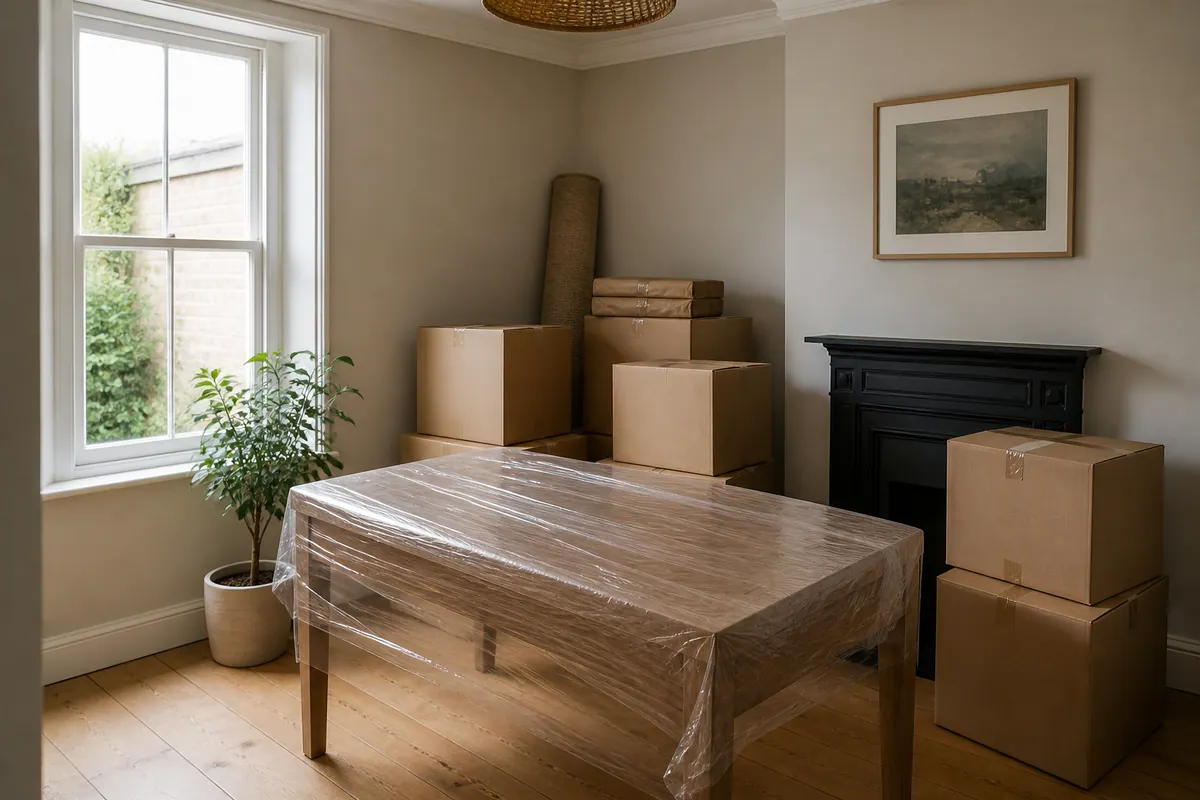
A useful first conversation
Use quantities to outline the Putney load, then add dimensions for furniture. The list does not reserve space or establish a charge.
Dimensions before estimates
An unknown return address does not prevent describing present belongings. Space still depends on their shape, protection and permitted arrangement.
Record the furniture separately from the carton count.
Explain which items must travel assembled.
Flag furniture going directly elsewhere rather than into storage.
Request a fuller assessment where substantial pieces make a simple list inadequate.
Any specialist or sensitive item needs an acceptance decision before collection; a household category is not blanket permission.
Plan the return before the departure
Decide what would make the first available room usable while other furniture waits. Raise separate retrieval before choosing the arrangement.
Need earlier
Need later
Ask about notice, handling charges and how an updated destination is approved. Keep valuables and irreplaceable records outside ordinary storage.
Use the same carton reference when requesting its return; room names alone may be ambiguous.
Identify glass, loose components and protection requirements without assuming other boxes can rest on the furniture.
Keep items for the same planned return together on the list, even if their original rooms differ.
One connected arrangement
Establish the definite contents before discussing tentative additions.
Show the route out of the Putney property.
Agree which preparation tasks happen before collection.
Confirm the declared load and the collection arrangements together.
Check the proposed terms while the destination remains provisional.
Supply the final address before booking the return movement.
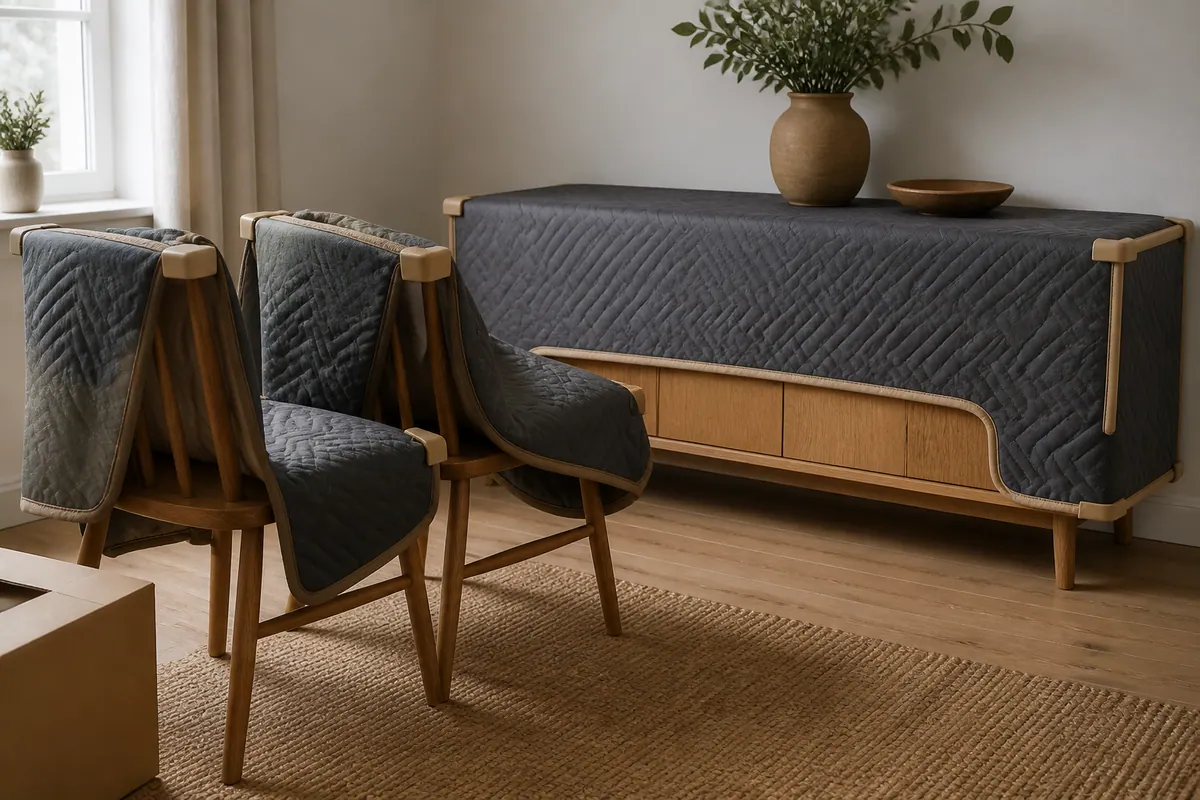

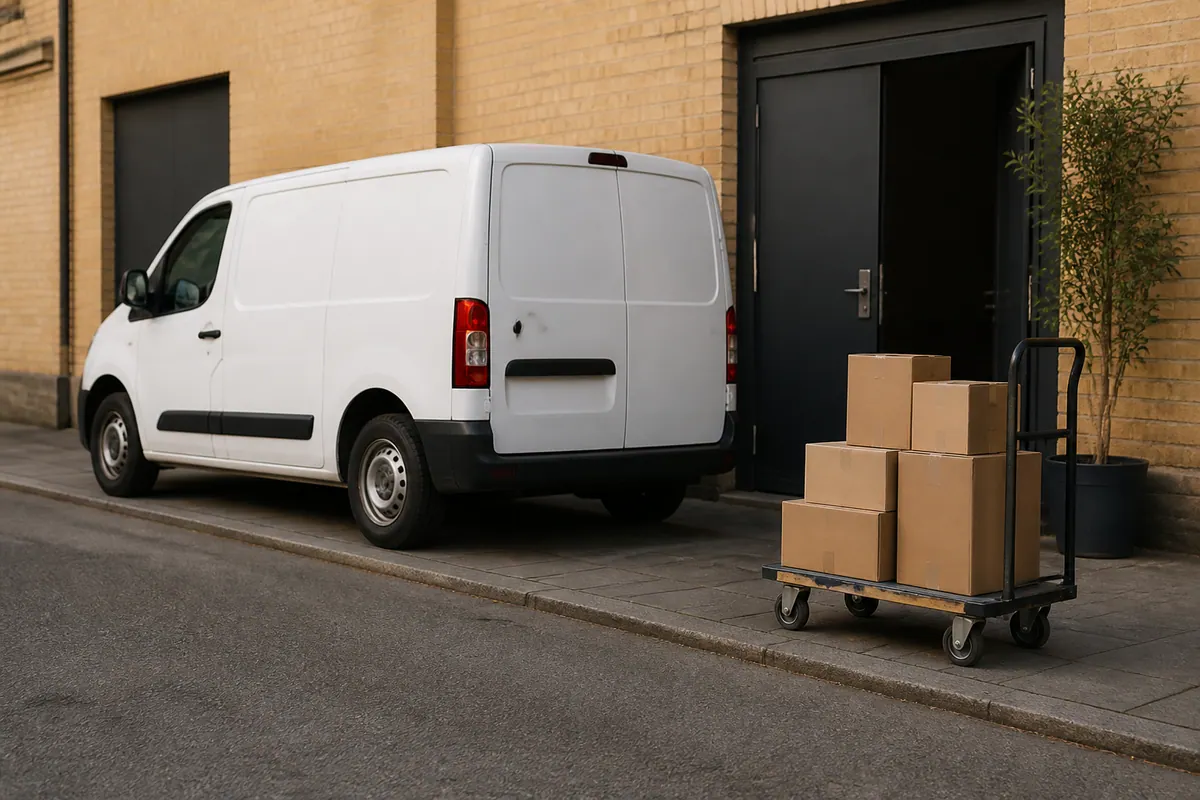
The timetable can change
| Planning point | A shorter gap | A longer arrangement |
|---|---|---|
| Typical purpose | A gap after handing back keys | An unresolved onward move |
| Preparation | Protection for the agreed handling stages | Review suitability for an extended wait |
| Retrieval | Return once the destination is confirmed | Discuss early access to identified cartons |
| Duration | State the expected gap honestly | Check how an extension is requested |
| Quotation | Include the known collection scope | Clarify later transport assumptions |
A provisional finish is not an unlimited contract. Obtain the duration, notice, facility conditions and any insurance arrangements in writing.
Scope first. Quote second.
A Putney quote can separate known collection work from a return journey awaiting details. Ask which figures remain conditional rather than treating an incomplete total as final.
| Service scope | Price approach | Main factors |
|---|---|---|
| Volume & access assessment | Assessed against the declared contents | Measurements and any early-return groups |
| Collection & placement | Collection scope confirmed individually | Exit route, loading position and preparation |
| Ongoing storage | Terms for the proposed storage period | Space arrangement and duration assumptions |
| Final retrieval / delivery | Return priced with destination details | Notice, remaining inventory and arrival access |
Furniture measurements, route difficulty, packing tasks and the eventual destination can all change the work. Identify which retrieval and facility charges the written quotation includes.
Direct answers before you book
Yes. Give the Putney collection details and clearly mark the return destination as undecided. Ask what must be confirmed before delivery can be arranged.
State that deadline at the start. Availability and the proposed collection window still need confirmation; a submitted inventory is not a reservation.
Describe the actual furniture and boxes instead. Measurements, suitable protection and retrieval requirements provide a better assessment basis than an assumed unit size.
Identify it now and request a partial-return arrangement. The chosen process may involve notice and extra handling charges, which need agreement.
Include its assembled dimensions, any removable parts and photographs of the narrowest route. Do not assume dismantling is included.
It may leave return transport conditional. Ask the team to identify assumptions and what information will allow that part to be confirmed.
Provide an authorised contact and agree entry arrangements. Make sure that person has the current item list and knows what stays behind.
Contact the team before the agreed period ends. Extensions, revised charges and notice depend on the confirmed arrangement rather than automatic flexibility.
Ask about the location proposed for your belongings and review its conditions before accepting. A collection in Putney does not identify a particular storage facility.
No. Declare sensitive or potentially unsuitable contents and check restrictions. Keep cash, jewellery and irreplaceable personal documents in an appropriate separate arrangement.
Enter quantities, add furniture measurements and review the email draft. Sending it starts a discussion; it does not book collection or approve every item.
Keep the move connected
Coordinate the household move around the storage stage when the two addresses are not ready together.
Ask whether the selected load suits a smaller transport arrangement after handling needs are reviewed.
Discuss wrapping and cartons before belongings leave the departure property.
Plan the furniture return once the next room and its access are known.
Alesta customer feedback / Furniture removal & packing
“I used Alesta Services for furniture removal and packing when I moved houses. The team was incredibly careful with my belongings and made the whole process seamless.”
James W. · Existing Alesta review, not a storage testimonial for Putney.
Putney / Service area
Start with the Putney departure postcode and the access you can confirm. Review the wider household service at Storage Services.
Ask about the proposed storage location separately; an undecided return address should remain clearly provisional.
A little space. A clear next step.
List the belongings ready to leave, the departure deadline and the questions still open about their return.
