
Need earlier
The items that should not disappear into the whole load.
- Seating selected for the first usable rooms
- Accepted cartons requested with the initial furniture
- Identified pieces with a confirmed destination place
St John’s Wood / Storage for Larger Household Pieces
Give the largest pieces the most useful information.
Discuss St John’s Wood storage for household furniture with clear measurements of substantial pieces and a realistic collection and return brief.
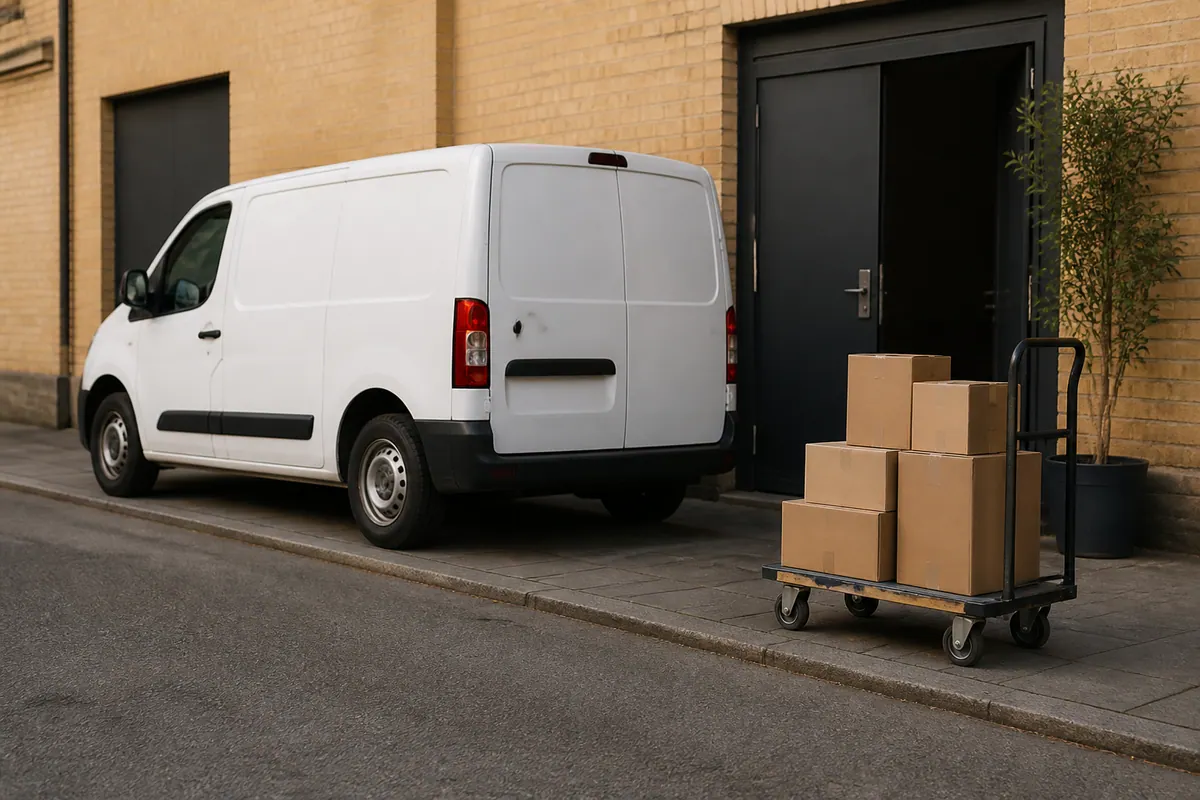
A useful first conversation
Start with the long or broad furniture, then add cartons. The notes should distinguish fixed construction from parts that can be separated under an agreed preparation plan.
Plan the return before the departure
If the household returns in stages, decide which seating makes the first rooms usable. The inventory can then support a specific request rather than an undefined partial load.
Need earlier
Need later
Keep valuables and important records separately. A staged furniture return needs agreed notice and cost; no unrestricted release is implied.
Reference priority chairs individually where they differ in size or construction.
Keep separated table sections and fixings traceable to the original item.
Larger pieces returning last still require a checked destination route and agreed delivery.

St John’s Wood, before collection day
A St John’s Wood household load can be shaped by one broad table or long cabinet even when the carton count is modest. Put those pieces near the top of the list so their handling requirements are visible.
Describe which parts separate and which remain fixed. A statement that furniture can be dismantled needs to relate to its actual construction, not an assumption that every piece can be made smaller on collection day.
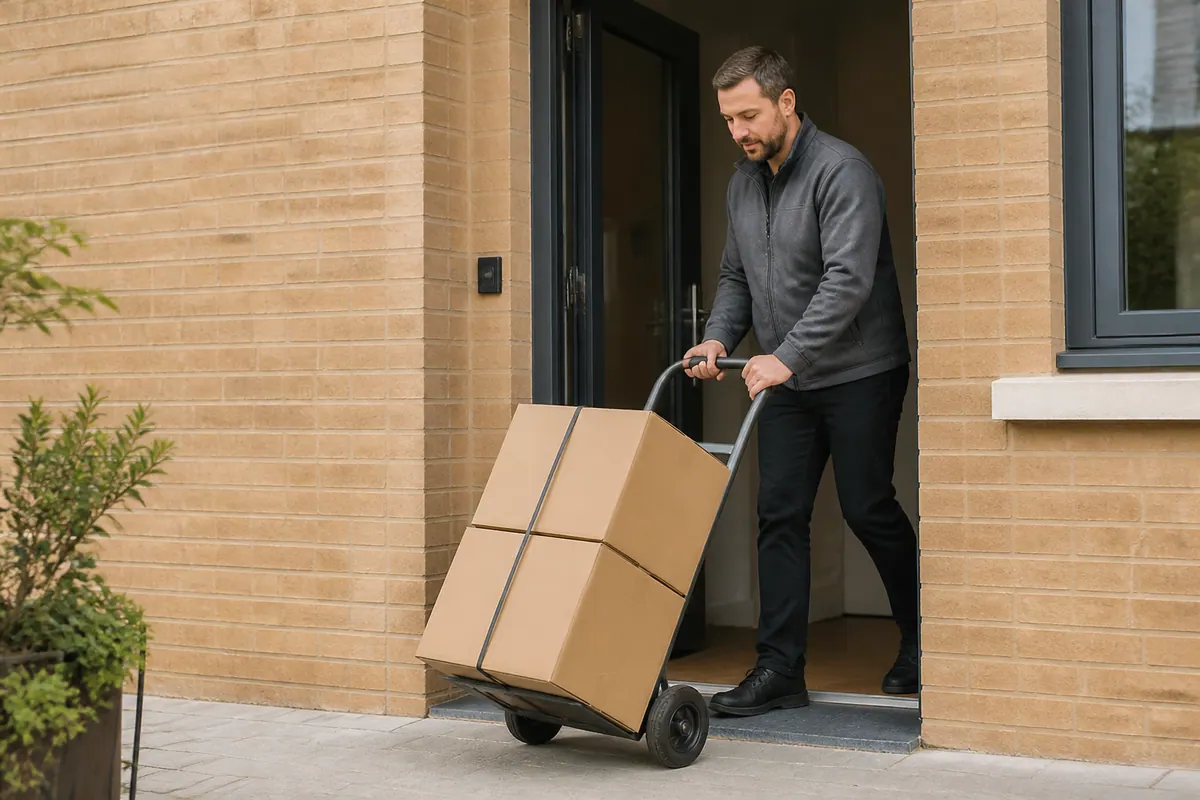
Assess the route as well as the object. The entrance opening, turns and starting floor help explain whether the proposed preparation is workable.
Plan the route out of your property ↓Keep the move connected
Link retained furniture to the larger household move when required.
Discuss transport based on handling needs rather than a low item count.
Agree preparation for large surfaces and furniture sections.
Plan substantial-piece delivery against the receiving route’s measurements.
Alesta customer feedback / Furniture removal & packing
“I used Alesta Services for furniture removal and packing when I moved houses. The team was incredibly careful with my belongings and made the whole process seamless.”
James W. · Existing Alesta review, not a storage testimonial for St John’s Wood.
Choose your starting point
The furniture category opens general prompts, but substantial pieces need their own dimensions and construction notes.
Inventory focus
Count the St John’s Wood cartons independently of the substantial furniture. Small boxes should not obscure the measurements and protection requirements of the table or broad seating.
Add this to your inventory ↓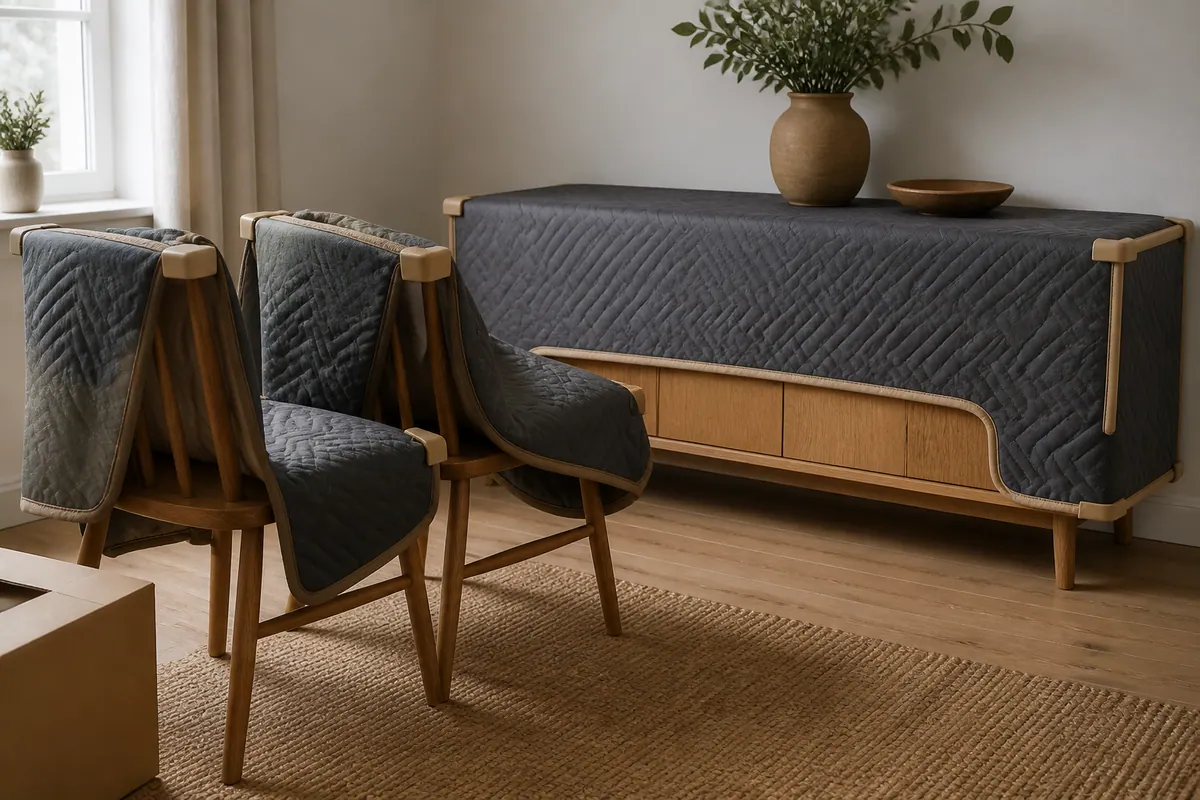
Dimensions before estimates
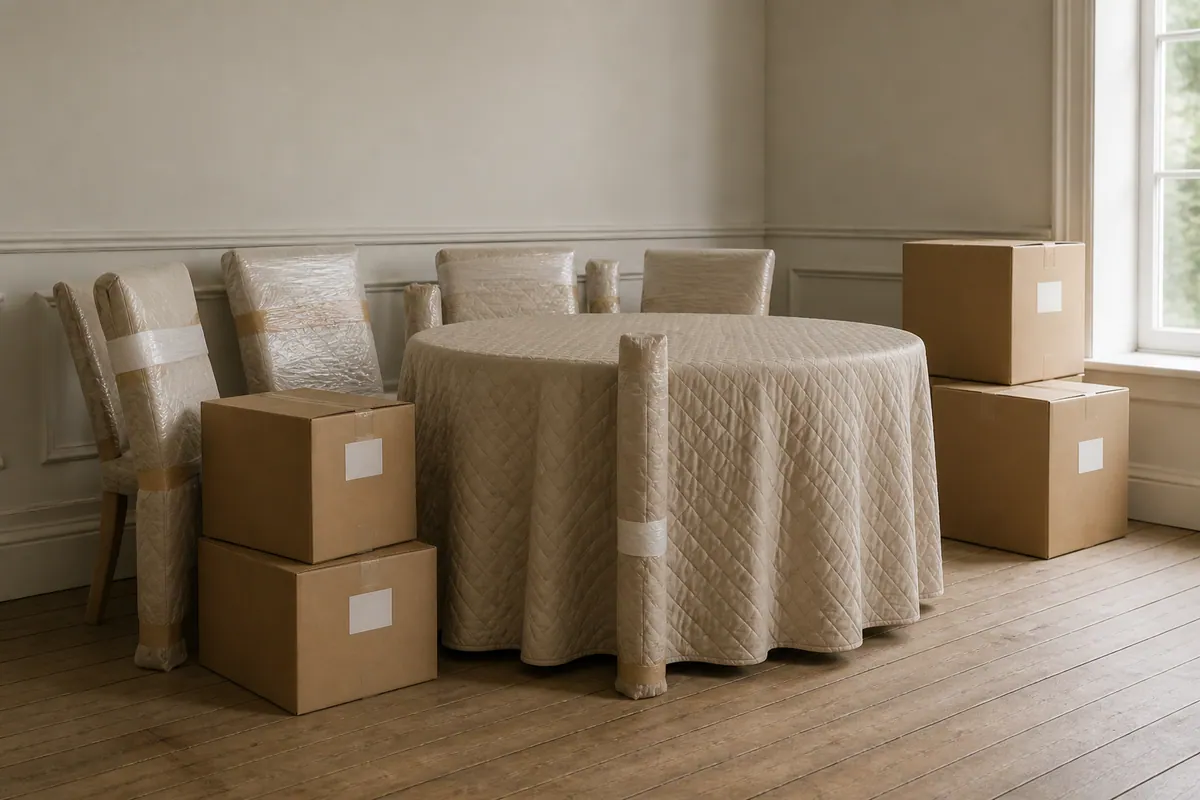
A large table can constrain an arrangement more than several small boxes. Its shape, protection and safe handling are part of the volume assessment.
One broad table can determine the assessment.
List the room’s furniture in its transport form.
Identify substantial pieces across each selected room.
Provide full measurements for a furniture-heavy household load.
Large household furniture still needs suitability review, and specialist requirements require explicit agreement.
What changes at home?
A furniture-led storage enquiry may involve few cartons but substantial protection and handling requirements.
If the next room layout is undecided, identify which retained pieces are definitely staying in the household.
A staged household return can prioritise seating, provided separate retrieval is discussed beforehand.
When a large item is excluded after assessment, revise the inventory rather than leaving an ambiguous entry.
Collection is part of the storage plan
Give table measurements including legs and any projecting ends in its planned transport form.
Photograph the broadest chair near any difficult doorway or landing.
Identify who can confirm dismantling instructions and condition concerns.
Describe the loading approach and known access restrictions for the property.
Provide the table’s dimensions and explain any sections that separate.
Flats and apartments: describe the widest furniture along the actual route. Mansion blocks: check shared access before relying on a broad doorway. Houses: record where substantial pieces are positioned. Rental or managed properties: confirm authority and preparation instructions.
One connected arrangement
Put the largest St John’s Wood pieces first on the list.
Assess their route using complete dimensions.
Agree genuine separation and protection requirements.
Confirm crew and transport for the accepted furniture.
Review the proposed term and suitable arrangement.
Request the first seating or full return as agreed.

The timetable can change
| Planning point | A shorter gap | A longer arrangement |
|---|---|---|
| Typical purpose | Substantial pieces waiting through a defined gap | Retained furniture awaiting a settled layout |
| Preparation | Protect surfaces and separated parts for the journey | Review construction and material needs over time |
| Retrieval | Return seating needed to make rooms usable | Discuss later cabinets or other selected pieces |
| Duration | Confirm the term separately from preparation arrangements | Ask about extensions while the layout remains open |
| Quotation | Assess the actual furniture and its handling | Clarify staged-release and longer-period charges |
No standard period is promised for oversized pieces. Agree notice, extension and coverage conditions for the proposed arrangement.
Scope first. Quote second.
Ask what the quote assumes about preparation, crew and transport for oversized household pieces. Duration and return requirements remain separate factors to clarify.
| Service scope | Price approach | Main factors |
|---|---|---|
| Volume & access assessment | Assessment based on the substantial furniture | Full dimensions, fixed sections and protection |
| Collection & placement | Handling quote for the declared route | Crew requirements, preparation and loading approach |
| Ongoing storage | Price for the intended retention interval | Suitable conditions and accepted furniture footprint |
| Final retrieval / delivery | Return scoped to the specified pieces | Receiving measurements and any seating-first stage |
Large-piece preparation can be significant. Check dismantling, transport, return work and insurance inclusions instead of comparing a space charge alone.
Direct answers before you book
Provide full dimensions, construction details and the actual collection route.
No. State what the design permits and agree any work explicitly.
Not necessarily; large or awkward furniture can determine handling requirements.
Distinguish different sizes or constructions and state quantities for matching pieces.
Mention that history and the current route; it may affect preparation.
Request the sequence early and confirm retrieval notice and transport costs.
Do not assume so. Discuss any required work as a separate scope item.
Declare their needs and confirm suitable preparation and conditions.
Have additions reviewed before collection because volume and handling may change.
Provide receiving measurements before arranging return transport.
No fixed room package is stated; the quotation reflects the accepted inventory and arrangement.
St John’s Wood / Service area
Send the St John’s Wood postcode with dimensions of the largest pieces when discussing Storage Services.
The holding arrangement must suit the declared furniture. Give the eventual receiving route separately before requesting delivery.
A little space. A clear next step.
Discuss St John’s Wood storage for household furniture with clear measurements of substantial pieces and a realistic collection and return brief.
