
How Long Does Carpet Take to Dry After Professional Cleaning?
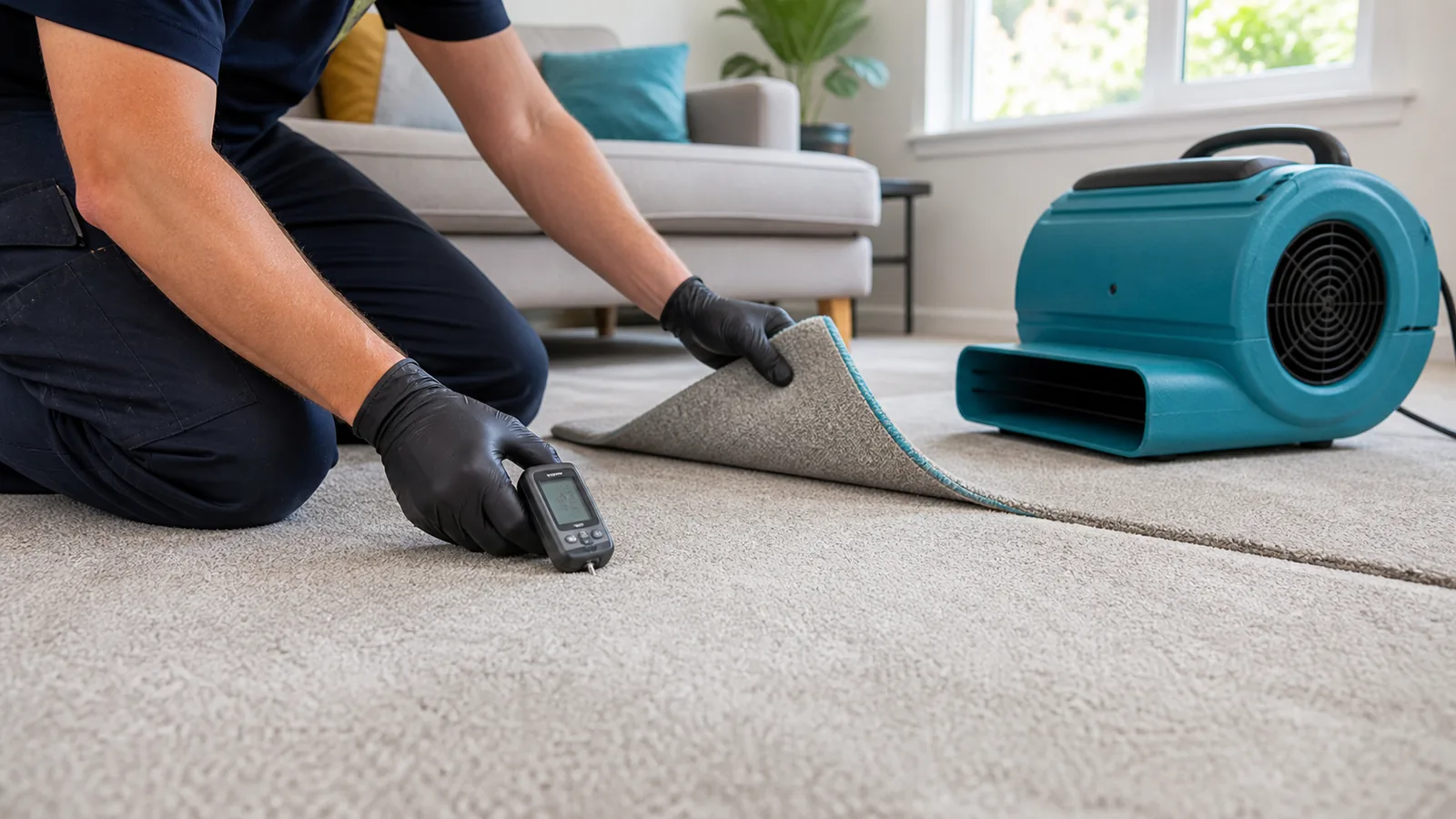
Many professionally cleaned carpets feel dry within roughly six to twelve hours, but fibre type, weather, ventilation, pile depth and the cleaning method can shorten or extend that time. Avoid replacing heavy furniture until the carpet is fully dry. This guide explains the safest useful checks, the mistakes that can make the situation worse and the point at which a trained specialist should take over.
Why this problem happens
- dense pile holding more moisture
- cool or humid weather slowing evaporation
- limited air movement in the room
- extra treatment for heavy soil or stains
- a carpet construction that requires cautious extraction
Safe checks you can make now
- ask the technician for a drying estimate for the specific carpet
- keep safe airflow moving through the room
- use normal background warmth rather than intense direct heat
- keep shoes, pets and children off damp fibres
- place furniture protectors under any item that must remain
- check edges and areas beneath furniture before normal use
Mistakes to avoid
- turning heating to an extreme temperature
- covering damp carpet with rugs or plastic
- moving wooden or metal furniture directly onto damp fibres
- assuming the surface feel proves the backing is dry
How to document the problem clearly
Take a wide photograph showing the room or appliance position and a closer image showing the affected detail. Record the date, recent weather or appliance use, any smell or sound, and whether the symptom changes after ask the technician for a drying estimate for the specific carpet. If it is safe, repeat the observation at the same time on the following day. A short, accurate timeline is more useful than guessing at a diagnosis.
Preparing for a professional visit
When professional help is the better choice
Arrange an assessment when the source is uncertain, the issue returns, access requires dismantling or there is a safety concern. In particular, seek help when a musty odour appears after the expected drying period; the carpet remains noticeably wet the next day; water has reached underlay because of a spill or leak.
For related help, view Alesta’s carpet cleaning service, or call 020 3608 3976 to discuss access and availability.
Frequently asked questions
When should I stop and call a professional?
Professional help is sensible when a musty odour appears after the expected drying period.
What is the most common cause?
The common causes include dense pile holding more moisture, cool or humid weather slowing evaporation, limited air movement in the room. The pattern and timing usually provide the best clues.
Can I deal with a small problem myself?
How can I prevent it returning?
Prevention starts with keep shoes, pets and children off damp fibres, place furniture protectors under any item that must remain, check edges and areas beneath furniture before normal use. Address the source rather than repeatedly hiding the symptom.
