
Lost Keys in London: Rekey, Repair or Replace the Lock?
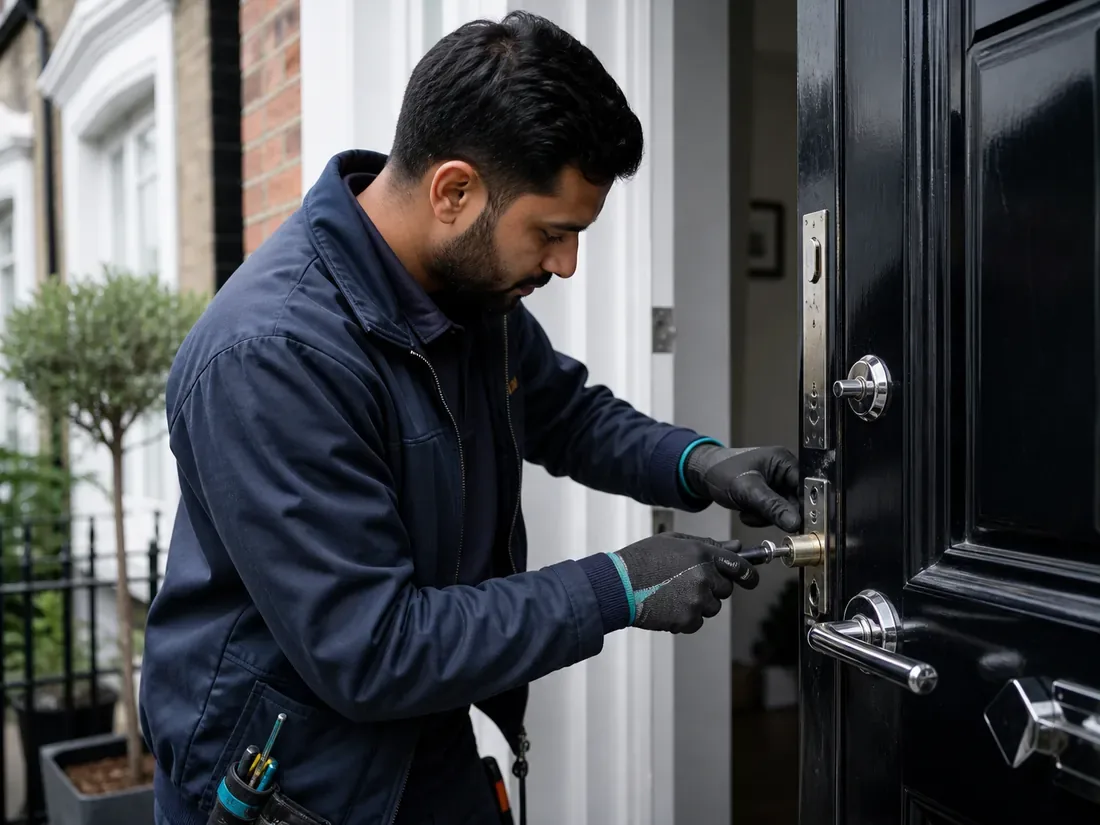
If lost keys can be linked to your address, arrange a lock change promptly; if they are known to be locked inside and carry no identifying information, non-destructive entry may be enough. Opening a door solves the lockout. Changing or rekeying the lock removes the risk that the missing key still works. Tell the locksmith what was attached to the ring, where it disappeared, the door material and whether you rent.
The first fifteen minutes
Check the last confirmed place you used the key, every bag lining, the route between vehicle and door, and relevant transport or shop lost property. Call a trusted spare-key holder. Do not publish a photograph showing the key shape, tag, street or building. If a wallet and keys vanished together, assume the finder can identify the property.
Do not climb walls or force a window. If a child, vulnerable person, fire risk or running appliance is inside, use the appropriate emergency route rather than waiting for a routine appointment.
How exposed is the address?
- High risk: stolen bag, identity document, address label, vehicle paperwork or targeted theft.
- Medium: lost near home or with a distinctive building fob, but no written address.
- Lower: definitely inside, held by a trusted person, or lost far away with no identifiable link.
This is a decision aid, not a guarantee. Also consider who has copies, whether the key opens a communal area and any insurance condition following theft.
Entry, rekeying, cylinder change or full lock?
Rekeying changes the internal key arrangement on compatible locks. A cylinder change replaces the key-operated barrel but retains a serviceable lock case and handles. Full replacement changes the mechanism and may be justified by damage, wear, incompatibility or a planned upgrade.
On many uPVC and composite doors, the euro cylinder is separate from the multipoint strip. Losing a key does not automatically condemn the strip. Timber-door mortice locks have different options. Send photographs of the door edge and hardware without displaying key cuts. A lock replacement and installation specialist can identify a proportionate scope.
If the key is safe inside
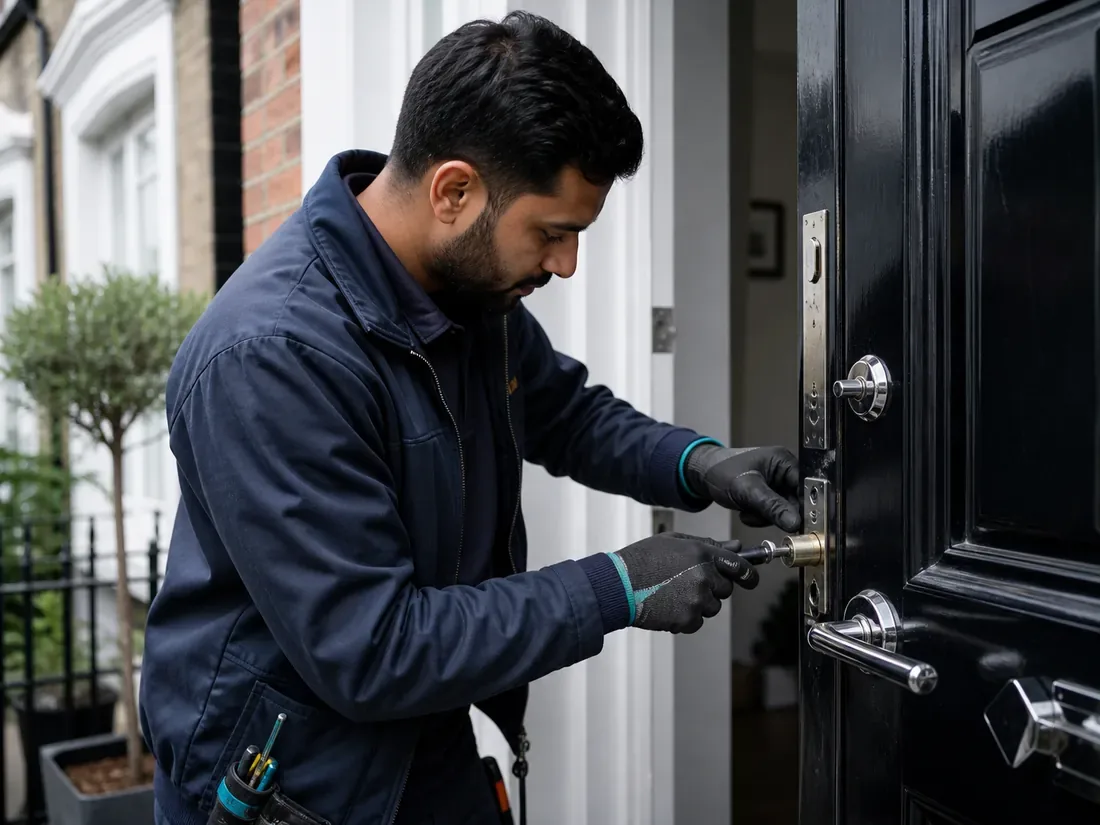
Explain whether the door merely latched or was deadlocked with a key. Latch entry may permit a non-destructive method; a deadlocked or faulty door is different. Ask what method will be attempted first and what circumstances could make drilling necessary. Nobody can guarantee non-destructive entry without seeing the door, but drilling should not be the automatic opening line.
Prepare proof that you live there. A reputable London locksmith may request identification or another reasonable link to the address. If documents are inside, agree acceptable alternatives while booking.
Tenants and managed blocks
Call the landlord or agent, particularly where the tenancy provides an emergency contractor or they hold a spare. This should not delay a genuine safety emergency, but replacing hardware without notice can cause disputes about cost, keys and specification. Provide replacement keys as required and keep the invoice.
Communal entrance locks and electronic fobs normally remain under building management. Cancel a missing fob through the issuer. Do not ask a private locksmith to alter shared hardware without authority, and never reduce a flat entrance door’s existing fire or security performance.
Audit the whole keyring
List garage, shed, window, post-box, office and bicycle keys, car remotes, alarm tags and access cards. Move a vehicle if its key and location can be connected. Report theft through the appropriate police channel and retain a reference where an insurer needs it. A front-door cylinder change does nothing about the garage remote still attached to the stolen ring.
Do not label replacements with a full address. Review concealed spares: a new security cylinder offers little if its key sits beneath a nearby pot.
Sometimes repair is the real job
If the key had become stiff, needed lifting of the handle, or snapped, the door may be misaligned or the mechanism worn. A cylinder alone may not cure a dropped door. Describe the history, not just today’s loss. The correct destination may be door-lock repair with adjustment and testing.
Compare the complete quote
Ask for call-out, labour, hardware, VAT and out-of-hours charges. Request the proposed lock make, model or standard and number of supplied keys. Confirm whether making good around damaged hardware is included. A low entry price can grow rapidly if everything is left undefined.
After work, test every key from both sides with the door open and then closed. Check latch, deadlock and multipoint engagement without force. Retain the invoice and hardware details. The objective is not to replace everything; it is to break every credible route from the missing key to the home while preserving sound components.
A calm decision sequence
- Resolve any immediate risk to people.
- Decide whether the address is identifiable.
- Use a spare or request safe entry.
- Cancel fobs and secure other locks on the ring.
- Choose rekey, cylinder or full replacement after inspection.
- Test, document and distribute authorised new keys.
That sequence prevents a stressful lockout from becoming either an under-reaction to stolen keys or an unnecessary replacement of an entire door mechanism.
Do not let urgency erase identification
Before agreeing to work at the door, ask the attendee to restate the quoted charging basis and show business identification. Photograph the existing hardware and any damage before drilling. If the proposed method changes, ask why and what the new total will be. Pressure to pay cash before a price is explained is a reason to pause, provided nobody is at immediate risk.
When several flats share an identical entrance, give the full flat number and a safe meeting point without sending sensitive documents through an insecure message. Tell a trusted person where you are. Late-night lockouts are tiring; a short written confirmation protects both customer and locksmith from misunderstanding.
Insurance and key control after theft
Read the relevant policy wording or call the insurer rather than assuming every lock upgrade is reimbursed. They may request a crime reference, invoice or a lock meeting a stated standard. Keep the removed cylinder if the locksmith and insurer say it is safe and relevant evidence; otherwise ask how it will be disposed of.
Count newly issued keys and record who receives each one. Recover old spares even though they no longer work, because an obsolete key can be confused with a live copy during a later emergency. If cleaners, carers or contractors held keys, notify them of the change through a verified channel.
Doors that will not secure after entry
If entry reveals a broken mechanism and the door cannot be locked, do not accept a promise to return days later without a security plan. Ask about a compatible temporary measure that does not damage fire performance or trap occupants. Never improvise a barricade that blocks an escape route. Photograph the temporary state and agree the permanent part and return date in writing.
